Turn off MathJax
Article Contents

TANG Guoqiang, WU Yuanmei, MENG Lanyang, et al. Effects of different intensities of pruning on growth and stem form of young Erythrophleum fordii plantation[J]. Journal of Zhejiang A&F University, 2025, 43(X): 1−9 doi:  10.11833/j.issn.2095-0756.20250297
Citation: TANG Guoqiang, WU Yuanmei, MENG Lanyang, et al. Effects of different intensities of pruning on growth and stem form of young Erythrophleum fordii plantation[J]. Journal of Zhejiang A&F University, 2025, 43(X): 1−9 doi:  10.11833/j.issn.2095-0756.20250297

OnlineFirst articles are published online before they appear in a regular issue of the journal. Please find and download the full texts via CNKI.

Effects of different intensities of pruning on growth and stem form of young Erythrophleum fordii plantation

DOI: 10.11833/j.issn.2095-0756.20250297
  • Received Date: 2025-05-15
  • Accepted Date: 2025-11-08
  • Rev Recd Date: 2025-10-29
  •   Objective  This study aims to clarify the impacts of different pruning intensities on the growth and stem form of Erythrophleum fordii, so as to provide a theoretical basis for its pruning and cultivation.  Method  Taking a 4-year-old pure forest of E. fordii as the research object, four treatments were set up: no pruning (control, ck), low-intensity pruning (removing branches below 1/3 of tree height, T1), medium-intensity pruning (removing branches below 1/2 of tree height, T2), and high-intensity pruning (removing branches below 2/3 of tree height, T3). Each treatment consisted of 9 rows and 72 trees per plot, with four replicates. Tree height, diameter at breast height (DBH), crown width, and under-branch height were measured for four consecutive years. ANOVA and multiple comparisons were employed to analyze the effects of different pruning treatments and years on growth (height, DBH, volume), crown dynamics (crown width), and stem form (height to diameter ratio, breast height form factor, under-branch height, crown height, and crown height rate.  Result  T1 significantly (P<0.05) promoted DBH and volume of the tree, with effects concentrated in the first year after pruning. T3 significantly inhibited tree height and volume growth in the first and third years after treatment, with the inhibitory effect on tree height reaching a significant level (P<0.05). The regulation of crown width by pruning exhibited stage-specific characteristics, with crown width increasing instead of decreasing in the first year after pruning, negative growth occurring in the second year and weakening with increasing pruning intensity, and no significant difference in pruning intensity in the fourth year. Pruning significantly (P<0.05) increased under-branch height but reduced crown height, crown height rate, breast height form factor, and height to diameter ratio, indicating that early pruning might reduce the bole fullness while optimizing the stem form.  Conclusion  The responses of growth to pruning showed significant annual fluctuations, with impacts mainly concentrated in the first year after pruning, and gradually weakening thereafter. After the fourth year, there is no significant effect. Considering both growth and stem form indicators, T1 achieves the optimal balance between DBH, volume, and under-branch height, and is the optimal strategy for cultivating large-diameter timber. [Ch, 2 fig. 7 tab. 25 ref.]
  • [1] YANG Wangting, SHAO Xiangjun, ZHOU Jumin, GUI Renyi.  Effects of different dissolved oxygen concentration on growth, physiology and biochemistry of hydroponic Phyllostachys violascens seedlings . Journal of Zhejiang A&F University, doi: 10.11833/j.issn.2095-0756.20200286
    [2] OU Jiande, WU Zhizhuang.  Growth and stem form quality with pruning in Taxus wallichiana var. mairei . Journal of Zhejiang A&F University, doi: 10.11833/j.issn.2095-0756.2017.01.015
    [3] MAO Yuming, QIAO Weiyang, WU Kezhuang, YU Mukui, CHENG Xiangrong.  Growth, photosynthesis, and nutrition of Gynura divaricata with forest gap treatments . Journal of Zhejiang A&F University, doi: 10.11833/j.issn.2095-0756.2016.01.012
    [4] XU Li, ZHOU Wei, YU Yuanchun, WANG Mei, HOU Wenjun, XU Changbai, DAI Cheng.  Soil properties and poplar growth with pig manure biogas slurry . Journal of Zhejiang A&F University, doi: 10.11833/j.issn.2095-0756.2015.02.006
    [5] ZHANG Rui, WANG Xiu-hua, CHEN Liu-ying, FENG Jian-guo, ZHOU Zhi-chun.  Growth and heartwood characteristics of Ormosia hosiei plantations . Journal of Zhejiang A&F University, doi: 10.11833/j.issn.2095-0756.2012.03.014
    [6] LIU Qing-hua, ZHOU Zhi-chun, ZHANG Kai-ming, LAN Yong-zhao, WU Ji-fu, NIE Guo-qin.  Influence of phosphorus on growth and wood basic density of Pinus massoniana provenances . Journal of Zhejiang A&F University, doi: 10.11833/j.issn.2095-0756.2012.02.006
    [7] MAO Da-min, LU Yuan-yuan, ZHENG Lin-shui, LI Tan-chuan, WU Li-dong.  Growth of bamboo running rhizomes after digging up bamboo rhizome shoots . Journal of Zhejiang A&F University, doi: 10.11833/j.issn.2095-0756.2011.05.026
    [8] WU Jiang, LIU Peng, WU Jia-sheng.  Seedling growth and leaf pigments of Cleyera japonica with shade treatments . Journal of Zhejiang A&F University, doi: 10.11833/j.issn.2095-0756.2010.05.024
    [9] SUI De-zong, WANG Bao-song, SHI Shi-zheng, JIAO Zhong-yi.  Growth and photosynthesis of shrub willow clones with salt stress . Journal of Zhejiang A&F University, doi: 10.11833/j.issn.2095-0756.2010.01.010
    [10] FANG Jiang-bao, YIN Xiu-min, YU Shu-quan, JIANG Hong, LI Xiu-peng.  Growth and photosynthesis of Castanopsis sclerophylla seedlings with three light intensity treatments . Journal of Zhejiang A&F University, doi: 10.11833/j.issn.2095-0756.2010.04.010
    [11] LIN Lei, ZHOU Zhi-chun, FAN Hui-hua, JIN Guo-qing, CHEN Liu-ying, WANG Yue-sheng.  Genetic variation of growth and form in Schima superba provenances with selection for wood processing materials . Journal of Zhejiang A&F University,
    [12] YUWan-wen, CAO Bang-hua, CAO Fu-liang.  Growth, ionic absorption and ionic distribution responses to soil drought and drought-salt stresses in two Robinia pseudoacacia clones . Journal of Zhejiang A&F University,
    [13] LINWen-jie, WUJian-rong, MAHuan-cheng.  Adaptability of Azadirachta indica in dry-hot valley . Journal of Zhejiang A&F University,
    [14] ZHU Yun-feng, YE Jian-ren, HUANG Lin.  Effects of three hydrogels on stem water potential and growth of pine seedlings . Journal of Zhejiang A&F University,
    [15] CAO Bang-hua, ZHANG Ming-ru, ZHAI Ming-pu, MAO Pei-li.  Growth and osmotic adjustment of Robinia pseudoacacia clones under drought stress . Journal of Zhejiang A&F University,
    [16] LIU Chun-hua.  Community characteristics and growth of natural forest and plantation of Cyclobalanopsis chungii LIU Chun-hua . Journal of Zhejiang A&F University,
    [17] Wang Baipo, Xu Linjuan, Lin Xia, Cheng Xiaojian, Wang Lizhong, Yao Jianxiang.  Effcet of PP333on Growth and Fruiting for 8 Spceies of Economie Trees. . Journal of Zhejiang A&F University,
    [18] Fan Houbao, Zang Runguo.  Effects of Simulated Acid Rain on Seed Germination and Seeding Growth of Cinnamomum camphora. . Journal of Zhejiang A&F University,
    [19] Lou Chong, Liu Chenglin..  Growth in weight of phyllostechys puhescens. . Journal of Zhejiang A&F University,
    [20] Chen Dongji, Zheng Meizhu.  Effect of Atmospheric Pollution on Growth of Chinese Fir . Journal of Zhejiang A&F University,
  • [1]
    Editorial Committee of Flora of China, Chinese Academy of Science. Flora of China [M]. Beijing: Science Press, 1988: 117.
    [2]
    ZHAO Zhigang, WANG Chenbin, WANG Shengkun, et al. Life history of Cryptophlebia ombrodelta (Lepidoptera: Tortricidae) and comprehensive control in Erythrophleum fordii plantation [J]. Journal of Northwest Forestry University, 2018, 33(6): 152−158.
    [3]
    BEADLE C, BARRY K, HARDIYANTO E, et al. Effect of pruning Acacia mangium on growth, form and heart rot [J]. Forest Ecology and Management, 2007, 238(1/3): 261−267. DOI: 10.1016/j.foreco.2006.10.017.
    [4]
    DĂNESCU A, EHRING A, BAUHUS J, et al. Modelling discoloration and duration of branch occlusion following green pruning in Acer pseudoplatanus and Fraxinus excelsior [J]. Forest Ecology and Management, 2015, 335: 87−98. DOI: 10.1016/j.foreco.2014.09.027.
    [5]
    SCHATZ U, HERÄJÄRVI H, KANNISTO K, et al. Influence of saw and secateur pruning on stem discolouration, wound cicatrisation and diameter growth of Betula pendula[J]. Silva Fennica, 2008, 42(2). DOI: 10.14214/sf.258.
    [6]
    WANG Chunsheng, HEIN S, ZHAO Zhigang, et al. Branch occlusion and discoloration of Betula alnoides under artificial and natural pruning [J]. Forest Ecology and Management, 2016, 375: 200−210. DOI: 10.1016/j.foreco.2016.05.027.
    [7]
    HUANG Kaidong, QIAN Zhuangzhuang, TANG Luozhong. Research progress in the effect of pruning on plantation environment [J]. World Forestry Research, 2018, 31(2): 43−48.
    [8]
    YANG He, LIU Sheng, LI Guowei, et al. The short-term effects of pruning and thinning on the diversity of herbaceous plants and soil physicochemical properties under the artificial Larix olgensis young forest[J/OL]. Journal of Nanjing Forestry University (Natural Sciences Edition), 2025: 1−10. 2025-04-07 [2025-04-15]. https://kns.cnki.net/KCMS/detail/detail.aspx?filename=NJLY20250403003&dbname=CJFD&dbcode=CJFQ.
    [9]
    SHA Zizhou, FAN Shaohui, FENG Suiqi, et al. Effects of different pruning intensities on the growth of Cunninghamia lanceolata plantations[J]. Journal of Northwest Forestry University, 2022, 37(1): 131−136.
    [10]
    XU Yanhong, LIU Ying, GUO Zhongling, et al. Effect of different pruning intensities on growth of Picea koraiensis [J]. Journal of Beihua University (Natural Science), 2021, 22(4): 462−466.
    [11]
    LI Yangtao, LI Lianfang, YANG Wenjun, et al. Analysis of pruning effecting on stand structure and growth of Pinus yunnanensis [J]. Journal of Southwest Forestry University (Natural Sciences), 2018, 38(3): 44−50.
    [12]
    OU Jiande, WU Zhizhuang. Growth and stem form quality with pruning in Taxus wallichiana var. mairei [J]. Journal of Zhejiang A&F University, 2017, 34(1): 104−111.
    [13]
    HUANG Kaidong, XU Cheng, QIAN Zhuangzhuang, et al. Effects of pruning on vegetation growth and soil properties in poplar plantations[J. Forests, 2023, 14(3): 501. DOI: 10.3390/f14030501.
    [14]
    WEI Lihui, YE Xiaopeng, CHEN Zhiyun, et al. Effect of density and pruning on knot wound healing in young Cunninghamia lanceolata stands [J]. Journal of Forest and Environment, 2024, 44(6): 639−646.
    [15]
    HAO Jian. Research on System of Pruning Technology of Erythrophleum fordii Plantation[D]. Beijing: Chinese Academy of Forestry, 2017.
    [16]
    AN Ning, GUO Wenfu, DING Guijie, et al. Study on mixed young plantation effect of Pinus massoniana and Erythrophleum fordii [J]. Journal of Central South University of Forestry & Technology, 2020, 40(5): 1−6.
    [17]
    MENG Lanyang, HUANG Yongli, LIANG Junxia, et al. Effects of pruning on the form quality of artificial young forests of Michelia macclurei, Castanopsis hystrix and Castanopsis fissa [J]. Scientia Silvae Sinicae, 2023, 59(9): 106−116.
    [18]
    REN Tianmeng, BAO Yu, SU Yaxun, et al. Effects of different pruning treatments on growth and photosynthetic characteristics of 10-year-old triploid Populus tomentosa [J]. Bulletin of Botanical Research, 2023, 43(6): 846−856.
    [19]
    OU Jiande, WU Zhizhuang. Optimization of pruning operation method for Taxus wallichina var. mairei [J]. Journal of Nanjing Forestry University (Natural Sciences Edition), 2017, 41(1): 117−122.
    [20]
    YANG Kang, XU Xiaoxuan, SUN Hailong, et al. The impact of pruning intensity on the growth and stem form of Fraxinus mandshurica plantations [J]. Journal of Northeast Forestry University, 2024, 52(11): 10−16.
    [21]
    POORTER H, NIKLAS K J, REICH P B, et al. Biomass allocation to leaves, stems and roots: meta-analyses of interspecific variation and environmental control [J]. New Phytologist, 2012, 193(1): 30−50. DOI: 10.1111/j.1469-8137.2011.03952.x.
    [22]
    SUN Shangwei. Effects of Pruning on Growth and Physiological Characteristic of Poplar (Populus×euramericana cv. ‘74/76’) and Crops [D]. Beijing: Beijing Forestry University, 2010.
    [23]
    CHENG Chaoyang. Study on the cultivation technique for non-knot timber of Cunninghamia lanceolata [J]. Forest Research, 2005, 18(5): 530−534.
    [24]
    LIU Qiu, LI Zhihui, CHEN Shaoxiong. Growth response of young Corymbia torelliana plantation to different pruning intensities [J]. Eucalypt Science & Technology, 2010, 27(1): 32−36.
    [25]
    TANG Jixin, MA Jing, JIA Hongyan, et al. Study on the growth law of a rare and endangered tree species of Erythrophleum fordii in south subtropical area of China [J]. Journal of Central South University of Forestry & Technology, 2015, 35(7): 37−44.
  • 加载中
通讯作者: 陈斌, bchen63@163.com
  • 1. 

    沈阳化工大学材料科学与工程学院 沈阳 110142

  1. 本站搜索
  2. 百度学术搜索
  3. 万方数据库搜索
  4. CNKI搜索

Figures(2)  / Tables(7)

Article views(78) PDF downloads(19) Cited by()

Related
Proportional views

Effects of different intensities of pruning on growth and stem form of young Erythrophleum fordii plantation

doi: 10.11833/j.issn.2095-0756.20250297

Abstract:   Objective  This study aims to clarify the impacts of different pruning intensities on the growth and stem form of Erythrophleum fordii, so as to provide a theoretical basis for its pruning and cultivation.  Method  Taking a 4-year-old pure forest of E. fordii as the research object, four treatments were set up: no pruning (control, ck), low-intensity pruning (removing branches below 1/3 of tree height, T1), medium-intensity pruning (removing branches below 1/2 of tree height, T2), and high-intensity pruning (removing branches below 2/3 of tree height, T3). Each treatment consisted of 9 rows and 72 trees per plot, with four replicates. Tree height, diameter at breast height (DBH), crown width, and under-branch height were measured for four consecutive years. ANOVA and multiple comparisons were employed to analyze the effects of different pruning treatments and years on growth (height, DBH, volume), crown dynamics (crown width), and stem form (height to diameter ratio, breast height form factor, under-branch height, crown height, and crown height rate.  Result  T1 significantly (P<0.05) promoted DBH and volume of the tree, with effects concentrated in the first year after pruning. T3 significantly inhibited tree height and volume growth in the first and third years after treatment, with the inhibitory effect on tree height reaching a significant level (P<0.05). The regulation of crown width by pruning exhibited stage-specific characteristics, with crown width increasing instead of decreasing in the first year after pruning, negative growth occurring in the second year and weakening with increasing pruning intensity, and no significant difference in pruning intensity in the fourth year. Pruning significantly (P<0.05) increased under-branch height but reduced crown height, crown height rate, breast height form factor, and height to diameter ratio, indicating that early pruning might reduce the bole fullness while optimizing the stem form.  Conclusion  The responses of growth to pruning showed significant annual fluctuations, with impacts mainly concentrated in the first year after pruning, and gradually weakening thereafter. After the fourth year, there is no significant effect. Considering both growth and stem form indicators, T1 achieves the optimal balance between DBH, volume, and under-branch height, and is the optimal strategy for cultivating large-diameter timber. [Ch, 2 fig. 7 tab. 25 ref.]

TANG Guoqiang, WU Yuanmei, MENG Lanyang, et al. Effects of different intensities of pruning on growth and stem form of young Erythrophleum fordii plantation[J]. Journal of Zhejiang A&F University, 2025, 43(X): 1−9 doi:  10.11833/j.issn.2095-0756.20250297
Citation: TANG Guoqiang, WU Yuanmei, MENG Lanyang, et al. Effects of different intensities of pruning on growth and stem form of young Erythrophleum fordii plantation[J]. Journal of Zhejiang A&F University, 2025, 43(X): 1−9 doi:  10.11833/j.issn.2095-0756.20250297
  • 格木Erythrophleum fordii是中国亚热带地区特有的珍贵阔叶树种,兼具重要的生态防护功能与经济价值,主要分布在广西、广东、福建、台湾、浙江等省(自治区),越南也有分布[1]。格木木材坚硬致密、纹理美观,是高端家具、建筑及工艺品的优质原料,但天然分布区的缩减与人工林培育技术的滞后,以及蛀干害虫的严重危害,是制约格木人工林健康发展的关键限制因素[2],导致其资源供给长期处于紧缺状态,目前被列为中国二级重点保护植物。林木人工修枝作为改善林木生长环境、培育大径级无节良材的重要抚育措施之一[36],在调节林分结构、调控林木生长、提高木材质量、维持林分稳定性等方面具有重要作用[78]。现有研究表明:低强度修枝能够显著促进杉木Cunninghamia lanceolata、红皮云杉Picea koraiensis、 云南松Pinus yunnanensis、南方红豆杉Taxus wallichiana var. mairei[912]树种的胸径与材积增长。对杨树Populus spp.的研究发现:合理修枝可减少冗余枝叶、优化碳分配,使胸径年均增长率提升9.2%~15.7%[13]。林木幼林早期适度修枝有利于林木生长及伤口愈合[14]。郝建[15]对9年生格木研究后认为:仅在修除1/2树冠时胸径与材积显著下降,而低强度修枝对生长无显著影响。这可能是因为格木修枝效果受树龄、修枝强度及立地条件的综合影响,且现有研究集中于中龄林阶段,缺乏对幼林修枝的长期动态监测研究。

    本研究以南宁市林业科学研究所4年生格木纯林为对象,设计不同强度的修枝试验。修枝后进行连续4 a的观测,系统分析不同修枝强度对格木生长及干形指标的影响规律,旨在为建立格木幼龄林精准修枝技术体系提供理论依据。研究结果不仅有助于解决格木人工林培育中的关键技术难题,还可为其他珍贵树种的修枝抚育提供科学参考,对推动中国南方人工林可持续经营具有重要意义。

    • 试验数据来源于南宁市林业科学研究所2林班格木试验林。试验地地处广西南宁市武鸣区与隆安县交界处,23°10′N,107°59′E,海拔约为130 m。林地建在石灰岩峰林峰丛间宽阔的缓丘台地,坡度为 5°~15°,地势较为平坦。试验地气候为南亚热带亚缘季风气候,年平均气温为 21.5 ℃,≥10 ℃的年平均积温为7 697.8 ℃,四季温和,冬暖夏凉。1 月最冷,平均气温为 12.3 ℃,历年最低气温为−2.5 ℃;7 月最热,平均气温为 29.5 ℃,极端最高气温为 40.6 ℃。年平均降水量为 1 250.0 mm,年均蒸发量为1 613.8 mm。受局部气候影响属于半干旱地区,雨季多在 4—8 月,年平均相对湿度 79%,年平均有霜日3.0~5.0 d,干湿季节变化明显。土壤为第四纪红土发育成的中至厚层赤红壤,土质黏性小,土壤保水性差、渗透强。

      格木试验林于2015年5月完成造林,造林密度为2 500株·hm−2,林地面积0.8 hm2。造林苗木来源于南宁市林业科学研究所40年生格木林种子培育的苗木,苗木根系发达、生长好,无机械损伤和病虫害,苗龄为0.5 a, 苗高35~50 cm,地径0.7~1.1 cm。格木苗种植后,及时淋定根水,以保证成活率。造林前3 a根据林地杂草情况及时清除杂草,每年春季追施复合肥[0.15 kg·株−1m(N)∶m(P2O5)∶m(K2O)=15∶15∶15,总养分质量分数≥45%] 1 次。造林后第4年保存率为89.45%。

      2019年11月初修枝前,调查试验林内的树高、胸径、冠幅和枝下高,2019年11月底完成修枝,修枝后每年的11—12月测量相同的生长指标,连续测4 a。修枝前和修枝后各年度林分生长指标见表1

      修剪后时间 树高/m 胸径/cm 冠幅/m 枝下高/m
      修剪前 5.016±0.938 5.933±1.486 2.868±0.699 1.240±0.730
      第1年 6.420±1.206 7.585±2.015 3.064±0.590 2.964±1.310
      第2年 7.627±1.439 8.487±2.407 2.834±0.693 3.526±1.367
      第3年 8.057±1.656 9.159±2.775 2.860±0.808 3.783±1.483
      第4年 8.571±1.855 9.679±3.055 3.110±0.858 3.720±1.694
        说明:数据为平均值±标准差。

      Table 1.  Growth indicators of E. fordii trial stands before and after pruning in consecutive years

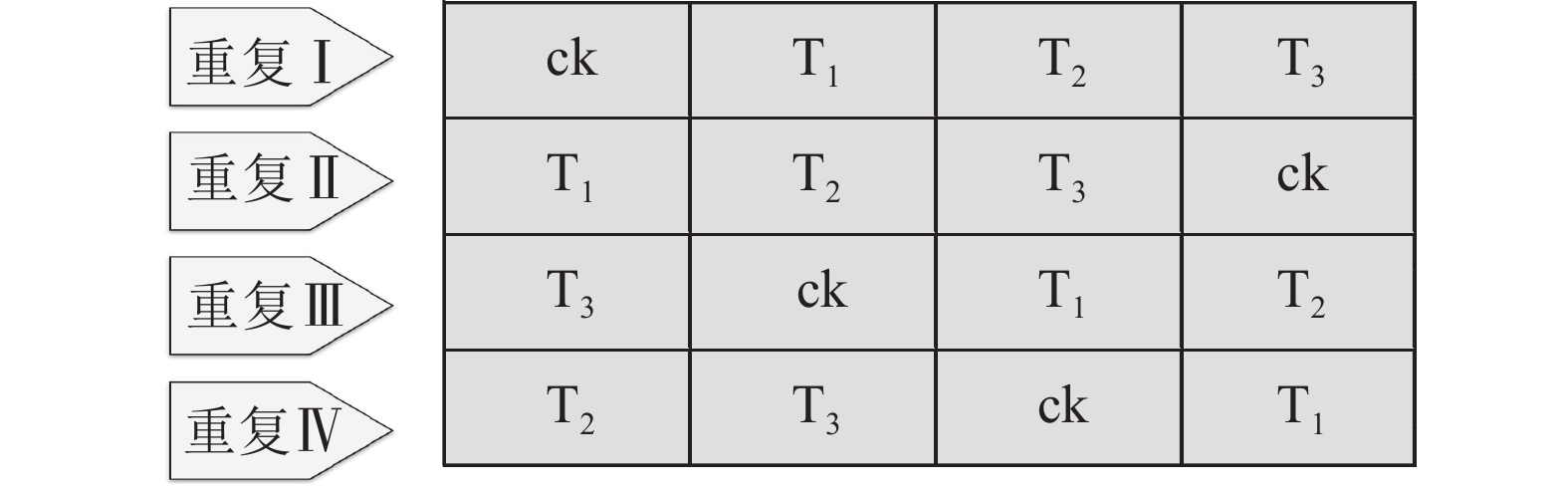
    • 采用随机区组试验设计,设3种修枝处理和1个对照,即低强度修枝(修去树高1/3以下的枝条,T1)、中强度修枝(修去树高1/2以下的枝条,T2)、高强度修枝(修去树高2/3以下的枝条,T3)以及不修枝(对照,ck)共4个处理。各处理均为 9行72 株小区,设4次重复(图1)。
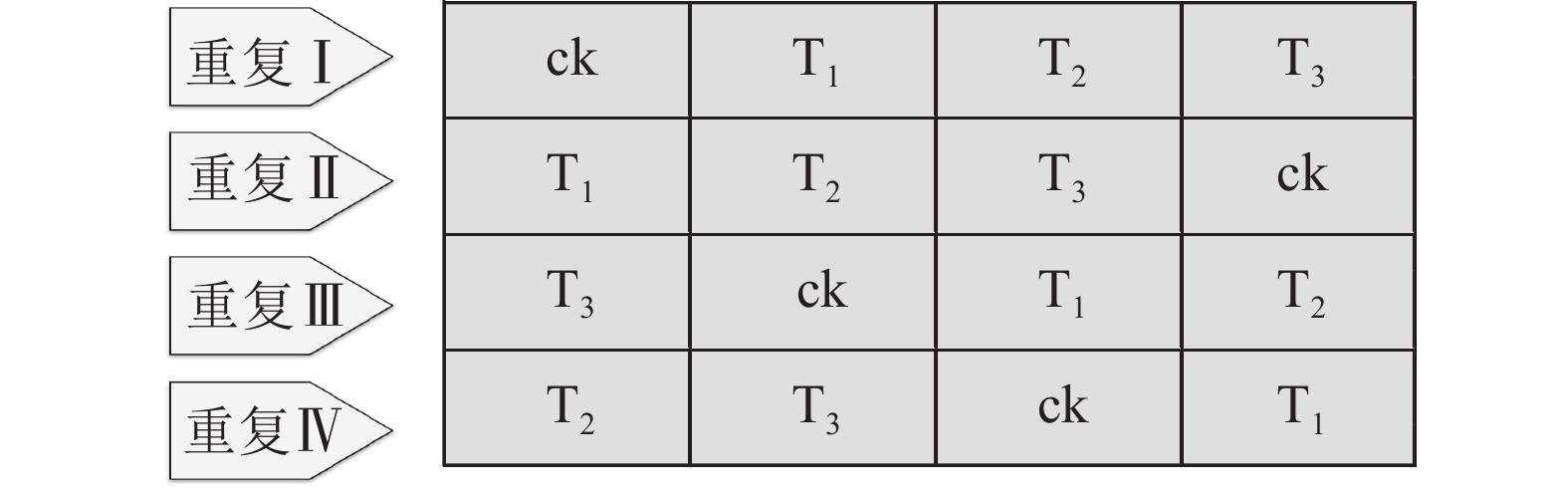
      Figure 1.  Schematic diagram of the E. fordii pruning experiment design

    • 修枝前对试验区全园进行测定,分别用伸缩式测高杆测量树高和枝下高,直径卷尺测量胸径,皮卷尺测量冠幅(采用东西、南北方向冠幅的平均值)。修枝采用锯子或修枝剪刀(大枝用锯子,小枝用剪刀,不留桩)按照修枝设计要求紧贴主干修除枝条,修枝伤口统一不做任何处理。修枝后每年的11—12月测量相同的生长指标,连续4 a。采用Excel 2019 进行数据处理并绘制图表,采用SPSS 23.0 进行方差分析及最小显著性差异法(LSD) 进行多重检验,其中枝下高采用地上第1个活枝高度,冠高为树高与枝下高之差,冠高率为冠高与树高之比,高径比为树高与胸径之比。

    • 格木二元立木材积计算公式[16] 为:

      式(1)中:V 为格木单株材积;D为单株胸径;H为树高。

      胸高形数计算公式为:

      式(2)中 :f1.3 为胸高形数;V为标准木单株材积;h 为标准木树高。

      格木树高增率、胸径增率、材积增率、冠幅增率的计算公式为:

      式(3)~(6)中:PH为树高增率(%);PD为胸径增率(%);PV为材积增率(%);PC为冠幅增率(%);H2为当年树高;H1为前一年度树高;D2为当年胸径;D1为前一年度胸径;V2为当年材积;V1为前一年度材积;C2为当年冠幅;C1为前一年度冠幅。

      格木高径比和胸高形数变化量计算公式:

      式(7)~(8)中:ΔH/D为格木高径比变化量(%);Δf1.3为胸高形数变化量(%);A2为当年高径比;A1为前一年度高径比;f2当年胸高形数;f1为前一年度胸高形数。

    • 分析结果(表2)表明:修枝第1年,树高增率从大到小依次为修枝T1、ck、T2、T3,其中T1和ck间无显著差异,T1和ck显著大于T2和T3 (P<0.05),T2与T3无显著差异。修枝第2年,各修枝处理间树高增率差异不显著。修枝第3年,树高增率从大到小依次为T1、ck、T2、T3,其中T1、ck和T2三者之间无显著差异,T3显著小于T1和ck (P<0.05),与T2差异不显著。修枝第4年,各修枝处理间树高增率差异不显著。年均树高增率从大到小依次为T1、ck、T2、 T3,其中T1、ck和T2三者之间无显著差异,T3显著小于T1和ck (P<0.05),与T2差异不显著。这说明低强度的修枝对树高的生长促进作用不显著,而高强度的修枝对树高的生长存在显著的抑制作用,修枝对树高的影响主要体现在第1年和第3年。

      修枝处理 修枝后不同时间的树高增率/%
      第1年 第2年 第3年 第4年 年均
      ck 26.205±9.125 a 17.021±7.197 a 6.578±4.328 a 6.612±4.444 a 13.755±3.011 a
      T1 26.780±9.509 a 16.132±8.017 a 6.923±5.291 a 6.948±5.286 a 13.812±3.826 a
      T2 24.289±7.968 b 17.072±7.672 a 6.310±4.040 ab 6.747±4.458 a 13.281±3.16 ab
      T3 23.781±9.673 b 17.511±8.542 a 5.515±4.472 b 6.117±6.475 a 12.905±3.978 b
        说明: 数据为平均值±标准差。不同小写字母表示同一时间不同处理间差异显著(P<0.05)。

      Table 2.  Effects different intensities of pruning on tree height growth of E. fordii

    • 分析结果(表3)表明:修枝后第1年,格木胸径增率从大到小依次为T1、 T2、ck、T3, T1显著大于ck和T3 (P<0.05),与T2差异不显著,T2显著大于ck和T3 (P<0.05),ck与T3差异不显著。修枝后第2年、第3年、第4年,各处理间差异均不显著。年均胸径增率从大到小依次为T1、 T2、T3、ck,T1和T2显著大于T3和ck (P<0.05),T1与T2间无显著差异,T3与ck间无显著差异。这表明中低强度修枝对胸径的生长有显著的促进作用,修枝对胸径生长的影响主要体现在修枝第1年,第2~4年后影响不显著。

      修枝处理 修枝后不同时间的胸径增率/%
      第1年 第2年 第3年 第4年 年均
      ck 23.341±10.404 b 10.415±6.251 a 6.984±5.204 a 4.904±4.143 a 11.173±4.497 a
      T1 27.154±11.983 a 11.455±6.729 a 7.343±5.237 a 4.603±3.542 a 12.323±4.979 b
      T2 25.912±10.918 a 11.609±5.659 a 7.195±4.799 a 5.343±3.986 a 12.219±4.509 b
      T3 21.591±11.970 b 11.574±6.280 a 7.105±5.121 a 5.454±4.401 a 11.176±4.842 a
        说明: 数据为平均值±标准差。不同小写字母表示同一时间不同处理间差异显著(P<0.05)。

      Table 3.  Effects different intensities of pruning on DBH growth of E. fordii

    • 结果 (表4) 表明:修枝第1年,材积增率从大到小依次为T1、T2、ck、T3,T1显著大于T2、ck和T3 (P<0.05),T2与ck无显著差异,但显著大于T3 (P<0.05),ck显著大于T3。修枝第2年,材积增率从大到小依次为T3、 T2、T1、ck,T3显著大于ck (P<0.05),与T1和T2差异均不显著,T2、T1和ck之间差异不显著。修枝第3年和第4年,各处理间差异均不显著。年均材积增率从大到小依次为T1、T2、ck、T3,T1、T2和ck三者之间差异不显著,T1和T2显著大于T3 (P<0.05),T3与ck差异不显著。由此可知:低强度修枝对材积的生长有一定的促进作用,高强度修枝对材积的生长有一定的抑制作用,修枝对材积的影响主要体现在修枝第1年,之后相对减弱,修枝后第3年和第4年不同修枝强度对材积的影响不显著。

      修枝处理 修枝后不同时间的材积增率/%
      第1年 第2年 第3年 第4年 年均
      ck 66.262±19.182 b 34.110±23.953 a 19.403±18.529 a 15.164±9.686 a 29.310±7.176 ab
      T1 72.897±23.615 a 35.519±19.555 ab 19.982±13.114 a 14.975±9.516 a 30.485±8.246 a
      T2 68.162±22.348 b 36.615±20.789 ab 19.568±15.979 a 16.294±9.257 a 30.164±7.618 a
      T3 59.388±28.491 c 39.202±17.817 b 16.207±38.667 a 15.971±38.143 a 28.509±8.183 b
        说明: 数据为平均值±标准差。不同小写字母表示同一时间不同处理间差异显著(P<0.05)。

      Table 4.  Effects different intensities of pruning on volume growth of E. fordii

    • 结果(表5)表明:修枝第1年,冠幅增率从大到小依次为ck、T2、T1、T3,T2与ck差异不显著,T1和T3显著小于ck (P<0.05)。修枝第2年,冠幅增率出现负增长,从大到小依次为T3、T2、T1、ck,且各修枝处理均显著大于ck (P<0.05)。修枝第3年,冠幅增率从大到小依次为ck、T2、T3、T1,T3和T1显著小于ck (P<0.05)。修枝第4年,各修枝处理间差异不显著。年均冠幅增率从大到小依次为T3、T2、ck、T1, T3和T2显著大于T1 (P<0.05),但各修枝处理与ck差异均不显著。由此看出:修枝后前3年对冠幅的生长有很大的影响,但修枝第1年冠幅不降反增且影响的强度不是随着修枝强度而加强,修枝第2年冠幅出现负向增长,且随着修枝强度负向增长减弱,这说明修枝主要是提供林间空间,进而对枝条的增长有一定的促进作用,但同时受林间郁闭度的影响。

      修枝处理 修枝后不同时间的冠幅增率/%
      第1年 第2年 第3年 第4年 年均
      ck 10.586±13.998 a −14.474±20.606 a 3.592±20.937 a 8.168±16.218 a 7.667±21.994 ab
      T1 6.696±23.157 bc −10.492±20.552 b −2.684±15.889 c 10.378±15.170 a 3.891±22.848 a
      T2 10.181±20.874 ba −8.759±17.035 b 1.271±19.005 ab 6.447±16.851 a 8.992±23.678 b
      T3 3.093±20.165 c −2.321±16.035 c −0.335±19.307 bc 8.733±20.136 a 9.184±24.978 b
        说明: 数据为平均值±标准差。不同小写字母表示同一时间不同处理间差异显著(P<0.05)。

      Table 5.  Effects different intensities of pruning on crown width growth of E. fordii

    • 分析结果(表6)表明:修枝第1年,高径比变化量从大到小依次为ck、T3、T1、T2,T3与ck无显著差异,T1和T2显著小于ck (P<0.05),T3显著大于T2 (P<0.05),与T1无显著差异,T1与T2差异不显著。修枝第2年,高径比变化量从大到小依次为ck、T2、T3、T1,各修枝处理间差异不显著。修枝第3年,高径比变化量从大到小依次为T1、T3、ck、T2,各修枝处理间差异不显著。修枝第4年,高径比变化量从大到小依次为T1、ck、T2、T3,各修枝处理间差异同样不显著。年均高径比变化量从大到小依次为ck、T3、T1、T2,T1、T2和T3显著小于ck (P<0.05),T3、T1和T2之间无显著差异。这说明修枝降低高径比。

      修枝处理 修枝后不同时间的高径比变化量/%
      第1年 第2年 第3年 第4年 年均
      ck 2.950±12.540 a 9.908±55.405 a −3.793±55.090 a 1.705±6.023 a 2.693±4.410 a
      T1 −0.253±12.283 bc 4.140±9.275 a 0.186±8.396 a 1.979±5.985 a 1.513±4.140 b
      T2 −1.650±11.524 c 9.090±50.694 a −4.585±50.033 a 1.422±5.156 a 1.069±3.999 b
      T3 1.572±13.049ab 5.998±11.44 7a −1.397±13.146 a 0.577±14.909 a 1.688±4.354 b
        说明: 数据为平均值±标准差。不同小写字母表示同一时间不同处理间差异显著(P<0.05)。

      Table 6.  Effects different intensities of pruning on height-diameter ratio of E. fordii

      修枝第1年,胸高形数变化量从大到小依次为T3、ck、T2、T1,T3显著大于ck、T2和T1 (P<0.05),T2与ck差异不显著,T1显著小于ck (P<0.05),T2与T1不显著(表7)。修枝第2年,胸高形数变化量从大到小依次为ck、T2、T1、T3,各修枝处理间差异不显著。修枝第3年,胸高形数变化量从大到小依次为T3、T1、ck、T2,各修枝处理间差异不显著。修枝第4年,胸高形数变化量从大到小依次为T1、ck、T2、T3,各修枝处理间差异同样不显著。年均胸高形数变化量从大到小依次为T3、ck、T2、T1,T3与ck无显著差异,但显著大于T2和T1 (P<0.05),T2与ck差异不显著,T1显著小于ck (P<0.05),T2与T1间无显著差异。这表明中低强度修枝可降低胸高形数。

      修枝处理 修枝后不同时间的胸高形数变化量/%
      第1年 第2年 第3年 第4年 年均
      ck −2.694±0.980 b −1.133±1.825 a −0.808±1.748 a −0.531±0.386 a −1.291±0.447 bc
      T1 −3.089±1.268 a −1.285±0.816 a −0.749±0.565 a −0.510±0.335 a −1.408±0.519 a
      T2 −2.879±1.109 ab −1.243±1.639 a −0.821±1.564 a −0.575±0.357 a −1.379±0.461 ab
      T3 −2.453±1.438 c −1.406±0.835 a −0.620±1.963 a −0.640±2.013 a −1.280±0.511 c
        说明: 数据为平均值±标准差。不同小写字母表示同一时间不同处理间差异显著(P<0.05)。

      Table 7.  Effects different intensities of pruning on breast height form factor of E. fordii

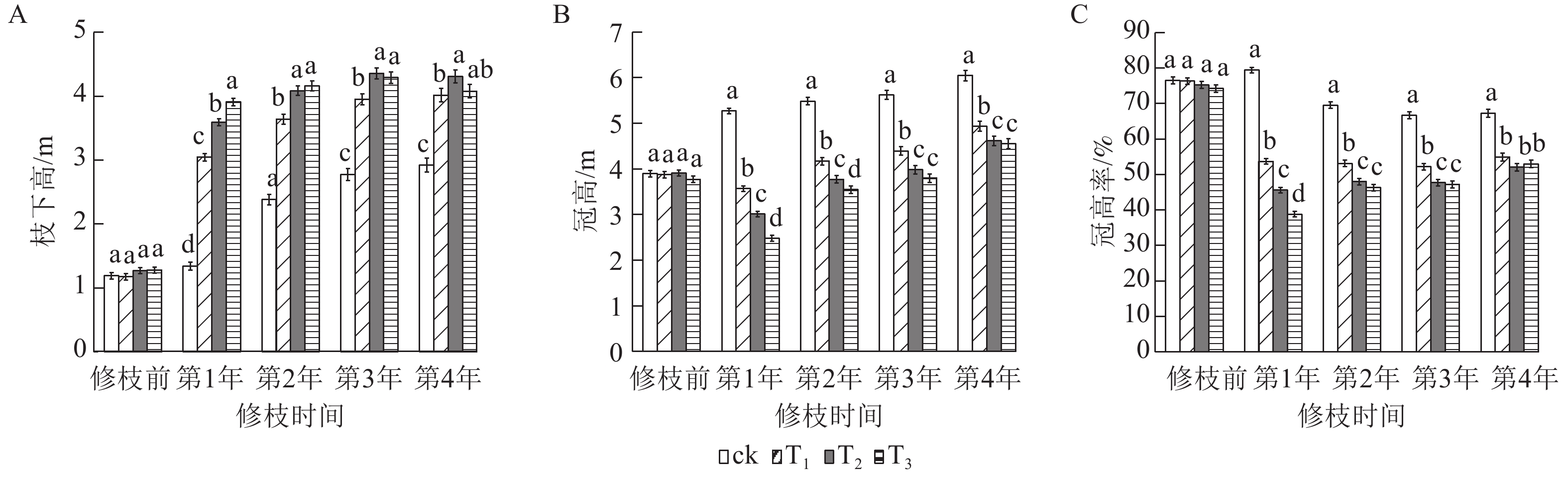
    • 图2可知:修枝前各处理间枝下高、冠高及冠高率差异不显著,修枝后各修枝处理与ck在各年度均存在极显著差异。修枝后第1年和第2年,枝下高从大到小依次为T3、T2、 T1、ck;修枝后第3年和第4年,枝下高从大到小依次为T2、T3、T1、ck;T1、T2和T3各年度枝下高分别高于对照126.73%、167.46%、191.06%(修枝后第1年),52.91%、71.65%、74.84%(修枝后第2年),42.38%、57.08%、54.67%(修枝后第3年),37.50%、47.71%、39.62%(修枝后第4年)。修枝后连续第4年,冠高从大到小依次均为ck、T1、T2、T3,T1、T2和T3各年度冠高分别低于对照32.29%、42.82%、52.96%(修枝后第1年),24.00%、31.21%、35.32%(修枝后第2年),21.85%、29.16%、32.42%(修枝后第3年),18.33%、23.66%、24.7%(修枝后第4年)。修枝后第1年、第2年和第3年,冠高率从大到小依次为ck、T1、T2、T3。修枝后第4年,冠高率从大到小依次为ck、T1、T3、T2。T1、T2和T3各年度冠高率分别低于对照32.36%、42.57%、51.13% (修枝后第1年),23.60%、30.93%、33.38% (修枝后第2年),21.73%、28.48%、29.23% (修枝后第3年),18.3%、22.47%、21.13% (修枝后第4年)。由此看出:修枝对枝下高、冠高及冠高率均存在显著影响,影响程度随修枝强度的增强而增加,但修枝第2年后对枝下高、冠高、冠高率影响程度随着时间的推移逐渐减弱。
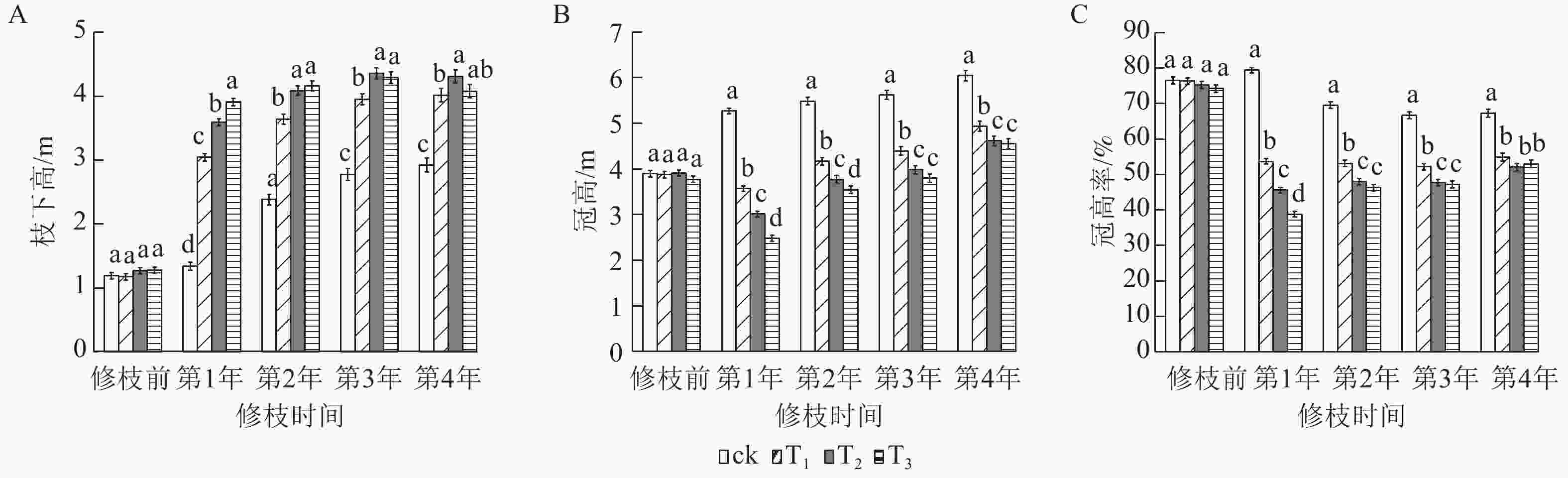
      Figure 2.  Growth and changes in under-branch height, crown height, and crown height rate from 1 to 4 years after different pruning intensities

    • 自然整枝规律是林木人工修枝的重要依据和理论基础。适度修枝去除林木多余阴枝,减少营养消耗,有利于营养物质的再分配;同时林木修枝后可能存在补偿机制,即林木修枝受到创伤后,对物质积累产生不利影响,但林木可通过提高光合效率进行补偿[1718]。本研究结果表明:低强度修枝对胸径和材积有显著促进作用,这与欧建德等[19]对南方红豆杉和杨康等[20]对水曲柳Fraxinus mandshurica的研究结果相似。这可能源于格木光合产物向主干的再分配,与“资源最优分配假说”一致[21]。适度减少冗余枝叶后,树木将光合产物优先分配至主干生长,从而显著提升胸径和材积增率,表明低强度修枝通过优化碳分配促进干材生长。然而,高强度修枝过度移除冠层枝叶,光合面积不足削弱光合能力,导致碳固定不足,从而显著抑制树高生长。这与孙尚伟[22]对欧美杨Populus × euramericana的研究结论一致。值得注意的是,高强度修枝对树高的抑制效应在第1年和第3年尤为明显。这可能因为第1年为伤口修复高峰期,碳优先用于愈合,第3年可能因新叶尚未完全覆盖,光合恢复未达稳定,导致二次资源竞争。

    • 修枝后冠幅的负增长及枝下高的显著提升反映了树木对空间竞争的适应性调整,即林分郁闭度升高,个体间竞争加剧,抑制冠层扩展。高强度修枝通过降低冠层郁闭度,迫使树木减少侧枝生长以集中资源维持主干优势。第2年冠幅负增长随修枝强度增加而减弱的现象,可能是由于修枝改变了树木的光照条件和养分分配,使得树木将更多的资源用于主干生长,而限制了侧枝的生长,从而导致冠幅增长受到抑制。但随着修枝强度的增强,树木的光照和通风条件进一步改善,可能在一定程度上缓解了冠幅的负向增长。前人在杉木修枝研究中得出过相似结论[23]。同时,修枝后冠幅的补偿性恢复提示格木具有较强的生态可塑性,可通过调整枝条空间分布适应资源变化。

    • 低强度修枝降低胸高形数的现象表明:早期修枝可能通过改变形成层活动影响木材形态。这与刘球等[24]对托里桉Corymbia torelliana的研究结果一致。推测与光合产物优先分配至径向生长而非干形优化有关。高径比的降低反映了修枝对树形的调控作用,表现出径向生长率大于高生长率,这可能与格木的生长特性有关。唐继新等[25]对30年生格木人工林生长规律的研究表明:格木胸径生长量的速生期在第7~25年,高生长的速生期在第4~21年。4年生的格木通过低强度的修枝可能会短暂地促进径向生长,使得径向生长的速生期提前。本研究低强度修枝降低了高径比和胸高形数,很大程度上是因为低强度修枝促进了径向生长,降低了高径比和胸高形数,早期不利于中幼林格木的饱满度。修枝后第3、第4年中强度修枝的枝下高大于高强度修枝和第4年高强度修枝的冠高率大于中强度修枝,可能与高强度修枝可促进萌枝有关。

      综合生长与形质指标可知:低强度修枝在胸径(年均增率12.32%)、材积(年均增率30.49%)和枝下高(年均提升42.38%)间实现了最佳平衡。这一结论与杨树修枝试验的推荐标准一致[13],验证了低强度修枝在培育优质大径材中的普适性。本研究未涉及修枝对木材解剖结构(如管胞长度、纤维含量)及抗逆性(如病虫害抗性)的长期影响。未来需结合木材科学与生理生态学方法深化研究。此外,格木作为亚热带珍稀树种,其修枝响应可能受立地条件(如土壤肥力、降水)的显著影响,建议开展多区域对比试验以完善技术标准。

    • 低强度修枝可促进树高、胸径和材积生长,其中对胸径和材积的促进作用集中在修枝后第1年;高强度修枝显著抑制树高和材积生长,主要体现在修枝后第1年和第3年。修枝对冠幅的影响呈阶段性,修枝后第1年冠幅变化与修枝强度无明显规律性,第2年出现负增长,且强度越大负增长越弱。第4年冠幅恢复增长。早期修枝会降低高径比和胸高形数,影响树干饱满度,同时显著提高枝下高,降低冠高及冠高率。这些影响在修枝后第2年之后逐渐减弱。修枝对格木生长的影响作用主要集中在修枝后第1年,后续影响减弱,第4年后无显著影响。综合生长和形质指标,低强度修枝能最佳平衡胸径、材积和枝下高的生长,是培育格木大径材的最优选择。

Reference (25)

Catalog

    /

    DownLoad:  Full-Size Img  PowerPoint
    Return
    Return