2026 Vol. 43, No. 3
2026, 43(3): 457-466.
doi: 10.11833/j.issn.2095-0756.20250375
Abstract:
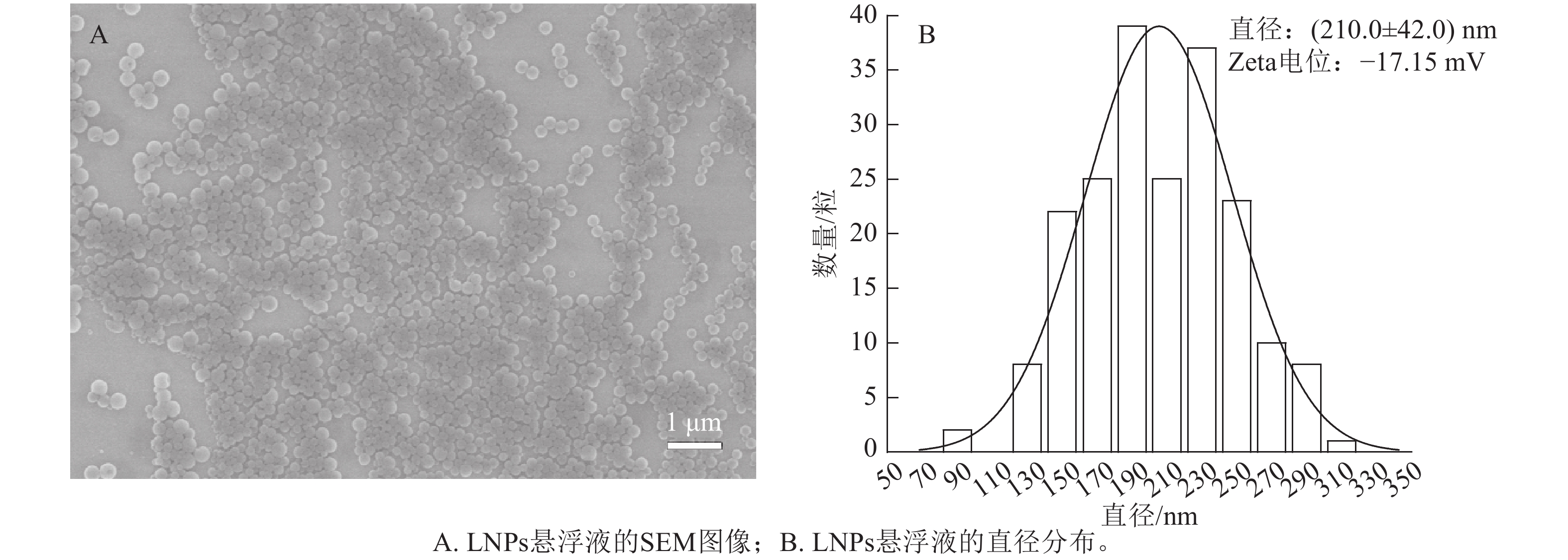
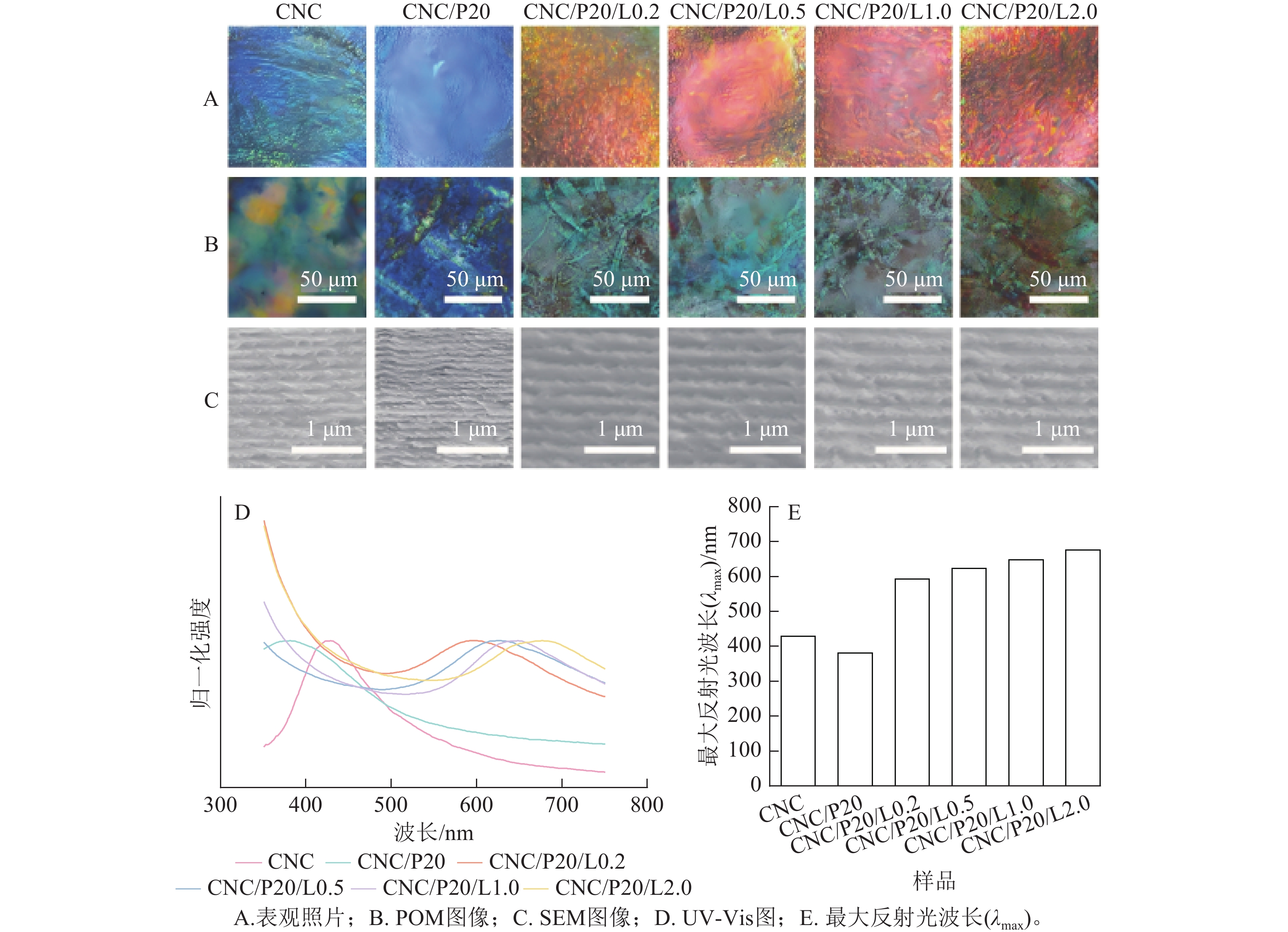
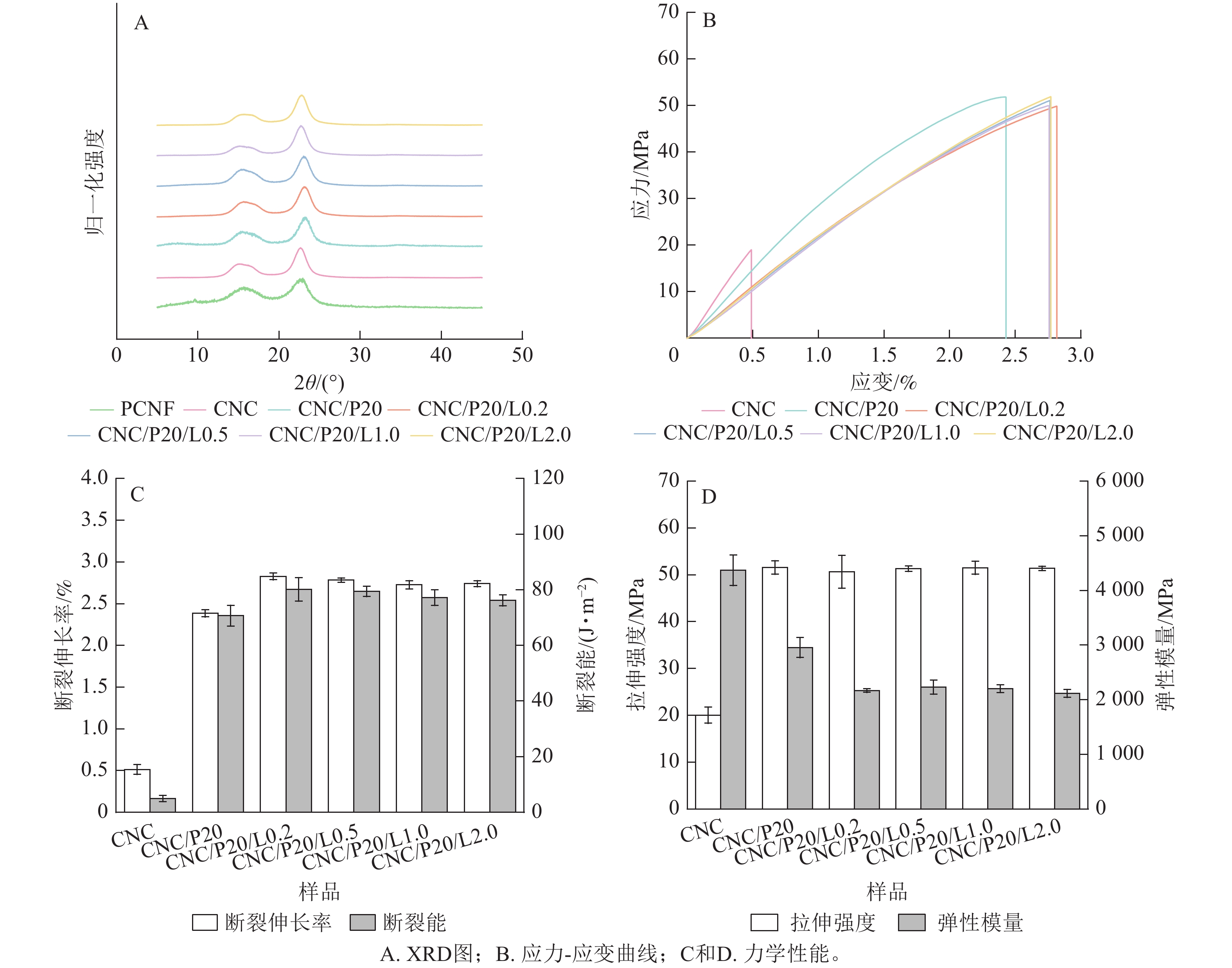
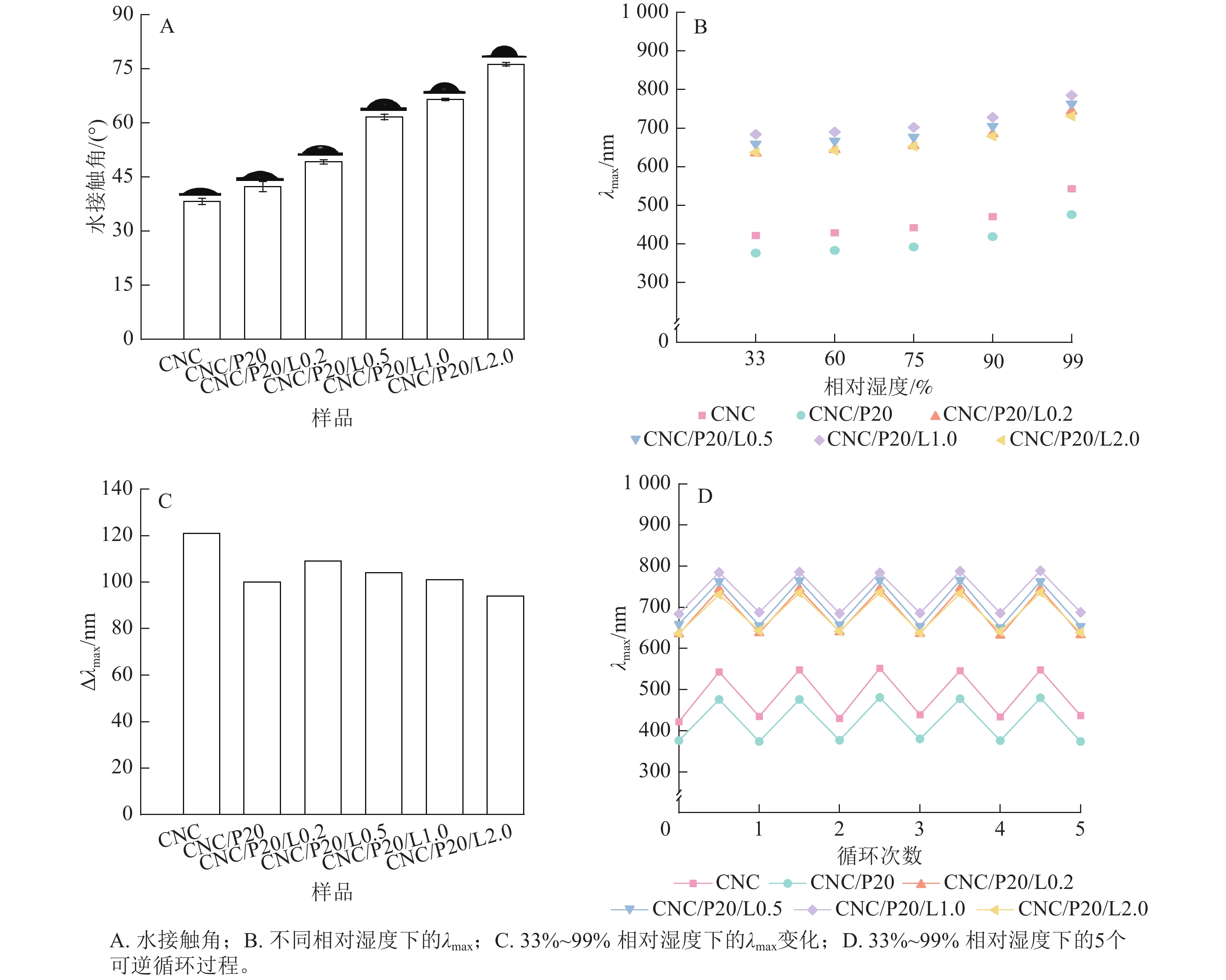
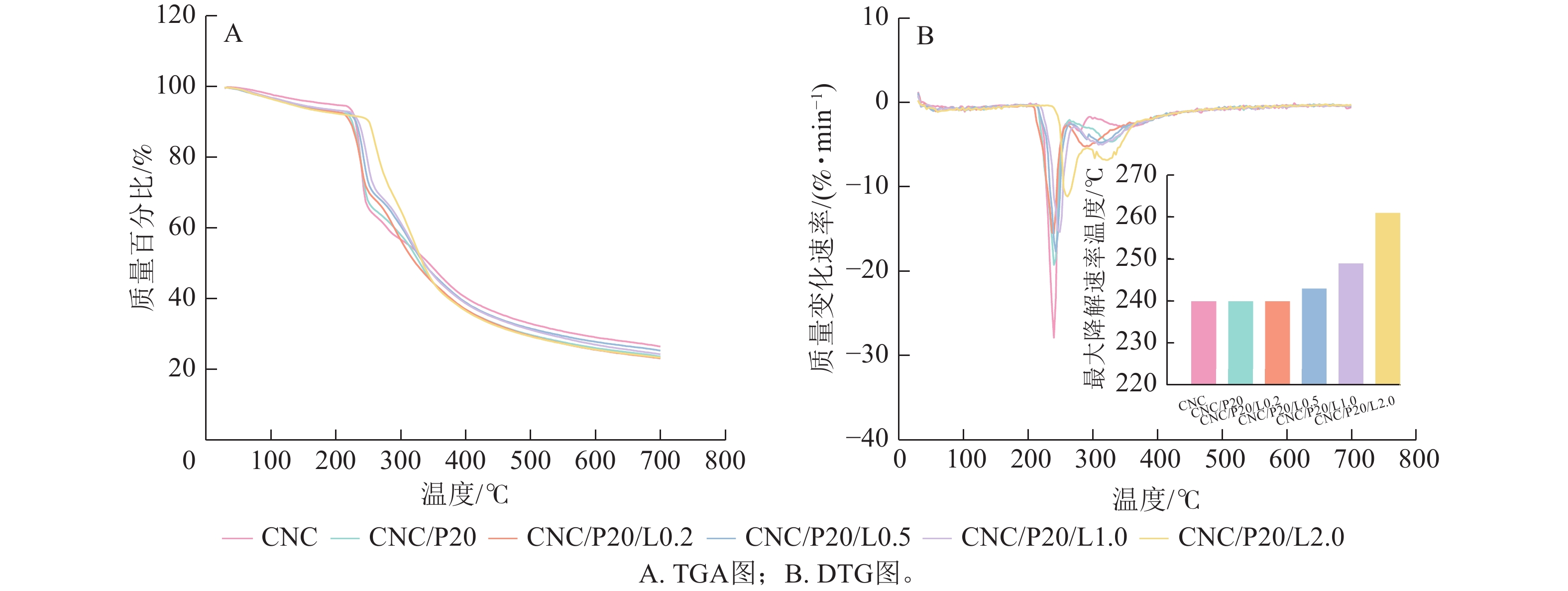
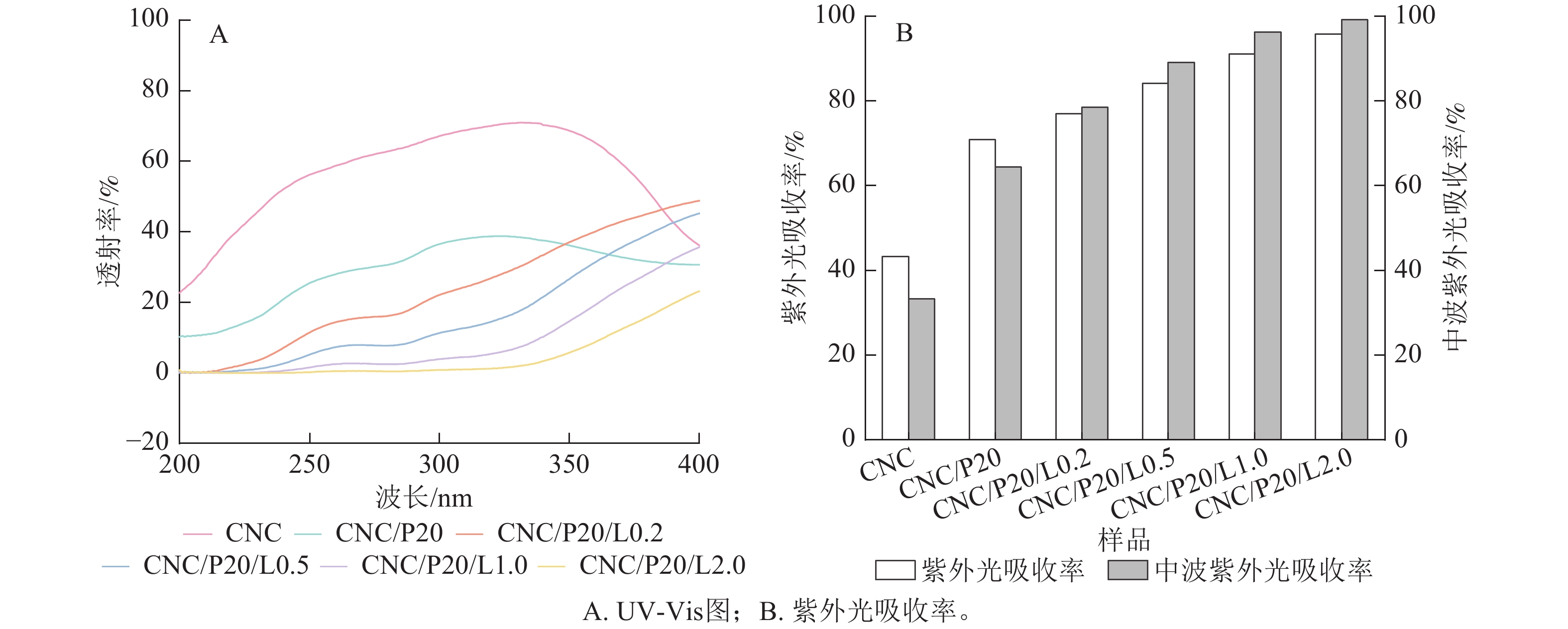
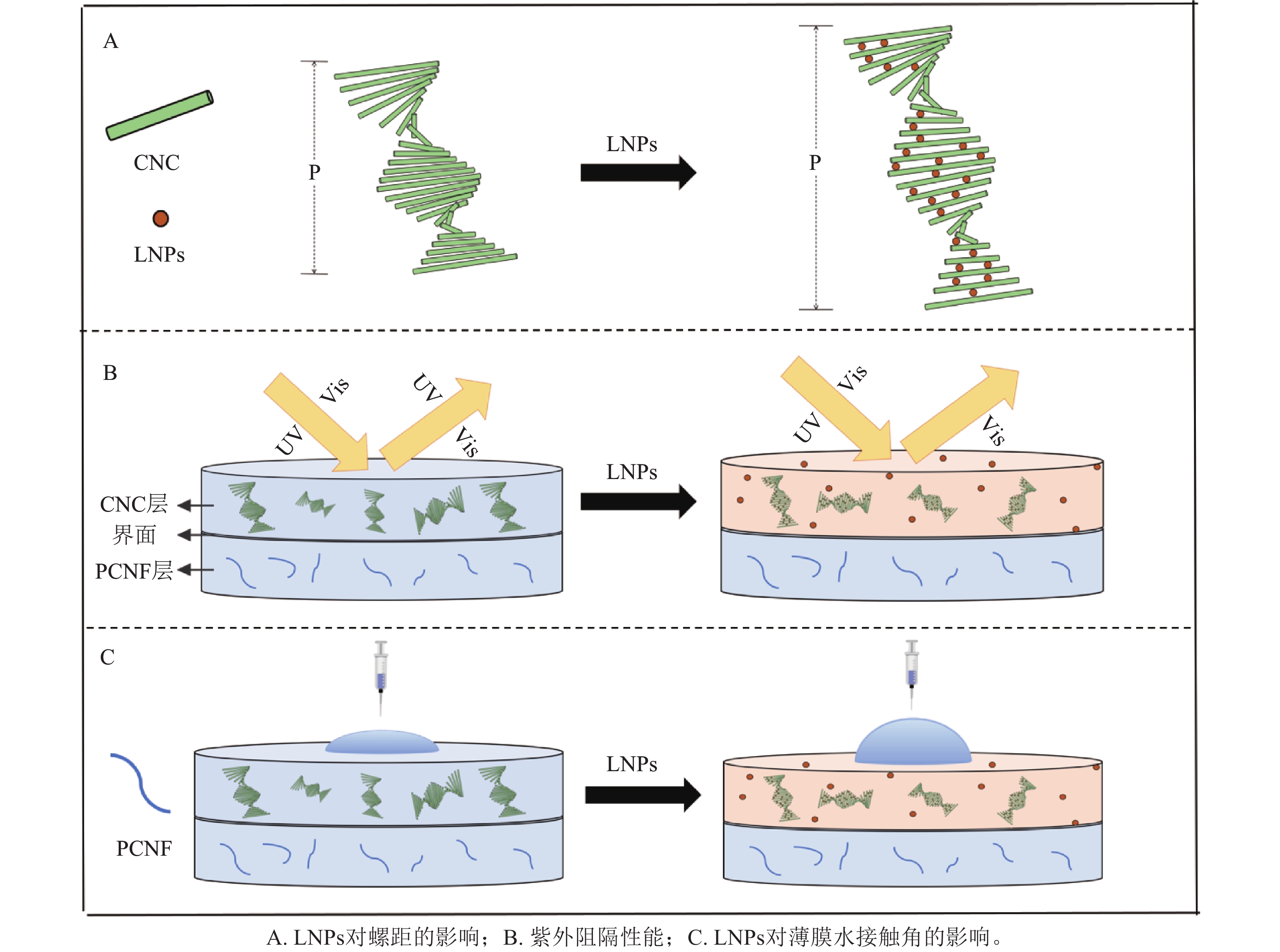
Objective This study aims to prepare a fully biobased composite film with flexible iridescent cellulose nanocrystals (CNC)/phosphorylated cellulose nanofibers (PCNF)/lignin nanoparticles (LNPs), and systematically examine the influence of LNPs mass fraction on the optical properties, morphology, mechanical properties, humidity sensitivity, thermal stability, hydrophobicity, and ultraviolet shielding properties of the composite film. Method Taking CNC as the structural matrix, PCNF as the reinforcing phase, and LNPs as the functional component, a two-step method was employed to prepare a fully biobased, flexible, and iridescent CNC/PCNF/LNPs composite film. Result The structural color and the maximum reflection wavelength (λmax) of the film exhibited a significant redshift with increasing LNPs mass fraction. Hydrophobicity was enhanced, and the water contact angle increased from 39.0° to 76.1°, while humidity sensitivity decreased slightly. Thermal stability improved, with the maximum thermal decomposition temperature rising from 240 ℃ to 261 ℃. Ultraviolet shielding performance was enhanced, and the CNC/P20/L2.0 film (where P20 represented the mass fraction of PCNF relative to CNC as 20.0%, and L2.0 represented the mass fraction of LNPs relative to CNC as 2.0%) achieved UV absorption rates of 95.8% in the ultraviolet region (UV, 200−400 nm) and 99.2% in the mid wave UV region (UVB, 280−320 nm). Conclusion The mass fraction of LNPs can affect the optical properties, morphology, humidity sensitivity, thermal stability, hydrophobicity, and ultraviolet shielding properties of the composite film, but it has little effect on the mechanical properties. [Ch, 7 fig. 26 ref.]
2026, 43(3): 467-476.
doi: 10.11833/j.issn.2095-0756.20250400
Abstract:
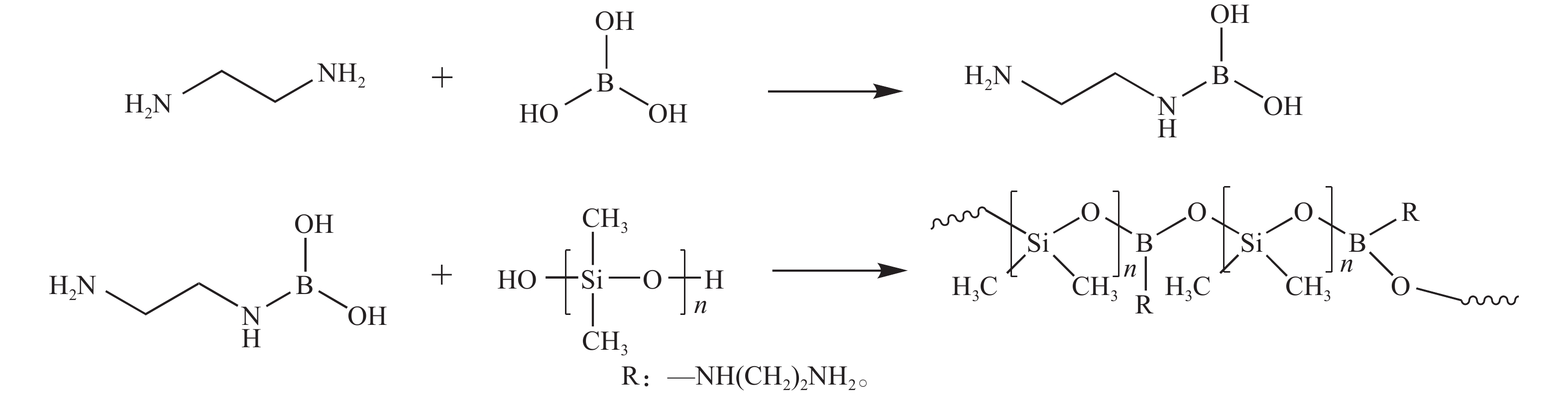
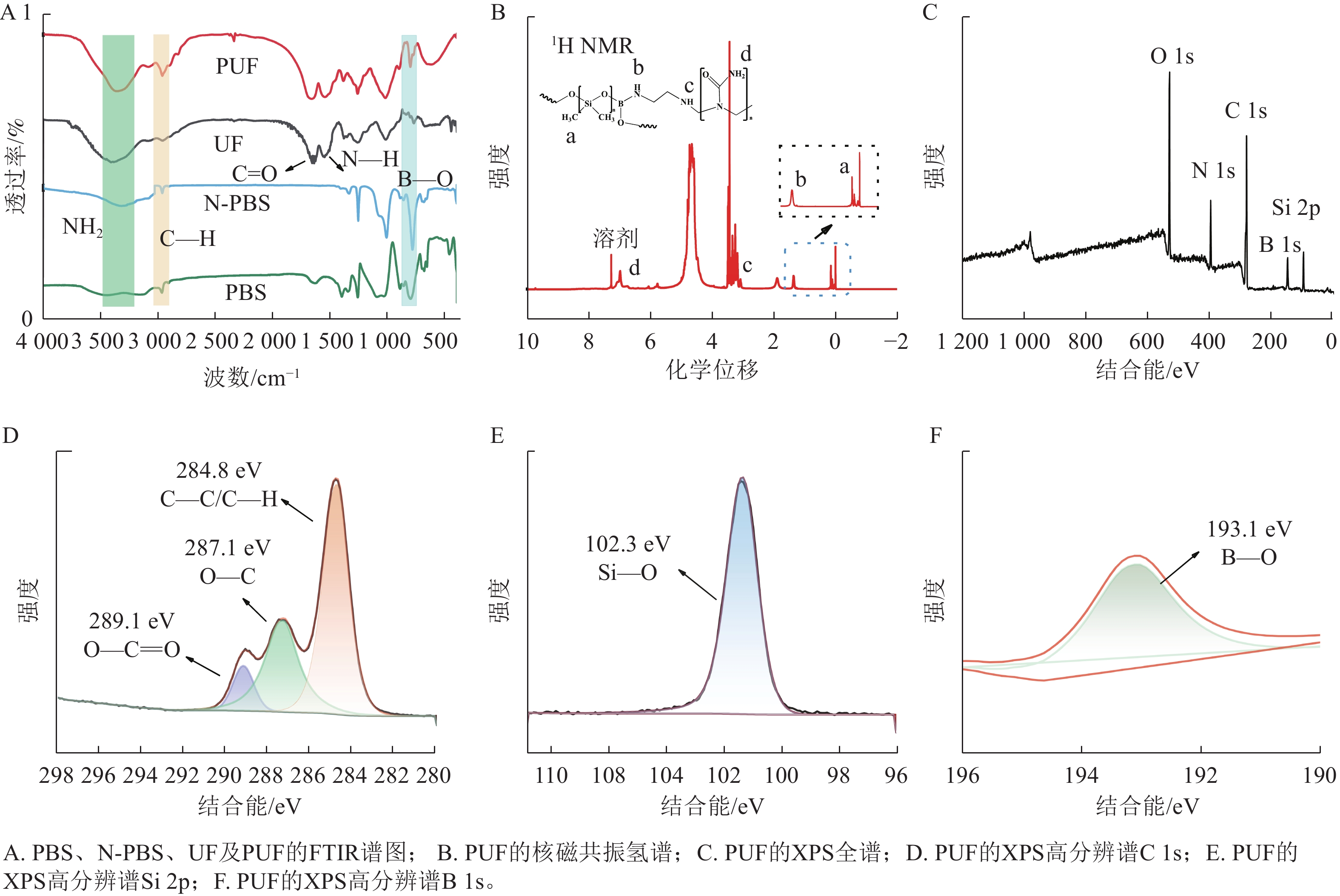
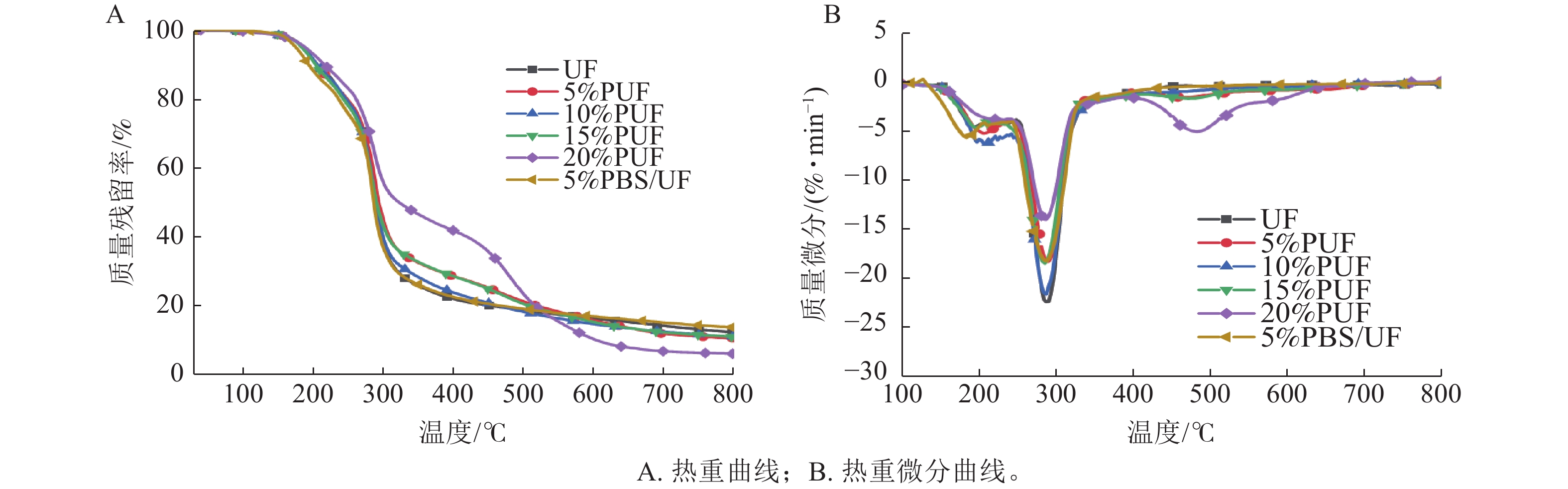
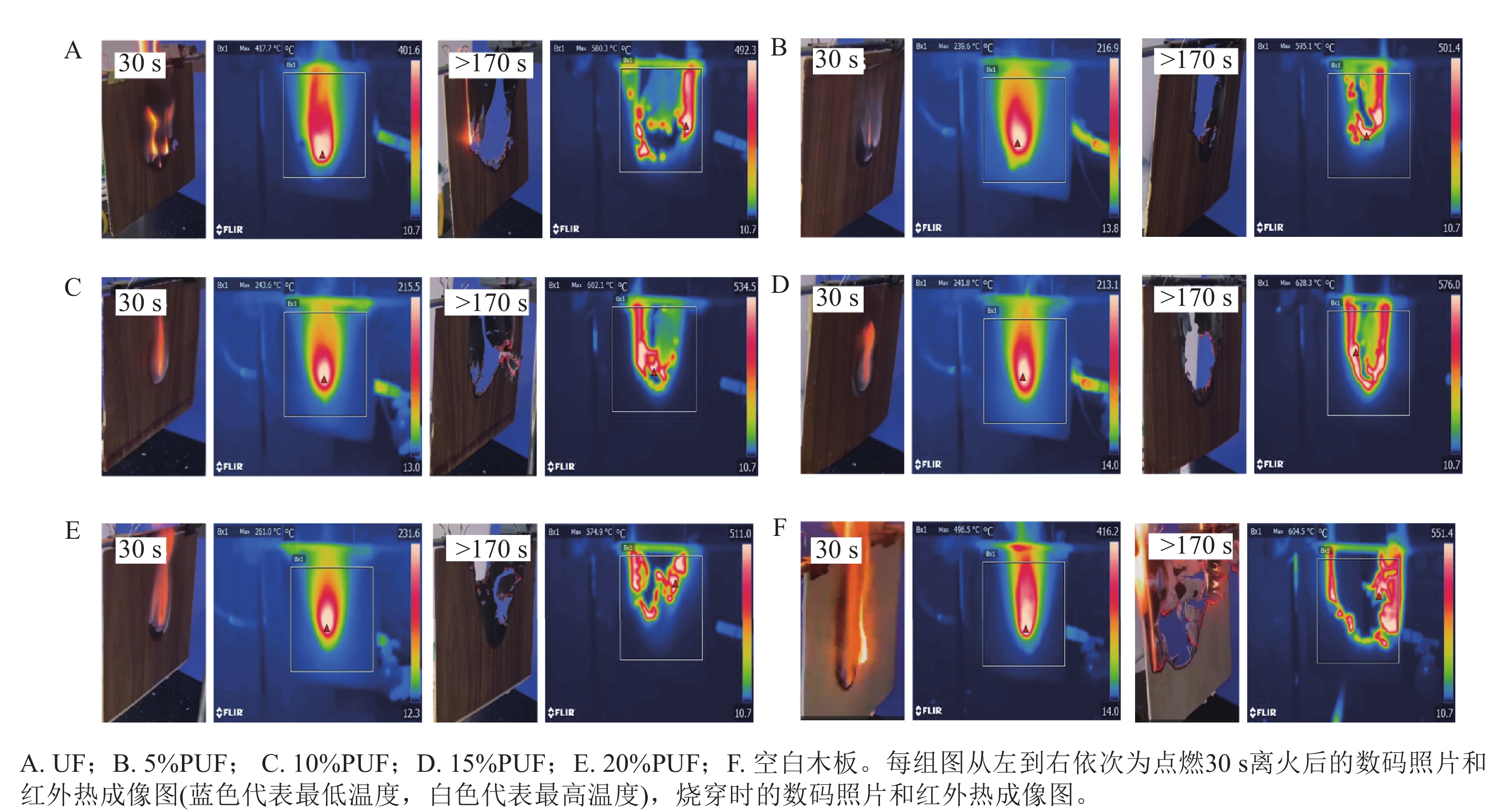
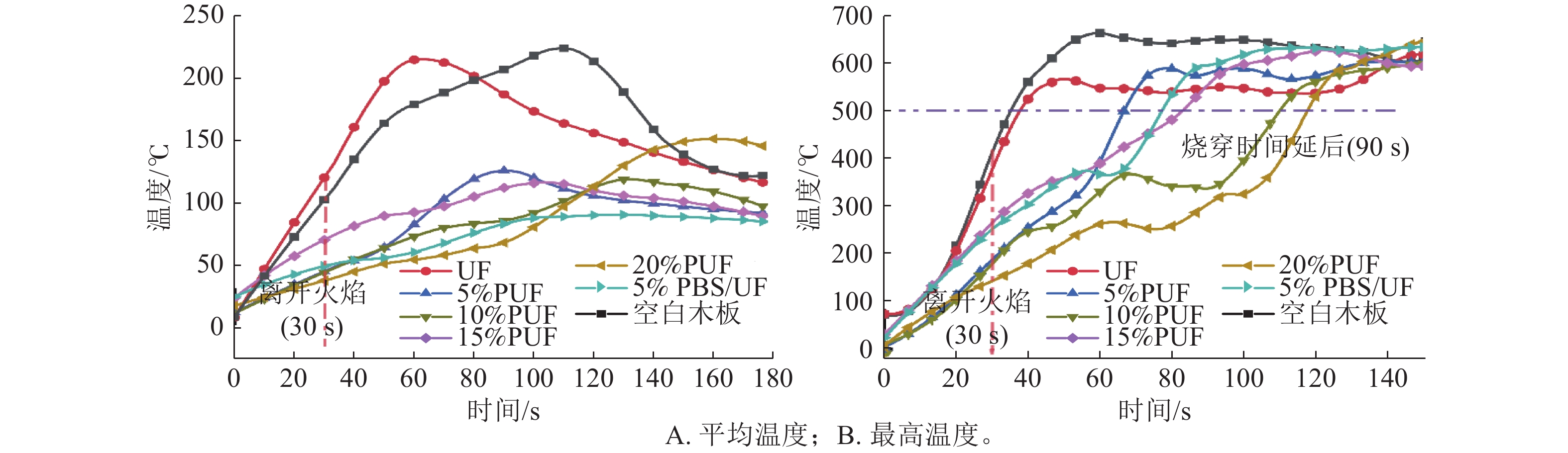
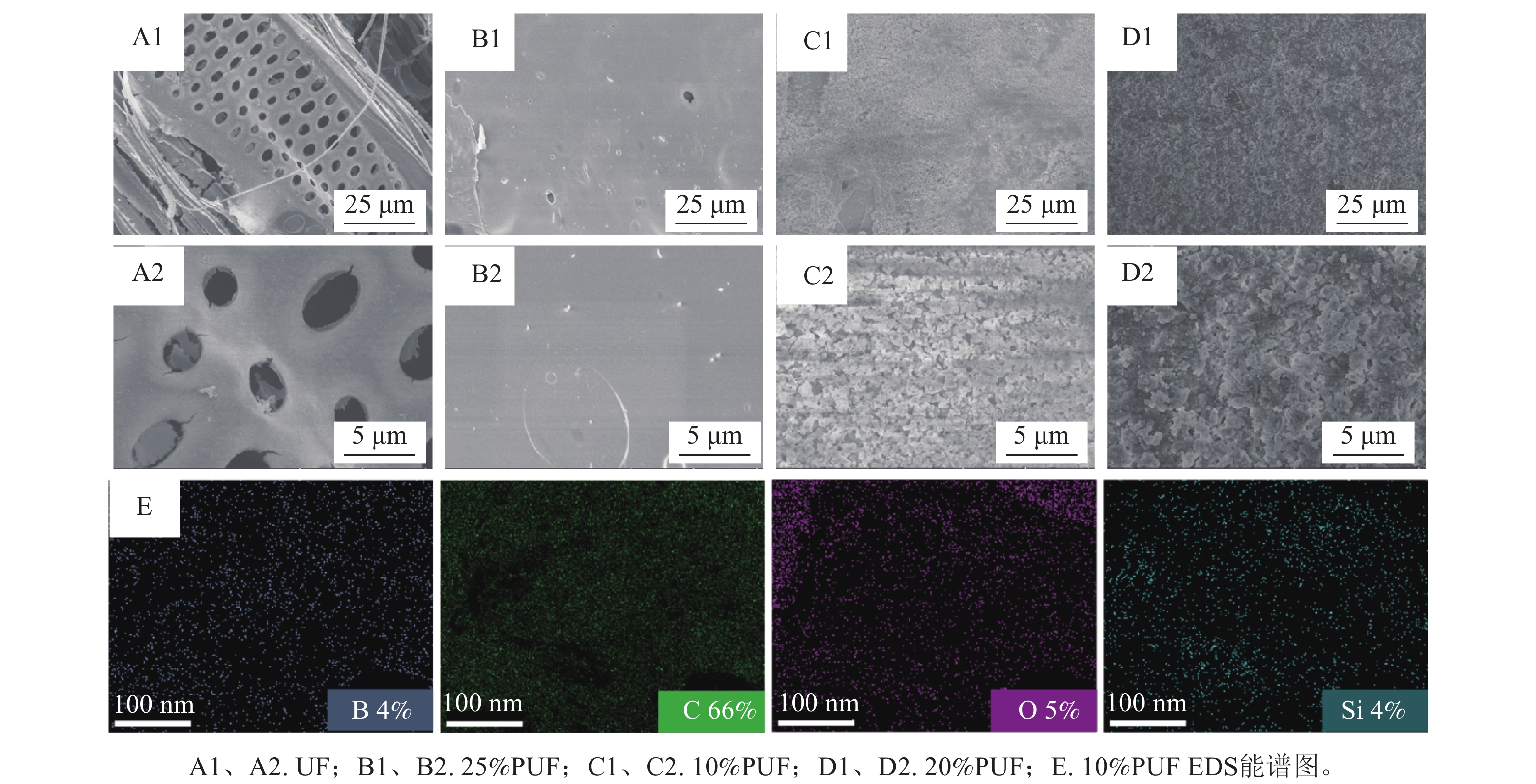
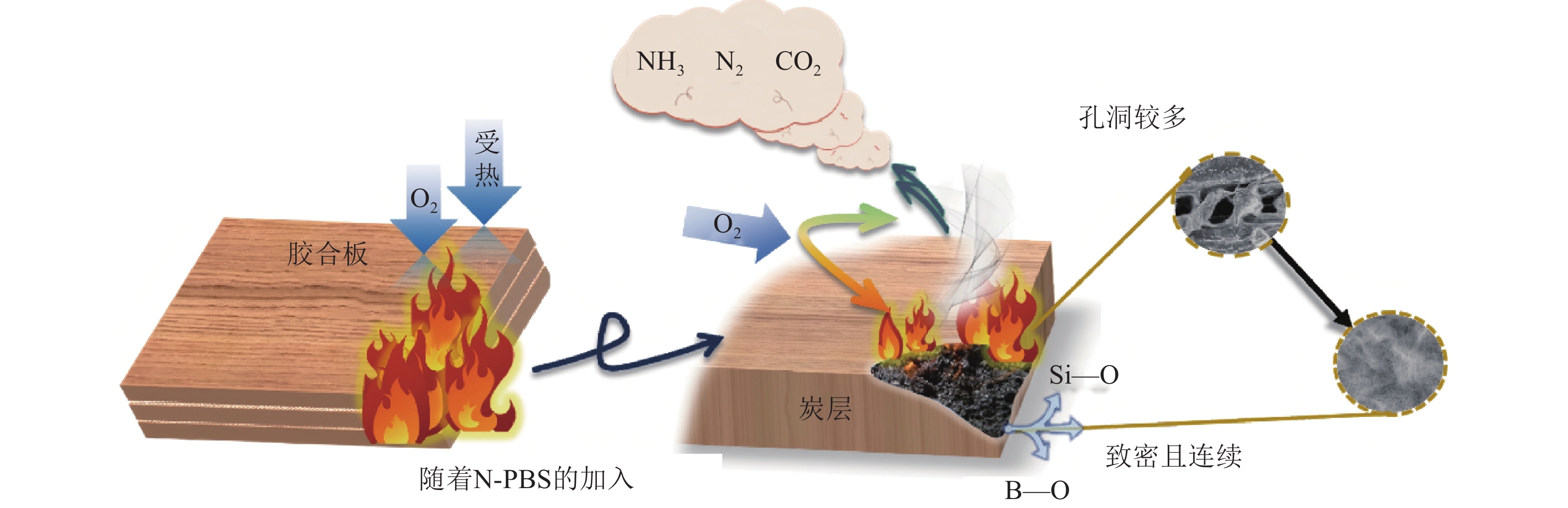
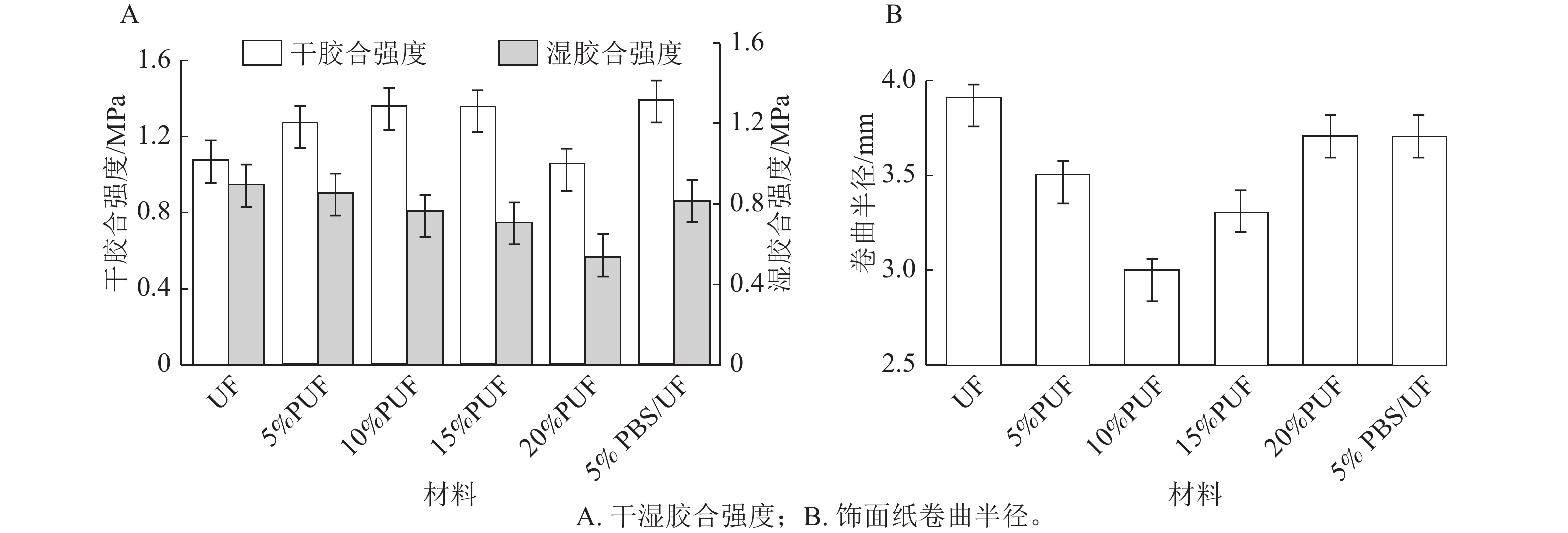
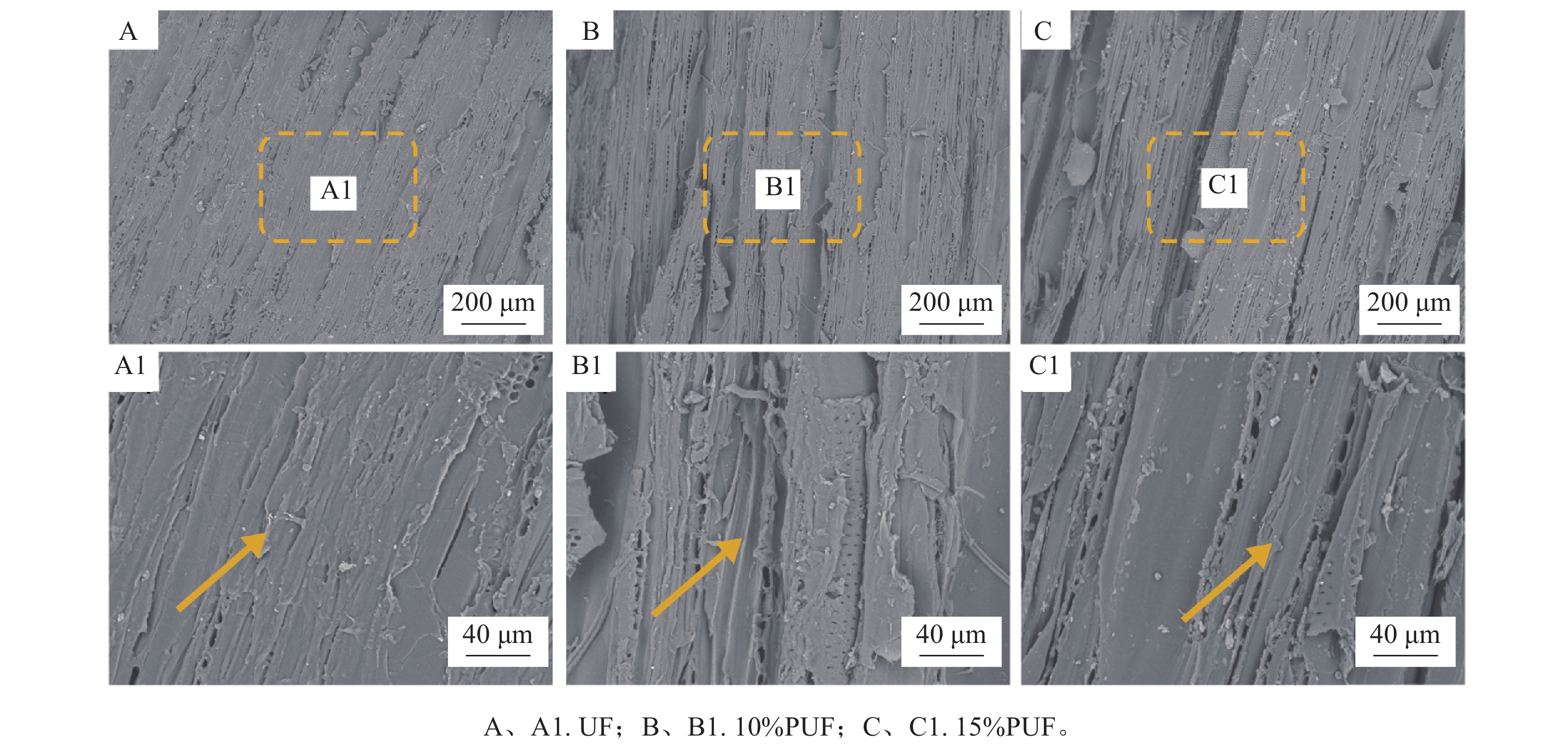
Objective Urea-formaldehyde resin (UF) is widely used in decorative materials such as plywood and decorative paper due to its excellent performance and cost advantages. However, because of the high brittleness and fire safety properties of UF in applications, it is imperative to conduct toughening and flame-retardant modification on such resin to broaden its application scope. Method Amino-grafted polyborosiloxane (N-PBS) was used as a monomer to prepare a N-PBS-modified flame-retardant and toughened UF resin (PUF) via in-situ polymerization. An impregnation adhesive system integrating adhesion, toughness, and flame retardancy was constructed to improve the mechanical properties and flame retardancy of UF. Result Owing to the modification of the UF main chain by the flexible N-PBS segments, PUF-coated decorative panels with 10%N-PBS (10%PUF) exhibited superior mechanical and flame retardant properties compared to pure UF-coated panels. (1) After 30 seconds of flame combustion, the backside temperature of the decorative panel decreased by 78.2 ℃, the burn-through time was delayed by 60 seconds, and the flame self-extinguished upon removal from the fire. (2) The dry bonding strength increased by 27%, and the wet bonding strength met the standards for Type Ⅱ plywood as specified in GB/T 9846−2015. (3) The toughness was improved, as evidenced by a reduction of 0.9 mm in curling radius in a relevant test. Conclusion By introducing N-PBS into the UF structure via in-situ polymerization, the chemical cross-linking is achieved, which significantly enhances the flame retardancy, bonding properties and toughness of UF, thereby providing technical support for enhancing the high value-added applications and expanding the application scope of UF. [Ch, 10 fig. 36 ref.]

2026, 43(3): 477-485.
doi: 10.11833/j.issn.2095-0756.20250349
Abstract:
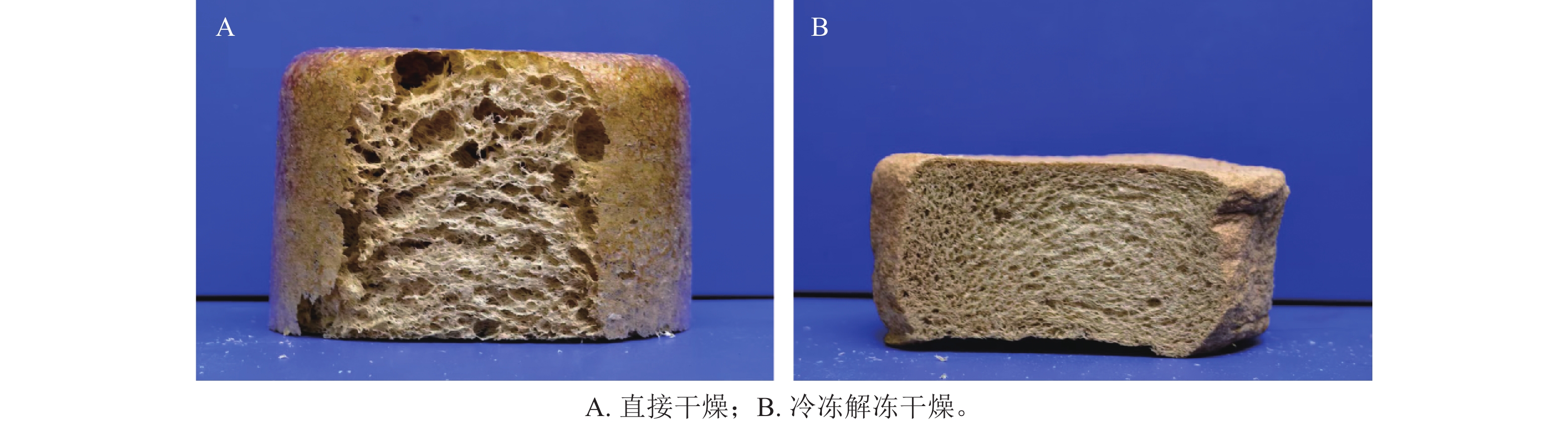
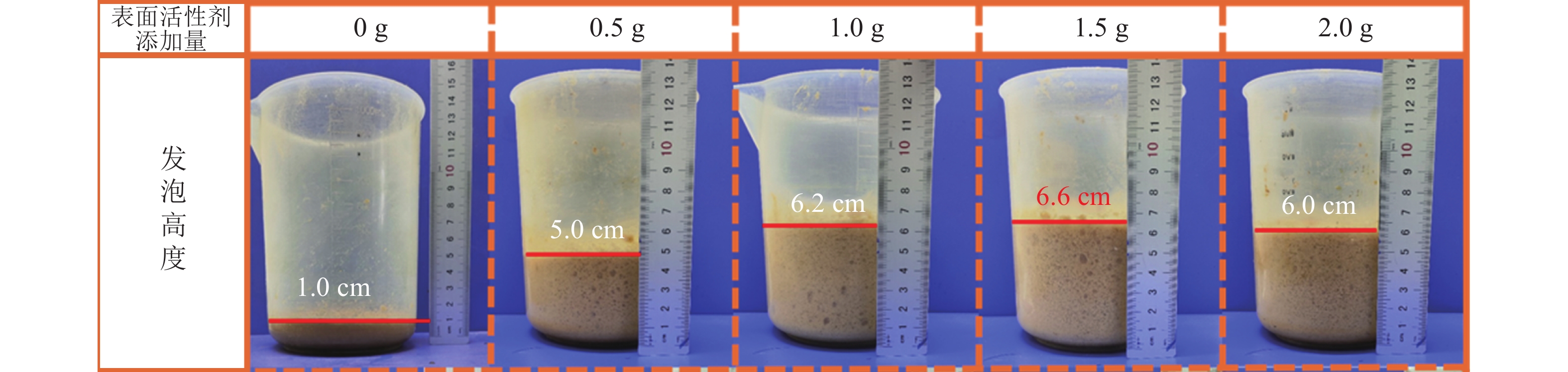
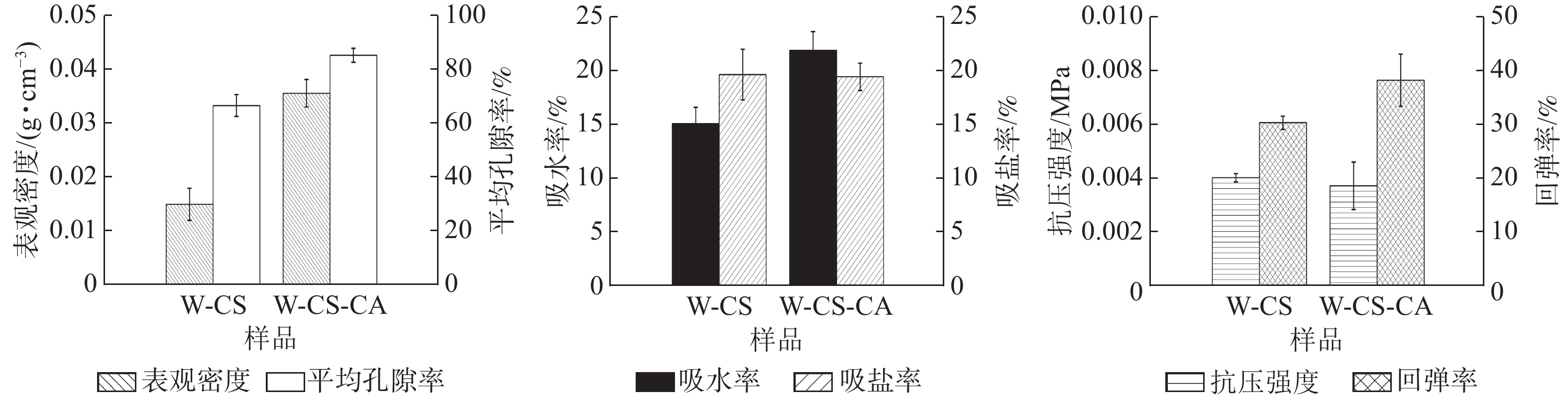
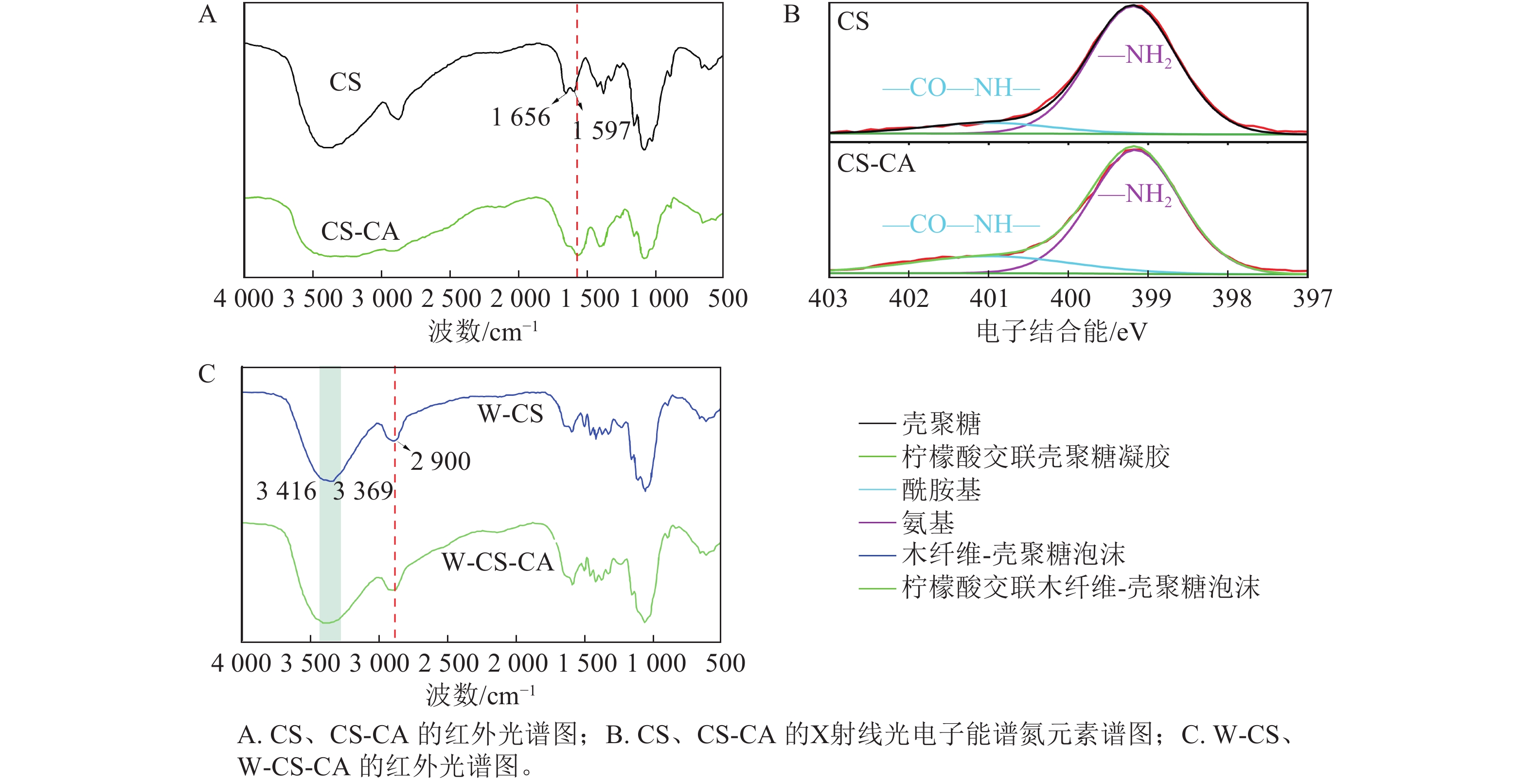
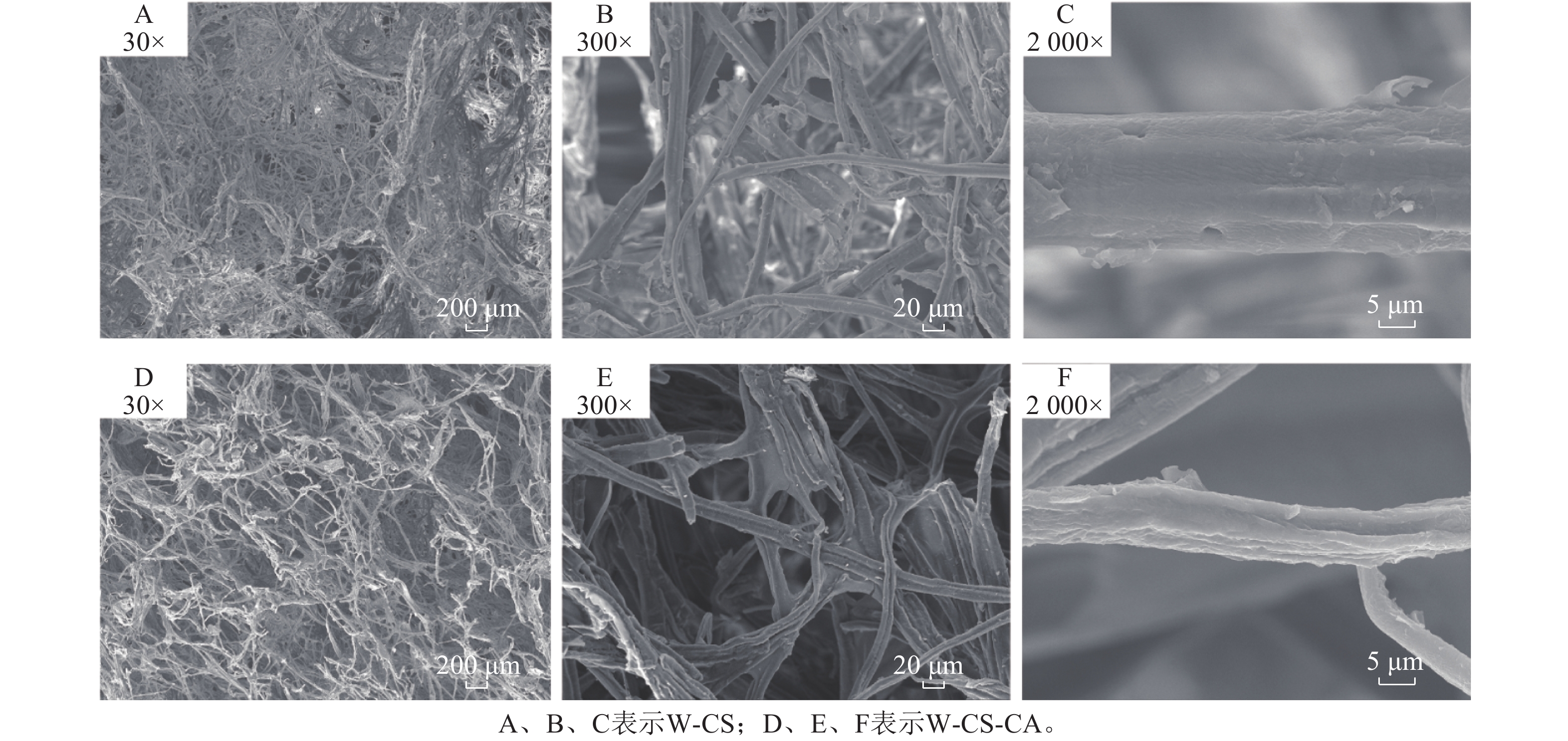
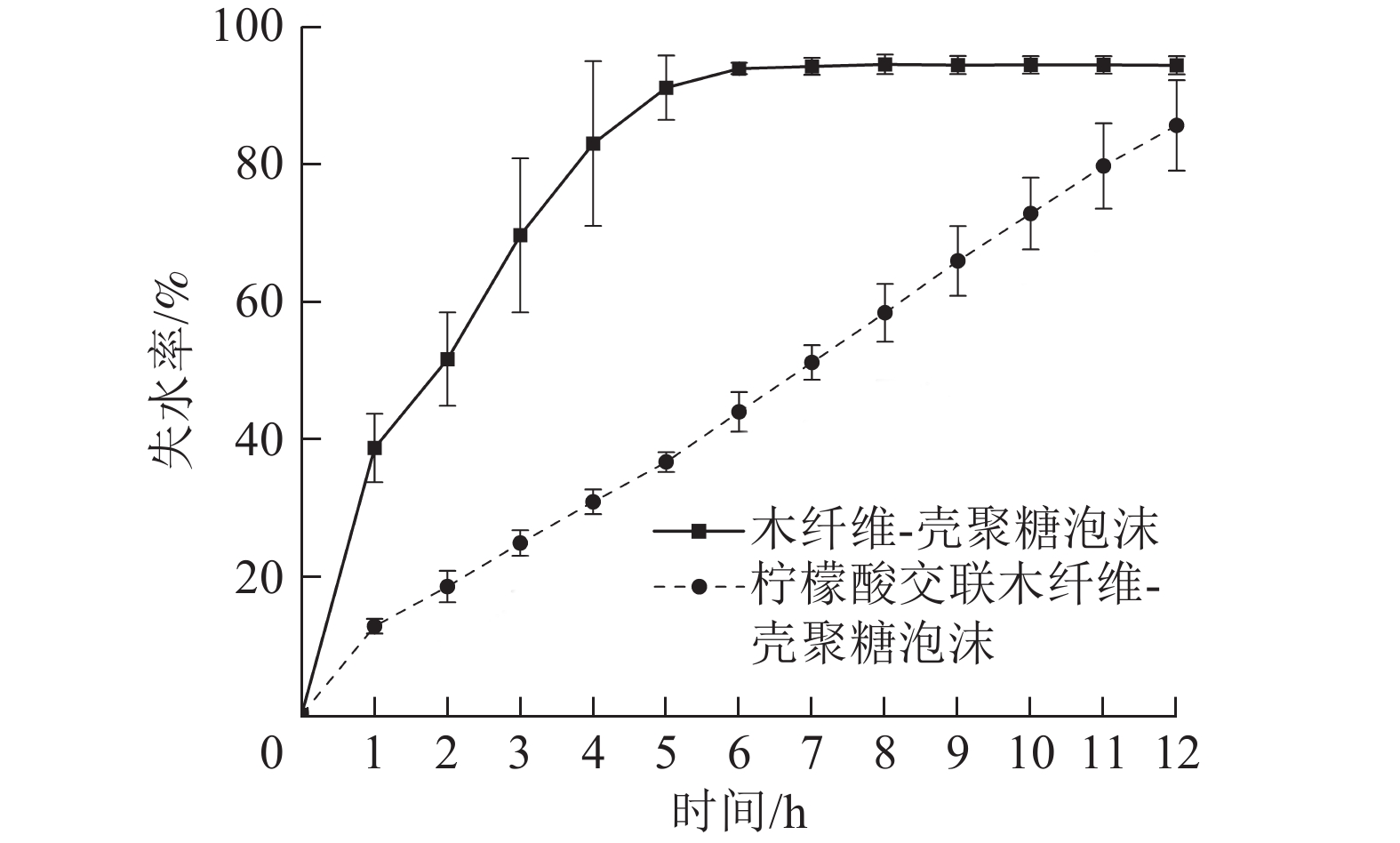
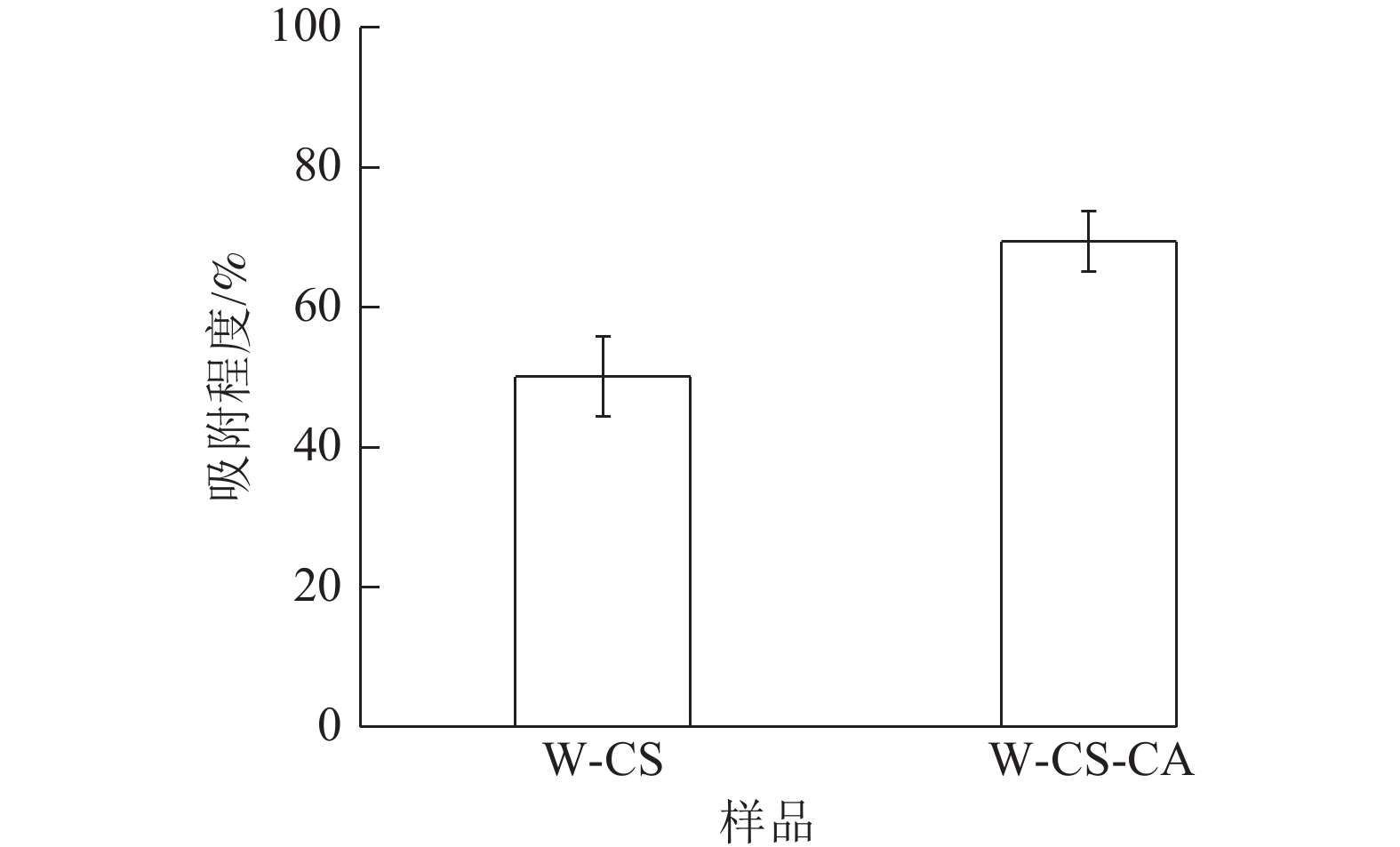
Objective This study aims to develop a cultivable foam made from renewable raw materials for use in soilless cultivation, thereby reducing reliance on conventional molding substrates such as rock wool and polyurethane. Method The soilless culture matrix foam material was prepared by mechanical foaming of wood residue fibers and chitosan gel. The effects of freeze-thaw treatment and Triton X-100 (TX-100) on the macroscopic morphological characteristics and foam volume were investigated. The structure of foam was characterized by microscopic morphology and infrared spectrum, and the effects of citric acid as a cross-linking agent on the fundamental properties and cultivation performance of foam was evaluated through water retention performance, absorption tests, and cultivation experiments as well. Result The freeze-thaw treatment significantly improved the pore structure of the wood fiber-chitosan foam, with 1 g TX-100 as the optimal dosage. The addition of citric acid induced a cross-linked network within the chitosan, which could effectively enhance the pore structure and water retention capacity of the foam. Under the condition of 40 ℃ for 12 hours, the wood fiber-chitosan foam had a water loss rate of only 69.21% and its water absorption capacity reached 68.15%, a significant improvement compared to the foam without citric acid. In the cultivation experiment, the growth performance of Raphanus sativus was second only to that grown in polyurethane foam cultivation substrates. Conclusion The combination of a freeze-thaw process and the use of TX-100 can create a uniform pore structure in the foam. The wood fiber-chitosan foam prepared with citric acid as the cross-linking agent can meet the basic requirements for plant growth, demonstrating good application potential in practical cultivation experiments. [Ch, 7 fig. 1 tab. 25 ref.]
2026, 43(3): 486-495.
doi: 10.11833/j.issn.2095-0756.20250312
Abstract:
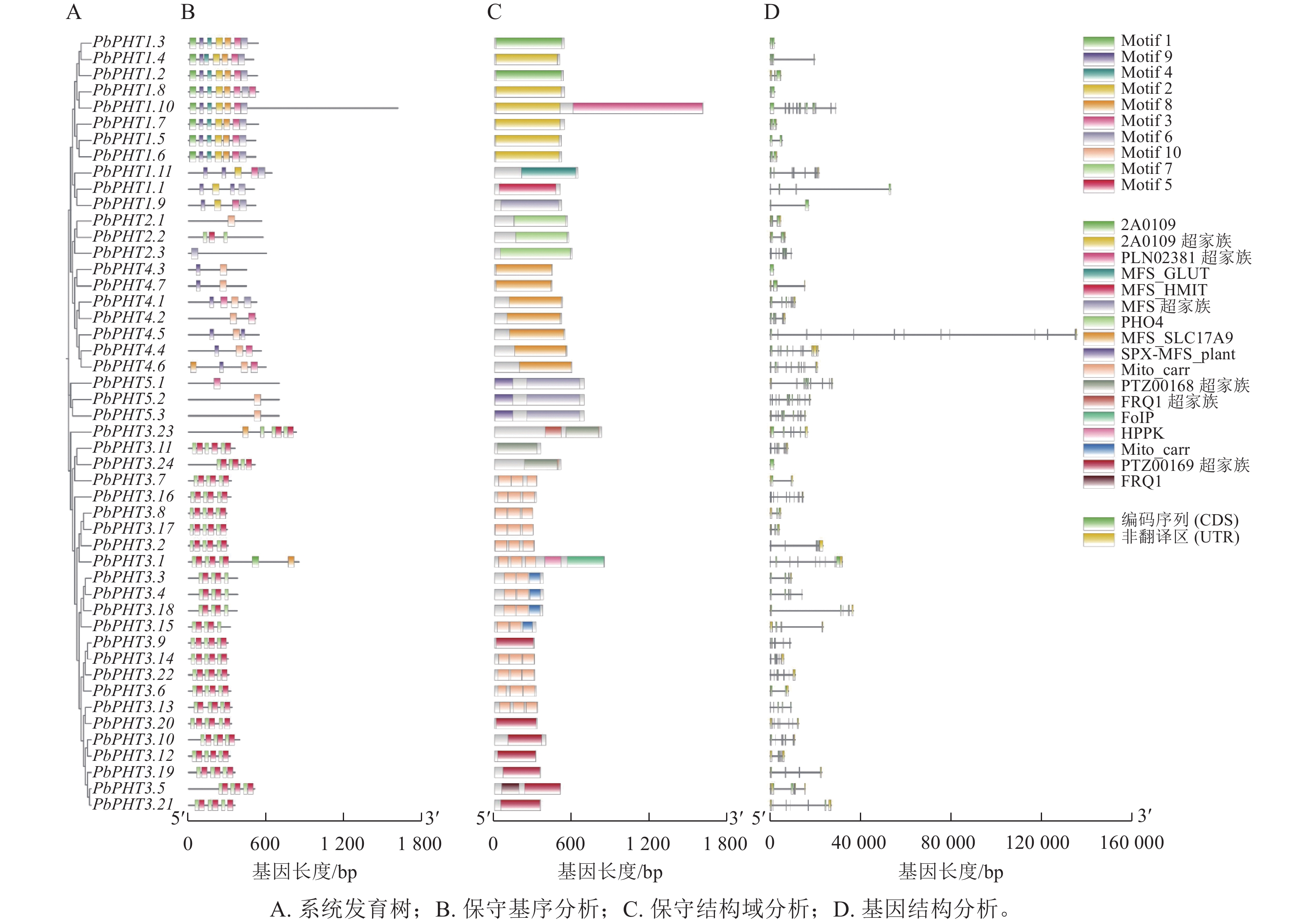
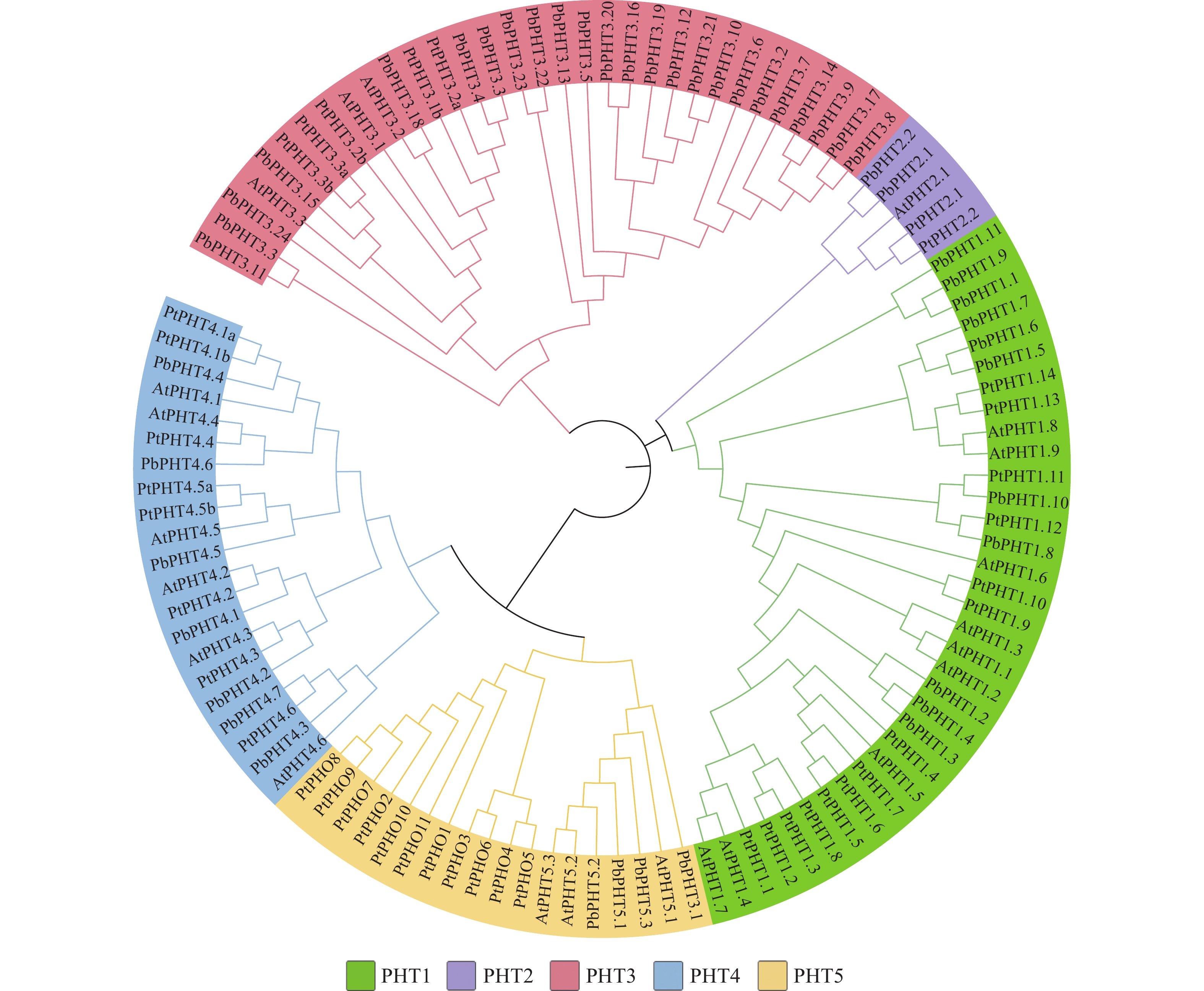
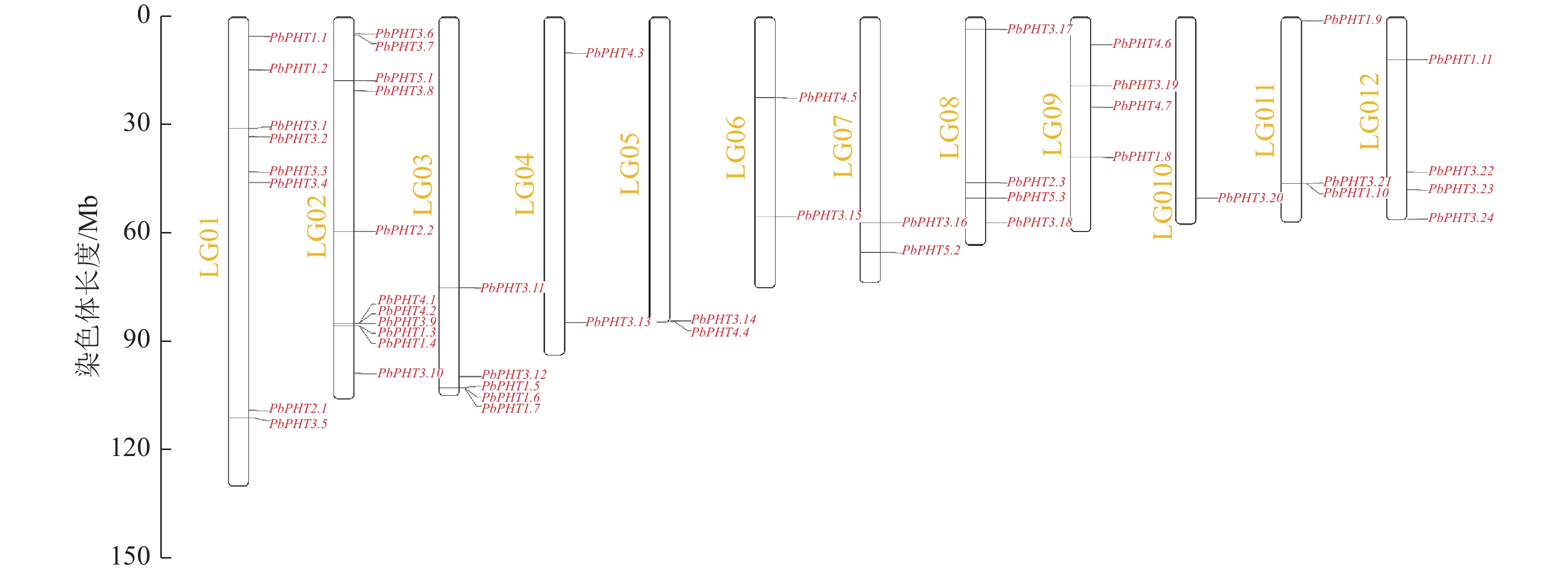
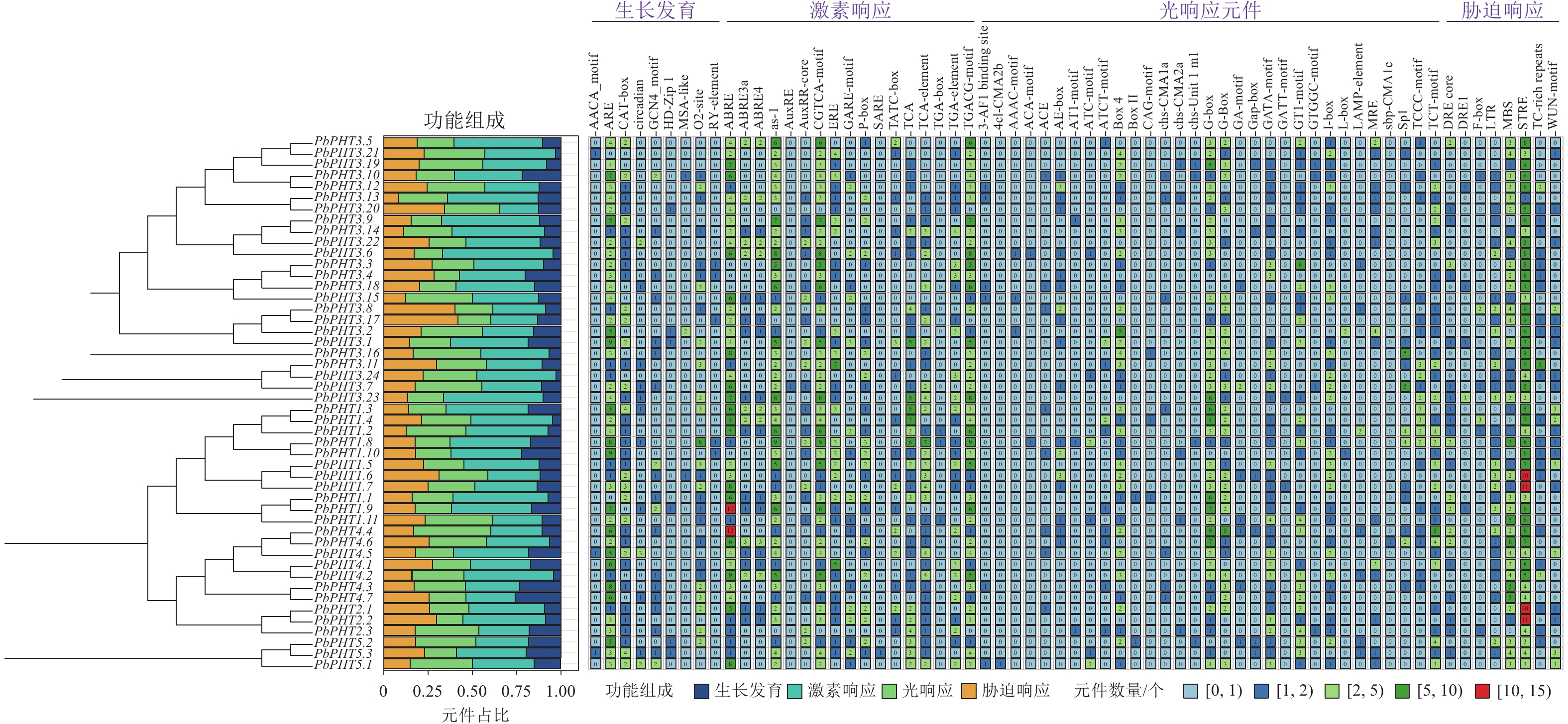
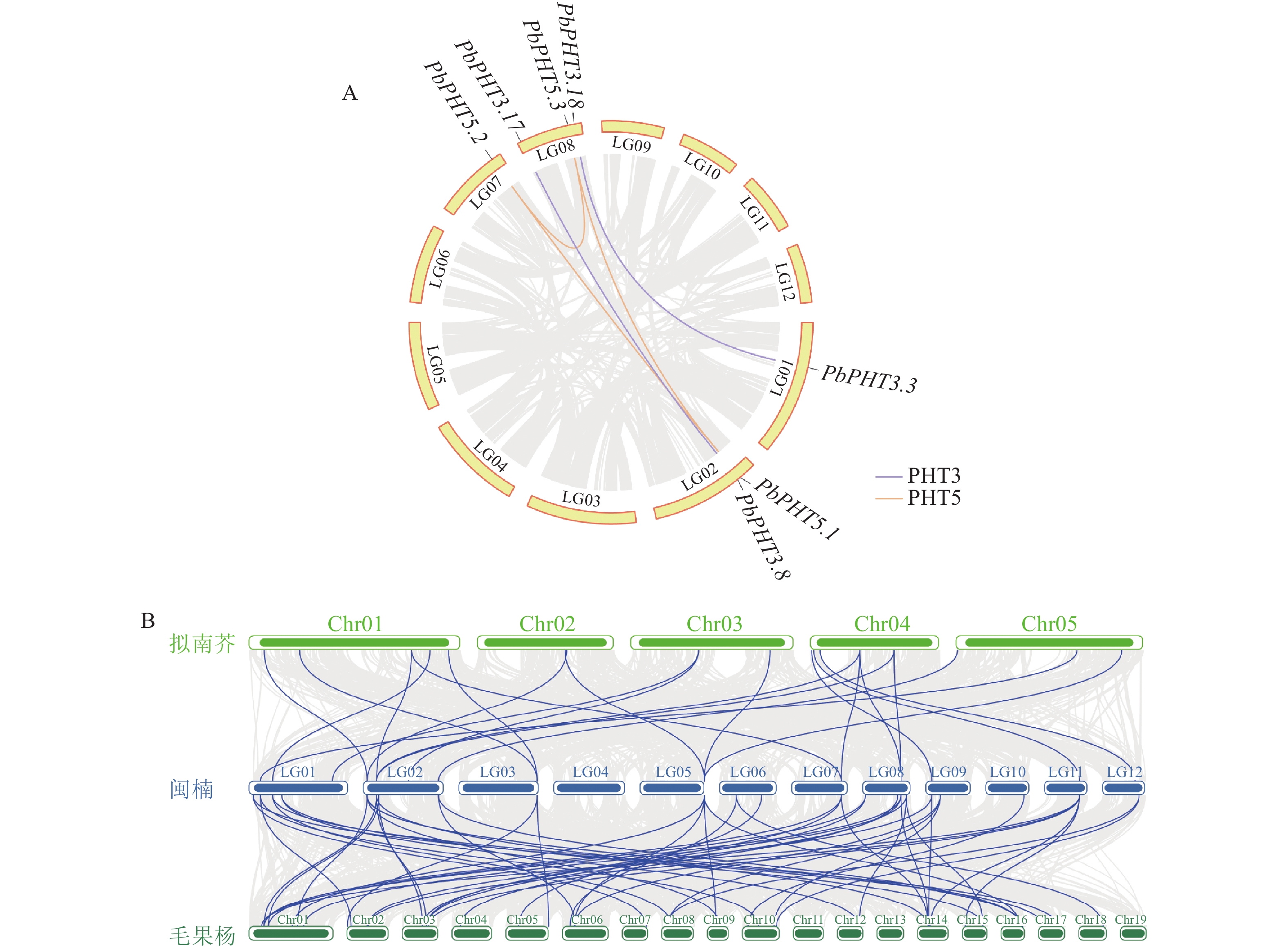
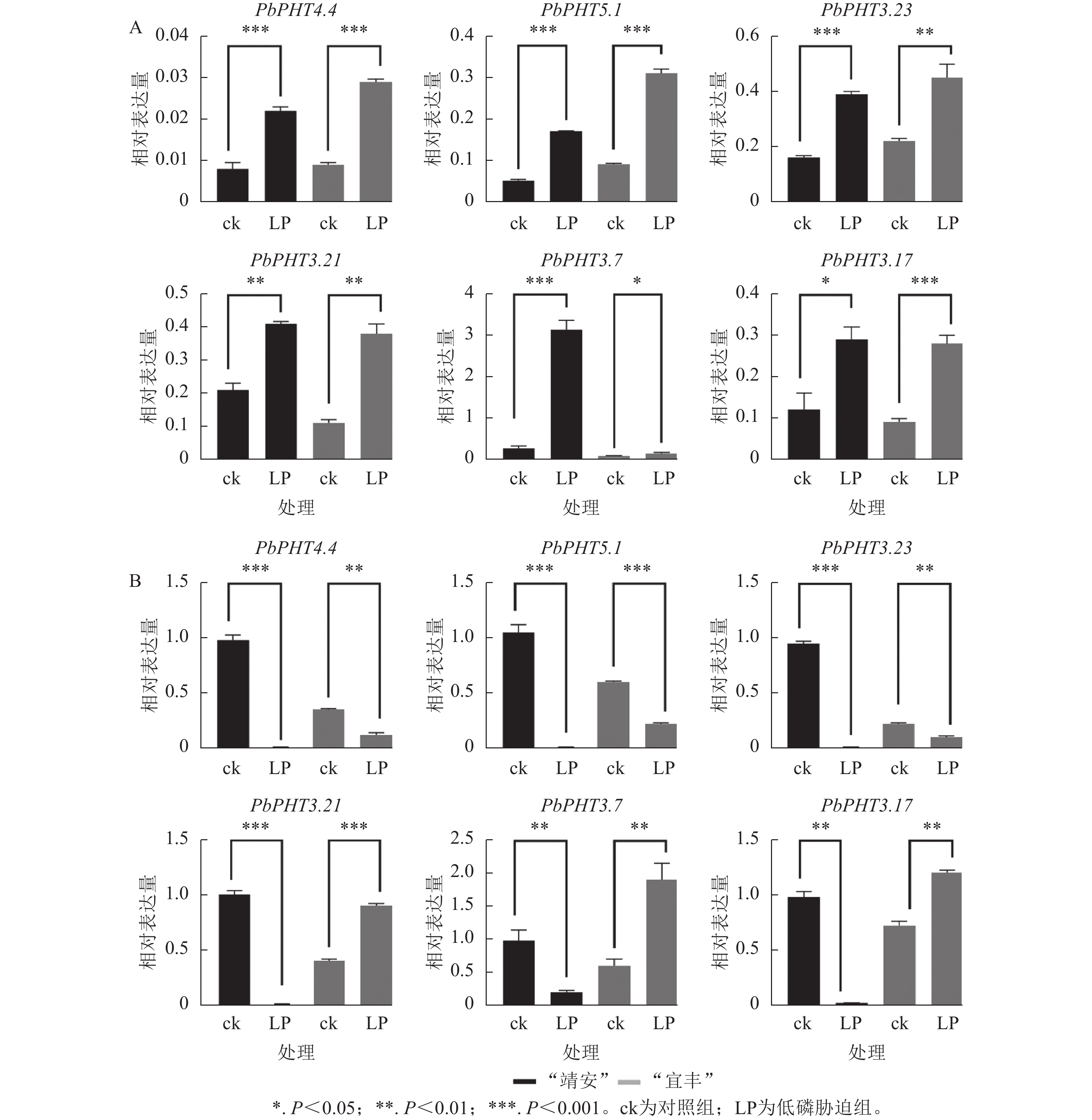
Objective Phoebe bournei is a valuable tree species in southern regions of China, yet its plantation productivity is often constrained by low-phosphorus stress. This study aims to systematically characterize the P. bournei PHT gene family and elucidate its regulatory mechanisms under low phosphorus stress, providing a molecular basis for genetic improvement of phosphorus efficiency in P. bournei. Method Based on the whole-genome data of P. bournei, bioinformatics methods were employed to identify PHT family members, analyze their physicochemical properties, phylogenetic relationships, chromosomal localization, and cis-acting elements. Low phosphorus stress was applied to seedlings of different families, and reverse transcription real-time quantitative PCR (RT-qPCR) was utilized to detect expression patterns of key genes. Result A total of 48 PbPHT genes were identified, which distributed unevenly on 12 chromosomes, with 11 genes clustered on the LG02 chromosome. It classified into 5 subfamilies (PHT1−PHT5), with PHT3 being the largest subfamily (24 members). Cis-element analysis revealed enrichment of hormone-responsive (40.6%) and stress-responsive elements (20.6%) in promoter regions of PHT genes, predominantly methyl jasmonate- (304) and abscisic acid (ABA)-responsive elements (248). Under low phosphorus stress, PHT gene expression exhibited family- and tissue-specific patterns. In roots, the expression level of PbPHT3.7 in the “Jing’an” family increased 11-fold, and expression level of PbPHT5.1 in the “Yifeng” family increased 4-fold. The expression divergence of PbPHT3.21 in stems and leaves was observed across families. Conclusion The P. bournei PHT family collaboratively regulates low phosphorus stress adaptation through cis-element diversity and family-specific expression patterns. This study identifies key candidate genes for breeding phosphorus-efficient P. bournei cultivars, and also offers new insights into phosphorus signaling networks in Lauraceae plants. [Ch, 6 fig. 1 tab. 32 ref.]
2026, 43(3): 496-503.
doi: 10.11833/j.issn.2095-0756.20250347
Abstract:
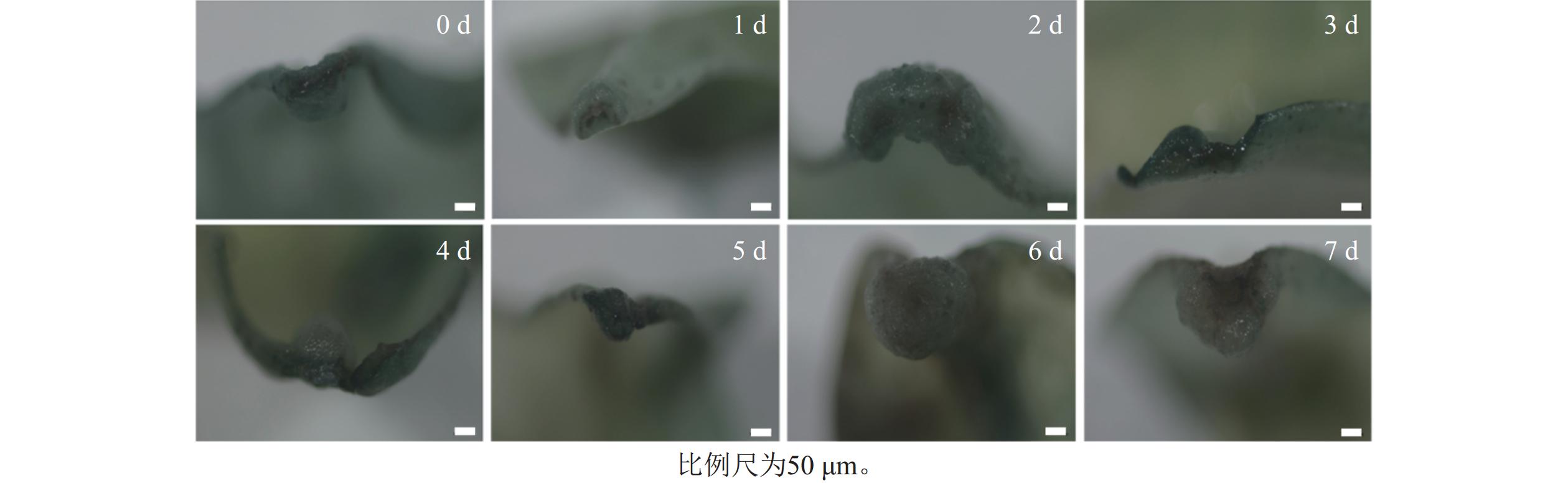
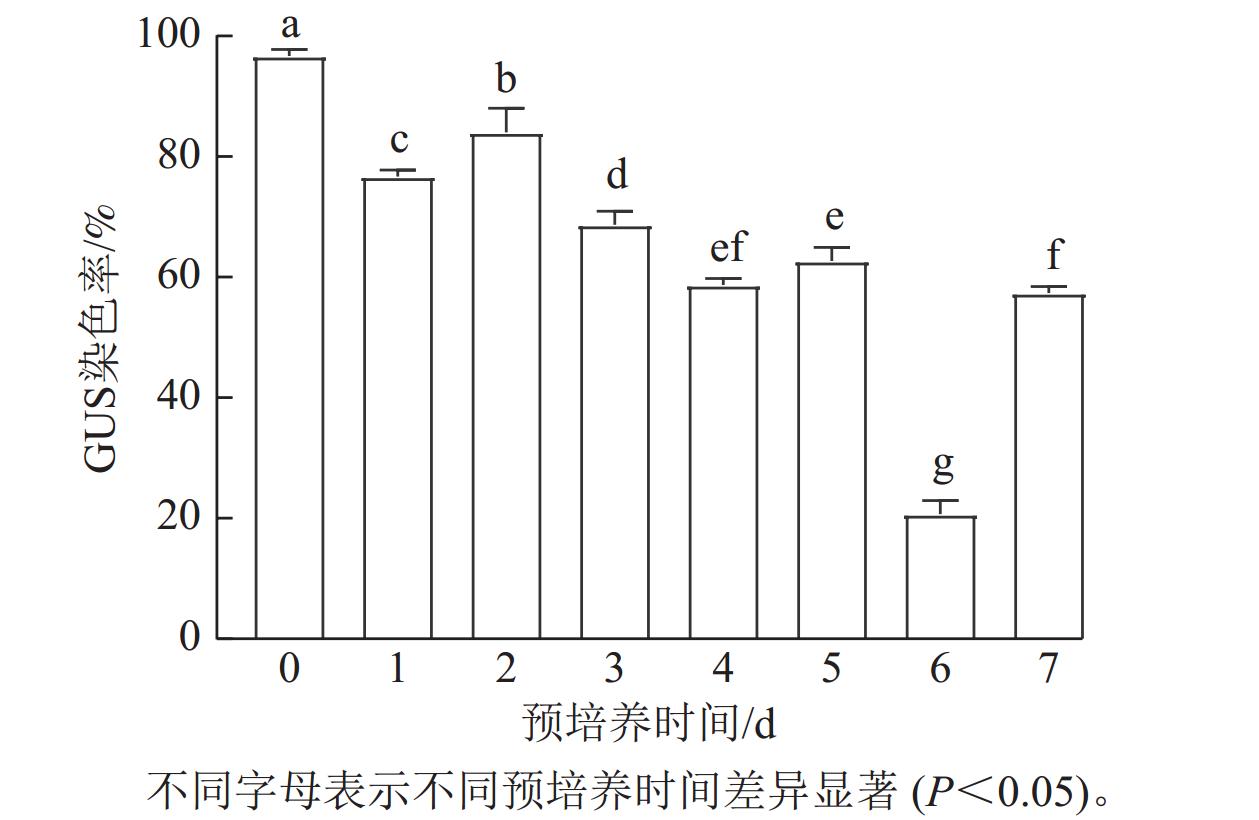
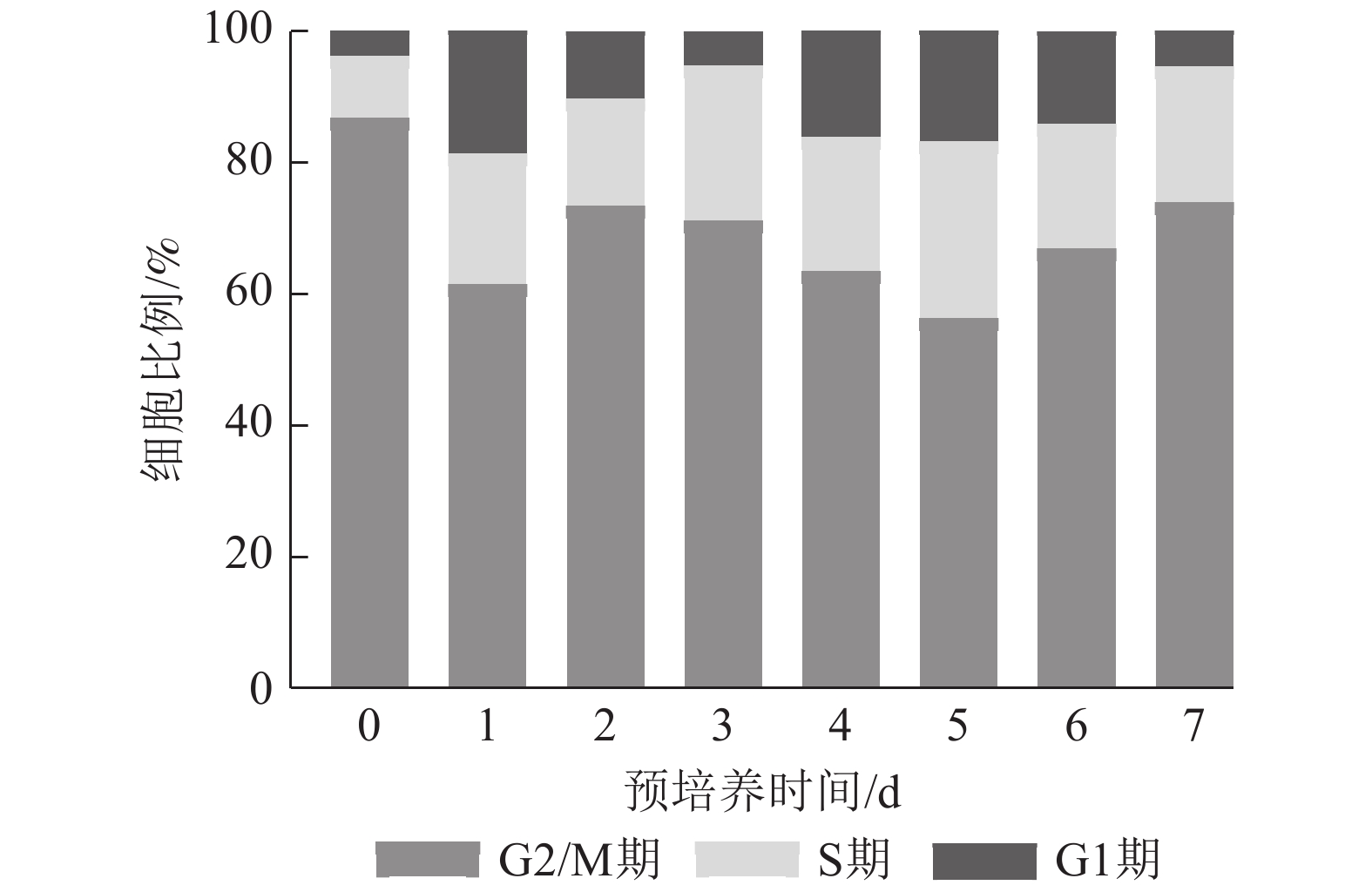
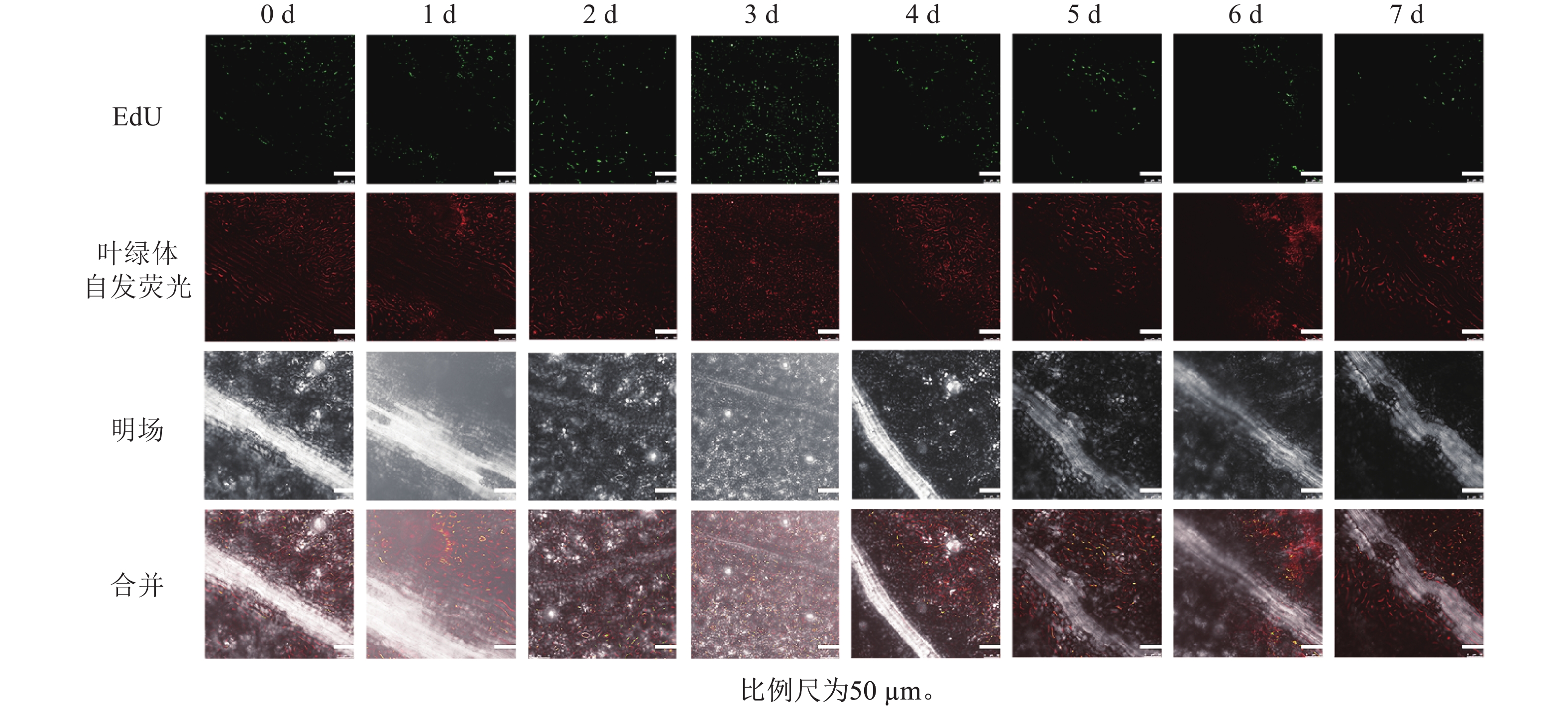
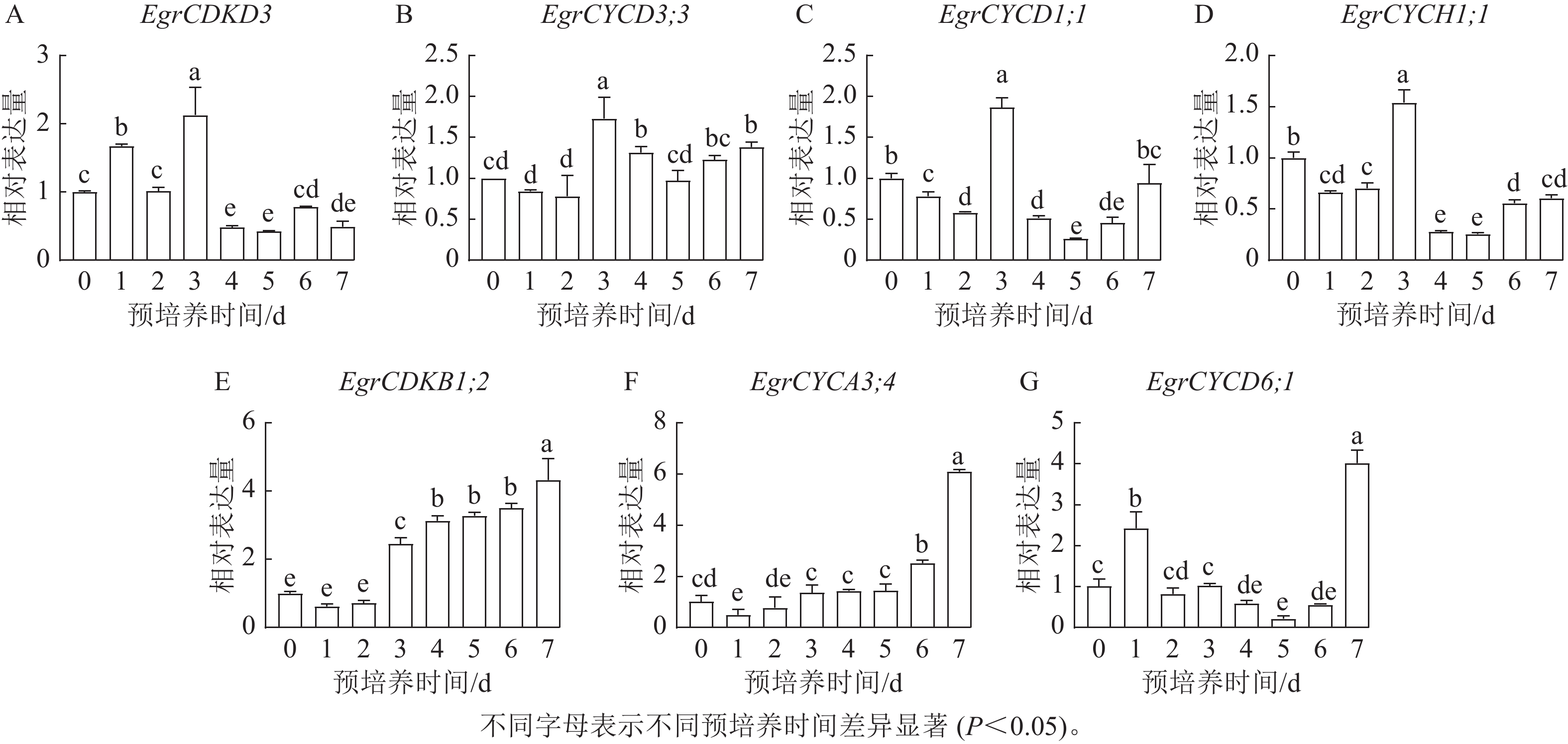
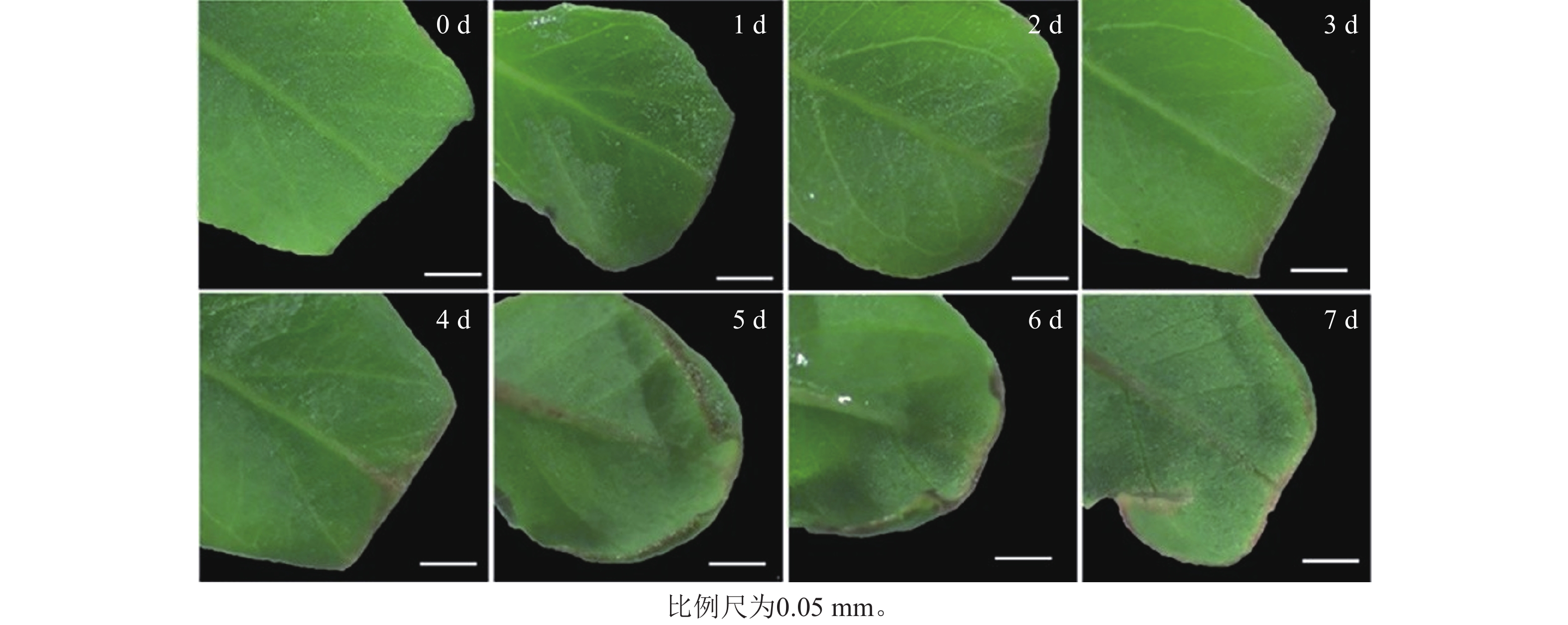
Objective To obtain a stable and efficient genetic transformation rate, generate a large number of transgenic lines, and create improved varieties, the effects of different preculture treatment durations on genetic transformation of Eucalyptus urophylla × E. grandis DH32-29 were studied. Method This study aimed to fine-tune different preculture durations to determine the optimal timing for stable genetic transformation of E. urophylla × E. grandis DH32-29, 5-ethynyl-2'-deoxyuridine (EdU) staining and flow cytometry were used to quantify the proportion of cells in the DNA synthesis (S) phase of the cell cycle, and RT-qPCR was used to measure the expression levels of S phase-related genes EgrCDKD3, EgrCYCD3;3, EgrCYCD1;1, and EgrCYCH1;1. Result The duration of preculture of leaf explants significantly affected both the transient and stable transformation efficiency of E. urophylla × E. grandis DH32-29. After 3 days of preculture, the proportion of explant cells in the S phase was the highest, and the expression levels of key S-phase genes EgrCDKD3, EgrCYCD3;3, EgrCYCD1;1, and EgrCYCH1;1 peaked, indicating that explants precultured for 3 days are optimal for Agrobacterium tumefaciens infection. Further stable transformation assays demonstrated that a 3-day preculture substantially improved the efficiency of Agrobacterium-mediated genetic transformation in eucalyptus, increasing the transformation efficiency from 0.77% to 4.67%. Conclusion Preculture is crucial for the efficiency of Agrobacterium-mediated genetic transformation in eucalyptus. A 3-day preculture period can effectively enhance the genetic transformation efficiency of eucalyptus. [Ch, 7 fig. 1 tab. 28 ref.]

2026, 43(3): 504-511.
doi: 10.11833/j.issn.2095-0756.20250380
Abstract:
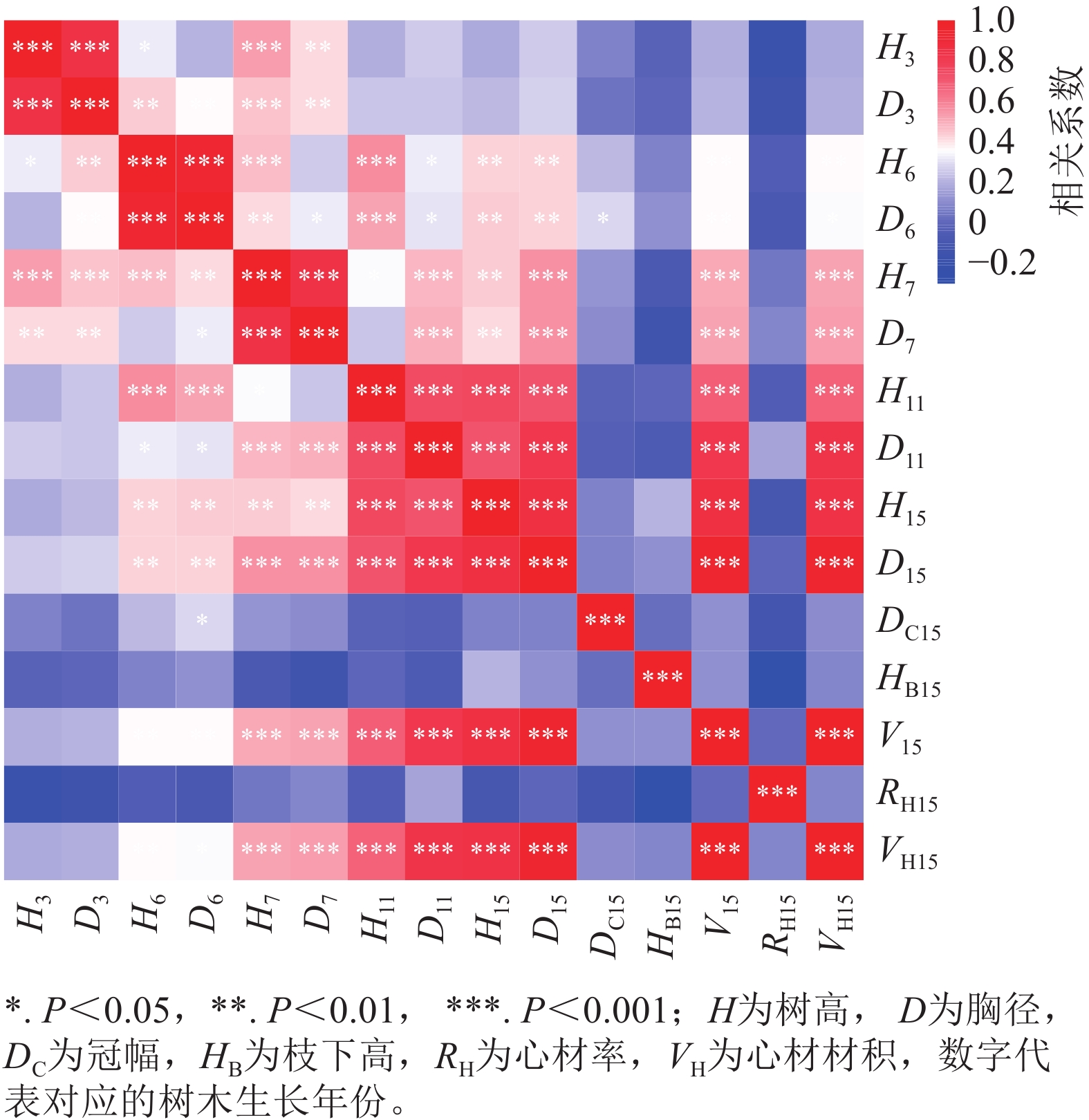
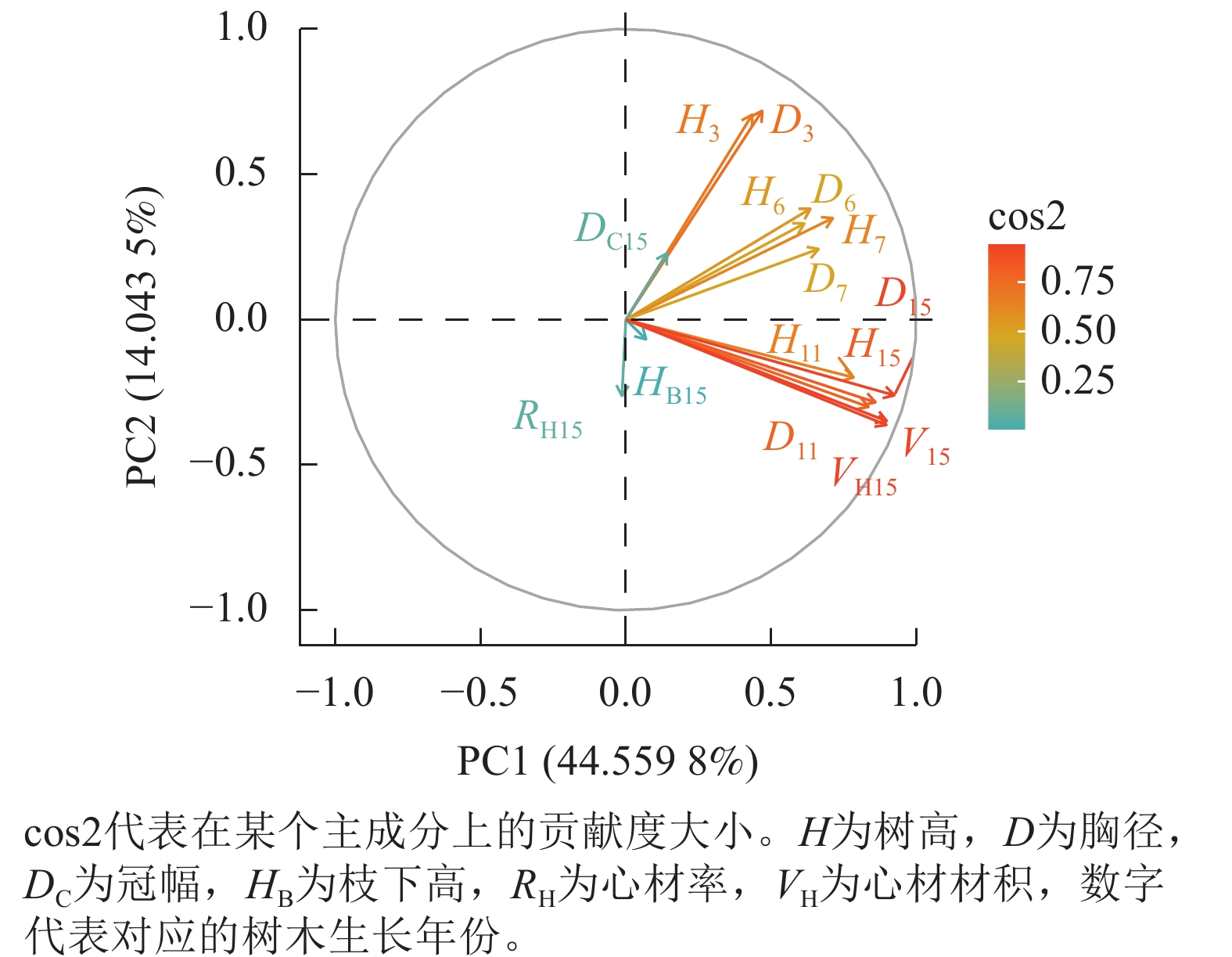
Objective Taking the progeny test forest of Toona rubriflora as the research object, the correlation between growth and wood property traits at different ages was measured and analyzed to determine the optimal early selection age for T. rubriflora. Method Taking 59 half-sibling families of T. rubriflora as the experimental materials, the growth traits such as tree height, diameter at breast height, height to the first branch, and crown width at 3, 6, 7, 11 and 15 a, as well as the wood properties such as heartwood ratio and heartwood volume were measured. On this basis, correlation analysis was conducted using R language to explore the correlations among various traits, and principal component analysis was performed to reduce the dimensions of multiple traits for a comprehensive evaluation of the growth and wood property performance of the trees. Result As the age of T. rubriflora increases, the Pearson correlation coefficients among most traits showed an upward trend year by year, indicating that the trait synergy strengthens with age. The tree height and diameter at breast height of 6 a trees were highly significantly positively correlated with the tree height, diameter at breast height, volume and heartwood volume of 15 a trees (P<0.01), but the correlation coefficients of 7 a traits with the 15 a traits were generally higher than the corresponding values of 6 a traits. Principal component analysis showed that the contribution rates of tree height (H7) and diameter at breast height (D7) to the first two principal components (PC1 and PC2) at 7 a were higher than those at 6 a. The evaluation of early selection efficiency indicated that when tree height and diameter at breast height were used as selection indicators, the selection efficiency of 7 a trees for volume and heartwood volume was high, reaching 1.29, 1.34 and 1.34, 1.36 respectively. Conclusion 7 a is the best age for early selection of T. rubriflora. By using tree height and diameter at breast height as selection indicators, it can effectively predict adult performance, improve selection efficiency, shorten the breeding cycle, and provide important support for the genetic improvement of T. rubriflora. [Ch, 2 fig. 2 tab. 42 ref.]
2026, 43(3): 512-523.
doi: 10.11833/j.issn.2095-0756.20250448
Abstract:
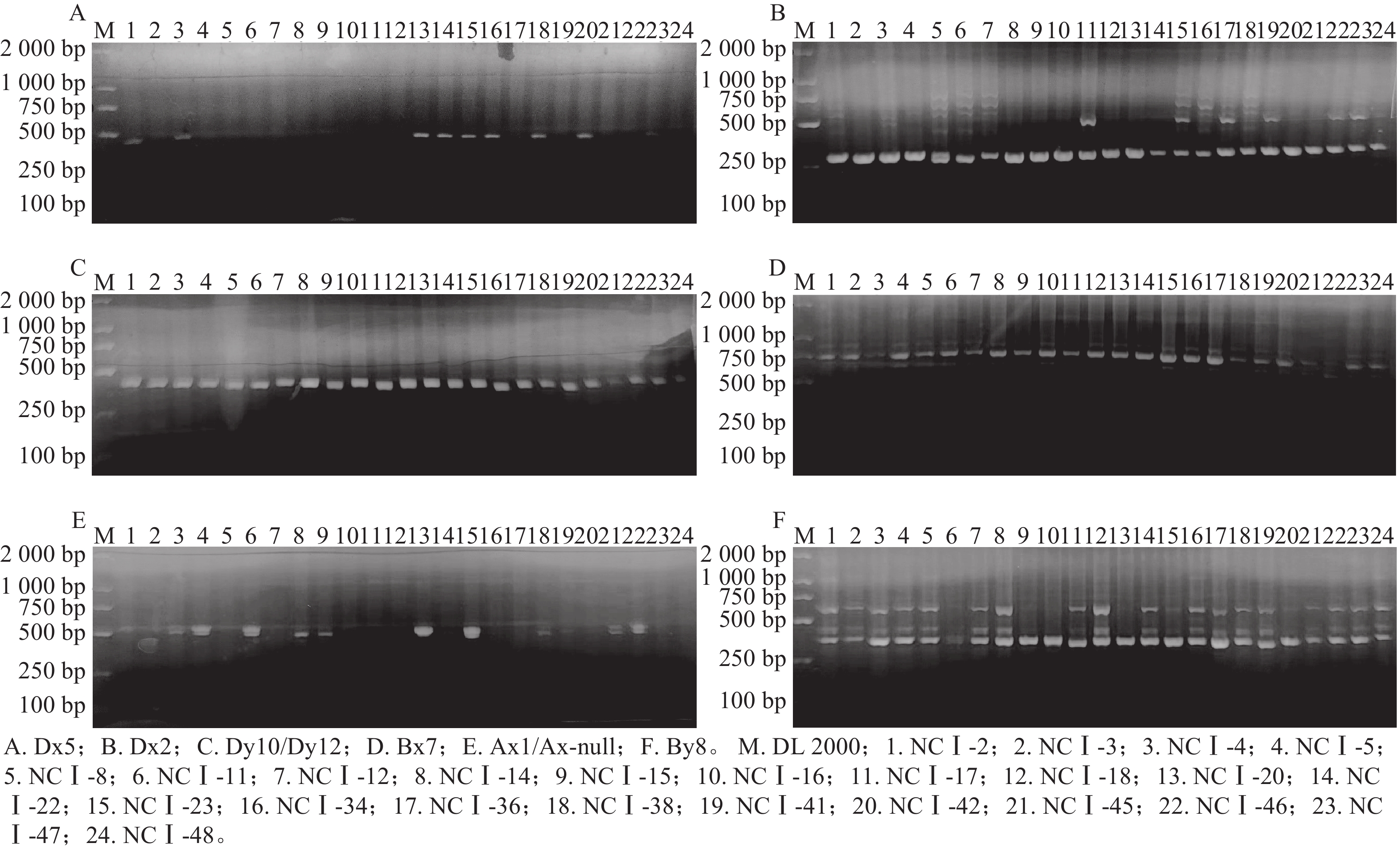
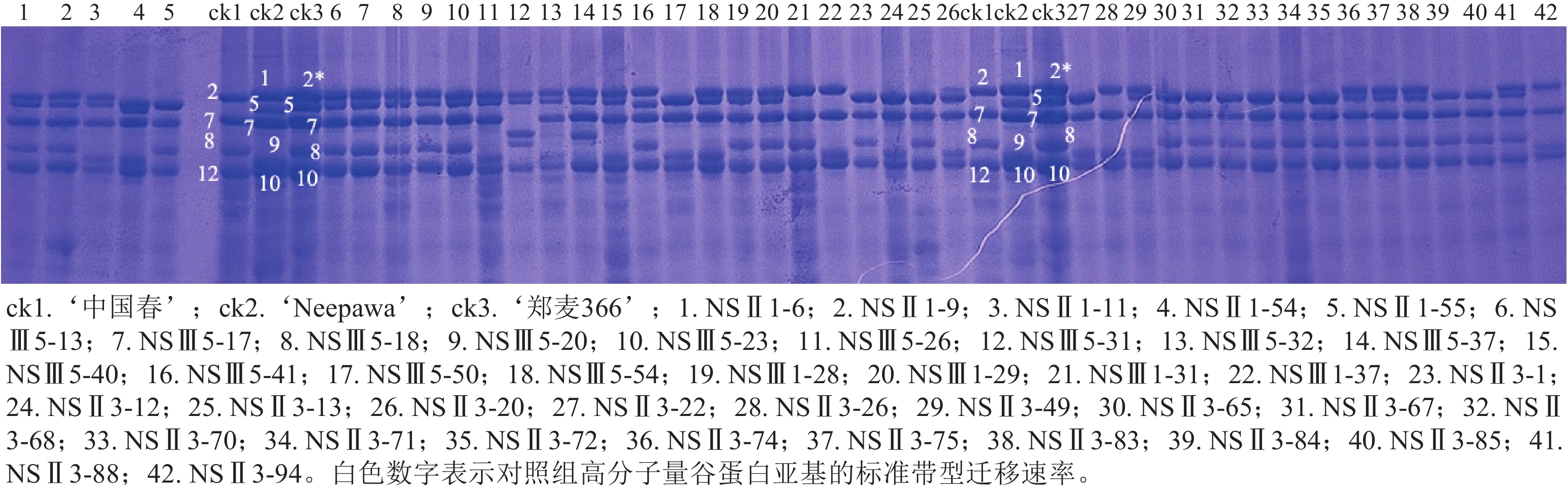
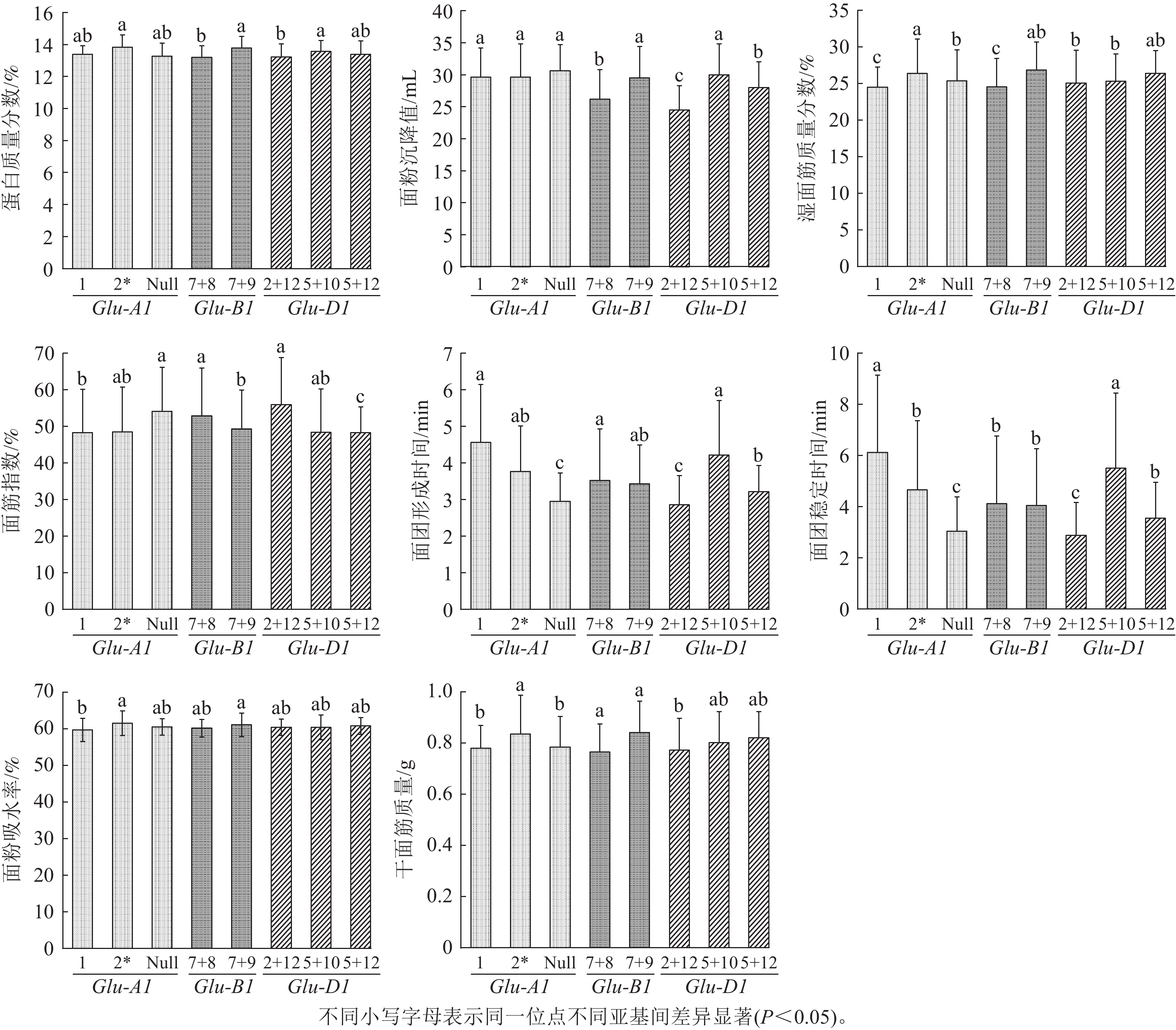
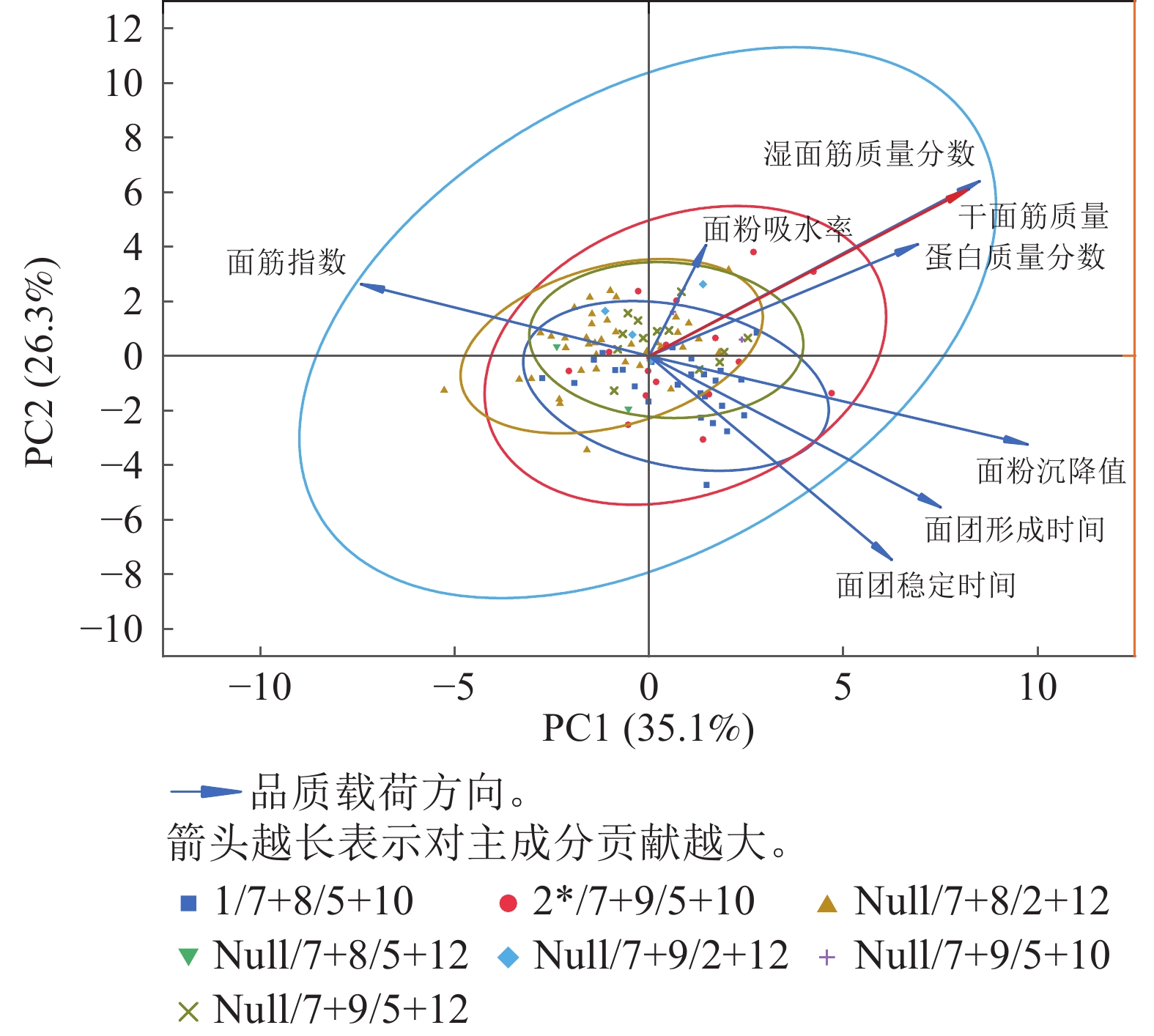
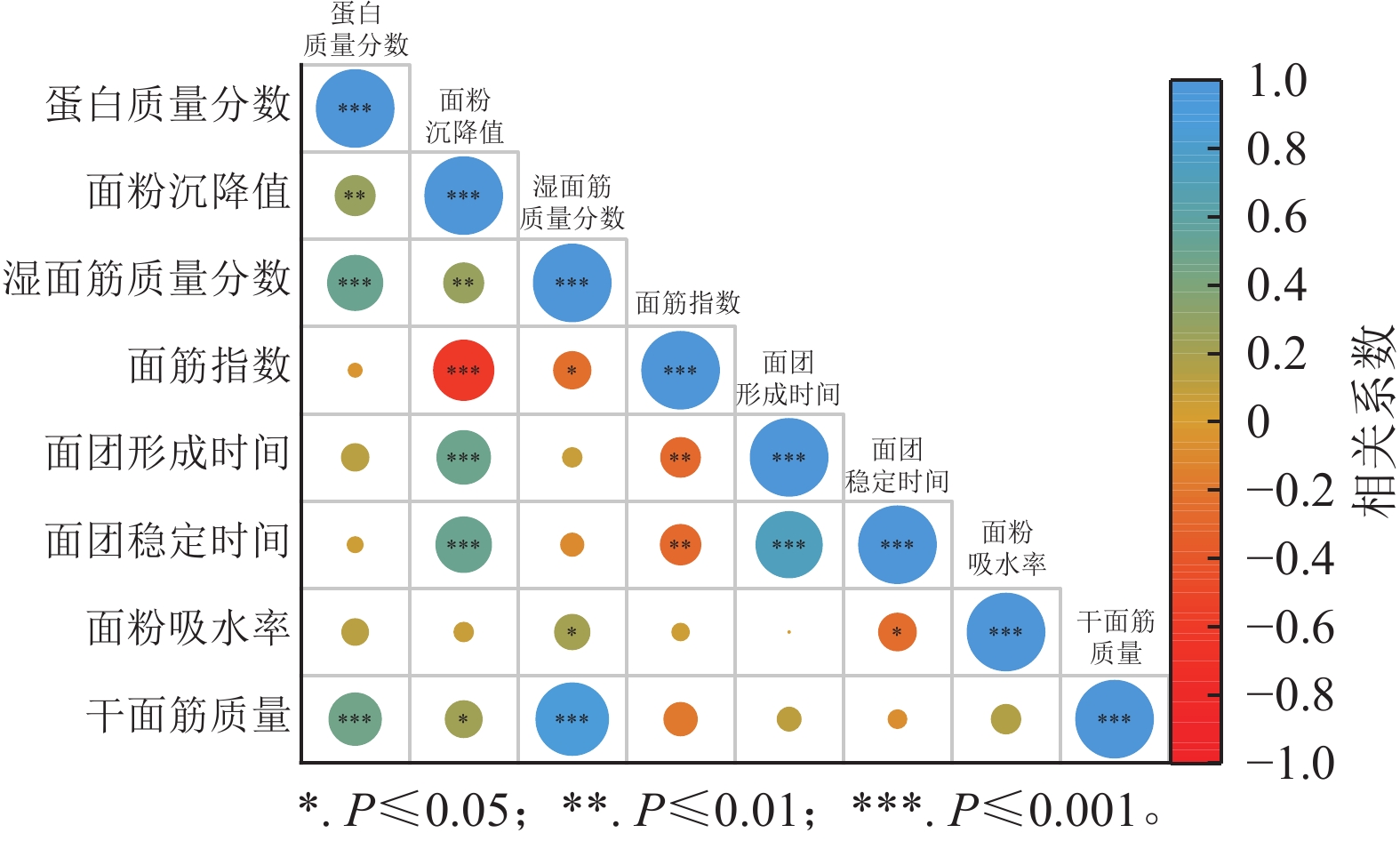
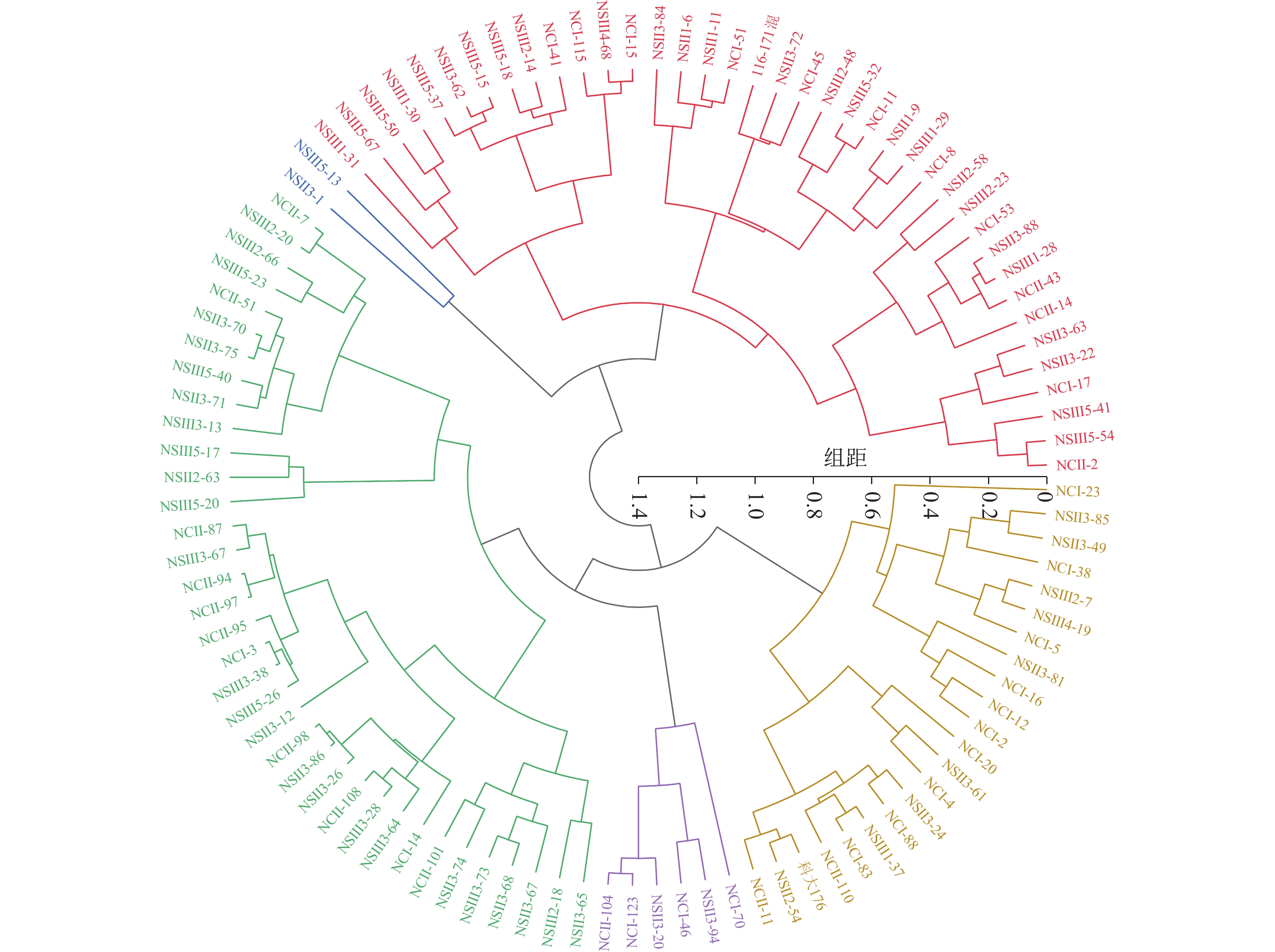
Objective The aim of this study is to investigate the relationship between the composition of high molecular weight gluten subunits (HMW-GS) in wheat (Triticum aestivum) and wheat quality traits. Method Using 106 high-generation wheat lines as materials, the potential quality of each line was predicted by identifying the HMW-GS subunit type. Using SDS-PAGE (sodium dodecyl sulfate-polyacrylamide gel electrophoresis) and molecular marker techniques, HMW-GS identification and quality assessment were performed by near-infrared grain analyzer, flour texture analyzer, and gluten tester. Result A total of 8 types of HMW-GS subunits and 7 HMW-GS subunit combinations were identified in 106 wheat lines. There were 3 subunits at the Glu-A1 locus, namely 1 (24.53%), Null (57.55%), and 2* (17.92%). At the Glu-B1 locus, there were 2 types: 7+8 (66.04%) and 7+9 (33.96%). At the Glu-D1 locus, there were 3 types: 2+12 (43.39%), 5+10 (42.45%), and 5+12 (15.09%). There were 7 types of subunit combinations, with quality scores ranging from 5 to 10 points. Among them, the 2*/7+9/5+10 and 1/7+8/5+10 combinations had the highest scores of 10 points each. The specific polymerase chain reaction (PCR) molecular markers were used to identify the Ax1, Ax-null, Dx2, Dx5, Dy10, Dy12, Bx7, and By8 subunits within the HMW-GS subunits. The results were compared with those obtained by SDS-PAGE electrophoresis, and the agreement rates were 100.00%, 100.00%, 91.83%, 96.69%, 97.78%, 100.00%, 100.00%, and 76.92%, respectively. Correlation analysis between HMW-GS subunit positions and quality traits revealed that the 2*, 7+9, and 5+10 subunits exhibited higher protein content, flour sedimentation value, and water absorption capacity compared to other subunits (P<0.05). The 1, 7+8, and 5+10 subunits had significantly higher flour sedimentation value, dough formation time, and dough stability time than other subunits (P<0.05). Among them, the 7+9 subunit exceeded the 7+8 subunit in protein content, dry gluten content, wet gluten content, and flour sedimentation value (P<0.05). Correlation analysis and principal component analysis of HMW-GS subunit combinations and quality traits revealed that the 1/7+8/5+10 and 2*/7+9/5+10 combinations exhibited superior comprehensive quality characteristics and contributed significantly to quality traits, while Null/7+8/2+12 and the Null/7+9/2+12 combinations performed poorly. Meanwhile, heat map analysis and cluster analysis of high-generation lines found that there were extremely significant differences among various quality traits (P< 0.01), which could be clustered into 5 distinct groups. Conclusion The impact of subunits at each position on the quality traits varies, with significant effects on sedimentation value, dough formation time, dough stability time, and wet gluten mass fraction. [Ch, 6 fig. 5 tab. 36 ref.]
2026, 43(3): 524-535.
doi: 10.11833/j.issn.2095-0756.20250337
Abstract:
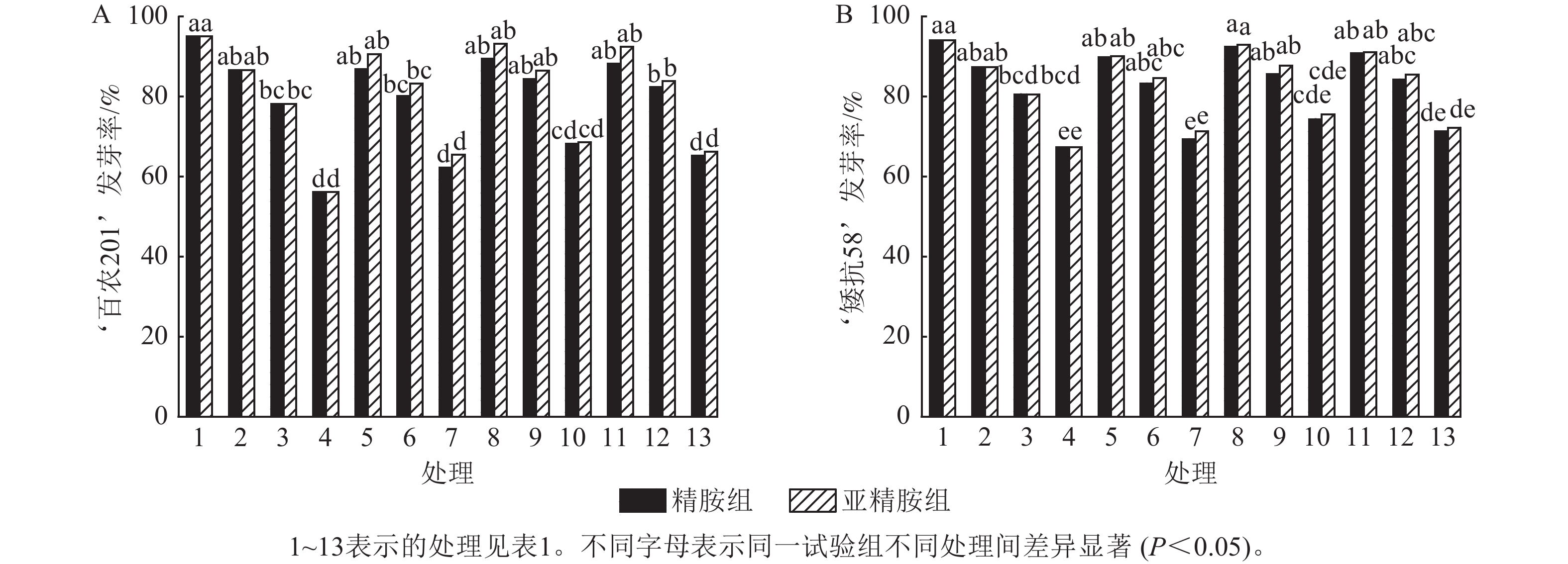
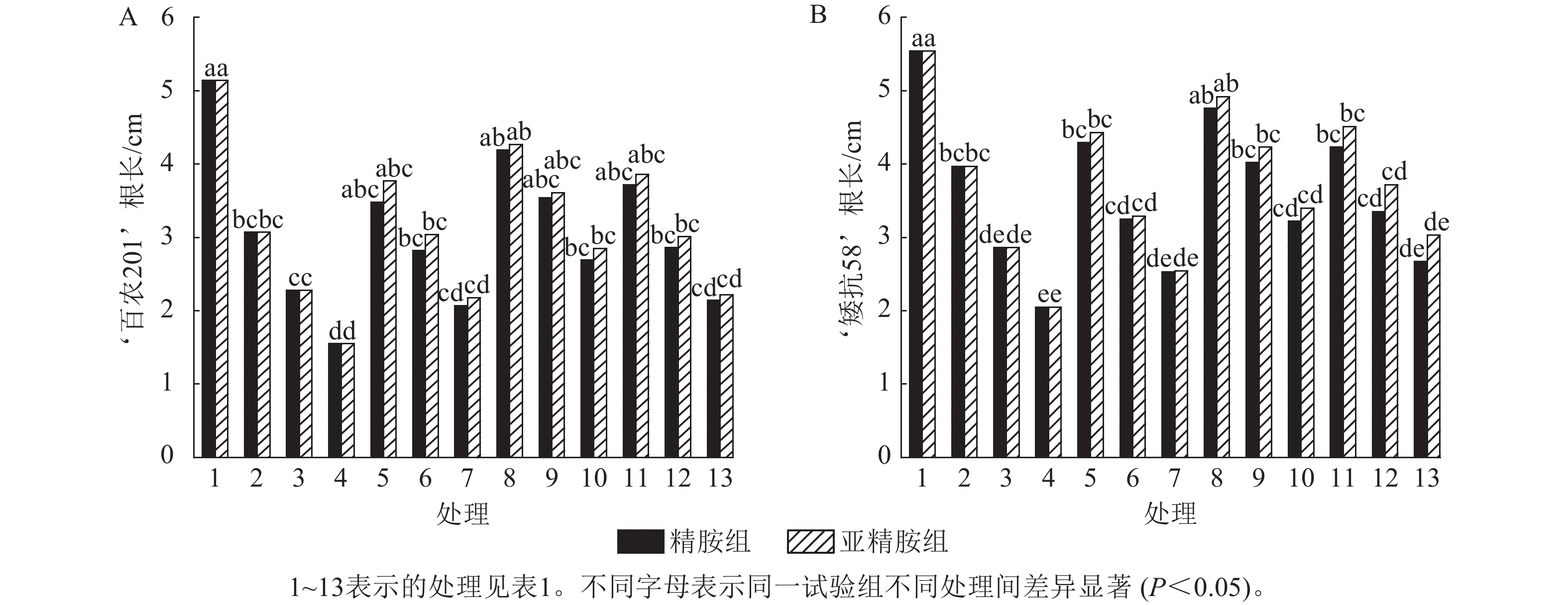
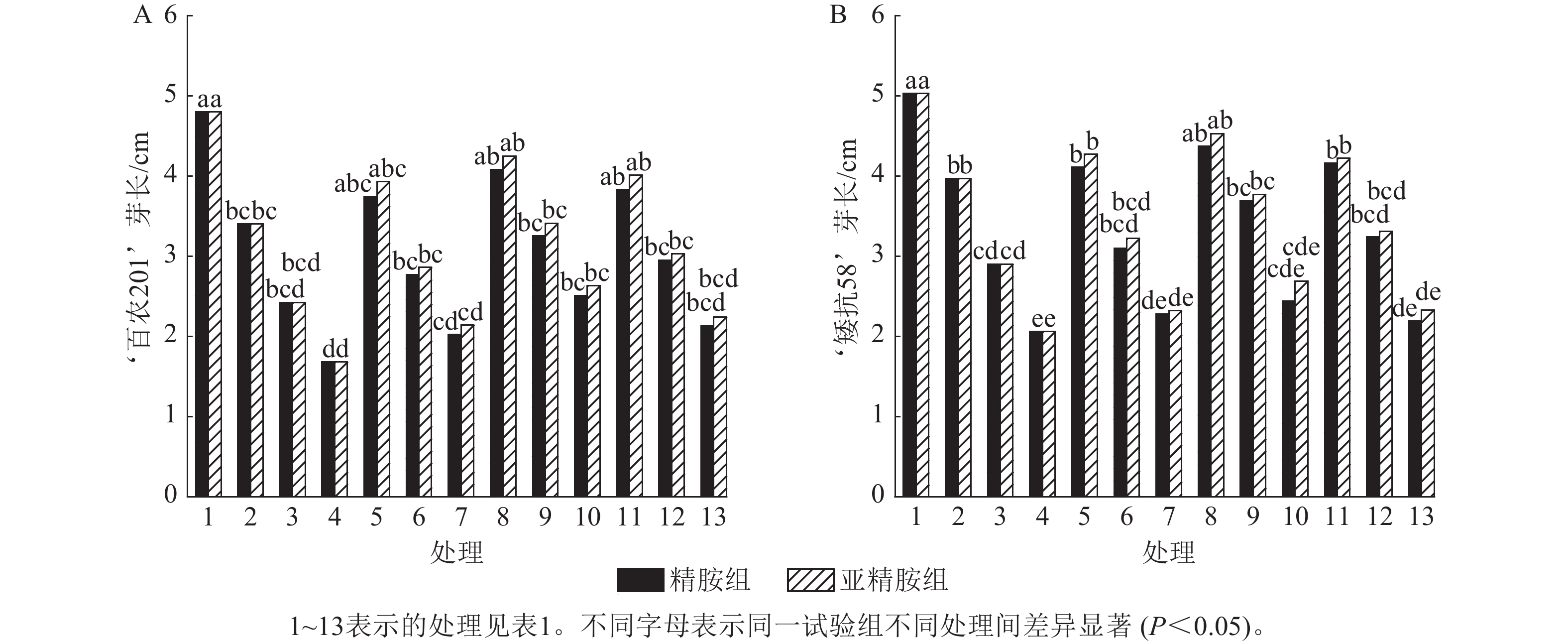
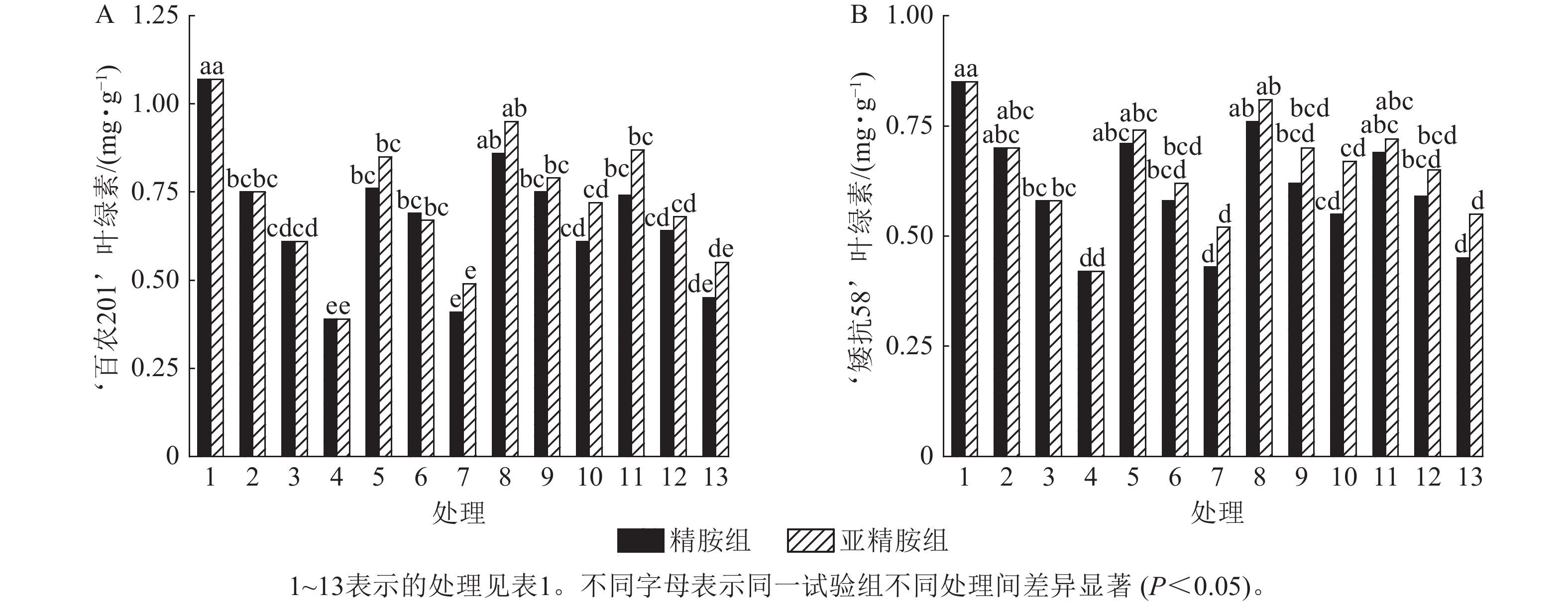
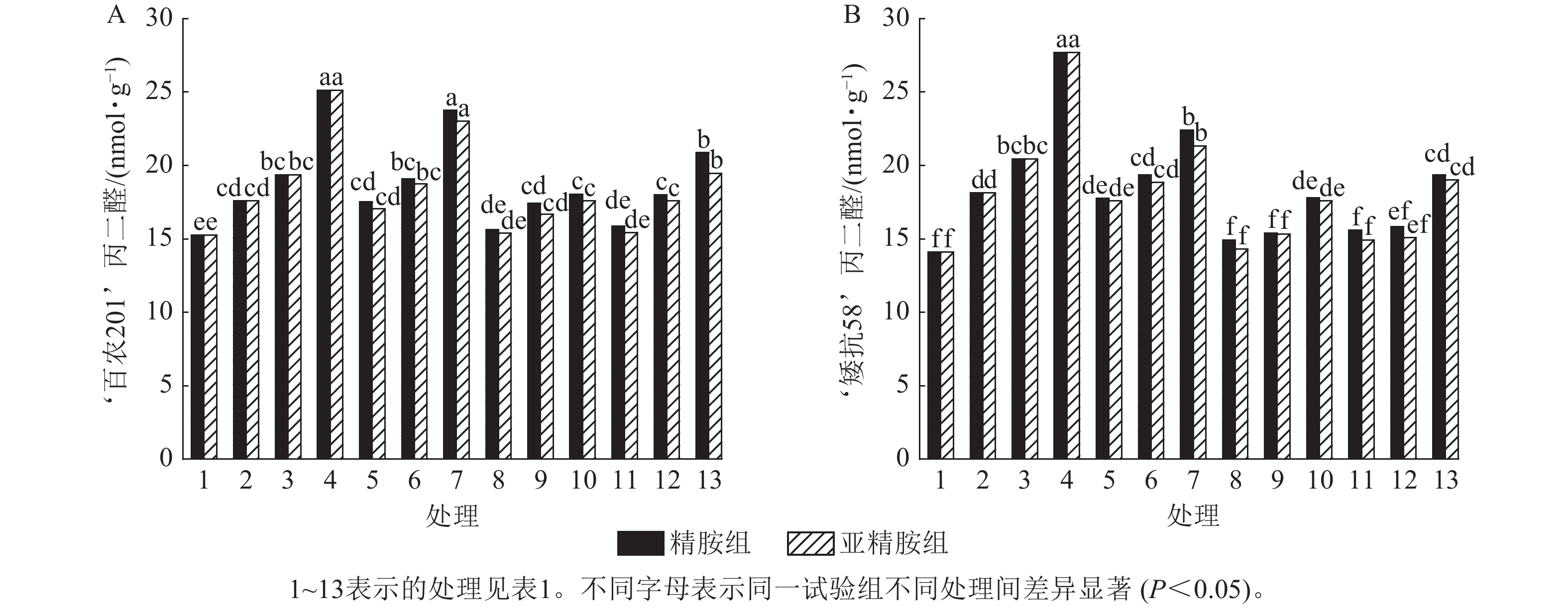
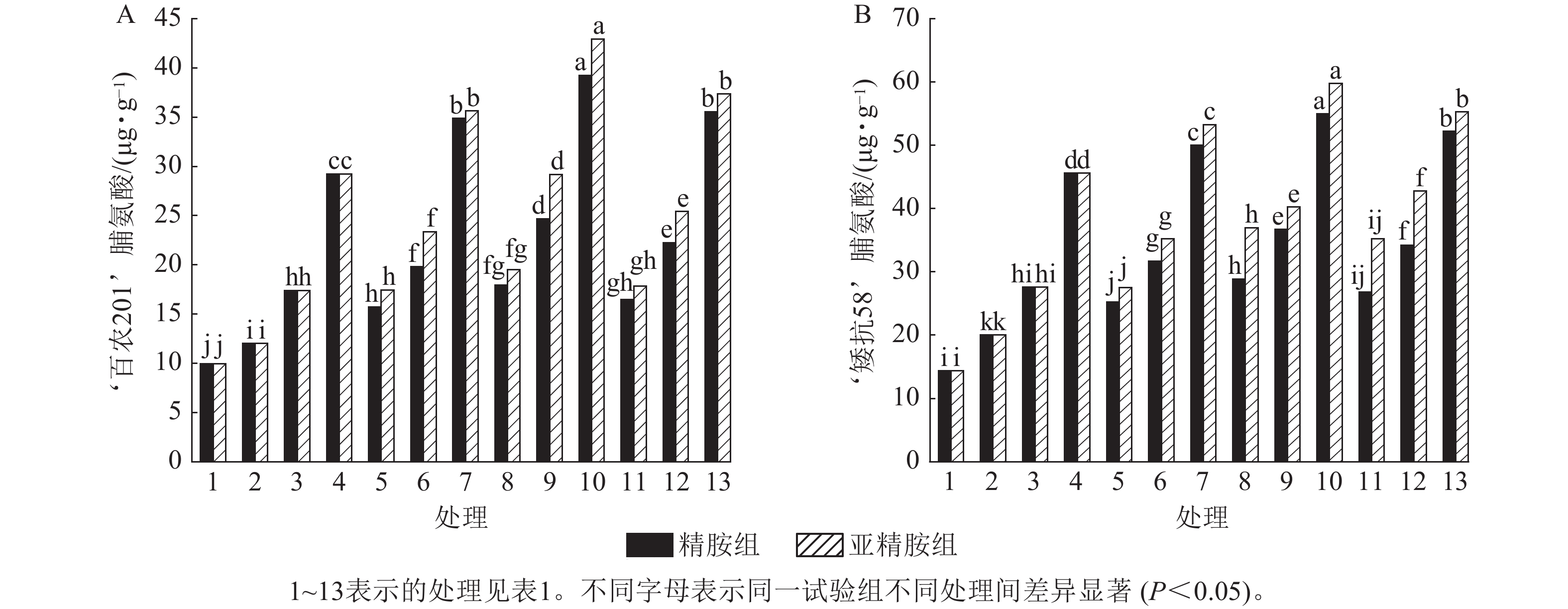
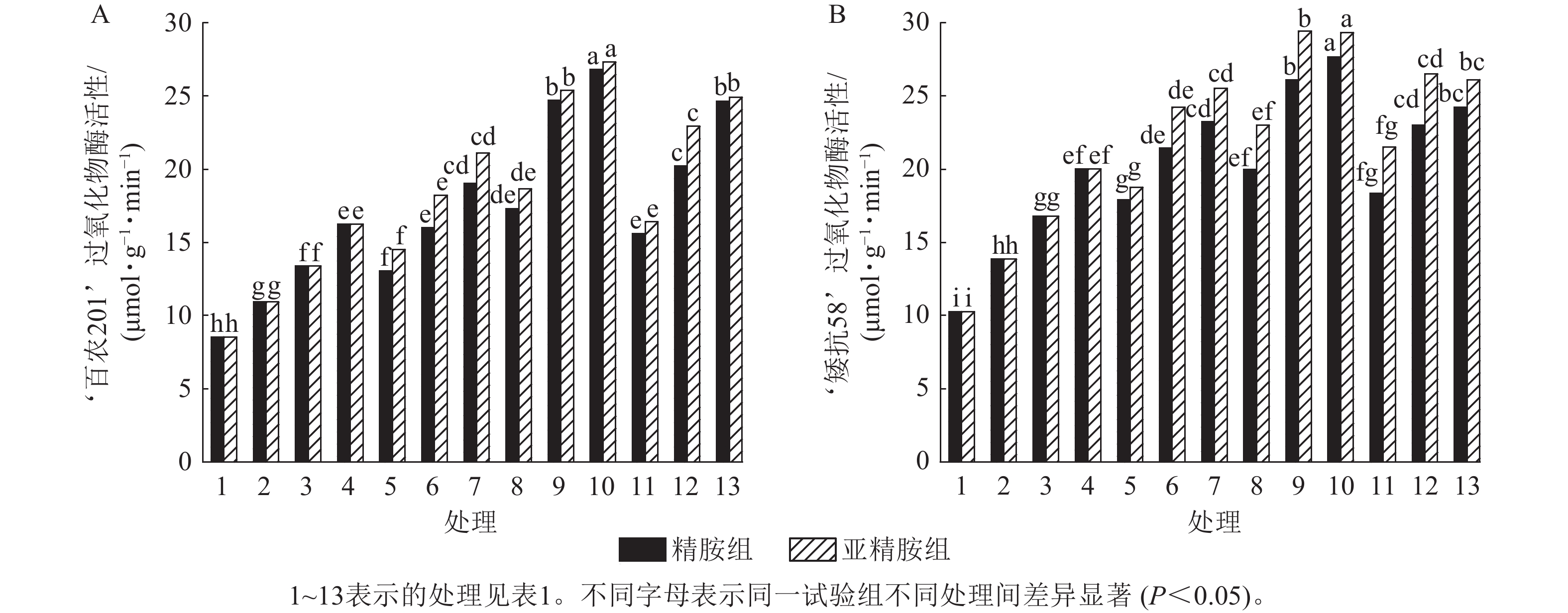
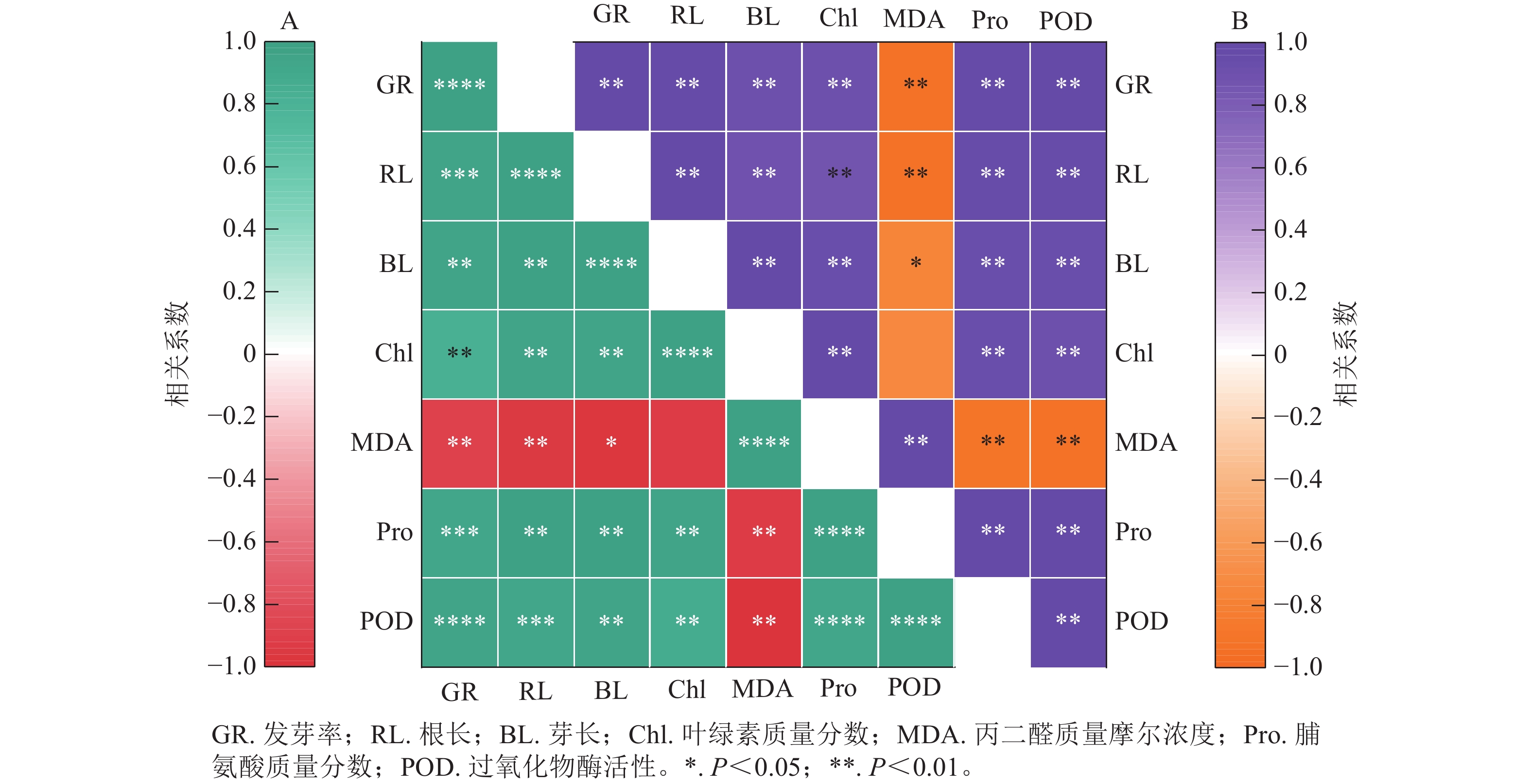
Objective In order to explore the effects of spermidine and spermidine on the germination and growth of wheat (Triticum aestivum) under drought stress, so as to provide a reference for enhancing drought resistance of wheat by applying exogenous spermine and spermidine at appropriate concentrations. Method In this experiment, 2 wheat cultivars ‘Bainong 201’ and ‘Aikang 58’ were used as materials, the seeds were soaked with spermine and spermidine at different concentrations (0.05, 0.10 and 0.20 mmol·L−1), with distilled water soaking as the control (ck). Growth and physiological indexes were measured during wheat germination under drought stress simulated by polyethylene glycol (PEG-6000). Result (1) PEG-6000 drought stress significantly inhibited the growth of wheat seedlings. Compared with ck, the germination rate, root length, bud length and chlorophyll content decreased significantly with the increase of drought stress concentration (P< 0.05), while malondialdehyde content, proline content and peroxidase activity increased (P< 0.05). (2) Spermine and spermidine could promote germination rate, root length, bud length and chlorophyll content of ‘Bainong 201’ and ‘Aikang 58’ seeds under drought stress (P< 0.05). Meanwhile, malondialdehyde content decreased, proline content and peroxidase activity further increased, which could alleviate the inhibitory effect of drought stress. (3) The comprehensive analysis combined with the membership function method showed that the effect of spermine and spermidine on alleviating drought stress of ‘Bainong 201’ with weak drought resistance was better than that of ‘Aikang 58’ with strong drought resistance, and spermidine was better than spermine in alleviating the toxicity of drought damage treatment on seedlings, among which spermidine at 0.10 mmol·L−1 concentration had the most significant regulatory effect on seedling toxicity under drought stress (P< 0.05). Conclusion Exogenous spermine and spermidine at appropriate concentrations can enhance the drought resistance of wheat under drought stress by slowing down chlorophyll degradation, increasing peroxidase activity, increasing osmotic regulatory substances, and reducing the degree of membrane lipid peroxidation. 0.10 mmol·L−1 spermidine is the most effective in improving the drought resistance of wheat under drought stress. [Ch, 8 fig. 2 tab. 42 ref.]
2026, 43(3): 536-543.
doi: 10.11833/j.issn.2095-0756.20250216
Abstract:
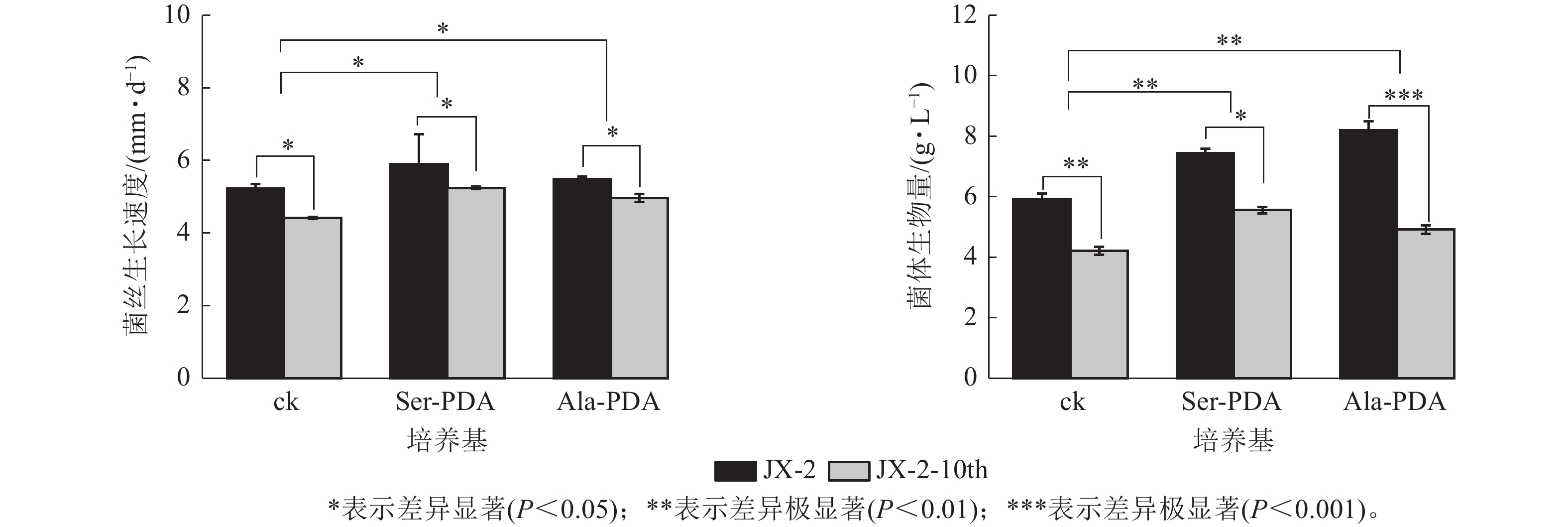
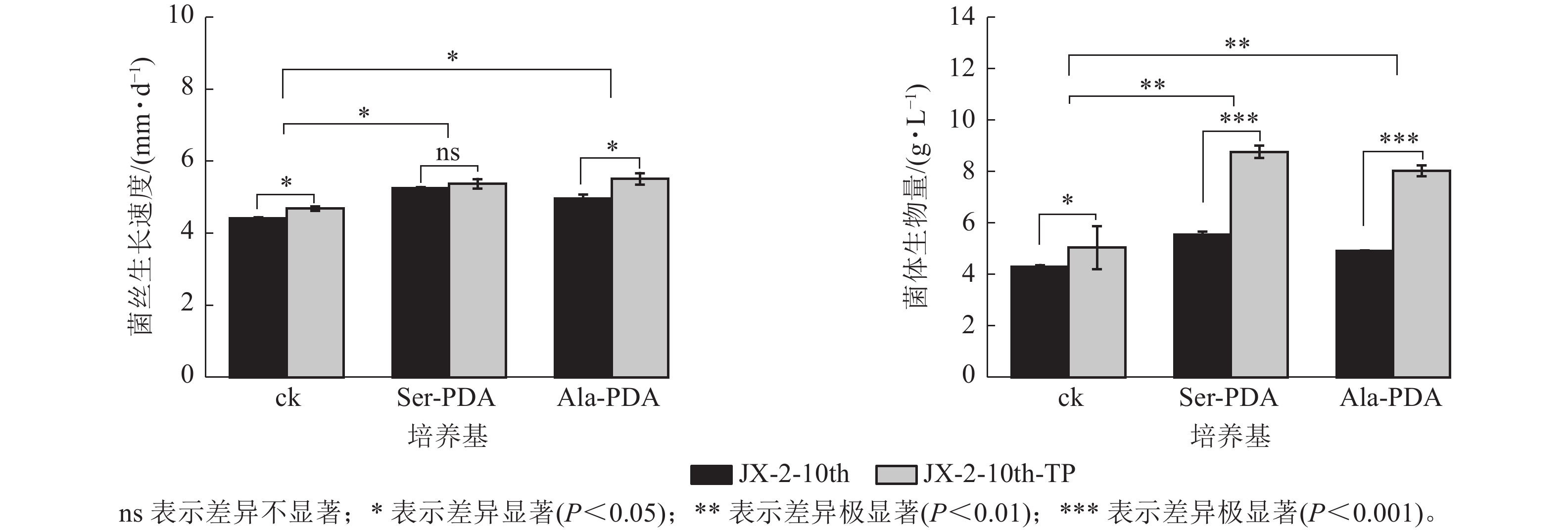
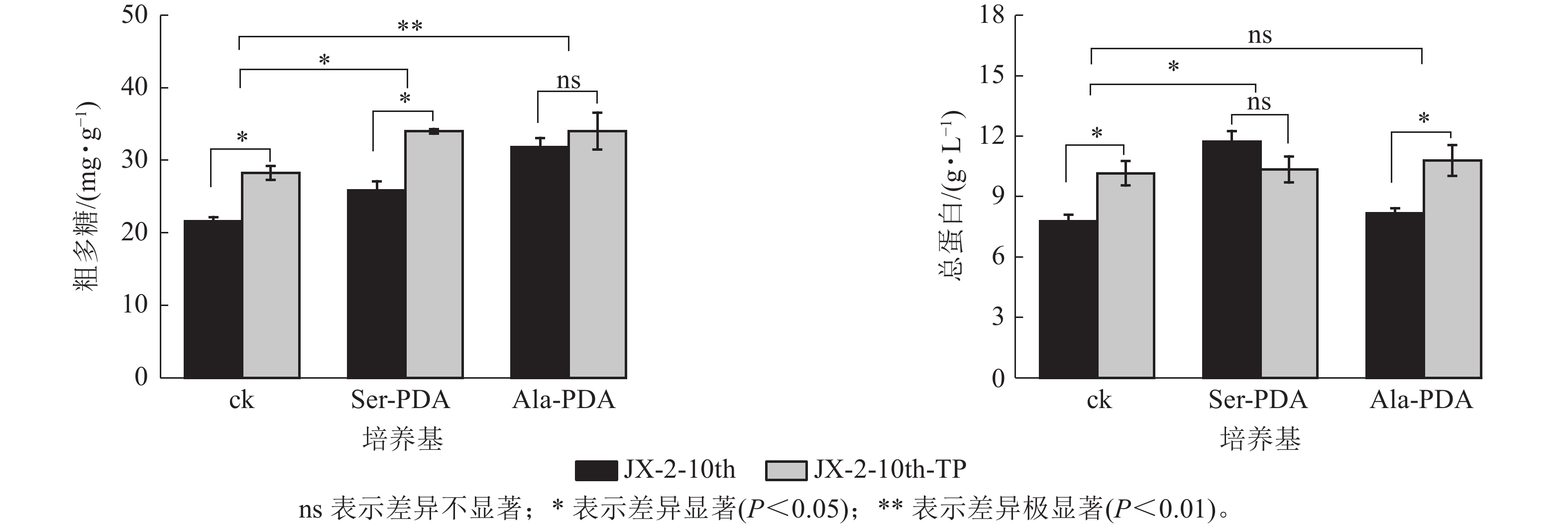
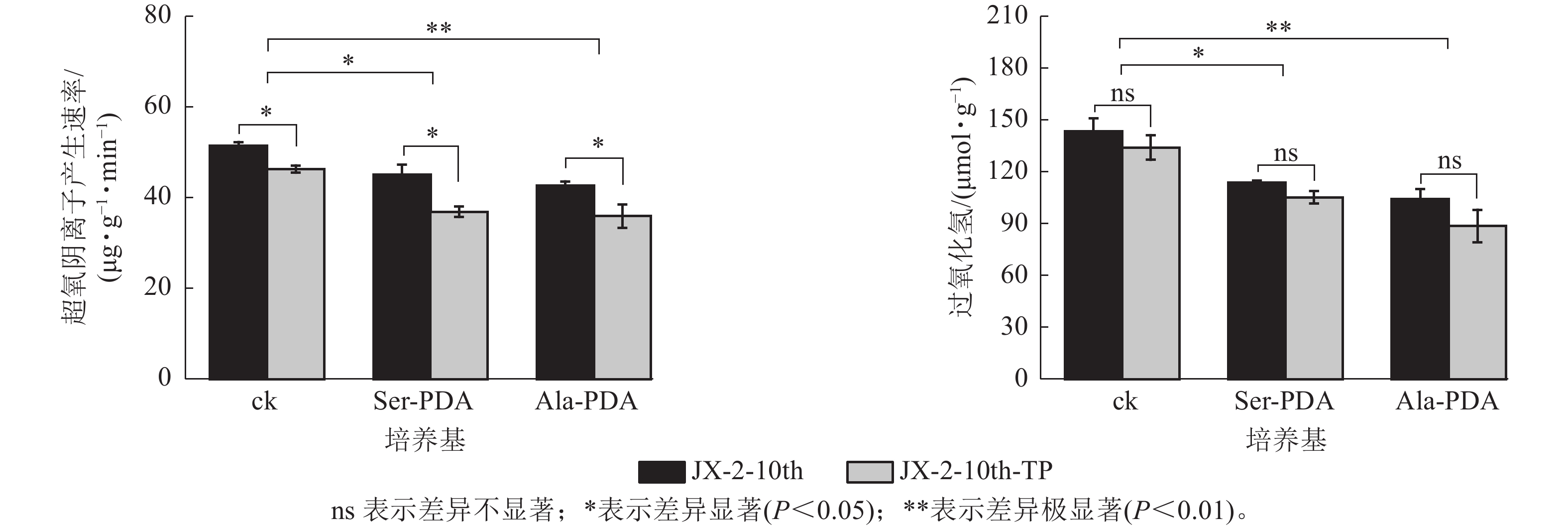
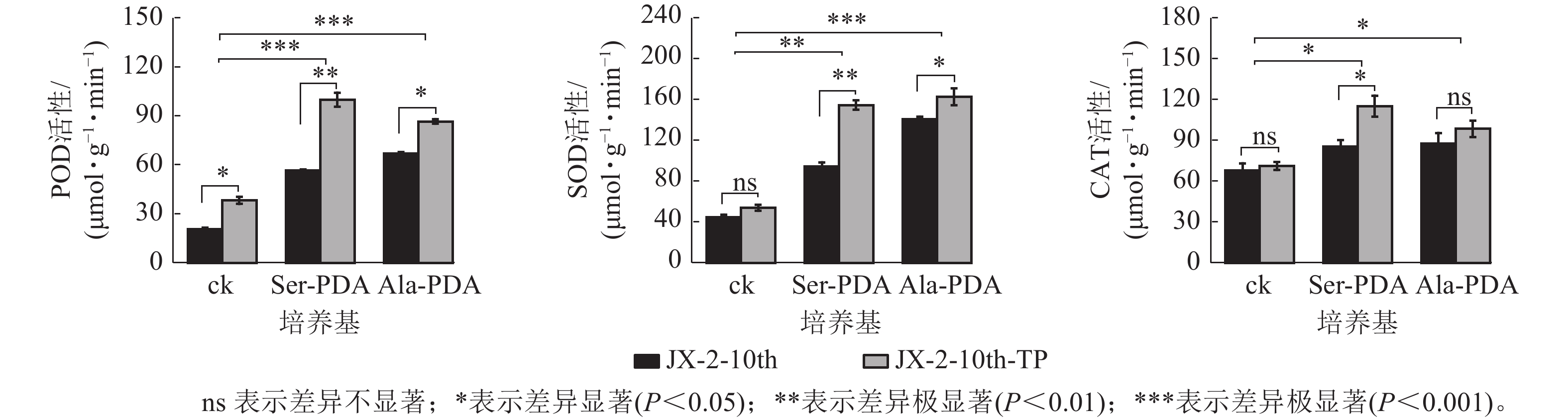
Objective This study aimed to investigate the effects of serine (Ser) and alanine (Ala) on strain degeneration and rejuvenation in Pleurotus pulmonarius, providing theoretical insights for mitigating the industrial bottleneck of strain stability and degeneration. Method Using the P. pulmonarius strain JX-2, a degeneration model was established through 10 successive subcultures on potato dextrose agar (PDA) medium. Comparative cultivation experiments were performed with Ser- or Ala-supplemented media. Mycelial growth rate, biomass, and biochemical parameters (crude polysaccharides, total protein content) were systematically quantified. Changes in superoxide anion production rate, hydrogen peroxide (H2O2) content, and antioxidant enzyme activities were analyzed. The rejuvenation efficacy of hyphal tip purification was evaluated across different media (PDA, Ser-PDA, Ala-PDA). Result Continuous subculturing induced strain degeneration. The 10th-generation strain exhibited a 15.45% reduction in growth rate and 28.67% biomass decrease compared to initial generations. Ser or Ala supplementation effectively delayed degeneration and maintained mycelial vitality. Hyphal tip purification significantly reversed degenerative traits. In PDA medium, this method increased biomass by 17.17%, elevated crude polysaccharides and total protein content by 30.66% and 30.50%, respectively, and enhanced antioxidant capacity [peroxidase (POD) activity, +84.20%; superoxide dismutase (SOD) activity, +20.07%]. Ser-PDA medium demonstrated superior rejuvenation effects, achieving 57.77% biomass increase and 63.70% SOD activity enhancement. Ala-PDA medium specifically boosted total protein content by 32.01%. Conclusion Subculturing frequency critically drives P. pulmonarius strain degeneration. Media supplementation with 2 g·L−1 Ser or Ala substantially mitigates this process. Hyphal tip purification synergized with amino acid-enriched media achieves targeted rejuvenation efficiency: Ser-PDA preferentially enhances antioxidant defenses, while Ala-PDA specifically promotes protein biosynthesis. [Ch, 5 fig. 33 ref.]
2026, 43(3): 544-551.
doi: 10.11833/j.issn.2095-0756.20250440
Abstract:
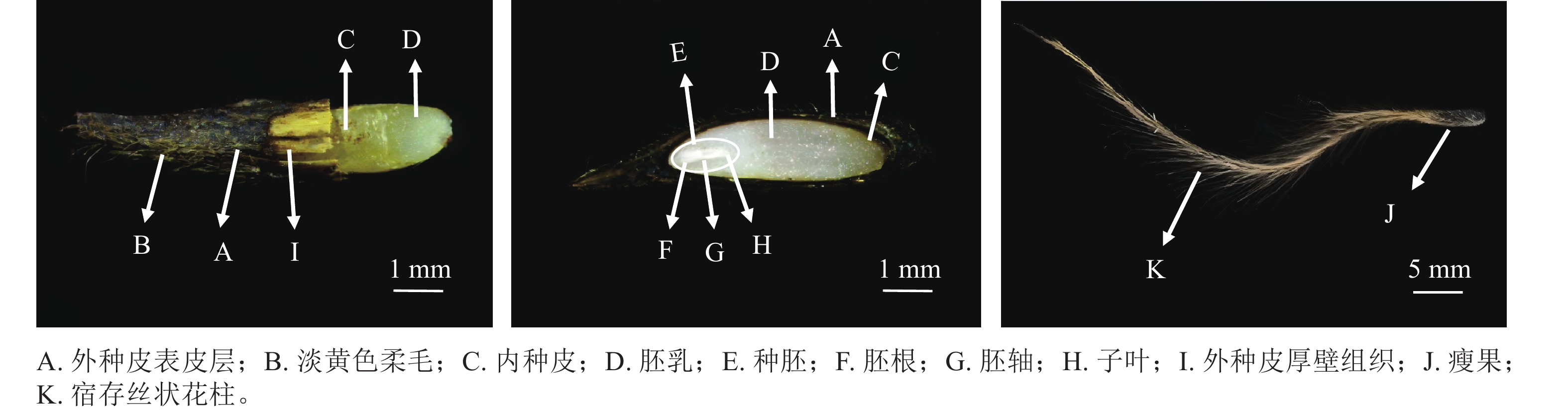
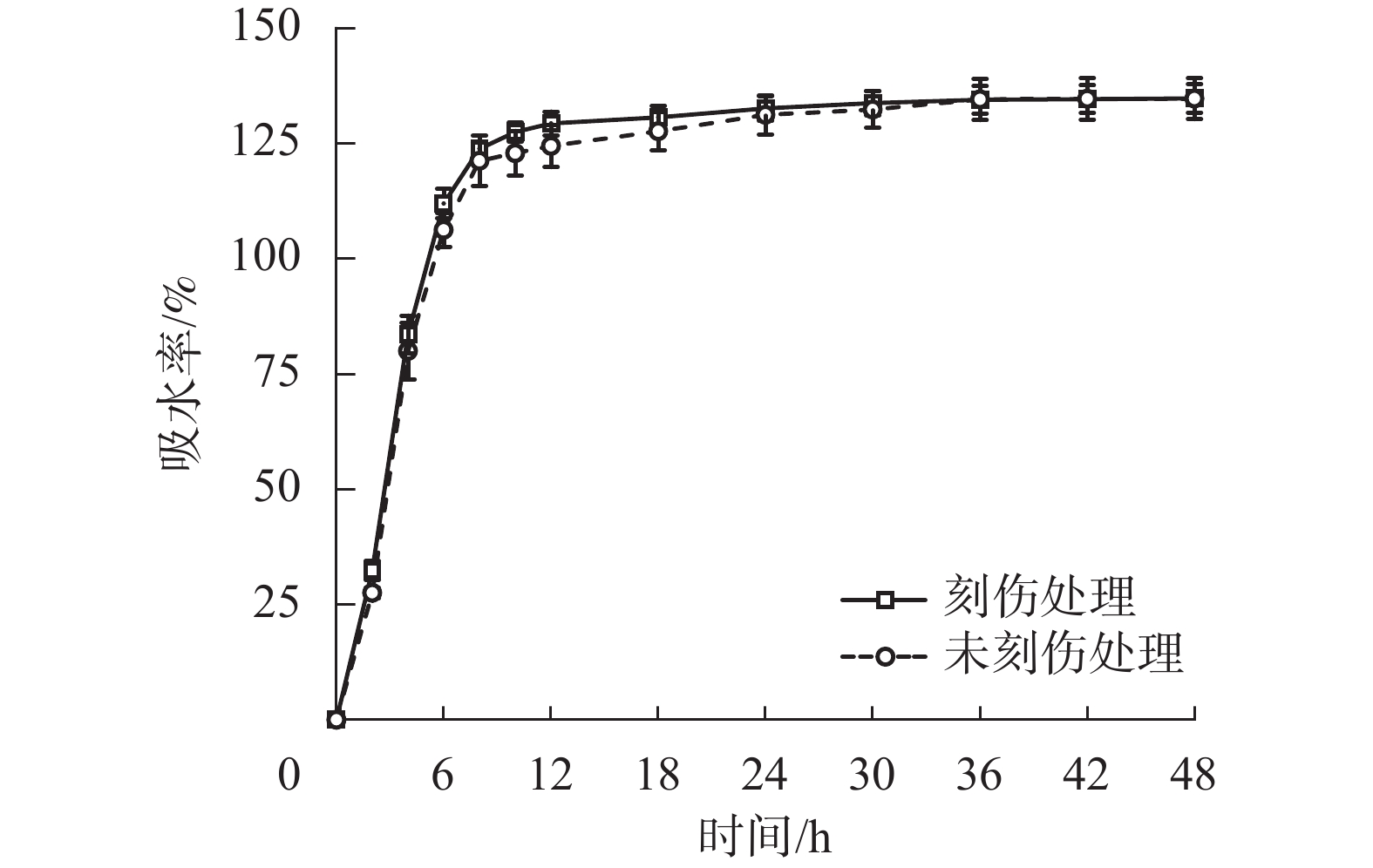
Objective This study aims to explore the reasons for dormancy of Clematis dilatata seeds and find effective methods to break dormancy, providing a basis for the protection, development and utilization of this plant. Method Using seeds of C. dilatata as experimental material, the morphological traits, seed coat permeability, and endogenous inhibitors (using seeds of Brassica rapa var. glabra as the receptor) were observed. Furthermore, treatments with different gibberellin (GA3) concentrations (0, 50, 100, and 200 mg·L−1) were applied, varying durations of cold stratification (0−98 d), and treatments of different temperature (constant and alternating) and photoperiod (alternating light/dark and complete darkness) were combined to screen for the most effective dormancy-breaking method. Result At maturity, seeds of C. dilatata had differentiated but underdeveloped embryos. The seed coat showed good water permeability, posing no barrier to water uptake by the embryo. Aqueous extracts from the seed coat and endosperm had no significant effect on the germination of B. rapa var. glabra seeds. Compared to the constant temperature (25 ℃) or complete darkness, alternatingtemperature (25 ℃ 16 h/15 ℃ 8 h) and a light/dark cycle (light 16 h/dark 8 h) were more conducive to seed germination. Cold stratification significantly reduced the mean time to radicle emergence (21−45 d) compared to the control (75 d). When stratification duration increased, germination rate firstly increased and then decreased, while germination potential firstly increased and then stabilized, and the mean time to radicle emergence decreased progressively until stabilizing. After 70 d of cold stratification, germination rate peaked at (64.33±5.51)%, with a germination potential of (7.33±1.15)% and a mean radicle emergence time of 25 d. Treatment with 50 mg·L−1 GA3 resulted in a high germination rate of (68.33±3.51)%, a germination potential of (8.00±1.00)%, and a mean radicle emergence time of 23 d. However, higher GA3 concentration reduced both germination rate and potential, and prolonged the mean time to radicle emergence. Conclusion Seeds of C. dilatata belong to non-deep simple morphophysiological dormancy. Under alternating temperature and light/dark conditions, treatment with 50 mg·L−1 GA3 or cold stratification for 70 d can effectively seed dormancy. [Ch, 2 fig. 4 tab. 31 ref.]
2026, 43(3): 552-561.
doi: 10.11833/j.issn.2095-0756.20250364
Abstract:
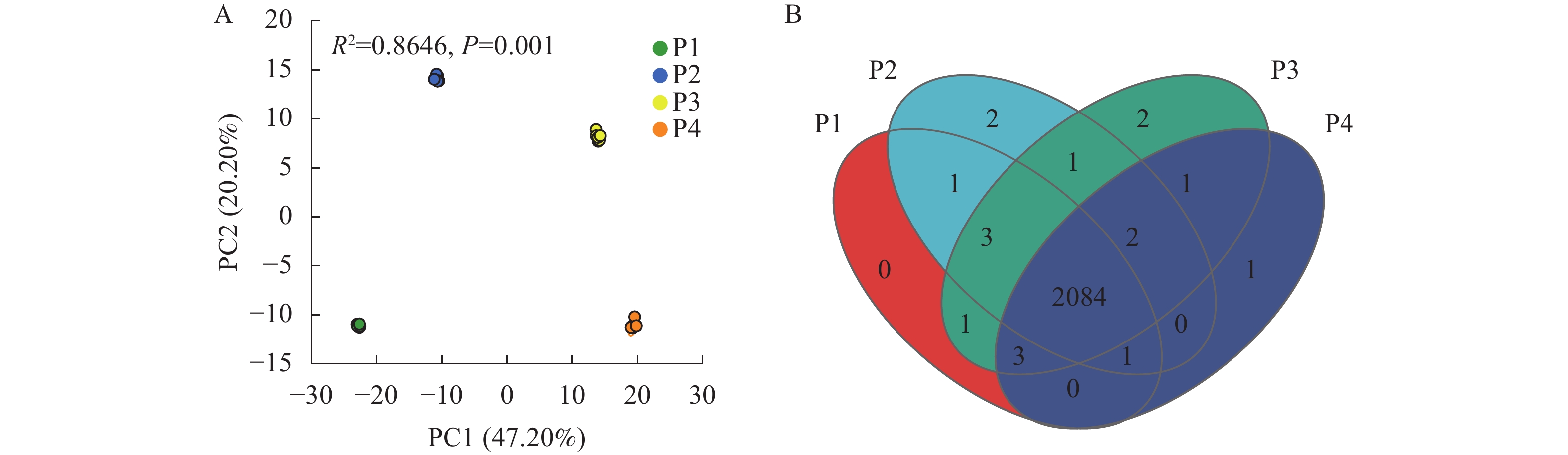
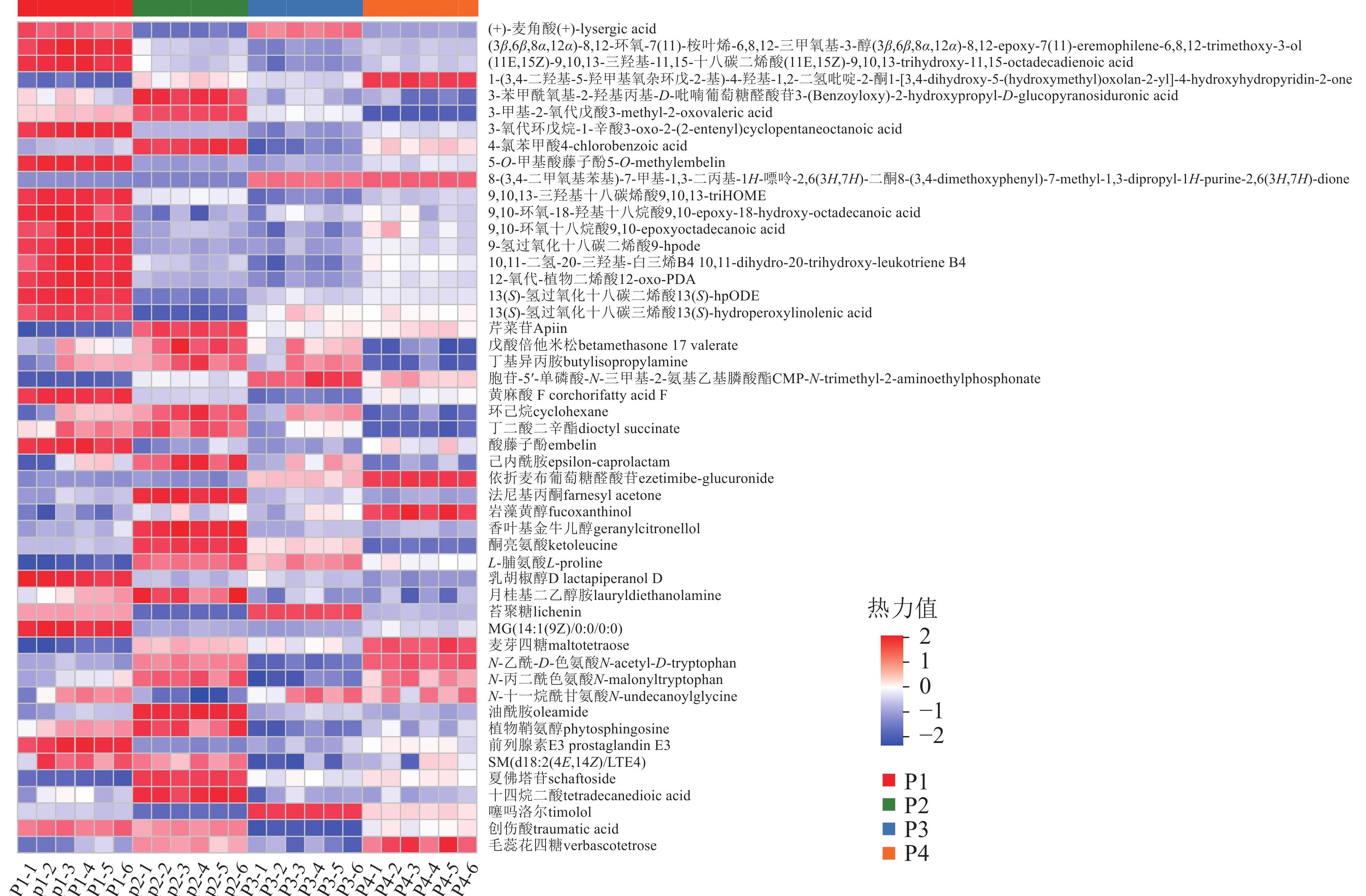
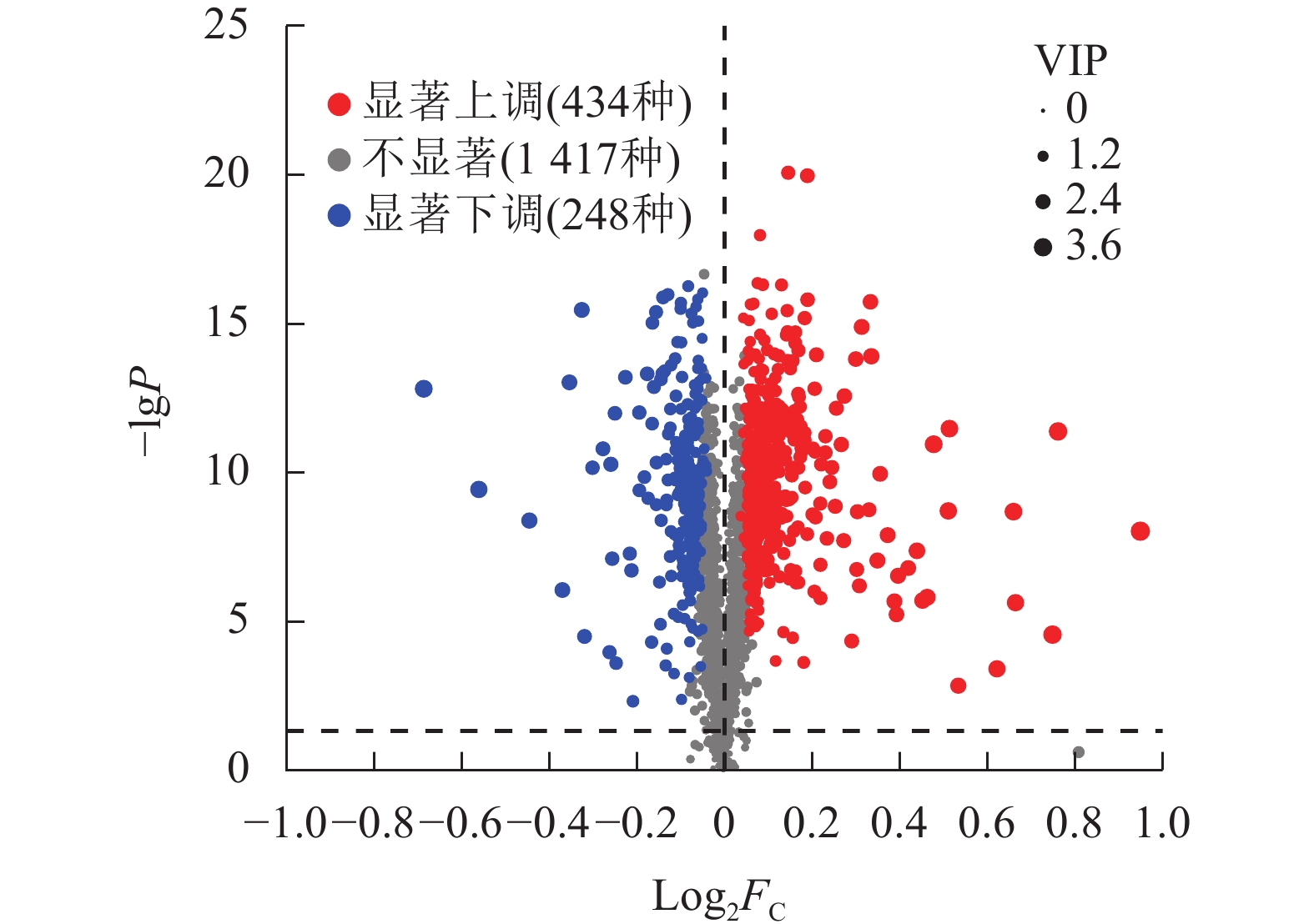
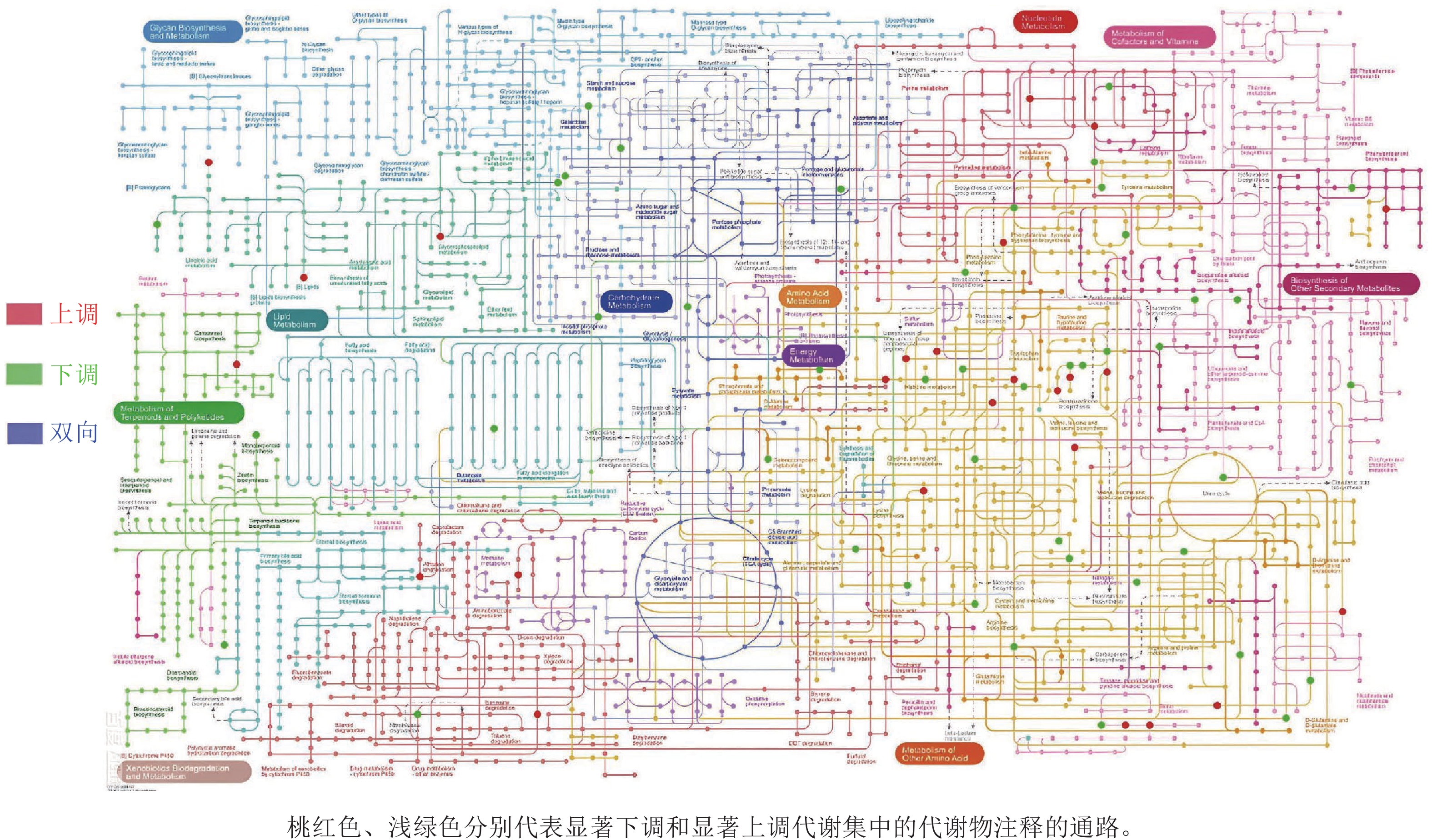
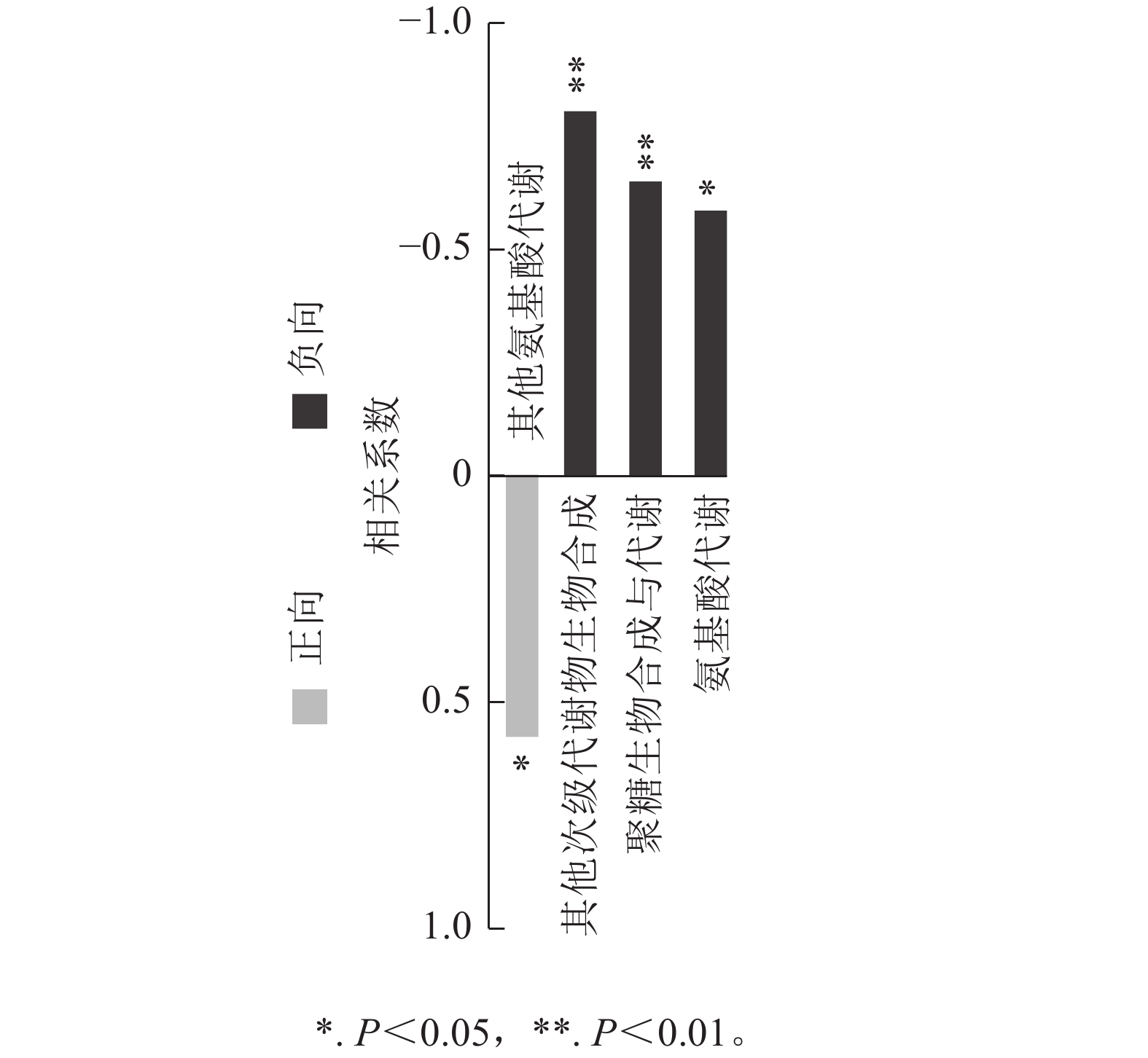
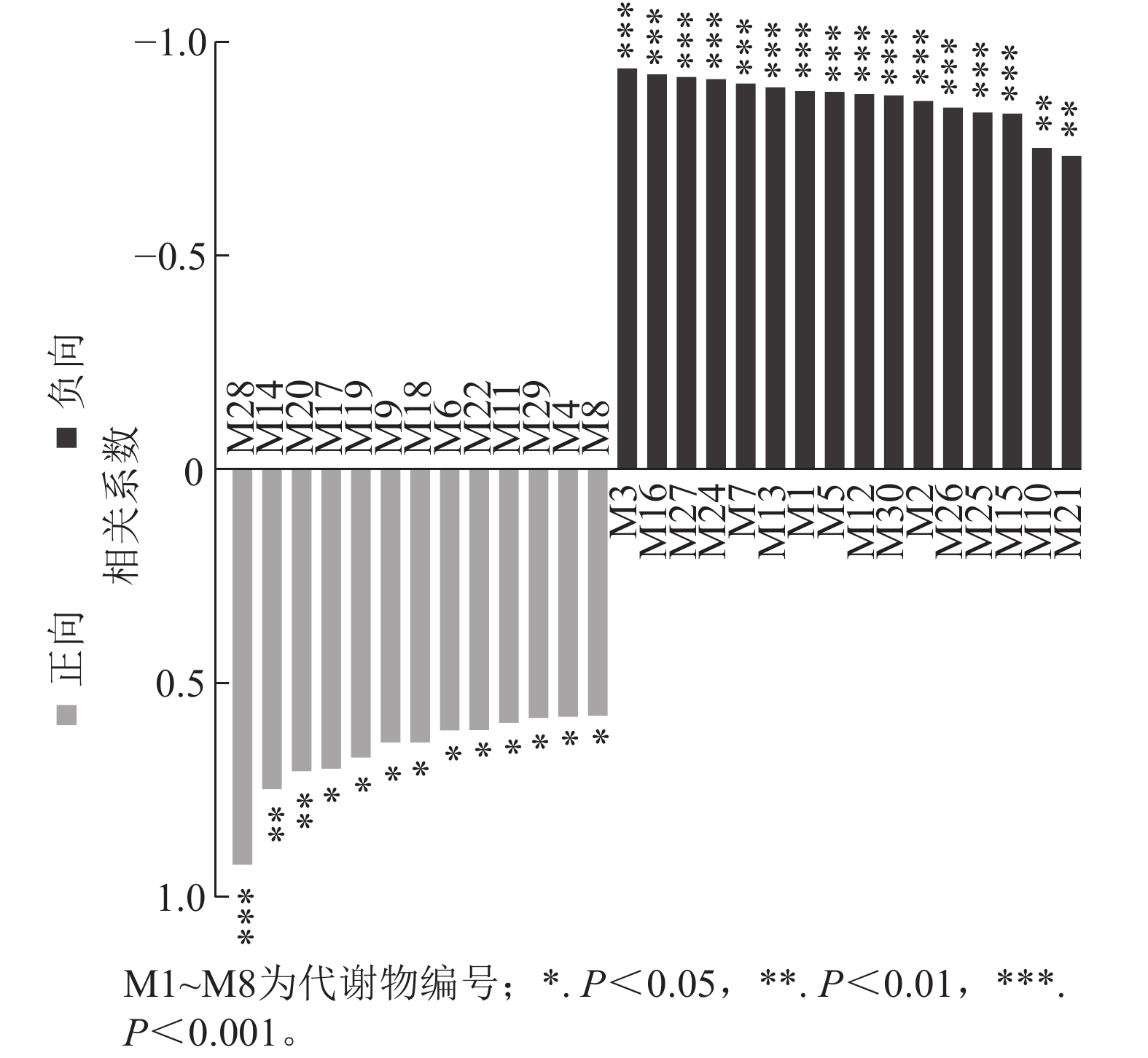
Objective Cereal cyst nematode (CCN) is a widespread and severe soil-borne disease in wheat, seriously threat to the food security in China. The application of phosphate fertilizer can effectively reduce the number of cysts in wheat field. Aim to reveal the role of root exudates in the regulation of CCN occurrence by phosphate fertilizer. Method A wheat pot experiment was conducted with applying different phosphorus levels (P1: 0 kg·hm−2 P2O5; P2: 72 kg·hm−2 P2O5; P3: 144 kg·hm−2 P2O5; P4: 216 kg·hm−2 P2O5). By analyzing the occurrence of CCN, as well as the composition differences of wheat root exudates which were determined by LC-MS metabolomics under different treatments. Result Under P3 treatment, the phosphorus concentration in shoot was significantly improved, and the number of cysts was the lowest, which was 55% lower than that of P1 (P<0.05). As increased phosphorus supplying, the number of cysts under P4 treatment was significantly higher than that of P3 (P<0.05), suggesting that excessive application of phosphorus might aggravate CCN diseases. The PCA analysis indicated that the composition of root exudates under P3 treatment was significantly different from that of P1. Compared with P1 treatment, there were 682 dissimilar root exudates under P3 treatment, among which 434 were significantly enriched (P<0.05) and 248 were significantly reduced (P<0.05). These significant different root exudates are involved in glycan biosynthesis and metabolism, amino acid metabolism, and the biosynthesis of other secondary metabolites. Correlation analysis with cysts revealed that there were 16 significantly negatively correlated root exudates under P3 treatment (P<0.05), including organic oxides, organic acids, organic heterocyclic compounds, lipids, benzene ring compounds, and polyketides, and it has been reported that some of these substances have inhibitory effects on plant diseases. Conclusion Resistance of CCN can be enhanced by optimizing phosphate fertilizer application, which stimulates the root secretion of disease-suppressive compounds. These findings initially reveal the regulatory mechanism of phosphate fertilizer in inhibiting the occurrence of CCN, providing a theoretical basis for the green control technology system of plant parasitic nematodes through reduction of fertilizers and pesticides. [Ch, 6 fig. 2 tab. 43 ref.]
2026, 43(3): 562-572.
doi: 10.11833/j.issn.2095-0756.20250305
Abstract:
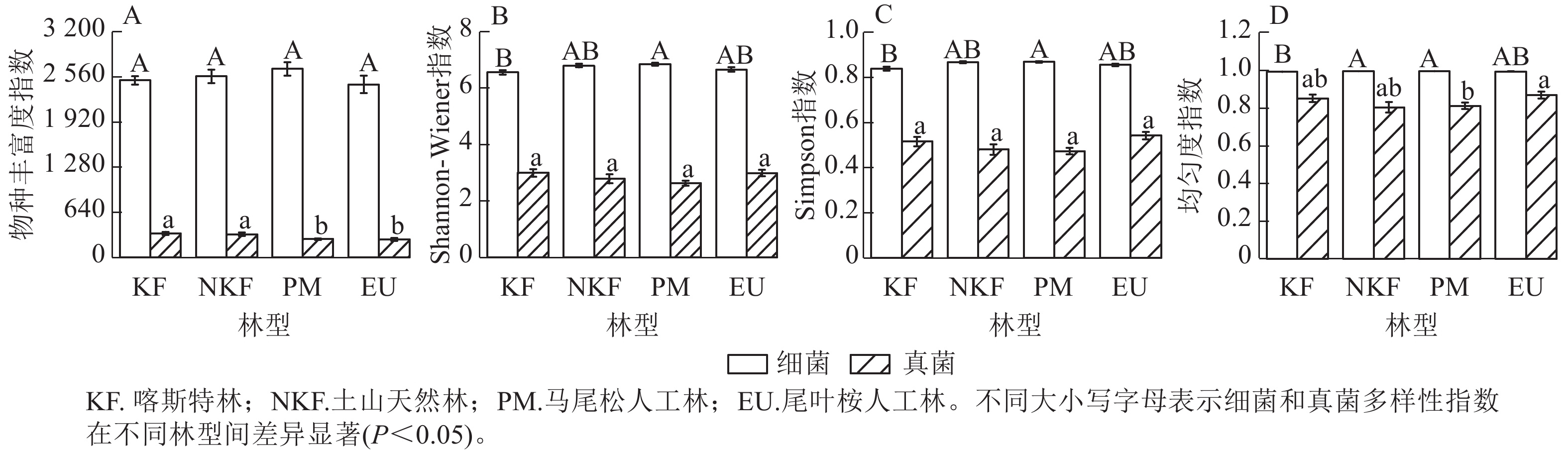
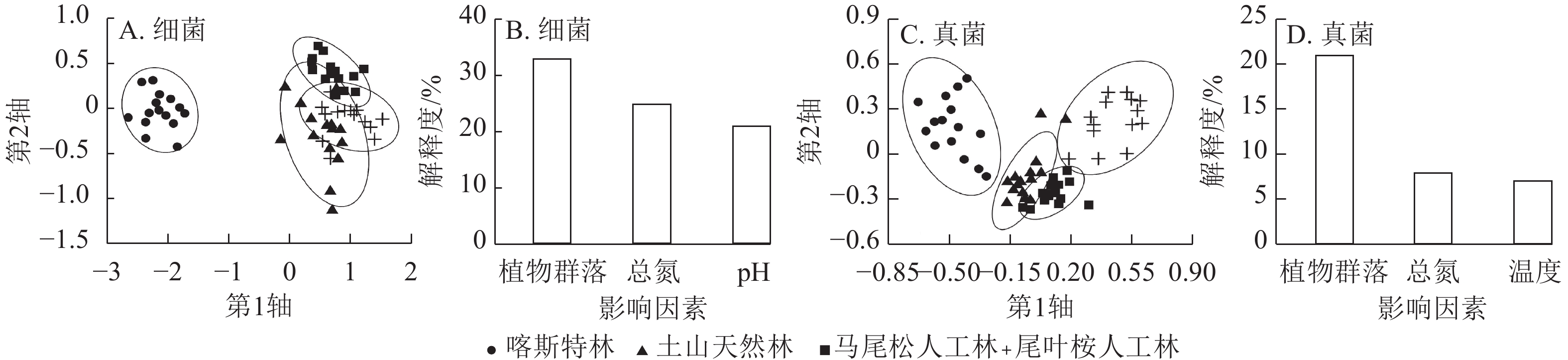
Objective This study aims to explore soil microbial diversity in artificial ecological pubic welfare forests of Pinus massoniana and Eucalyptus urophylla by comparing them with zonal natural public welfare forests. Method Soil bacterial and fungal communities were investigated in 2 artificial public welfare forests, and 2 natural pubic welfare forests (karst, and non-karst natural forests) in Yachang Orchid Natural Reserve, Guangxi. The influence mechanism of plant communities and soil factors on the composition and diversity of soil microbial communities across different forest types were analyzed. Result The contents of total carbon, total nitrogen, total phosphorus, available potassium, and available calcium in the soil of artificial forests were significantly lower than those in zonal natural forests (P<0.05), while there was no significant difference in available magnesium. The available phosphorus in artificial forests was significantly lower than that in non-karst natural forests and higher than that in karst forests (P<0.05). The Shannon-Wiener, Simpson, and evenness indices of bacteria in P. massoniana forests were significantly higher than those in karst forests (P<0.05), but there was no significant difference in non-karst natural forests. There was no significant difference in species richness index between P. massoniana forests and zonal natural forests. The species richness, Shannon-Wiener, Simpson, and evenness indices of bacteria in E. urophylla forests were not significantly different from those in zonal natural forests. The species richness index of fungi in artificial forests was significantly lower than that in zonal natural forests (P<0.05), while no significant differences were found in the Shannon-Wiener, Simpson, and evenness indices. There were significant differences in the composition of bacterial and fungal communities among different forest types (P<0.001), and the main influencing factors were plant community composition (explaining 33.4% and 21.2% of the variation, respectively) and soil total nitrogen content (explaining 24.8% and 7.8% of the variation, respectively). The difference in bacterial community composition was also influenced by soil pH (explaining 20.9% of the variation), while the fungal community composition was influenced by soil temperature (explaining 7.2% of the variation). This resulted in a significant decline in the relative abundance of nitrogen-fixing bacteria (such as Xanthobacteraceae) and copiotrophic and alkaliphilic bacteria (such as Proteobacteria, Actinobacteria and Bacteroidetes) in artificial forests, while the relative abundance of oligotrophic and acidophilic bacteria (such as Acidobacteria and Chloroflexi) increased. There was a significant increase in pine-associated symbiotic fungi (such as Mortierellaceae and Sebacinaceae) in P. massoniana forests, and eucalyptus-associated symbiotic fungi (such as Gloniaceae) in E. urophylla forests. In contrast, the symbiotic fungi (such as Russulaceae) of oak trees (the dominant species in natural forests) and copiotrophic, cold-adapted fungi (such as Hymenogastraceae) decreased in both artificial forests. There was no significant difference in bacterial functional groups among different forest types, while there were significant differences in fungal functional groups. Conclusion The artificial public welfare forests of P. massoniana and E. urophylla still face the problems of a monotonous plant community and declining soil nutrients, resulting in a significant reduction in fungal diversity and significant changes in functional groups, but bacterial diversity and functional groups have not been significantly affected. [Ch, 2 fig. 4 tab. 41 ref.]
2026, 43(3): 573-584.
doi: 10.11833/j.issn.2095-0756.20250403
Abstract:
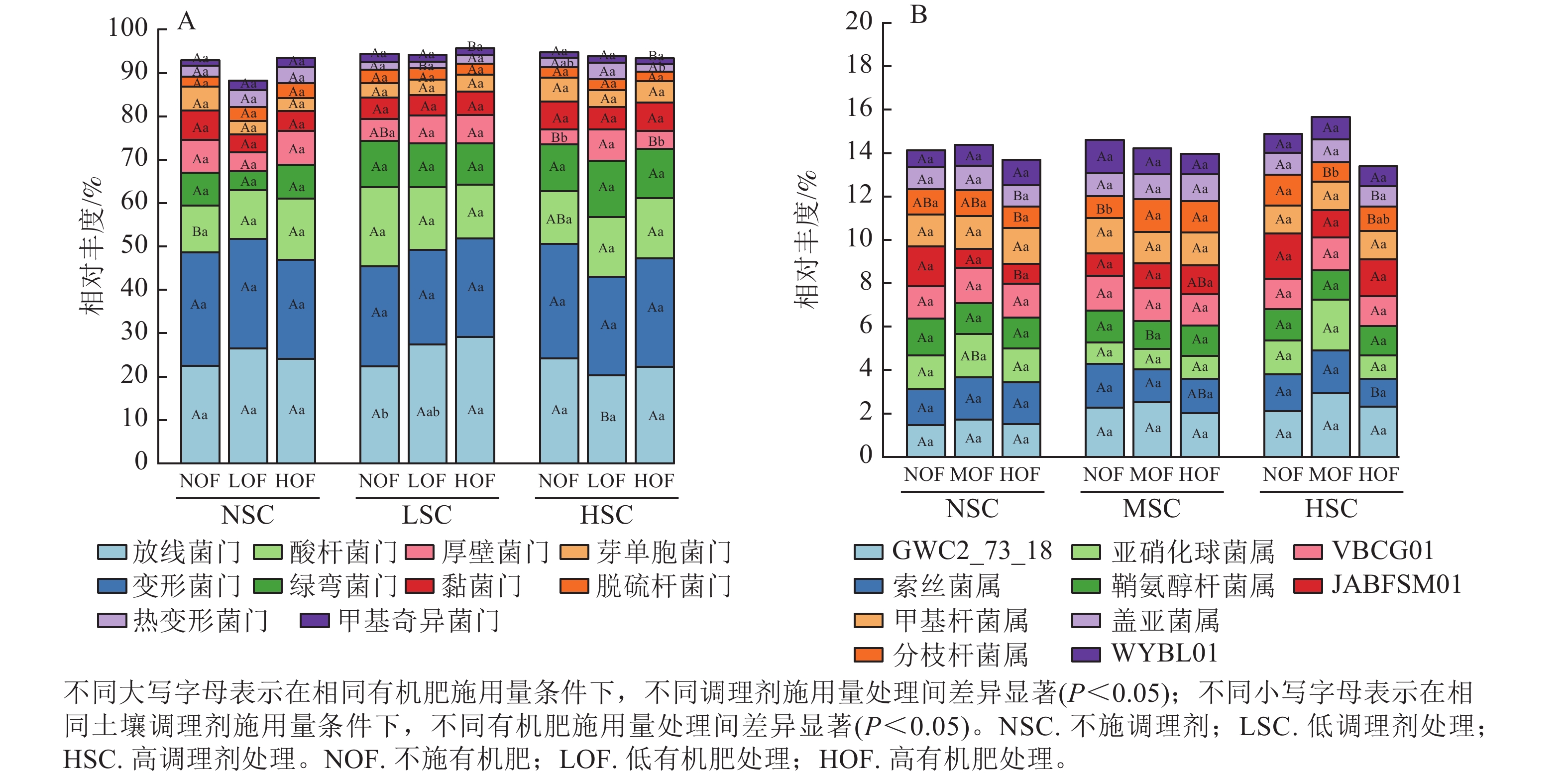
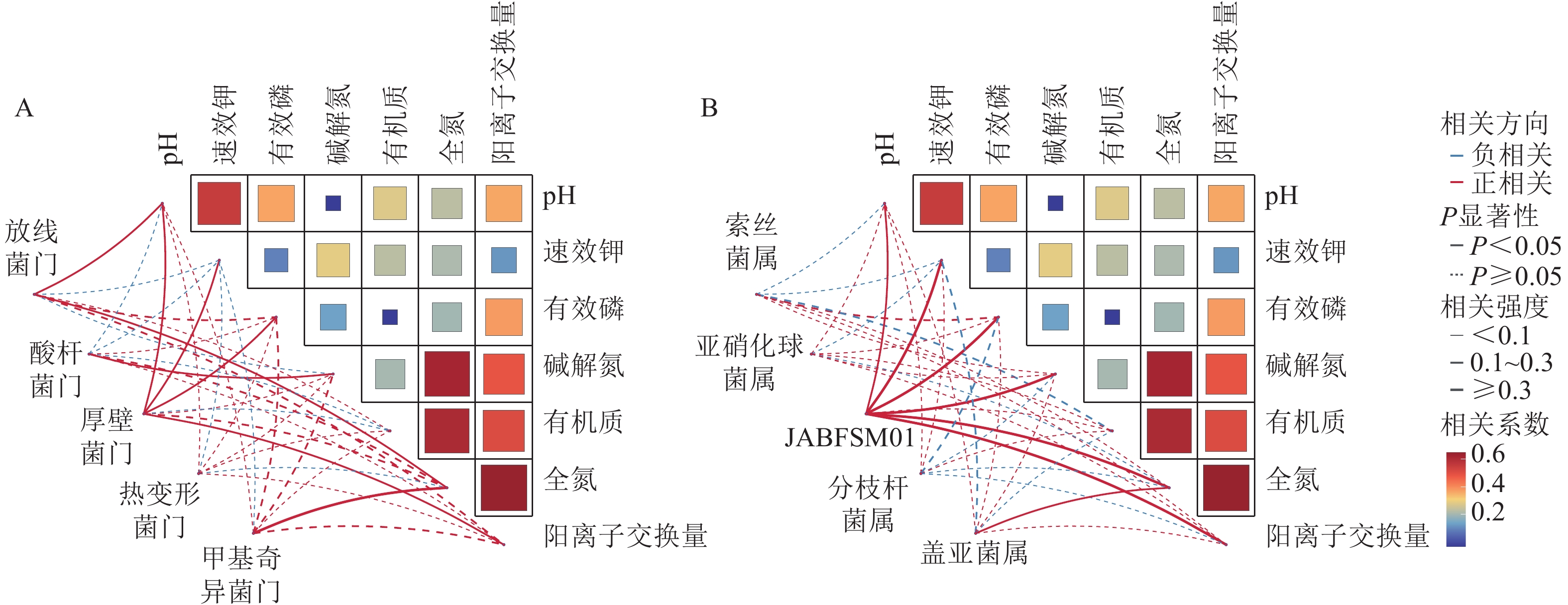
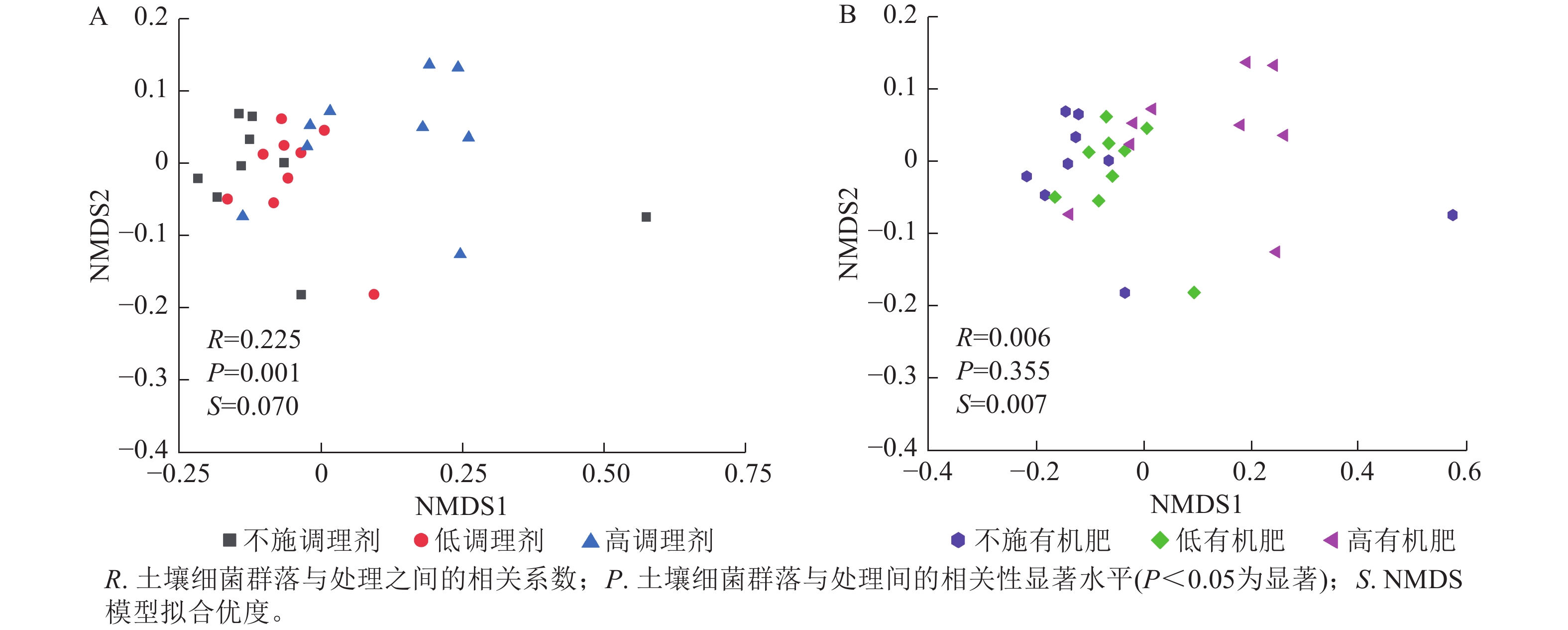
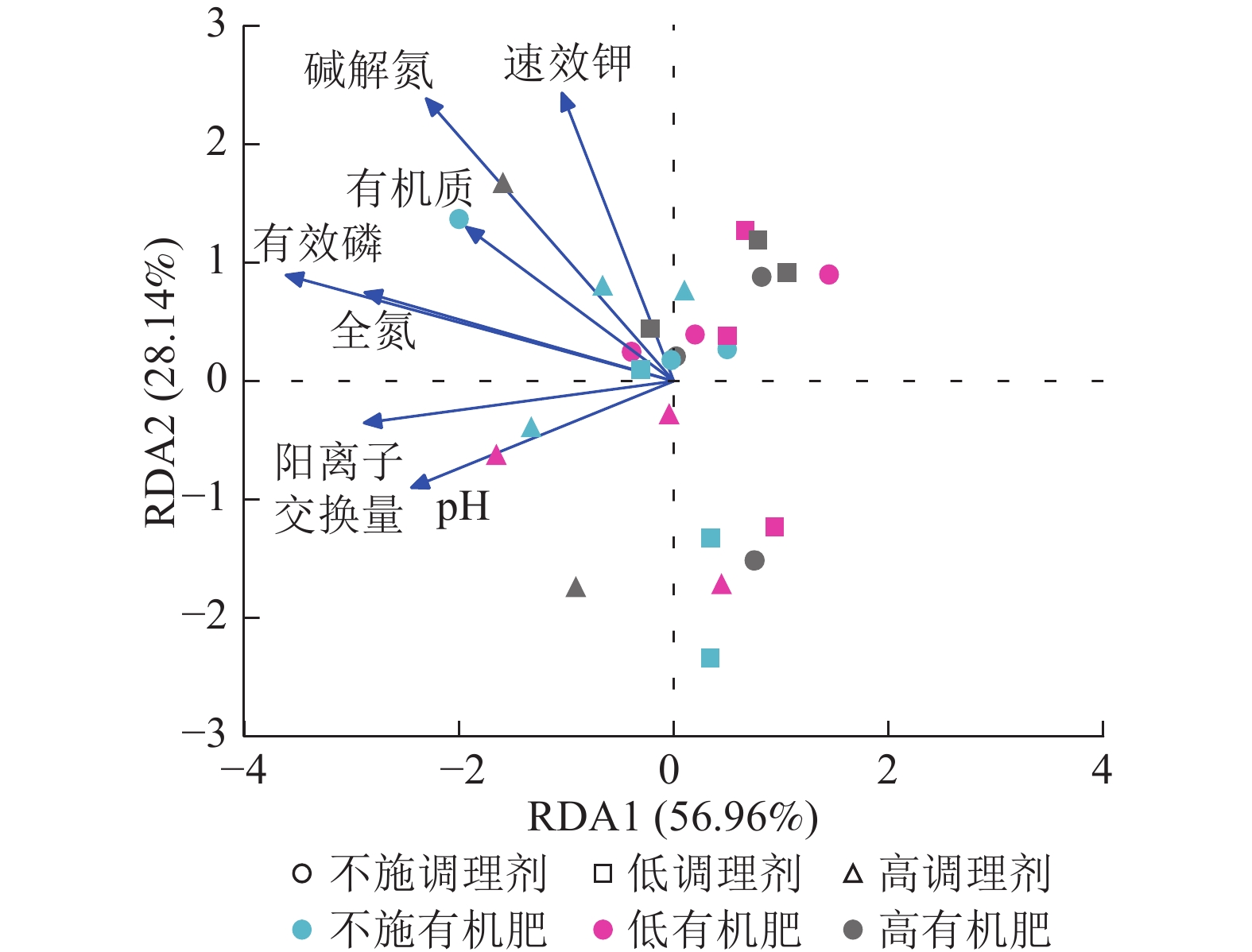
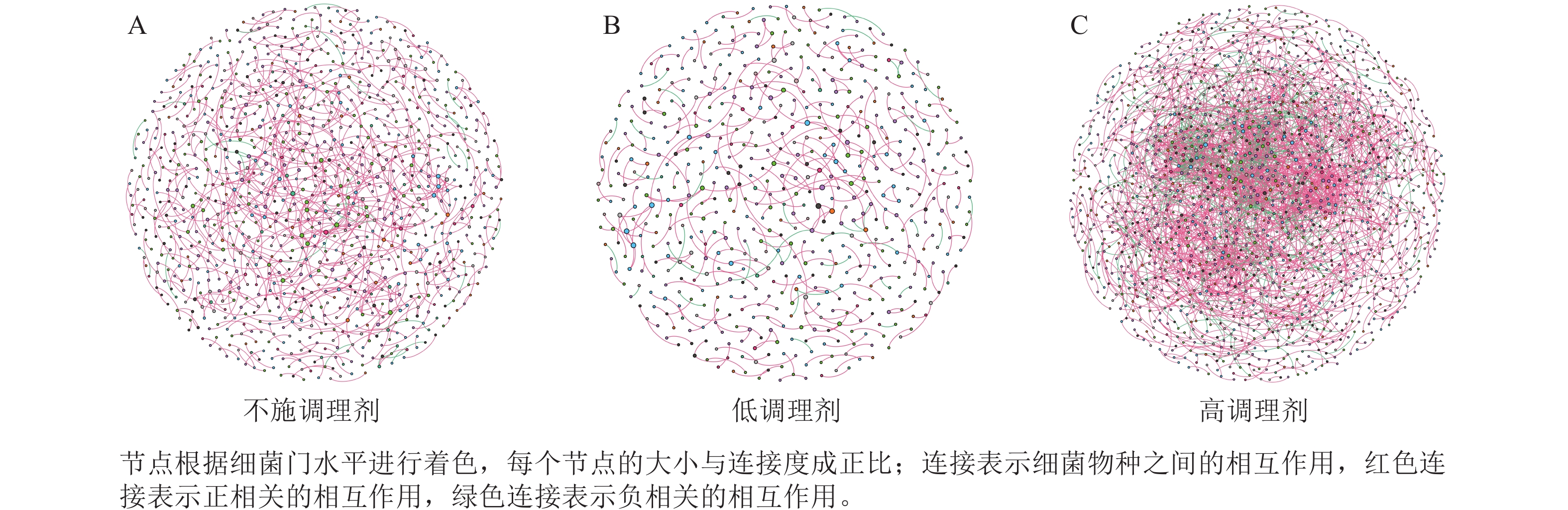
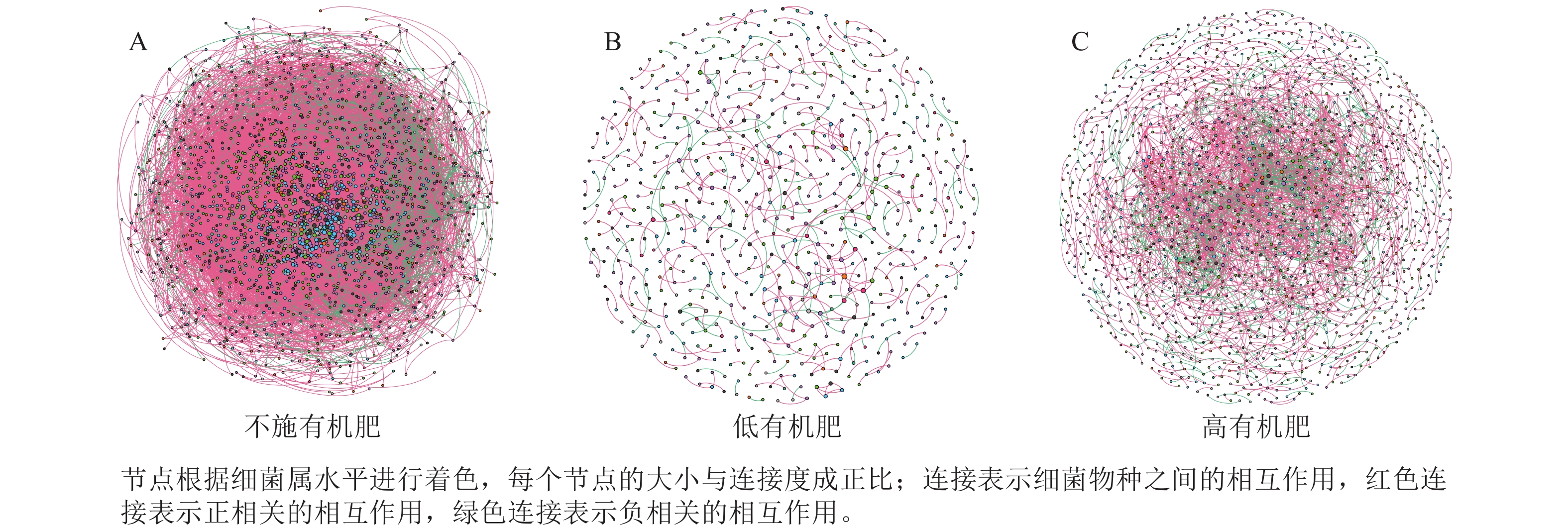
Objective The objective is to investigate the short-term effects of organic fertilizer, soil conditioner and their application rates on the soil bacterial communities in the soil of open-field vegetables. Method A field experiment was conducted in 2023 at the Lüyuan Vegetable Base in Lin’an District, Hangzhou City, Zhejiang Province, using a two-factor randomized block design with 3 replications per treatment. The study examined the effects of three organic fertilizer application levels, namely no organic fertilizer (NOF), low organic fertilizer (4.50 t·hm−2, LOF), and high organic fertilizer (7.50 t·hm−2, HOF), on the soil nutrient contents and bacterial community structure of open-field vegetables (Solanum melongena) under 3 conditions: no conditioner (NSC), low conditioner (0.75 t·hm−2, LSC), and high conditioner (1.50 t·hm−2, HSC). Result The increase in soil conditioner application rate significantly increased soil pH and the contents of available potassium, available phosphorus, and organic matter (P<0.05). The increase in the application rate of organic fertilizer increased soil organic matter content, but significantly decreased available phosphorus content (P<0.05). Different fertilization treatments had no significant effect on the α-diversity of the soil bacterial community. LOF treatment significantly increased the relative abundance of Firmicutes and Thermoproteota under HSC treatment mode (P<0.05). Under NOF treatment, LSC treatment significantly increased the relative abundance of Kouleothrix. Correlation analysis showed that the relative abundance of Actinobacteriota, Proteobacteria and Firmicutes was significantly positively correlated with soil pH and soil available phosphorus content (P<0.05), while Myxococcota was significantly positively correlated with soil available nitrogen, total nitrogen and cation exchange capacity (P<0.05). Soil available phosphorus, alkali hydrolyzed nitrogen, total nitrogen and soil cation exchange capacity were the main environmental factors affecting the bacterial community structure. Co-occurrence network analysis indicated that the application of both soil conditioner and organic fertilizer altered the co-occurrence network patterns of soil bacterial, while HSC and HOF treatments increased the complexity of the bacterial co-occurrence network. Conclusion The 1.50 t·hm−2 high conditioner treatment can improve the nutrient supply level, optimize the bacterial community structure, and enhance the soil health. The combined application of high conditioning agent and low organic fertilizer yields the best results. High organic fertilizer treatment is more beneficial to the health of soil used for eggplant cultivation. [Ch, 6 fig. 4 tab. 34 ref.]
2026, 43(3): 585-597.
doi: 10.11833/j.issn.2095-0756.20250203
Abstract:
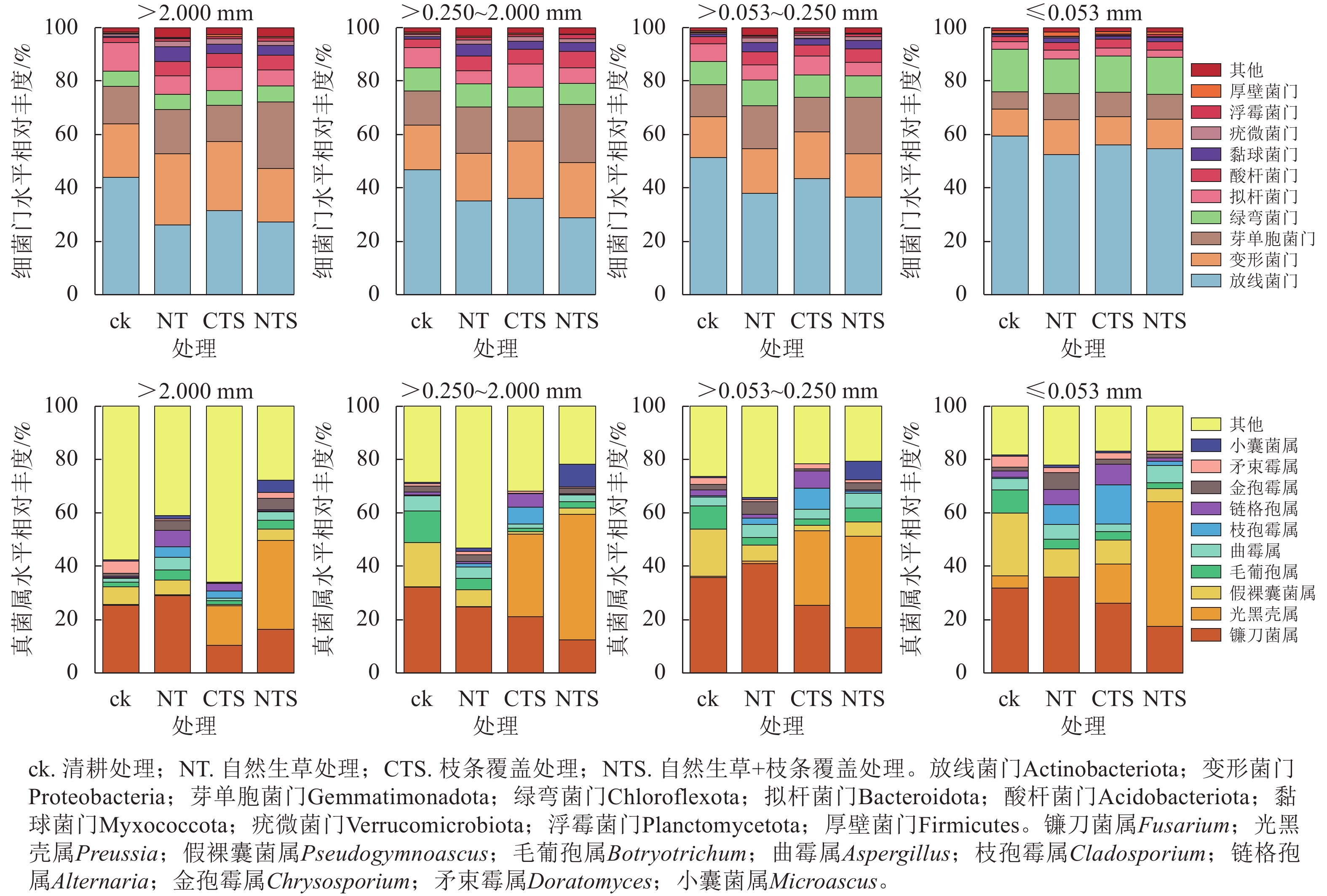
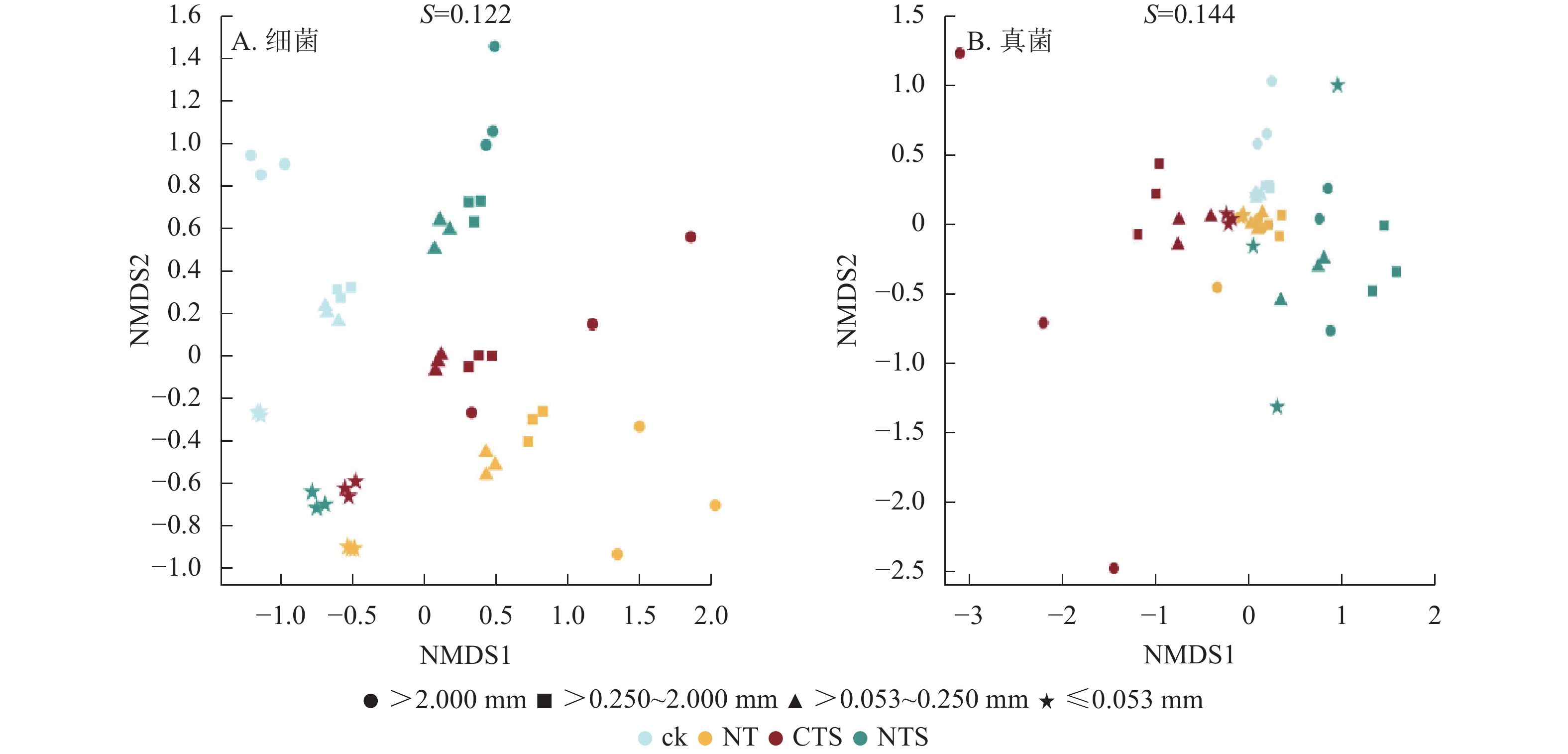
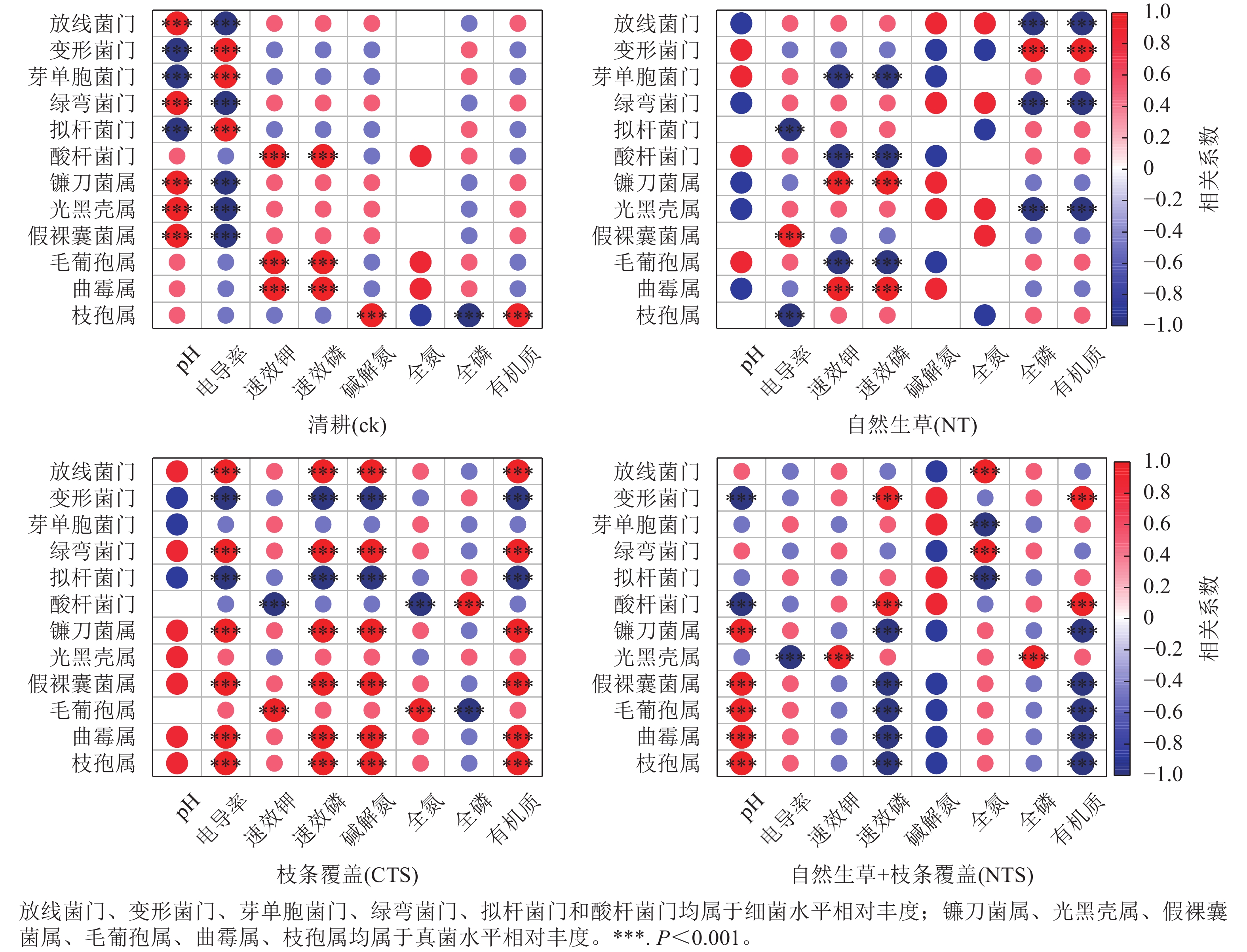
Objective The objective is to investigate the changes in soil physicochemical properties, aggregates and microbial communities in the wine vineyards at the eastern foot of Helan Mountains in Ningxia under conservation tillage measures, and to elucidate the correlation between soil physicochemical properties and microbial communities. Method Taking the wine grape variety Vitis vinifera ‘Cabernet Sauvignon’ as the experimental material, natural grass (NT), branch mulching (CTS), and natural grass + branch mulching (NTS) were set up as treatments and clean tillage (ck) was used as the control. The indicators such as soil pH, electrical conductivity (EC), aggregate stability, nitrogen, phosphorus, potassium, organic matter contents, and relative abundance and diversity of bacteria and fungi were measured and analyzed in the wine vineyards during the flowering period (May), fruit swelling period (July), and fruit ripening period (September). Result (1) Compared with ck, NT, CTS, and NTS treatments significantly increased soil pH and total phosphorus, alkali-hydrolyzable nitrogen, available phosphorus, and organic matter contents at different growth stages of the grapes (P<0.05). In September, the soil organic matter content in NT, CTS, and NTS treatments increased by 34.71%, 93.33%, and 68.73%, respectively. (2) Compared with ck, the stability of soil aggregates under NT, CTS, and NTS treatments was significantly improved (P<0.05). Particularly in September, NTS significantly increased the mean weight diameter (MWD) of aggregates by 26.23%, the mean geometric diameter (MGD) of aggregates by 67.65%, and the percentage of aggregates larger than 0.250 mm (R0.25) by 31.33%, resulting in an improvement in soil structure. (3) NT, CTS, and NTS treatments significantly increased the relative abundance and diversity of bacteria and fungi in the soil (P< 0.05), and altered the microbial community structure. Conclusion NT, CTS, and NTS treatments can significantly improve soil physical-chemical and microbial properties in the ‘Cabernet Sauvignon’ vineyard. [Ch, 4 fig. 3 tab. 54 ref.]
2026, 43(3): 598-608.
doi: 10.11833/j.issn.2095-0756.20250276
Abstract:
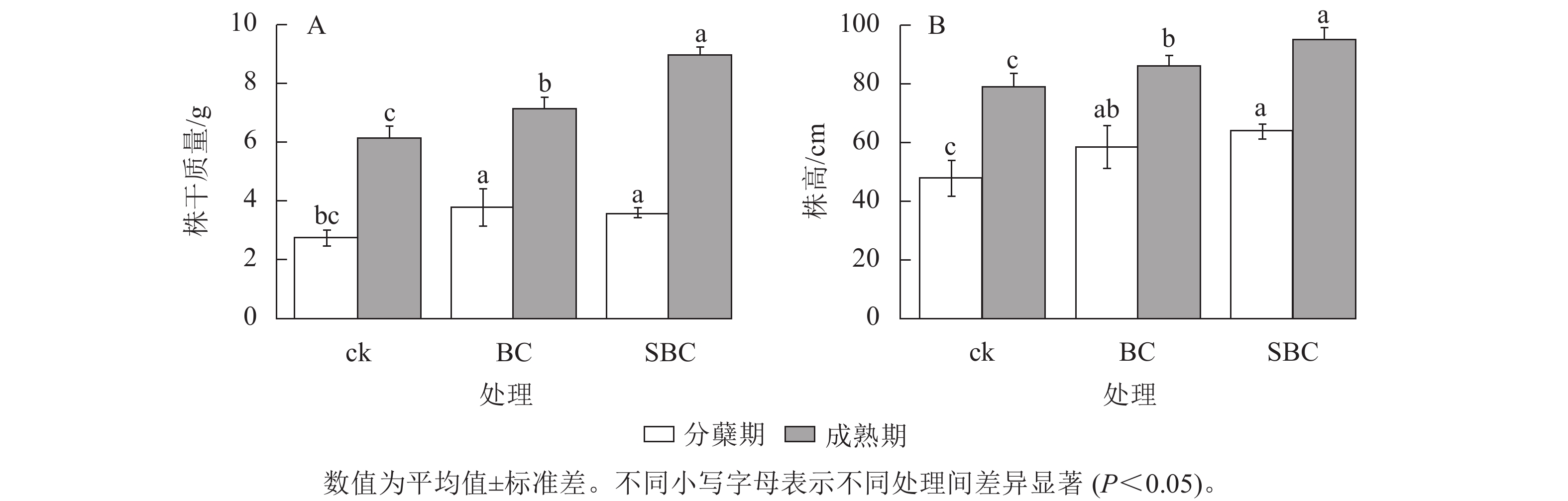
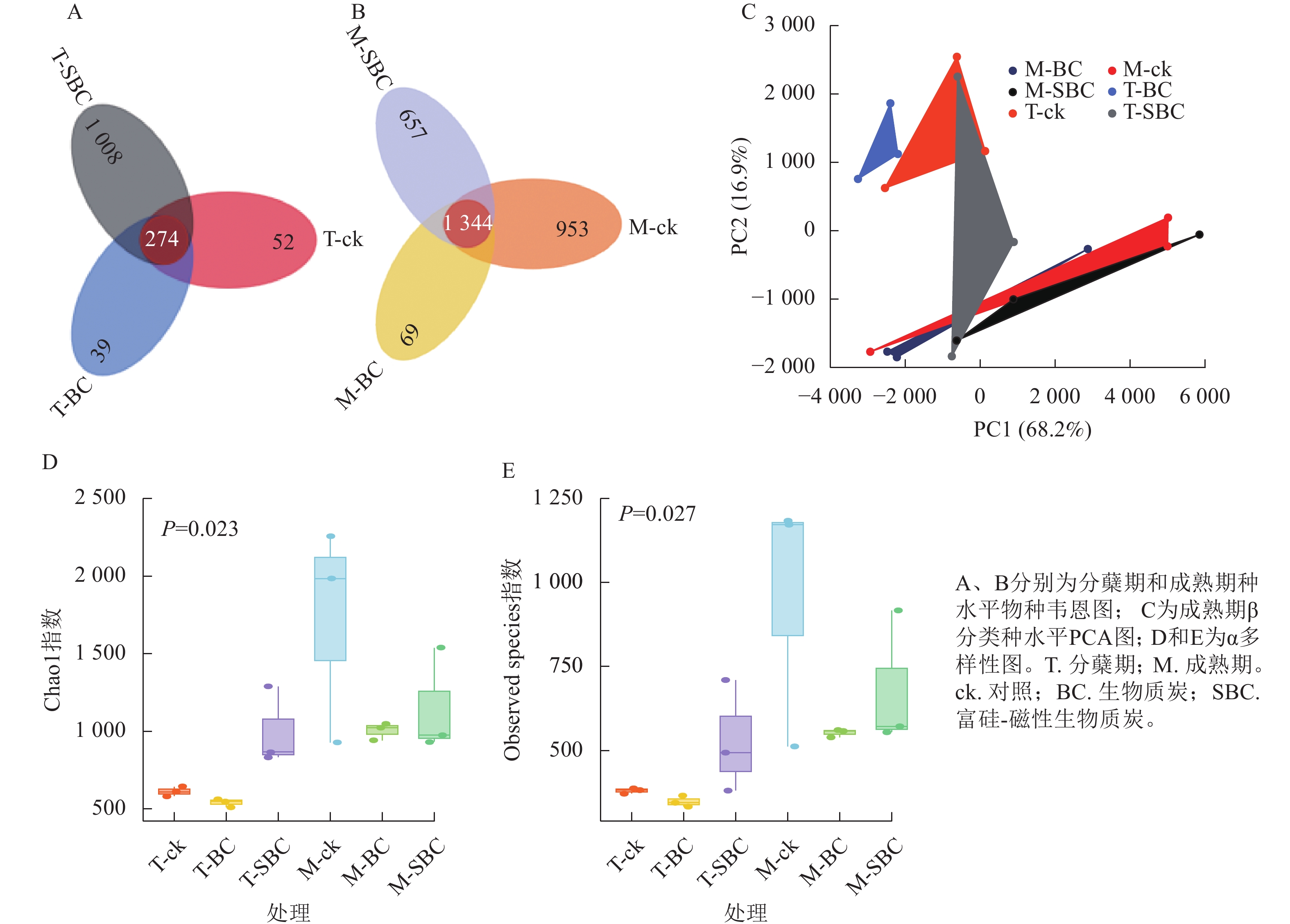
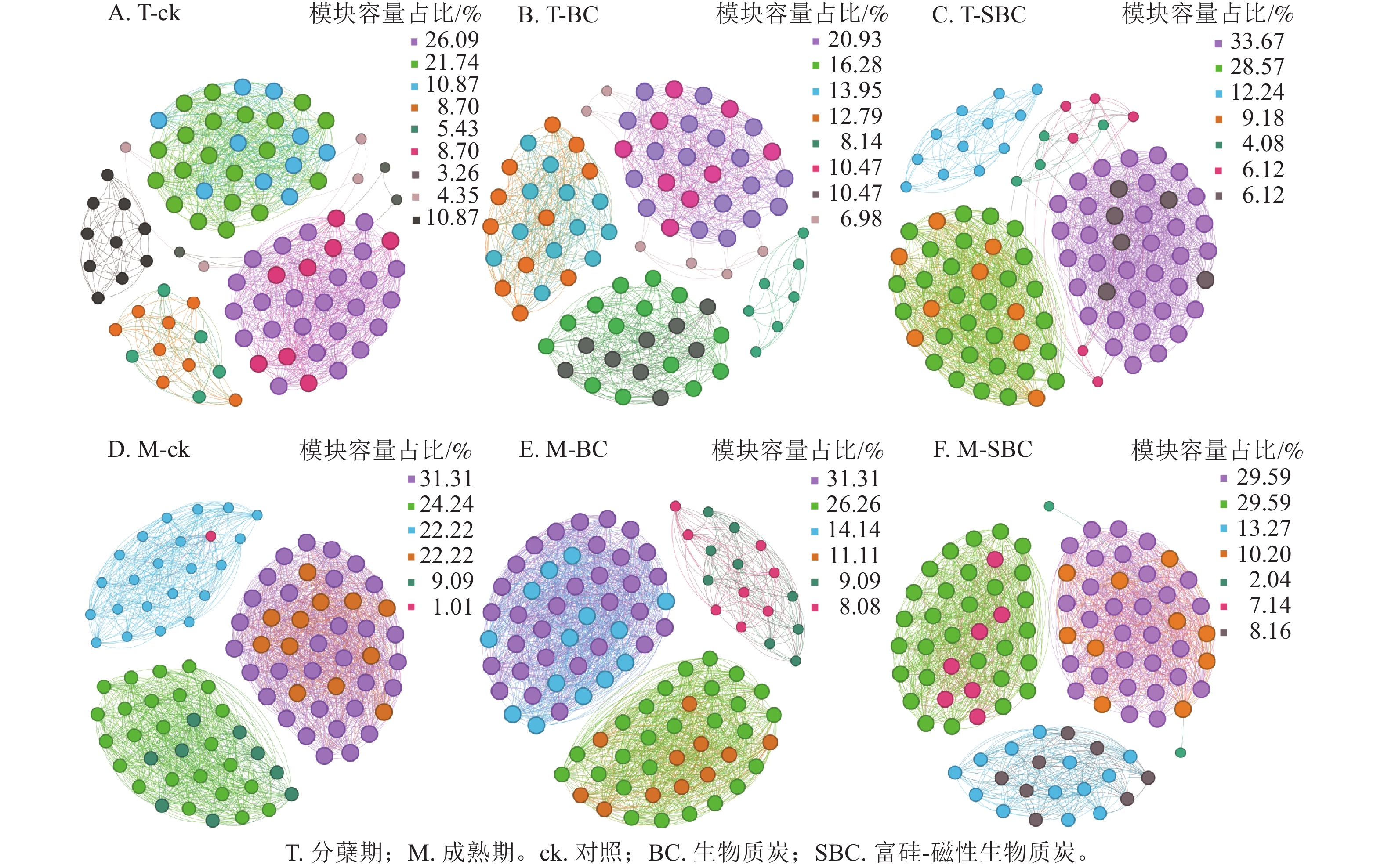
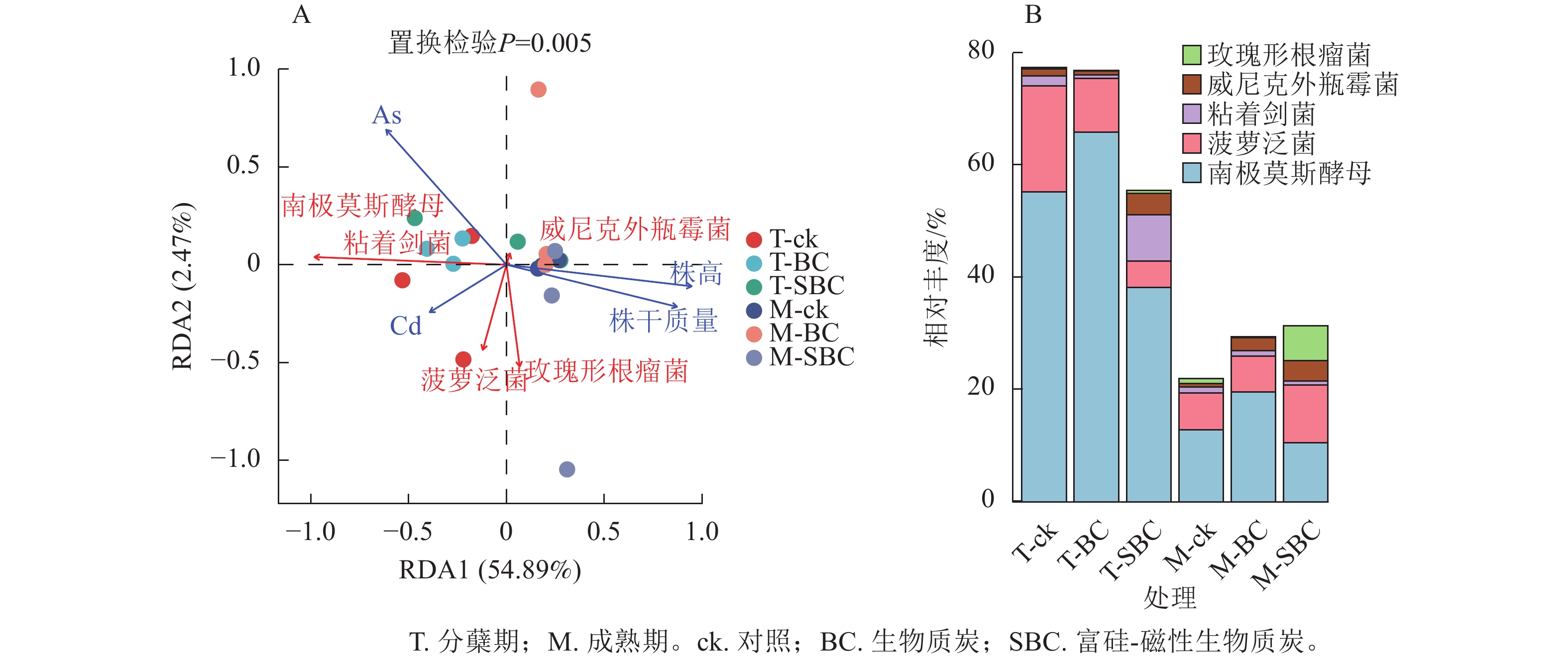
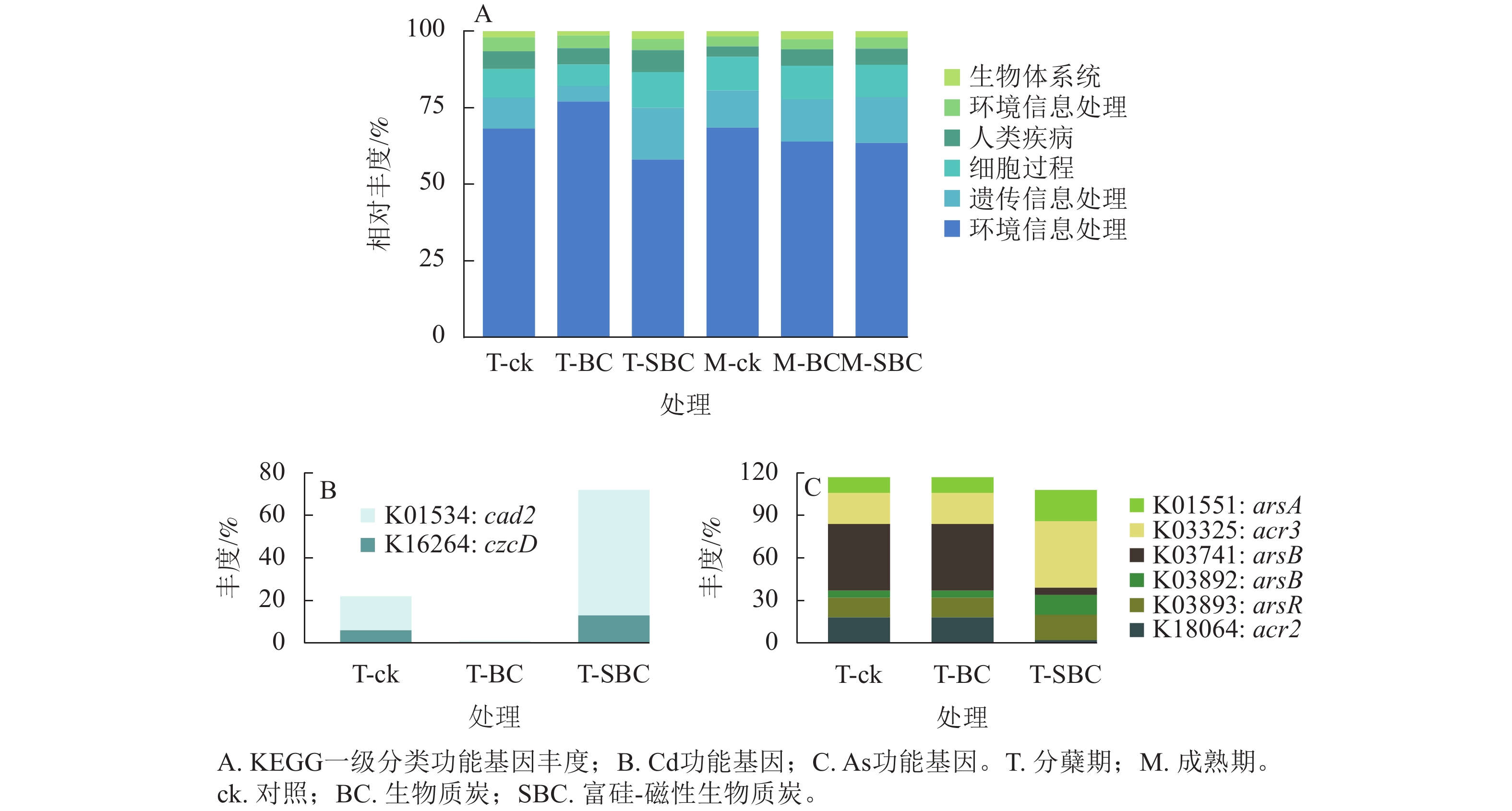
Objective To address soil Cd-As co-contamination, this study elucidates the mechanism by which silicon-magnetic biochar (SBC) enables safe rice production via “material-microbe-gene” regulation. Method A pot experiment using SBC was conducted to determine soil and rice indicators. Combined with metagenomic analysis, the study investigated remediation efficacy and phyllosphere microbial responses. Result SBC treatment significantly promoted rice growth (biomass increased by 26.7% to 46.7%, and plant height rose by 18.0% to 25.0%) (P<0.05), and inhibited heavy metal translocation, reducing grain Cd and As by 51.1% and 55.6%, respectively (P<0.05). In terms of microecology, SBC increased α-diversity significantly (P< 0.05) and enhanced network stability at the tillering stage. It optimized community composition by suppressing pathogens Moesziomyces antarcticus (30.9%) and Pantoea ananatis (75.1%), and enriching beneficial bacteria Ensifer adhaerens (379.8%) and Rhizobium rosettiformans (108.2%). Functional analysis revealed that the abundance of Cd efflux genes (czcD, cad2) and As efflux genes (acr3, etc.) increased by 227.0% and 94.2%, respectively, under SBC induction, while downregulating As-reducing (arsC) and resistance genes (acr2). This shifted metabolic functions towards enhanced cellular processes and genetic information processing. Conclusion By immobilizing soil heavy metals and reshaping phyllosphere microecology, SBC activates efflux pathways and suppresses toxic As transformation, effectively blocking Cd-As accumulation in grains and providing a theoretical basis for remediating co-contaminated farmland. [Ch, 5 fig. 2 tab. 47 ref.]
2026, 43(3): 609-619.
doi: 10.11833/j.issn.2095-0756.20250275
Abstract:
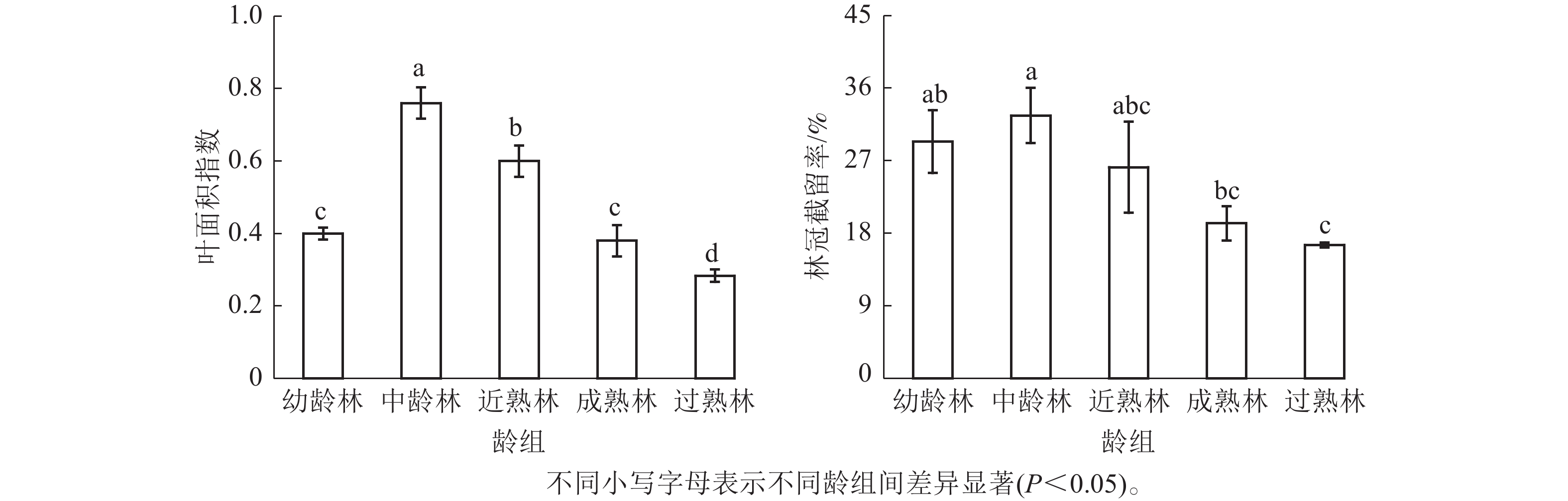
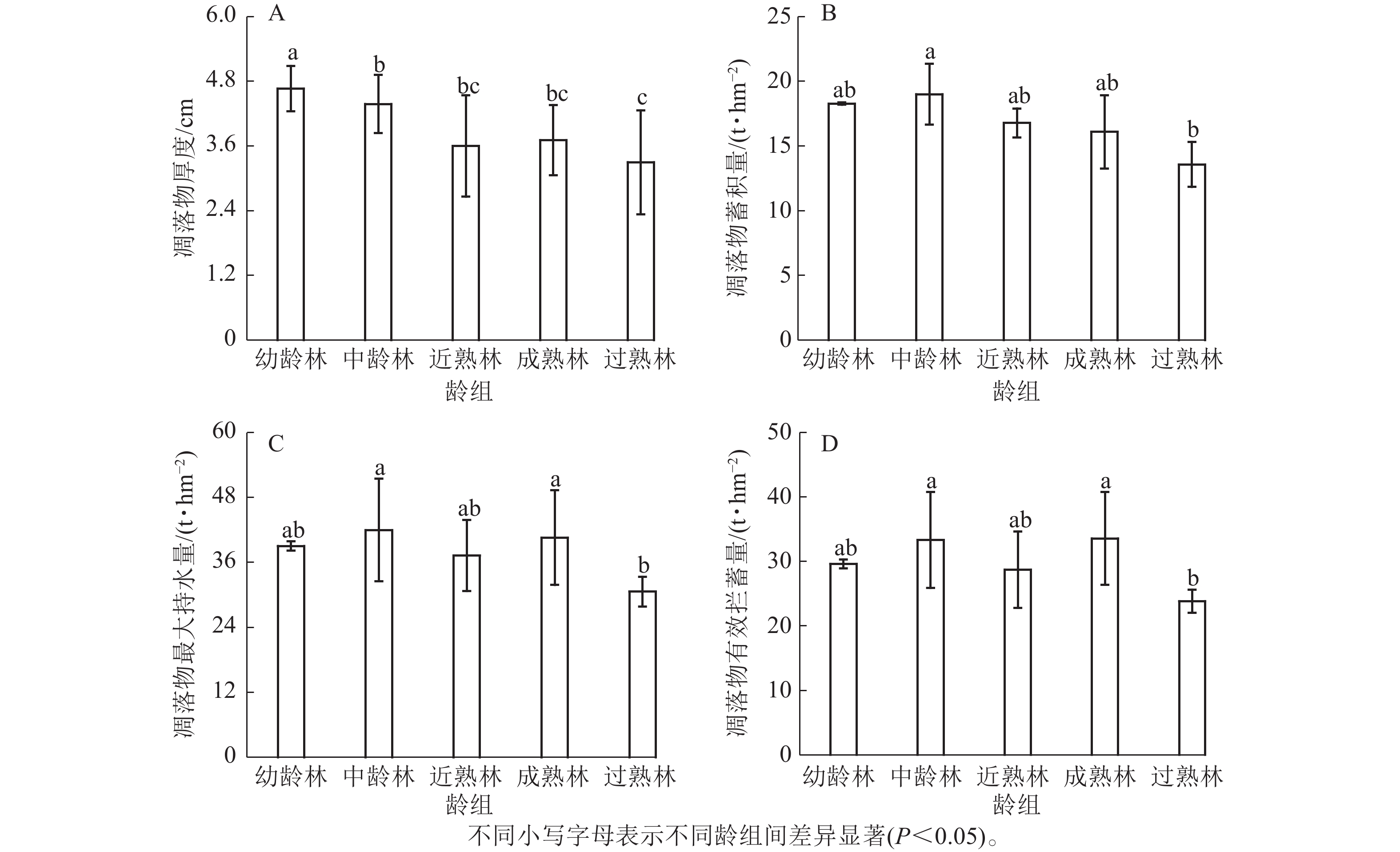
Objective The aim is to explore the difference in water conservation function of Robinia pseudoacacia plantations at different growth stages in loess areas of western Shanxi, and provide scientific basis for improving water conservation capacity and management of forest stands. Method Taking R. pseudoacacia plantations of 5 age groups (with forest ages of 15, 23, 27, 34, and 41 years respectively) in Caijiachuan watershed, Linfen City of Shanxi Province as the research objects, water conservation indicators in vertical layers (canopy, litter, and soil) were measured, including canopy interception rate, litter water-holding capacity, soil physical properties, and water holding characteristics. Comprehensive evaluation of the water conservation function was conducted based on Entropy Weight-Approximate Ideal Solution Ranking (TOPSIS). Result (1) The leaf area index and interception rate of the canopy layer showed a trend of first increasing and then decreasing as the age increased, with the highest values observed in middle-aged forests (23 years), and remained stable after maturity. (2) The litter layer in middle-aged forests exhibited the highest accumulation and maximum water holding capacity, while the effective retention capacity was superior in mature stands. (3) Young stands (15 years) had the highest non-capillary and saturated water-holding capacities, while middle-aged stands excelled in capillary water retention. (4) Soil layers contributed the most to water conservation. Water retention capacity first increased and then declined with age, reaching peak in middle-aged stands. Conclusion The water conservation function of the middle-aged R. pseudoacacia plantation is the best. To enhance the water conservation function, inefficient and degraded stands should be selectively harvested and replanted, which is in line with regional project for low efficiency forest transformation and functional improvement. [Ch, 2 fig. 5 tab. 34 ref.]
2026, 43(3): 620-629.
doi: 10.11833/j.issn.2095-0756.20250437
Abstract:
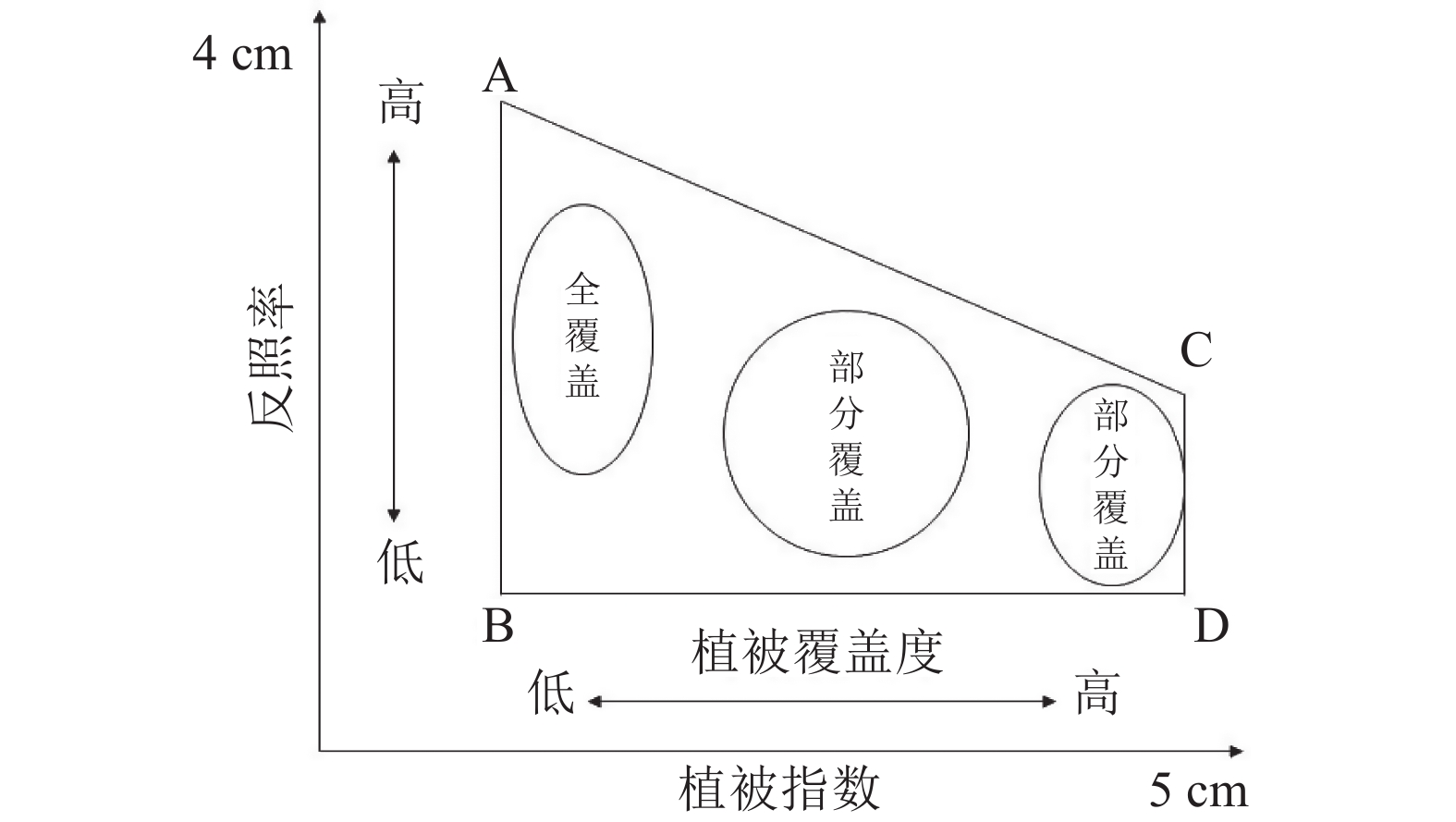
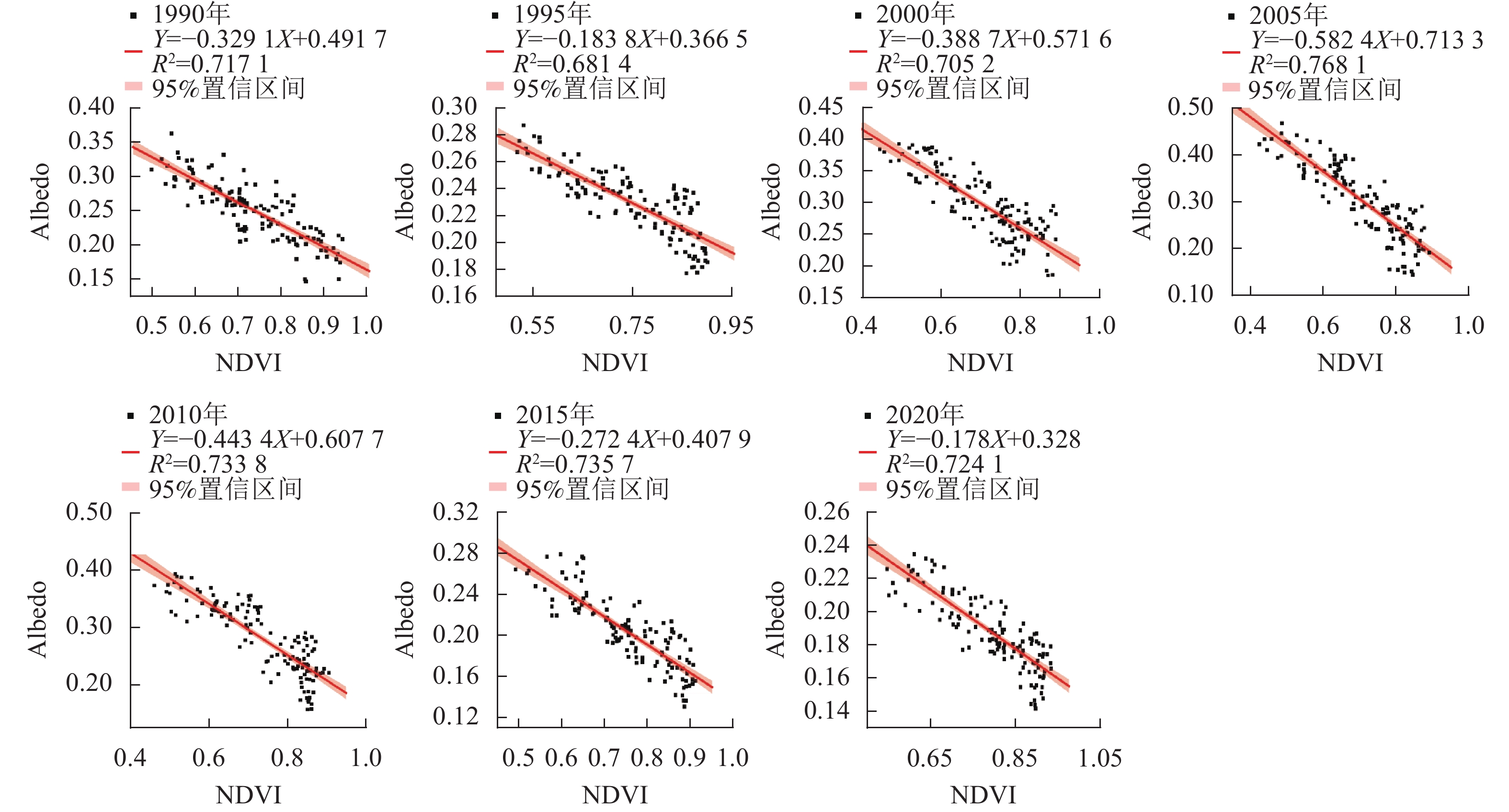
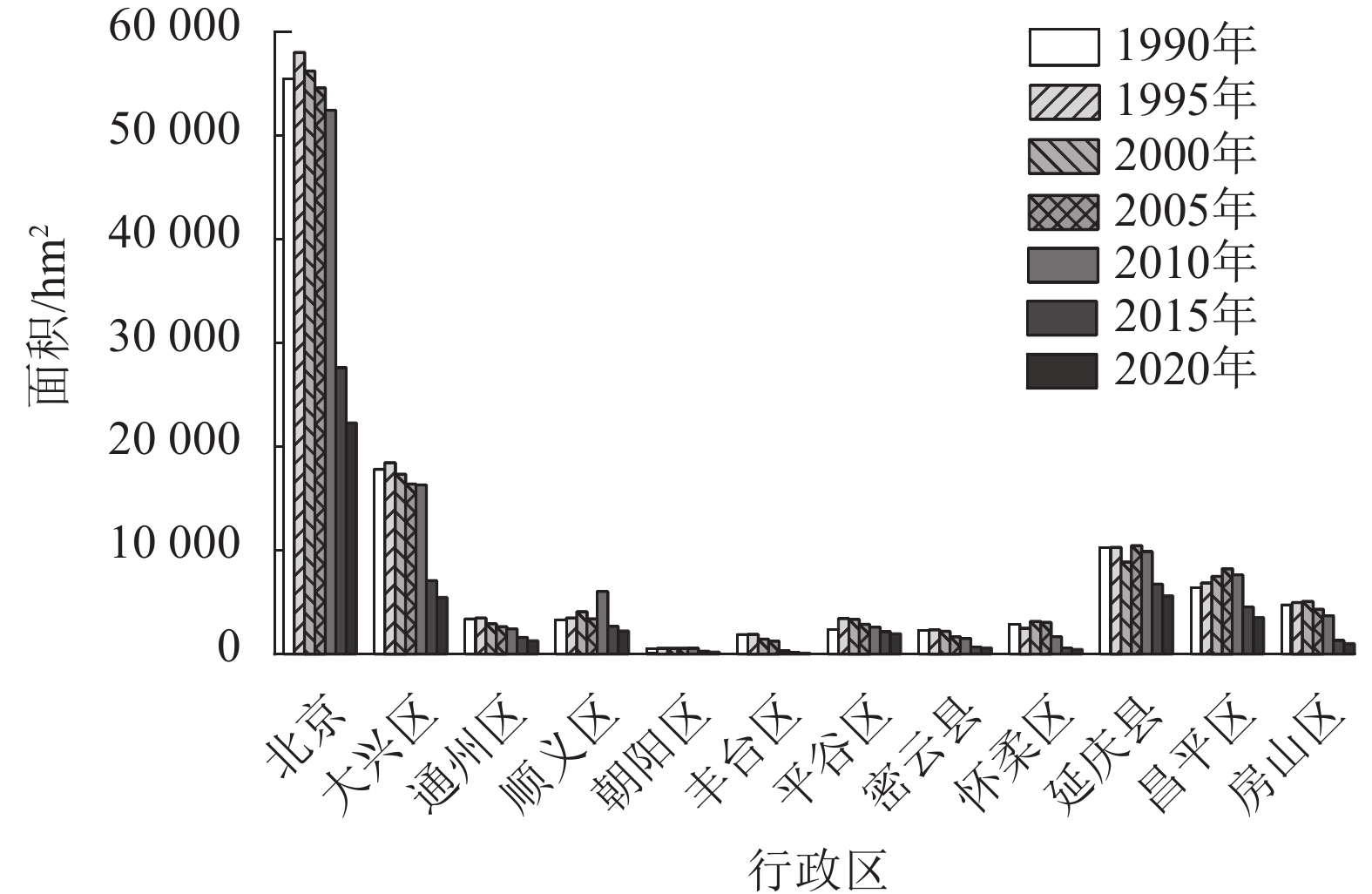
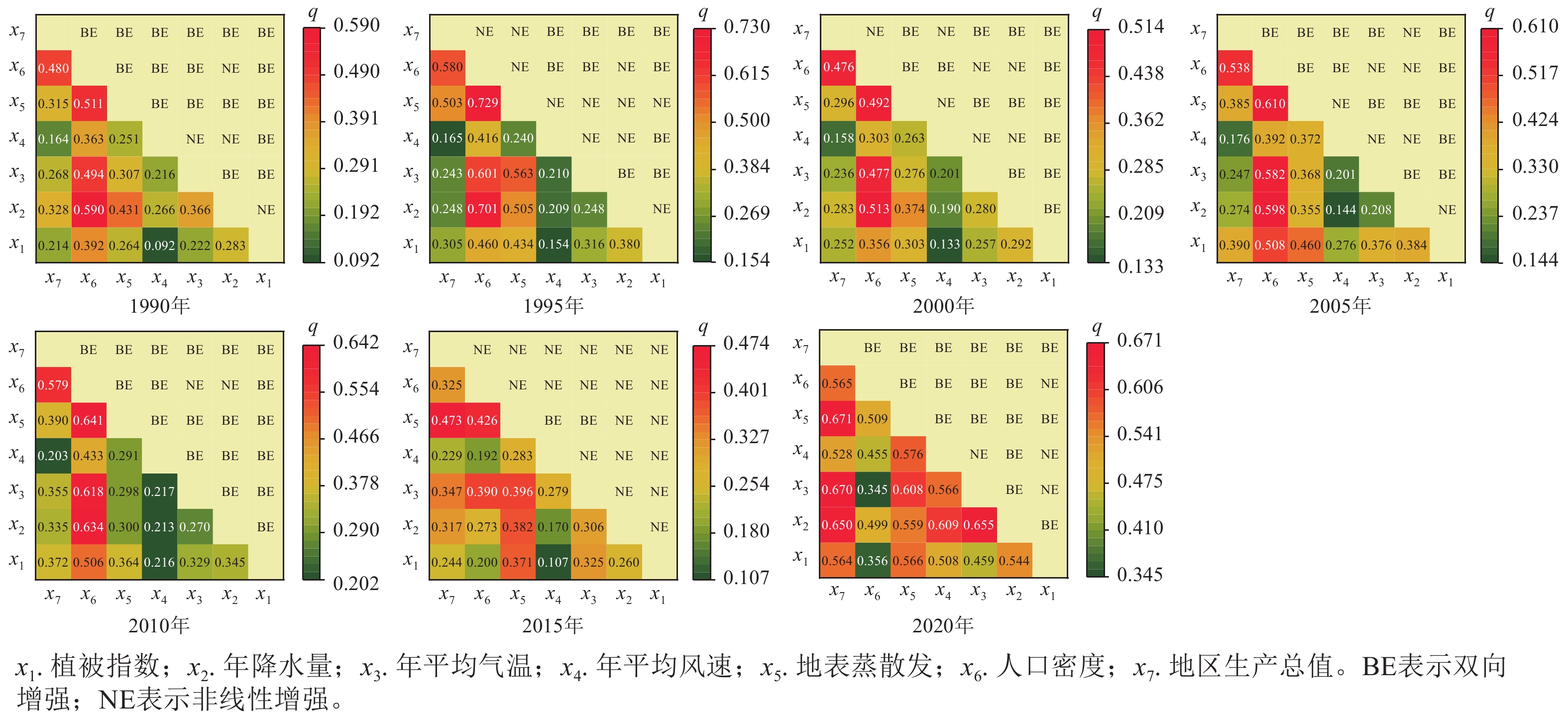
Objective The aim is to deeply explore the spatiotemporal distribution patterns and driving mechanism of land desertification in Beijing, which is essential for formulating effective policies for preventing and controlling desertification and promoting ecological sustainability. Method Based on 7 phases of Landsat images from 1990 to 2020, a feature space was constructed using surface albedo (Albedo) and the normalized difference vegetation index (NDVI). Combined with desertification difference index and geographic detector model, the spatial distribution characteristics and key driving factors of land desertification in Beijing were revealed. Result From 1990 to 2020, the desertified land in Beijing was primarily distributed in plains and riparian areas, and decreased significantly by approximately 33000 hm2. Among different land use types, the degree of desertification in forest land was severe. The geographic detector analysis showed that land desertification was driven by both natural and anthropogenic factors, with population density being a key driving factor. Conclusion Land desertification situation in Beijing has significantly improved in 1990−2020, but there are still some desertified areas that require further restoration. Future management strategies should include rational regulation of population density, the focus on vegetation construction along rivers, and protection of cultivated land. Various measures such as soil and water conservation and afforestation should be taken comprehensively to further curb the expansion of land desertification. [Ch, 4 fig. 7 tab. 35 ref.]
2026, 43(3): 630-639.
doi: 10.11833/j.issn.2095-0756.20250322
Abstract:
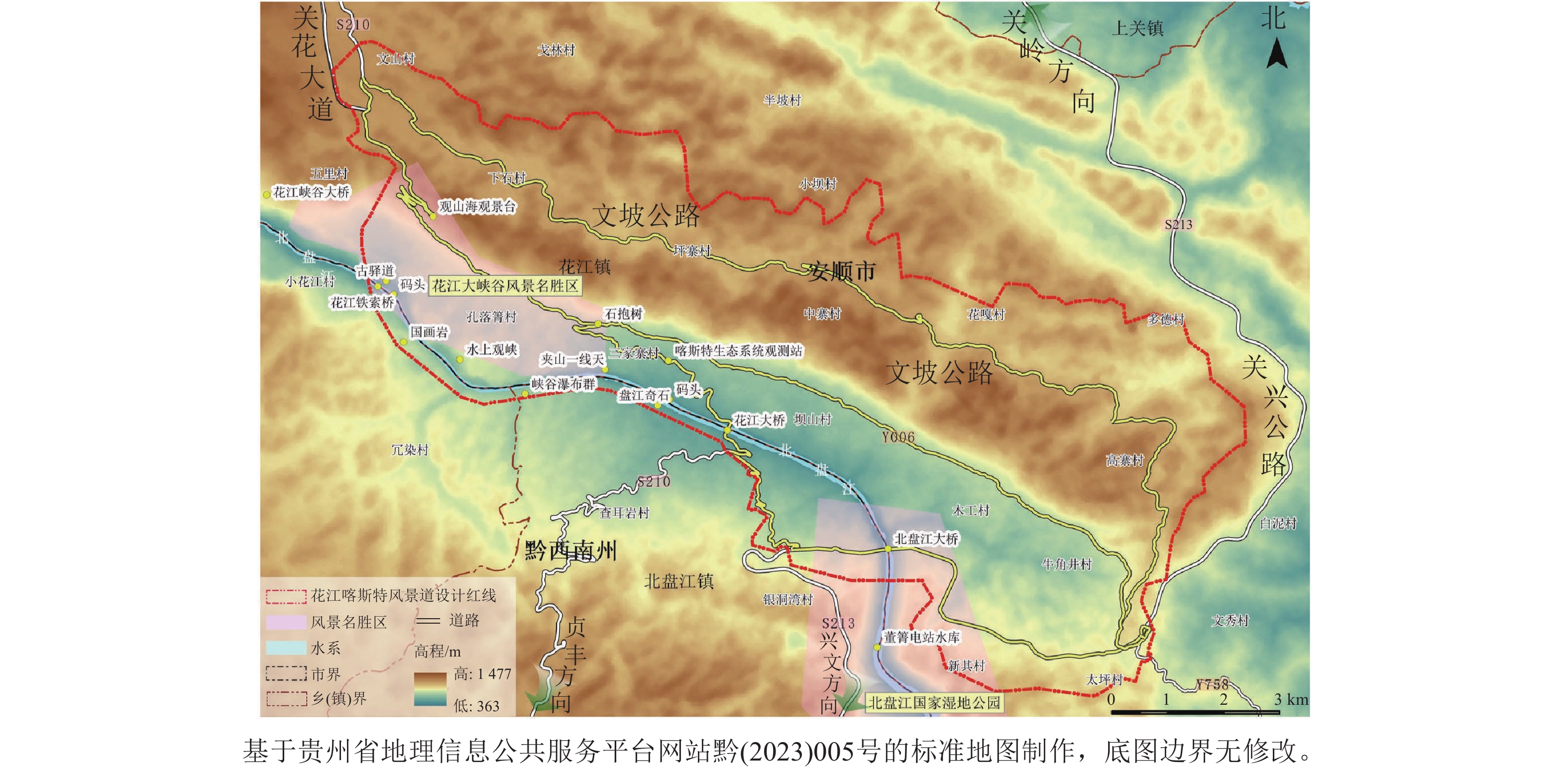
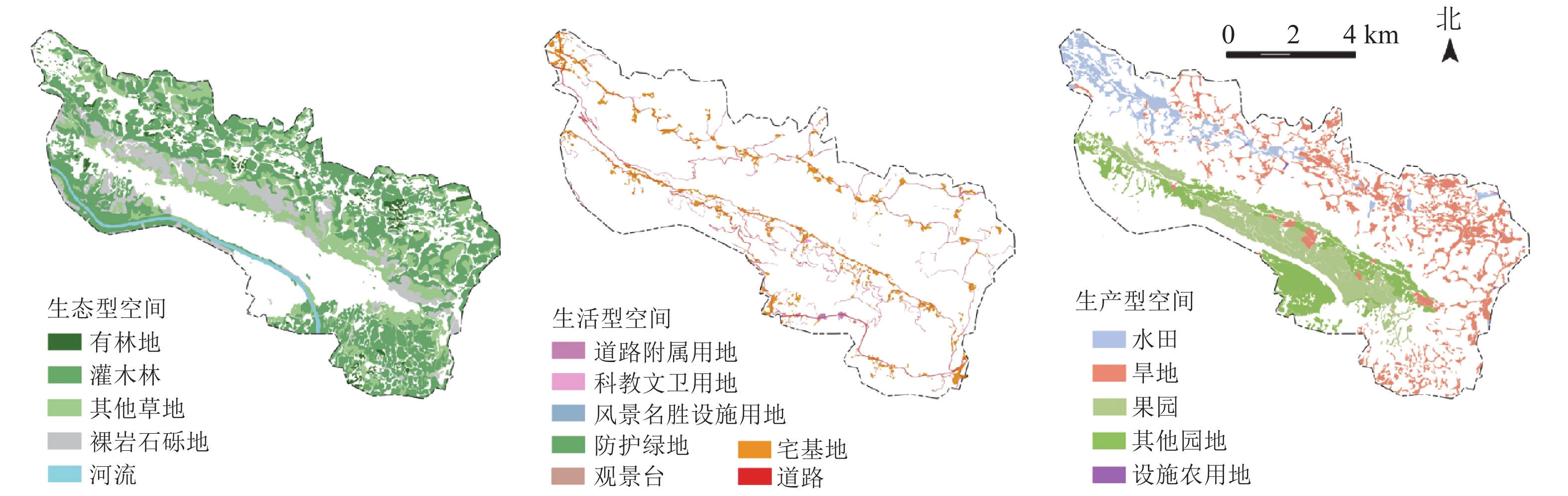
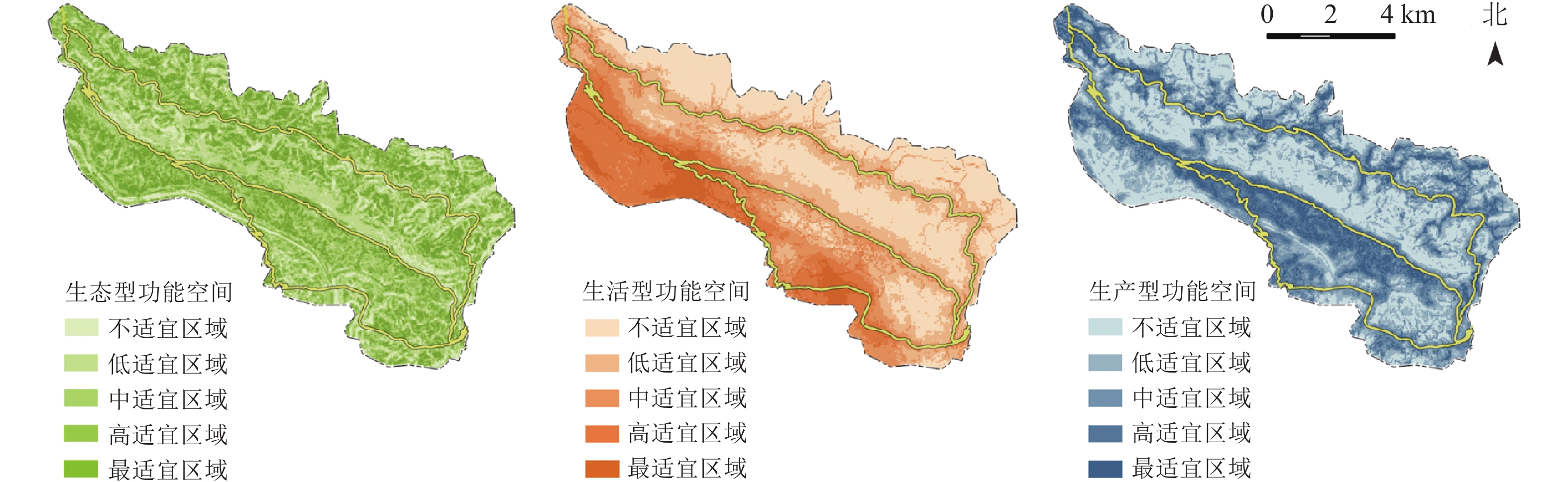
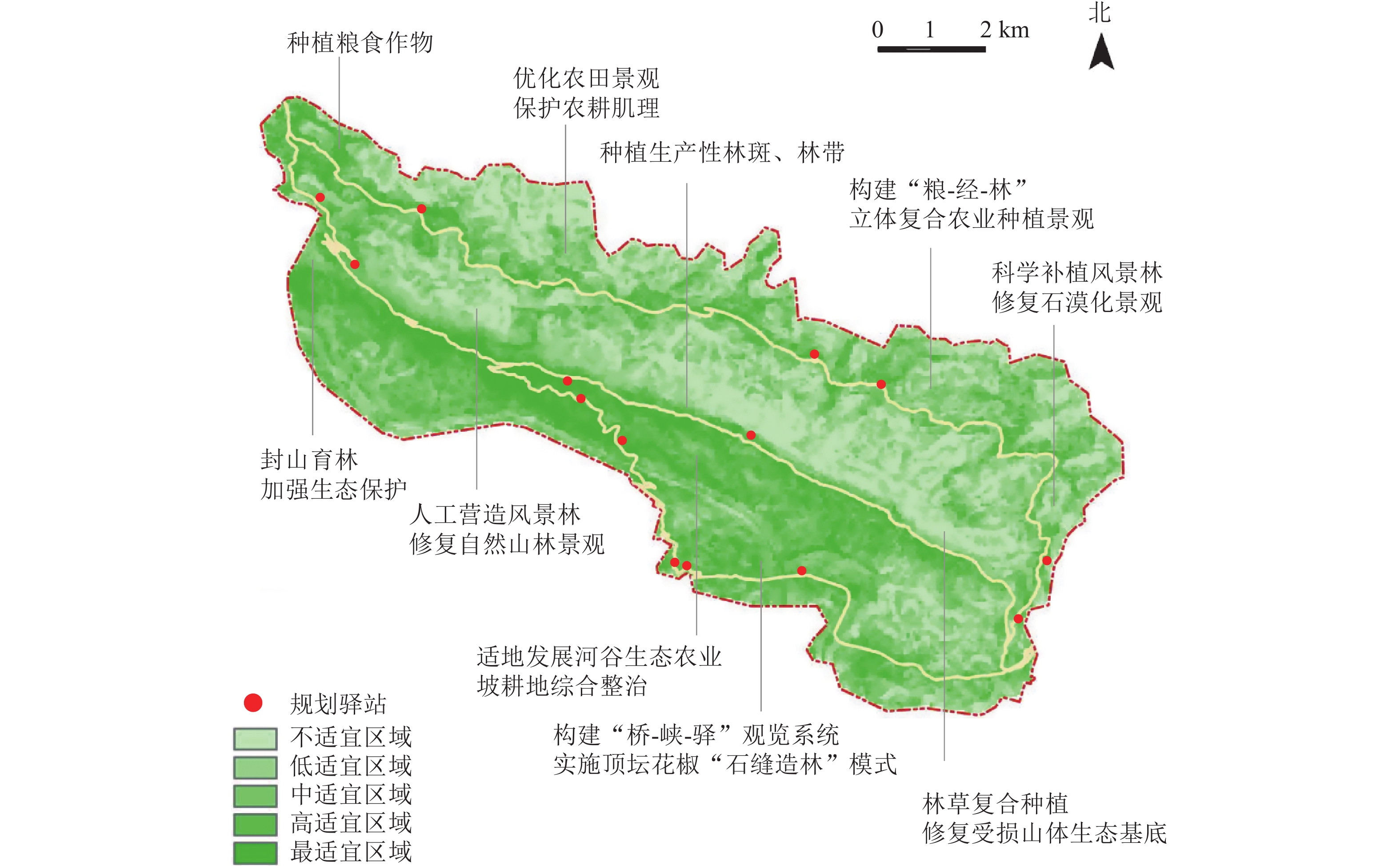
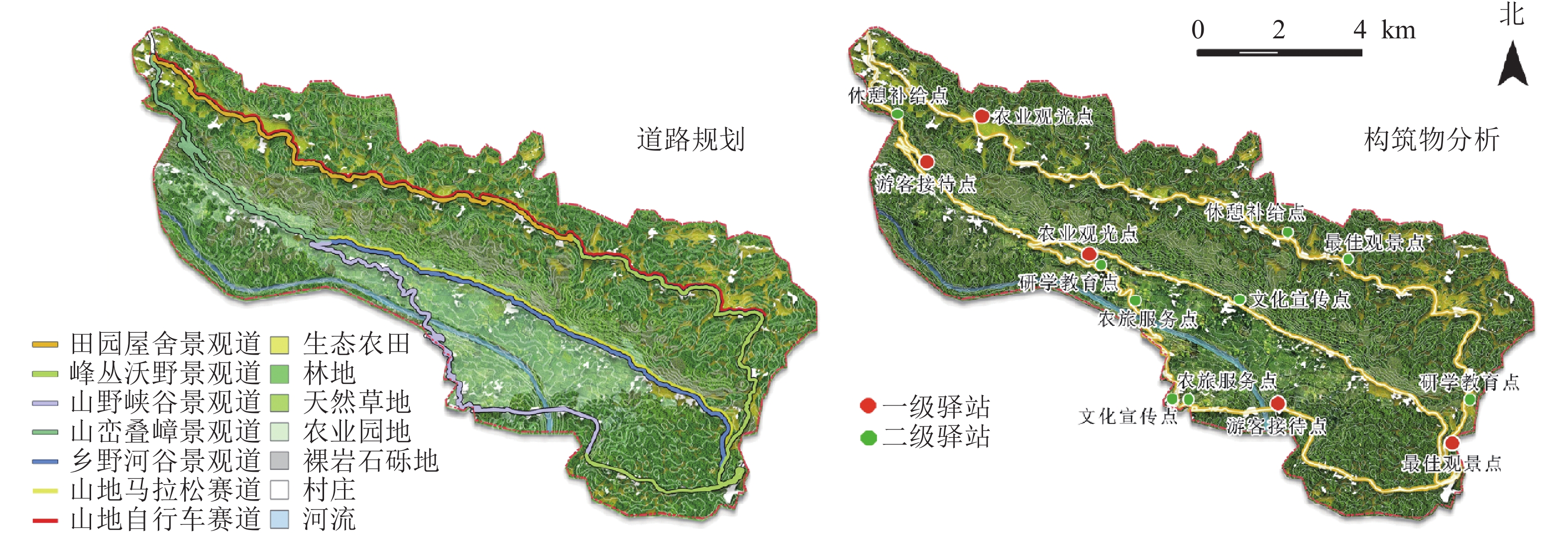
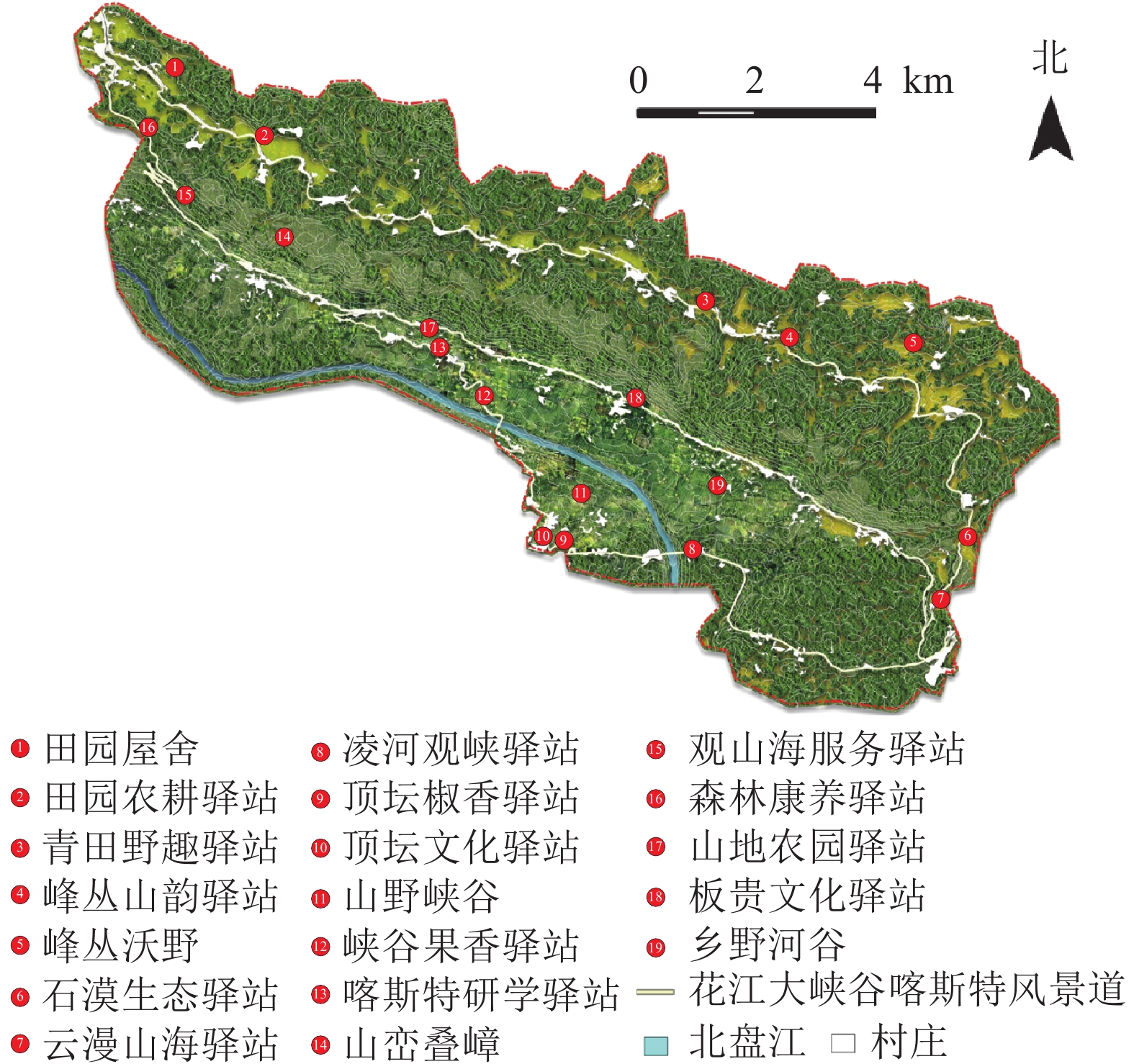
Objective It is of great significance to explore the rational layout of ecological-living-production space in the karst scenic byway to promote the high-quality development of scenic byway in ecologically fragile areas and optimize the national space. Method This study focused on the karst mountainous area of the Huajiang section of the Beipan river, and constructed a spatial suitability evaluation framework for the karst scenic byway that encompassed ecological, living, and production spaces. After identifying and categorizing the spatial elements of the karst scenic byway, the criteria for spatial suitability evaluation were established. Using GIS spatial overlay analysis technology, the study evaluated the spatial development and construction suitability of the karst scenic byway and proposed targeted landscape planning strategies accordingly. Result (1) The most suitable and highly suitable areas for the development of the karst scenic byway account for a small proportion, while the moderately suitable, low suitable and unsuitable areas account for a large proportion. (2) It is suggested that the development of unsuitable and low suitable areas should be strictly restricted, and ecological conservation corridors should be established, and priority should be given to the restoration of ecologically fragile areas. (3) It is planned to build karst ecological display corridor in the area with high ecological function, recreational and sightseeing corridor in the area with living-function suitability, and develop karst ecological agriculture in the area with production potential. (4) The theme segmentation design divided the Huajiang karst scenic byway into 5 sections: pastoral cottages, peak cluster and fields, mountain and valley, mountain range, and rural river valleys. On this basis, the route of road culture event was planned reasonably, and 14 station nodes are set up in suitable areas. Conclusion This study reveals the suitability of spatial development and construction along the Huajiang karst scenic byway, along with its spatial distribution characteristics. It also proposes landscape planning strategies aimed at promoting the coordinated development of ecological protection, recreational activities, and agricultural production. The planning method for the karst scenic byway, based on the suitability evaluation of production-living-ecological spaces, can effectively guide the rational layout and protective development of functional spaces in ecologically fragile areas. [Ch, 6 fig. 4 tab. 25 ref.]
2026, 43(3): 640-649.
doi: 10.11833/j.issn.2095-0756.20250389
Abstract:
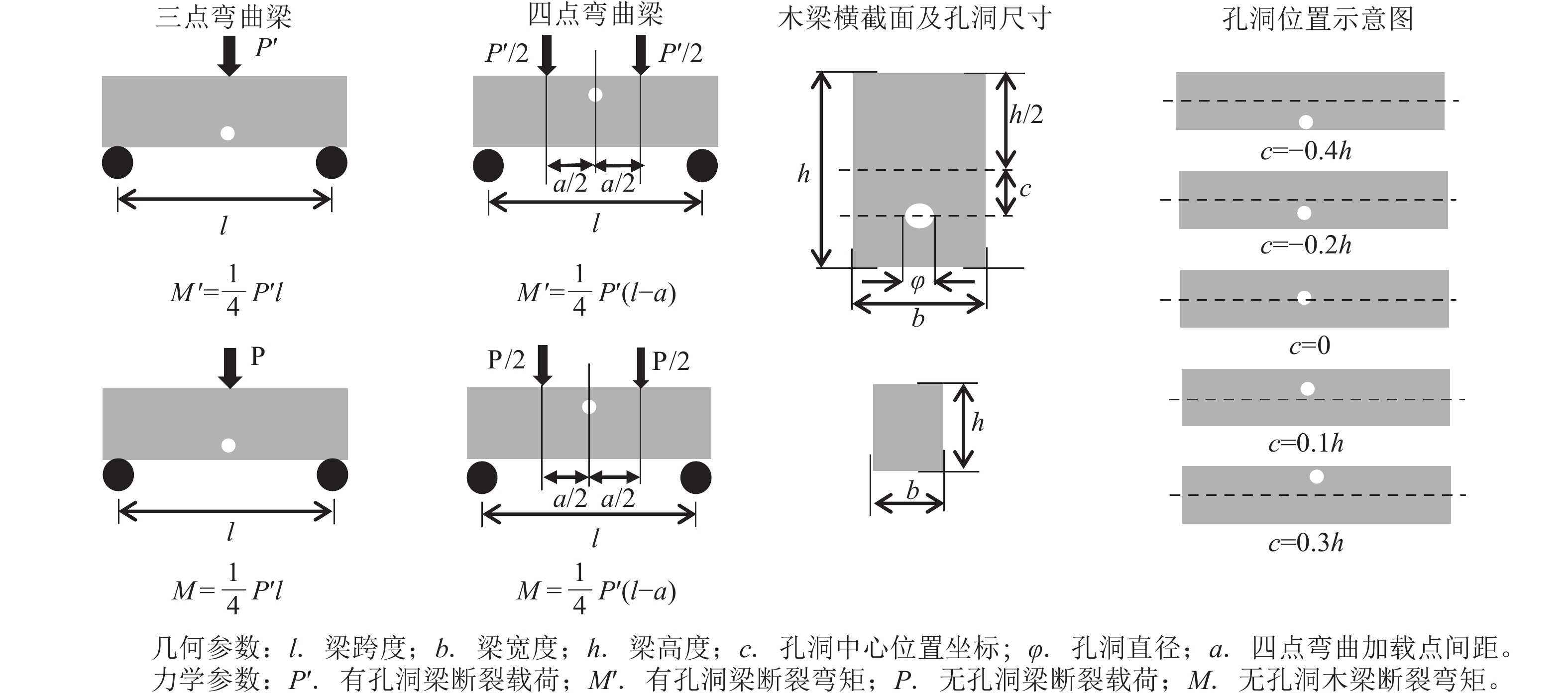
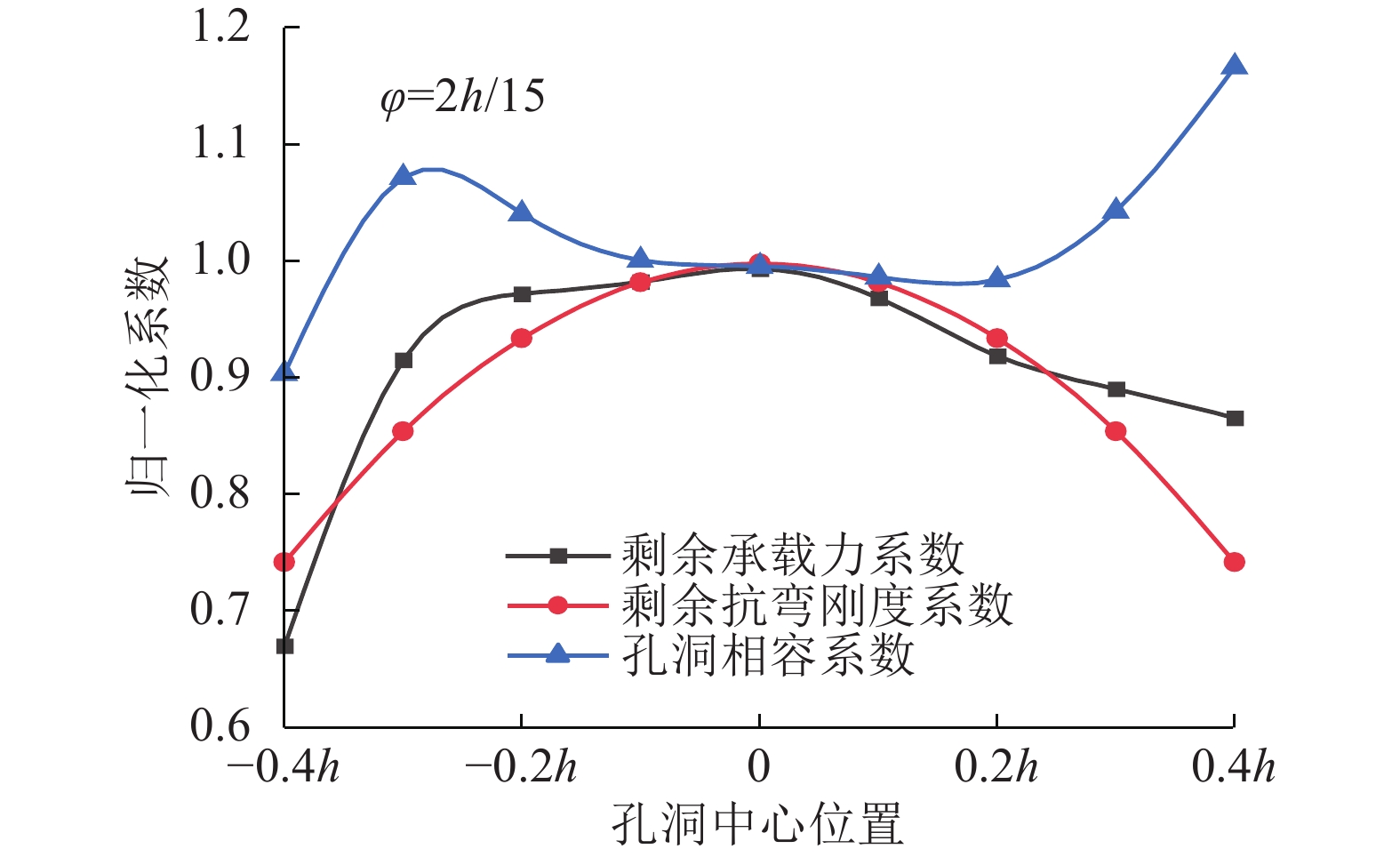
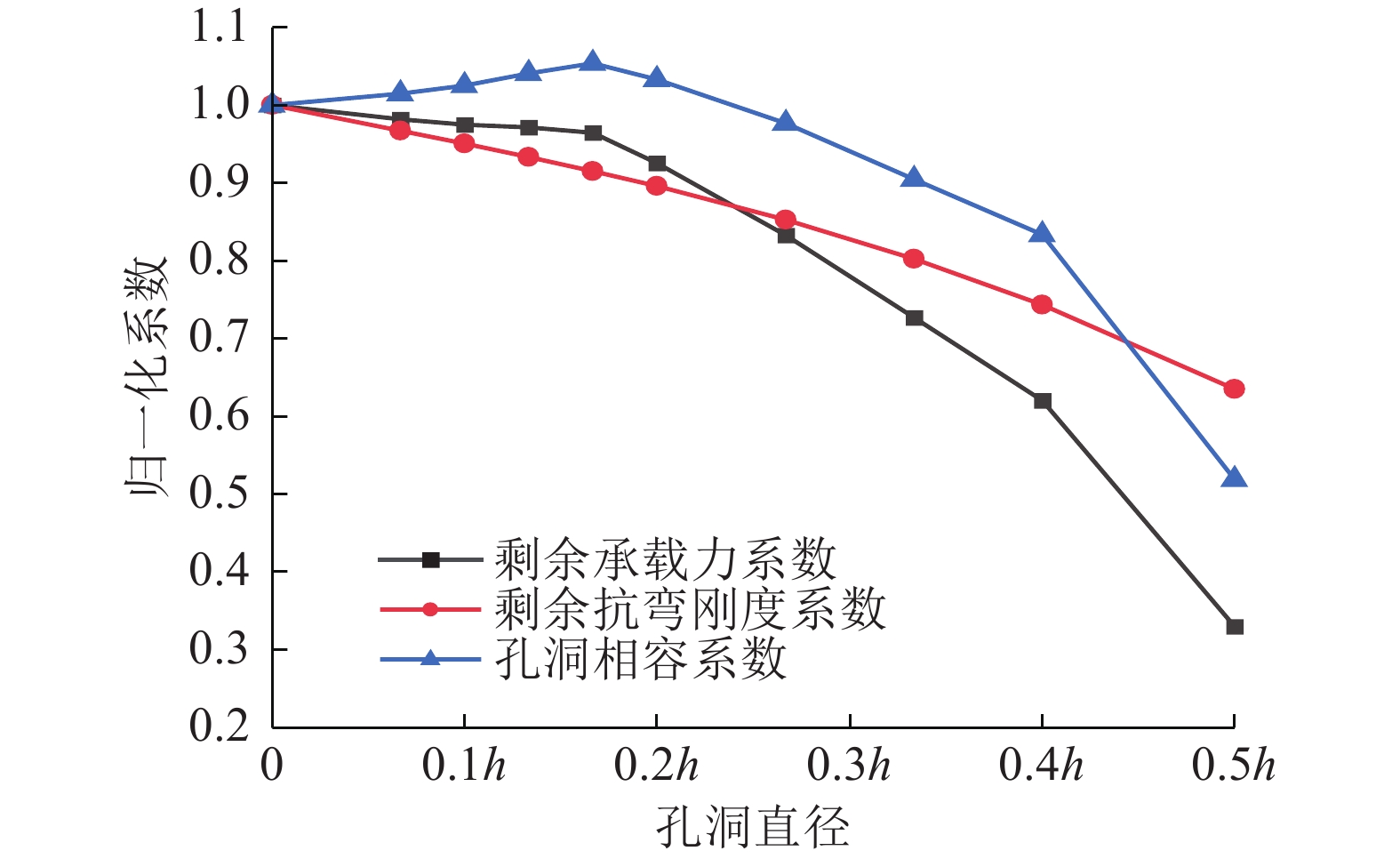
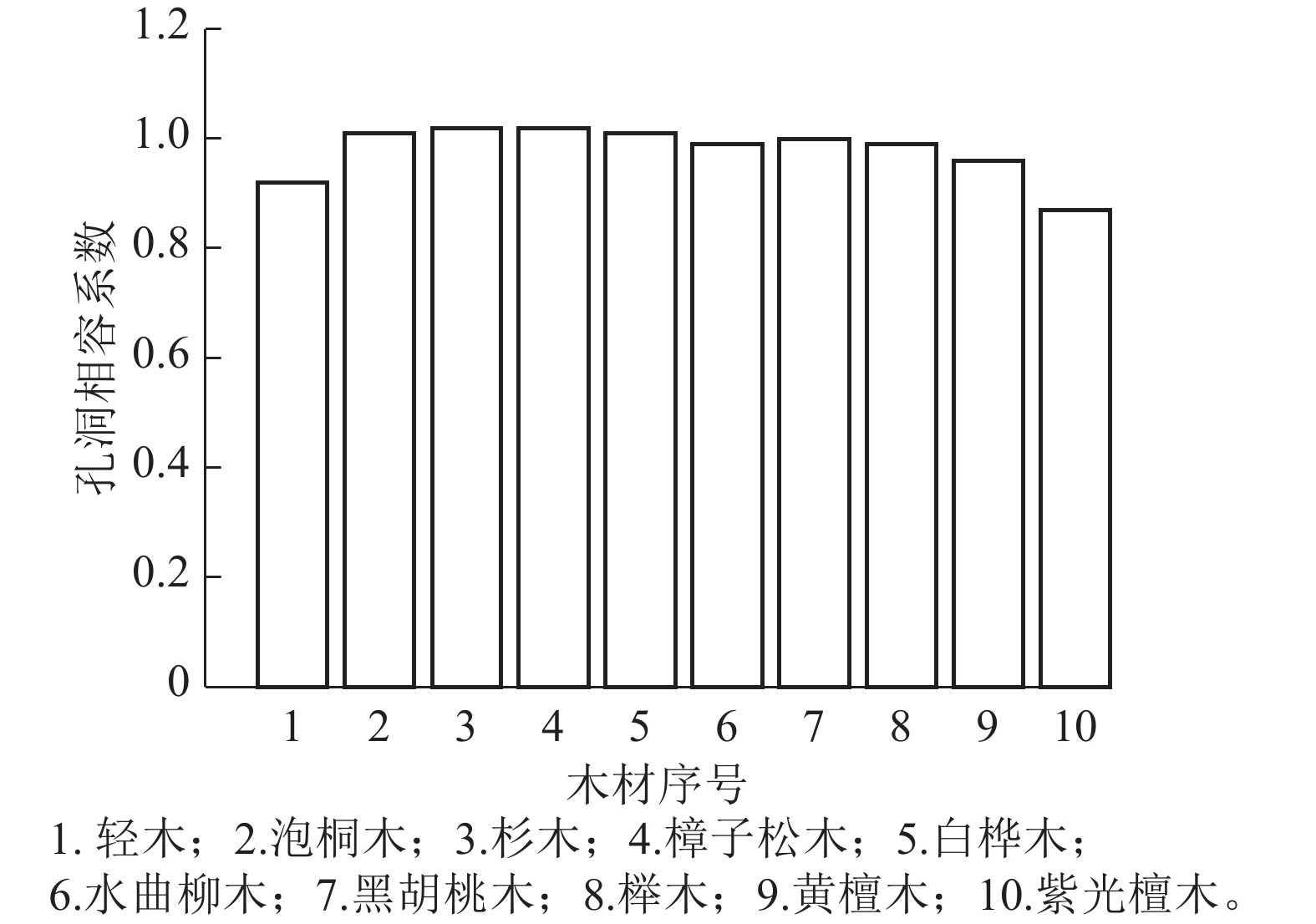
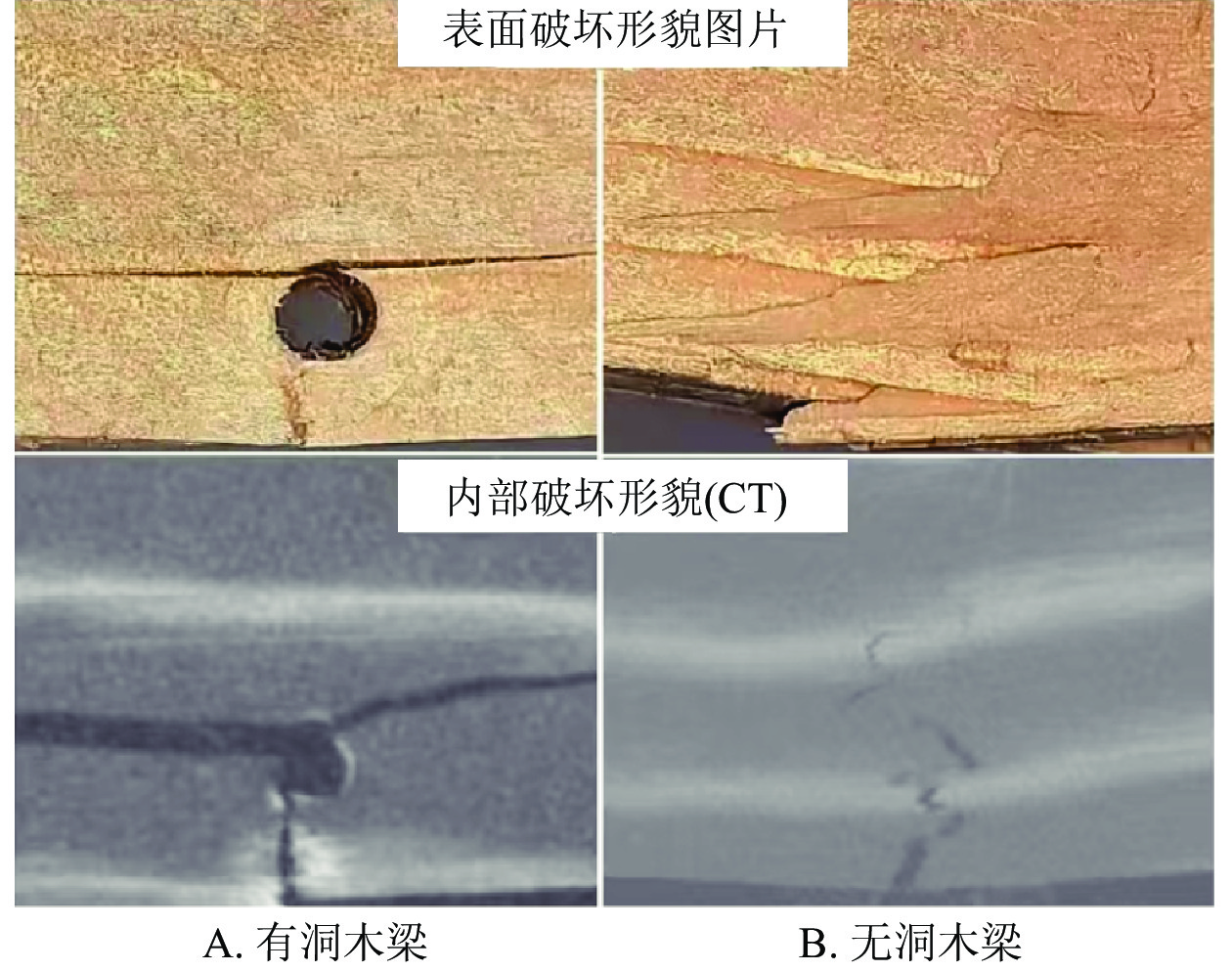
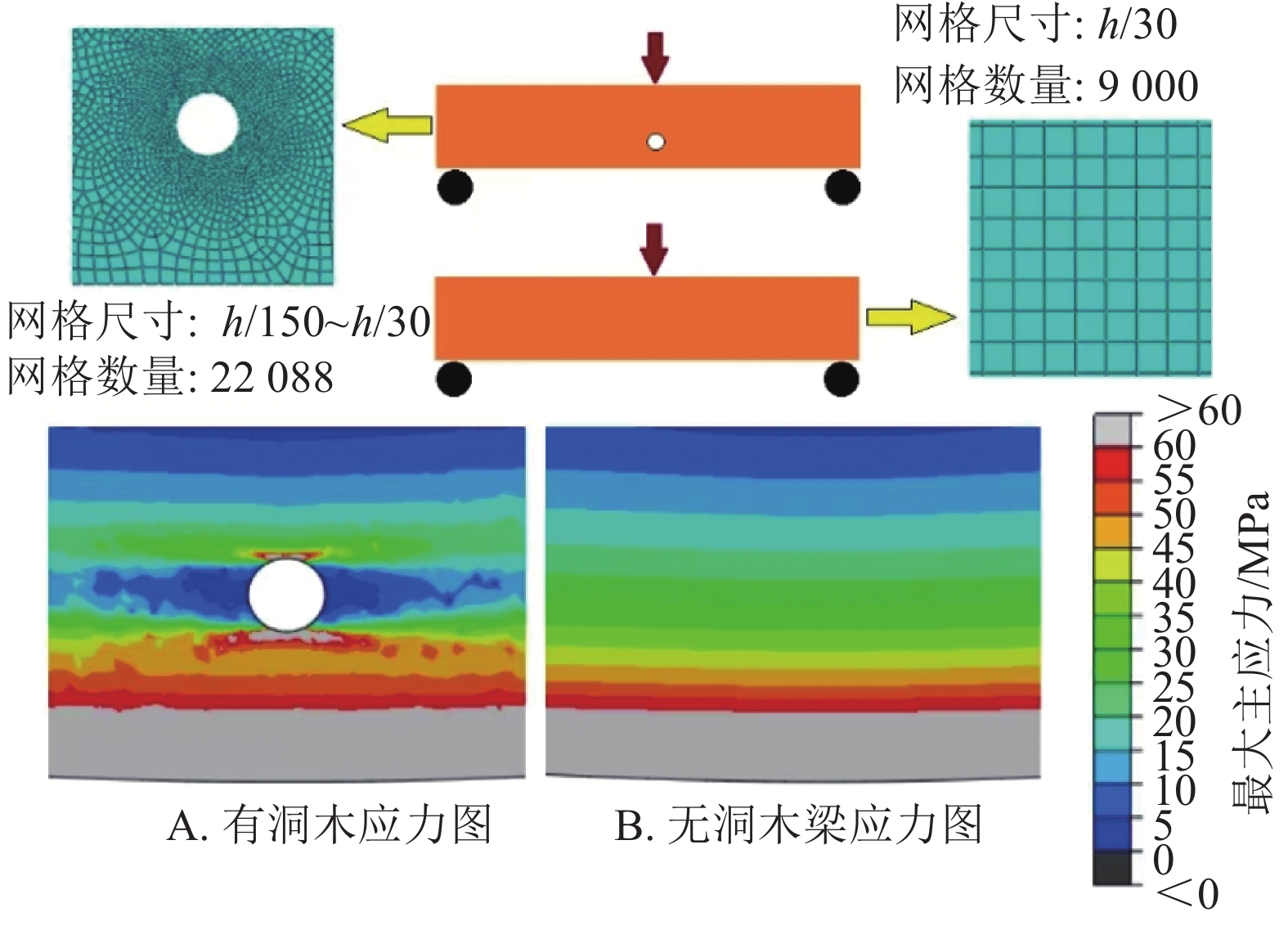
Objective This study aims to examine the influence of circular holes of different positions and sizes on the load-bearing capacity of wooden beams, explore the mechanical mechanism by which wooden beams have a certain tolerance for hole damage, and inspire the design of materials with high hole tolerance or lightweight structures. Method The mechanical concept of hole compatibility was proposed, and the calculation formula for hole compatibility coefficient was provided. By conducting bending and fracture experiments on wooden beams, the fracture bending moment values of wooden beams with holes of different positions and diameters were measured, corresponding relationship curves were drawn, and the hole compatibility coefficient of wooden beams was calculated. By conducting simulation analysis and fracture morphology analysis on representative wooden beams, the mechanism of their hole compatibility mechanical properties was clarified. Result The impact of holes below the neutral layer on the load-bearing capacity of wooden beams was greater than that of holes located above the neutral layer. When the diameter of the hole was less than 1/5 of the beam height, the bearing capacity of the wooden beam did not exceed 10%. Except for wooden beams with extremely high and low densities, the compatibility coefficient of most wooden beams was close to 1.0, which was higher than that of plastic metal aluminum beams and brittle acrylic beams. Finite element analysis showed that the stress distribution below the hole was more uniform than that above the hole, and the fracture morphology analysis revealed that the fracture surface below the hole was smoother. Conclusion When the diameter of the hole is smaller than the critical value, the overall bearing capacity of the wooden beam decreases slightly. When such holes are located in the stretching area of the wooden beam, the bearing capacity of the wood fibers in the lower area of the hole is more evenly exerted, and the wooden beam exhibits a mechanical phenomenon of hole compatibility as a whole. Wooden beams have better hole compatibility mechanical properties than plastic metal aluminum beams and brittle acrylic beams. The mechanical mechanism of hole compatibility can inspire the design of new fiber-reinforced composite materials, lightweight load-bearing structures with holes, and micro porous structural materials. [Ch, 6 fig. 6 tab. 25 ref.]
2026, 43(3): 650-659.
doi: 10.11833/j.issn.2095-0756.20250370
Abstract:
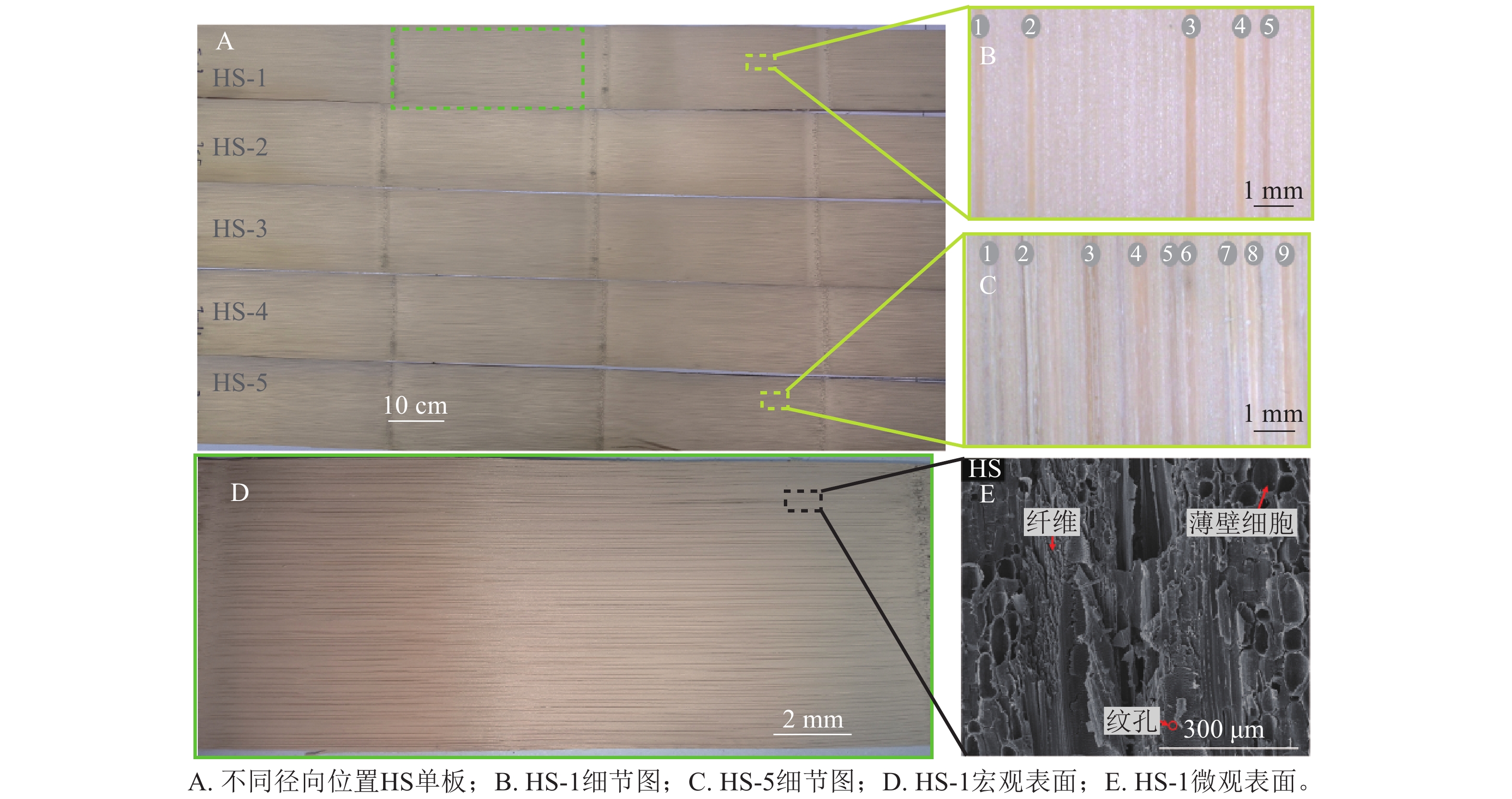
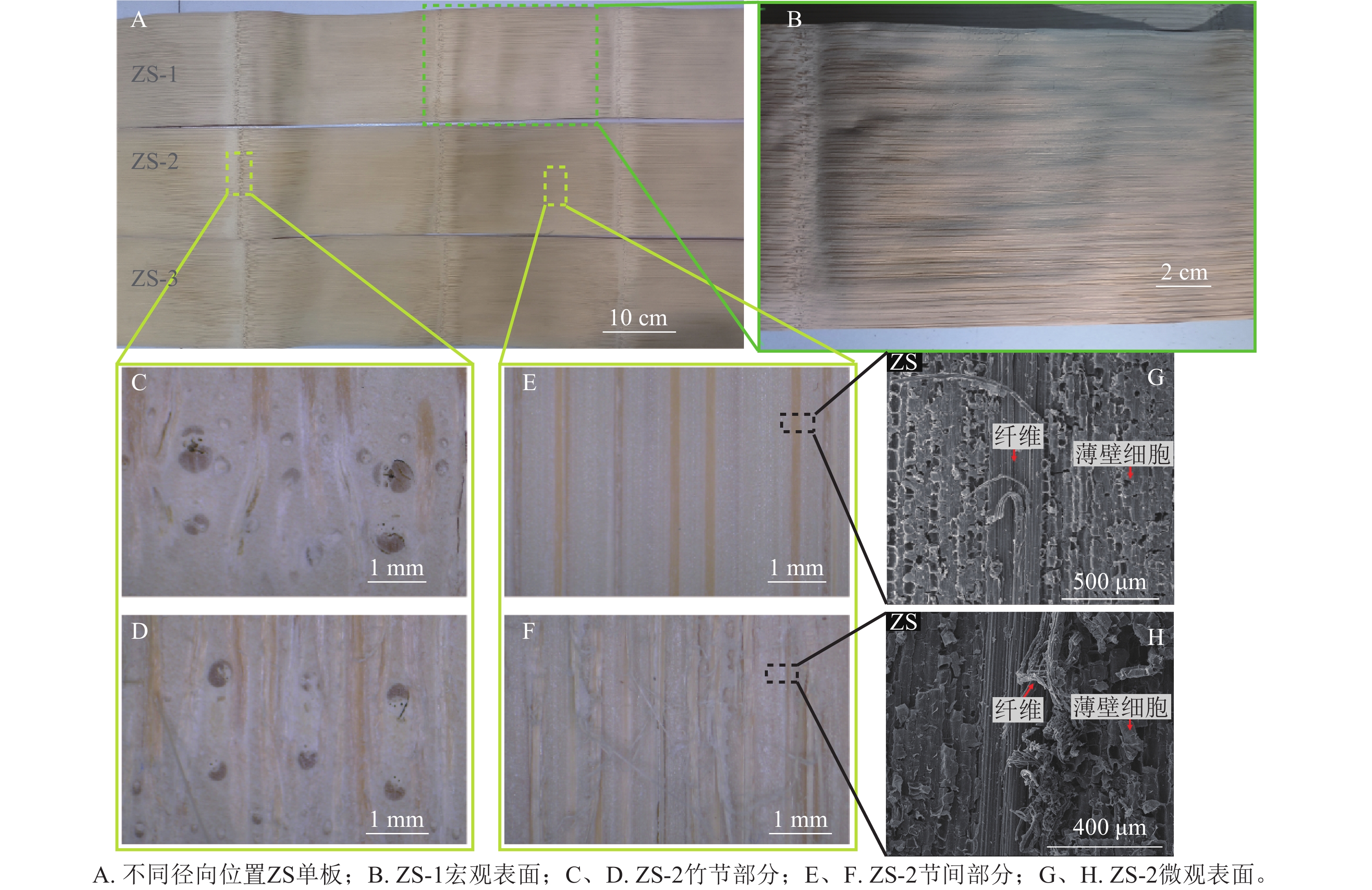
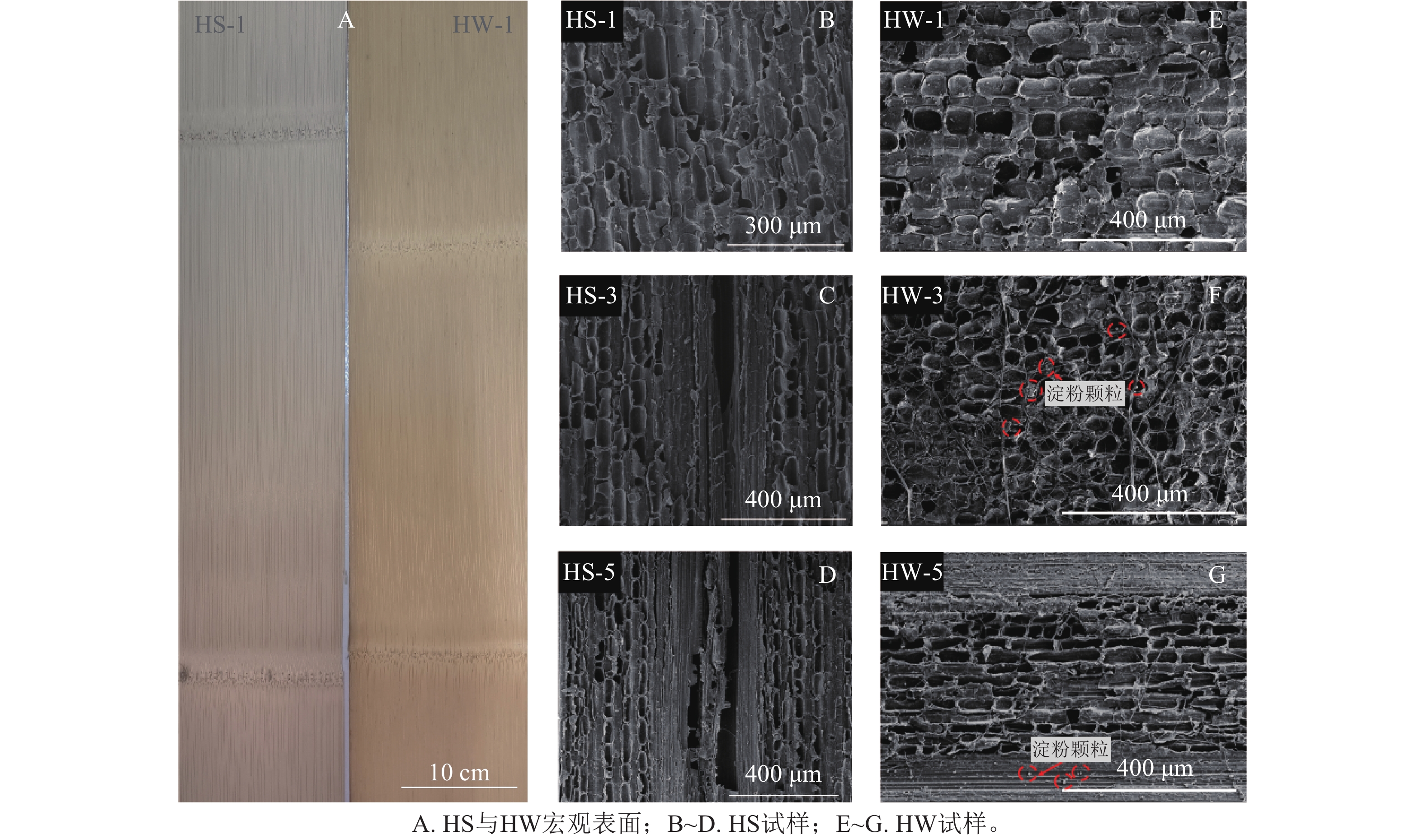
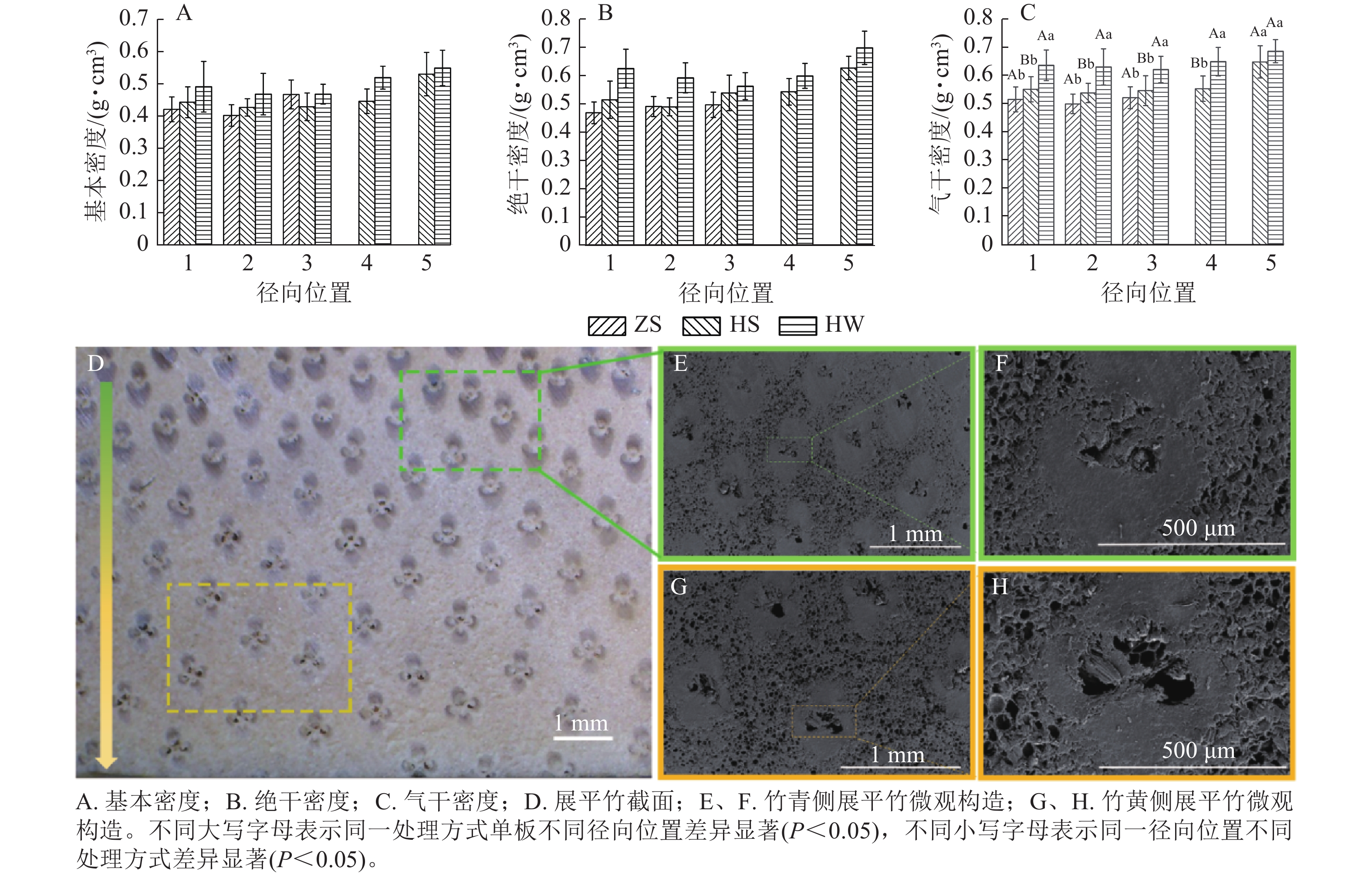
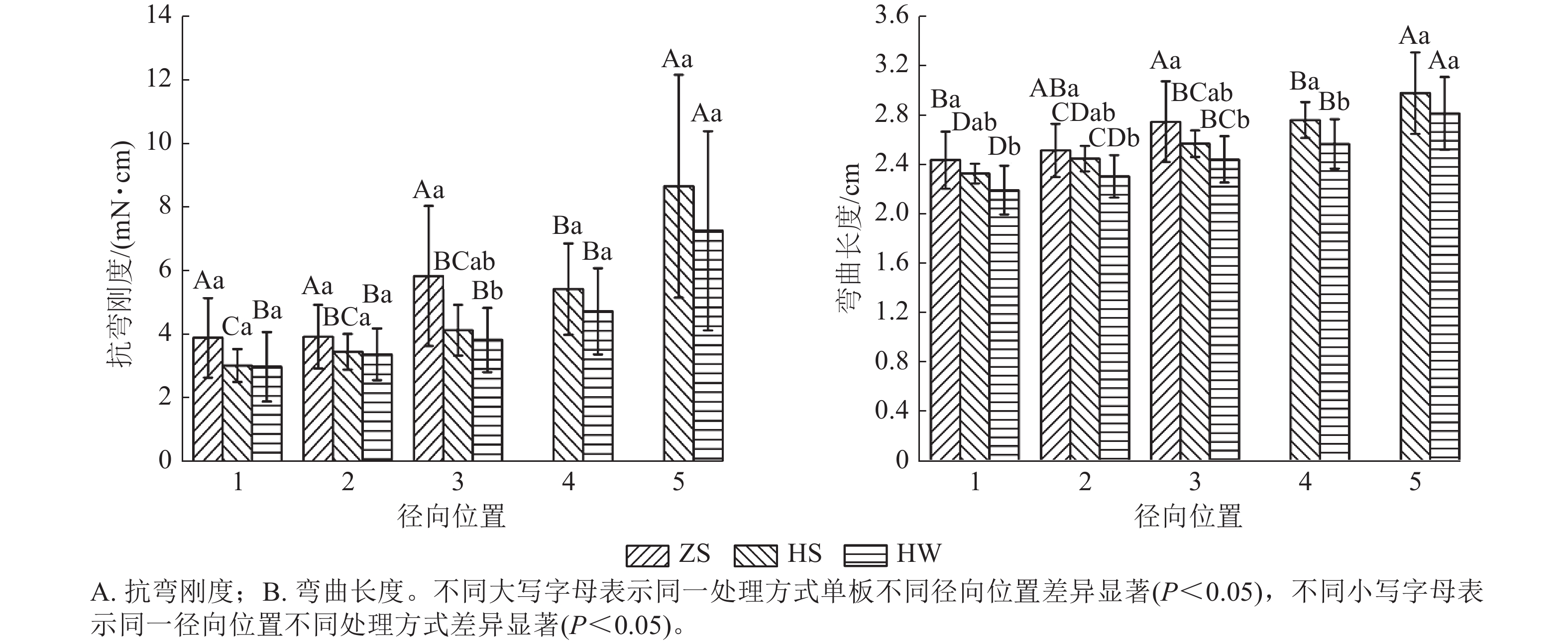
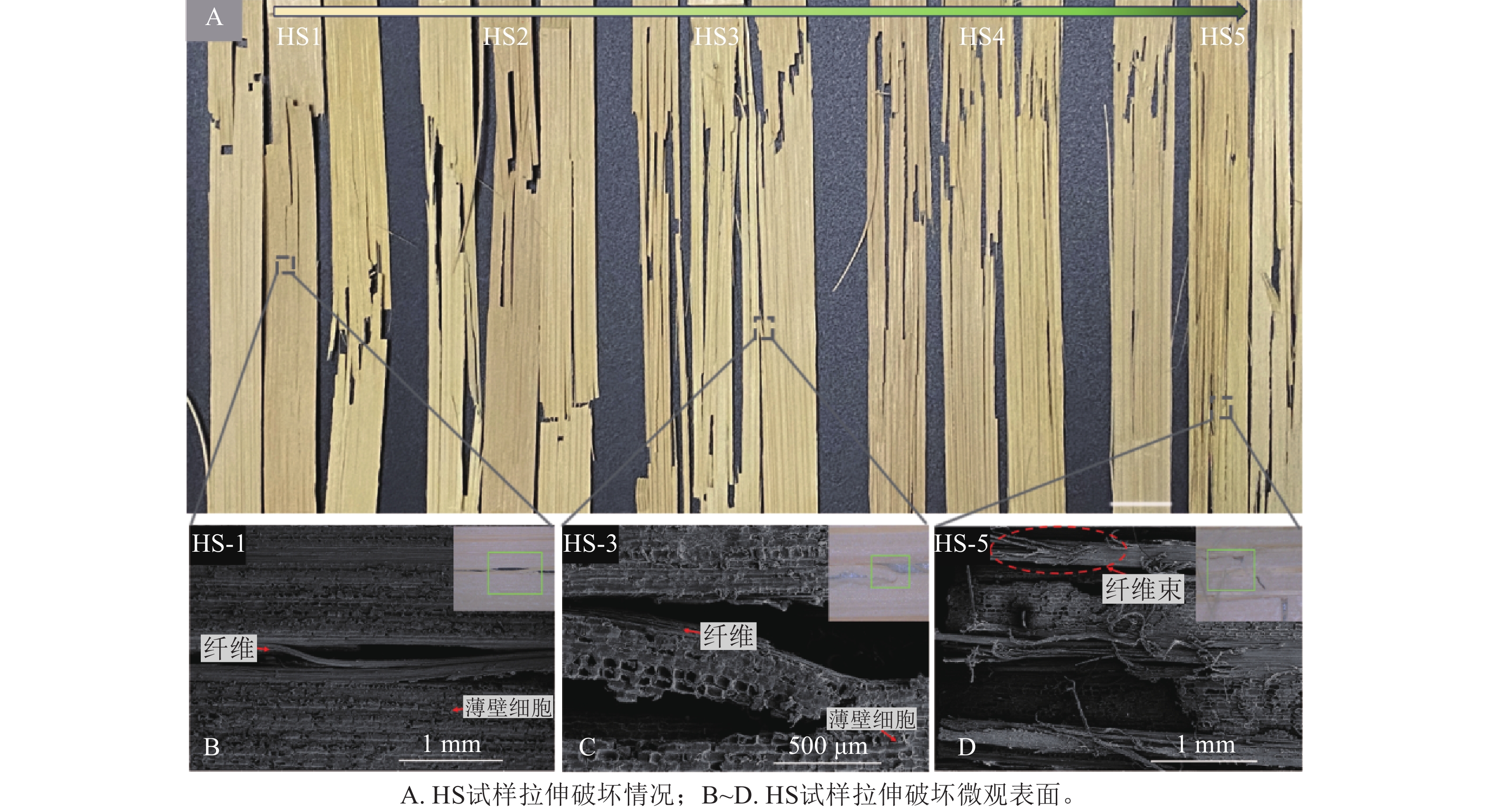
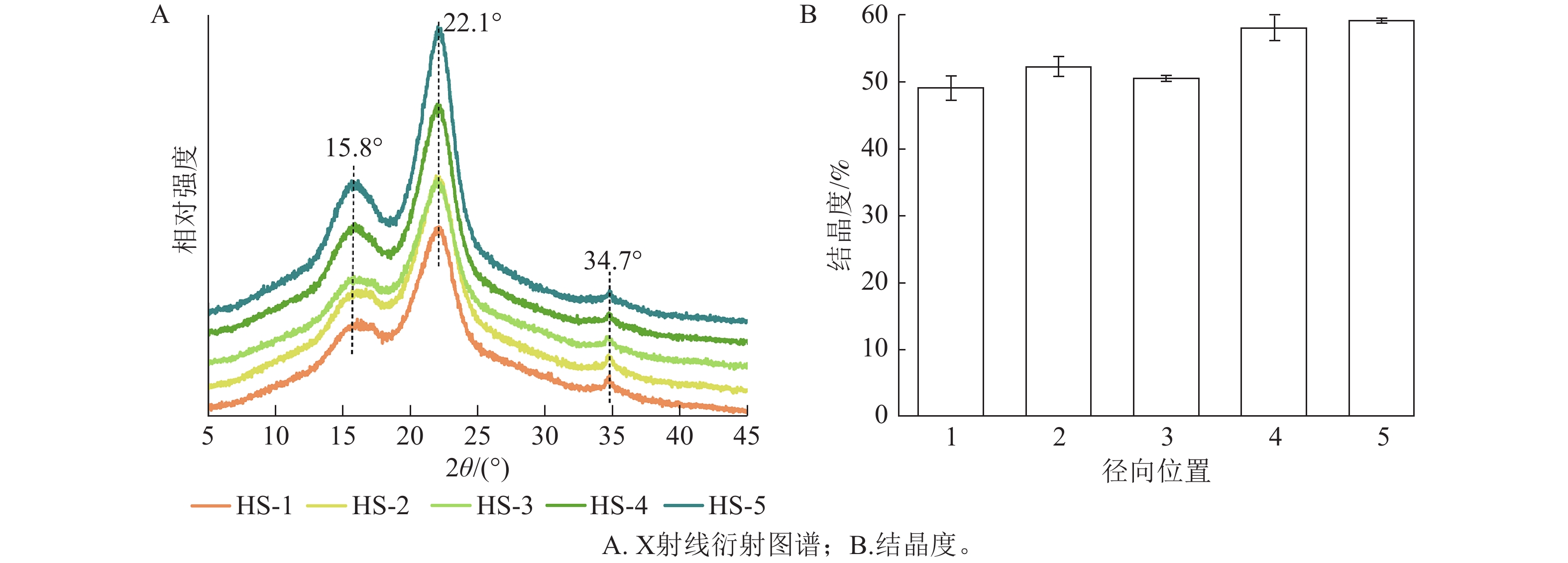
Objective This study aims to investigate the structural and performance differences of sliced bamboo veneers from different radial positions under various treatments, so as to provide fundamental data for achieving “bamboo as a substitute for plastic” and diversified utilization of veneers. Method A comparative study was conducted on the transverse and longitudinal planning methods, as well as water-boiling pretreatment process. Surface quality, flexibility, tensile properties, and chemical composition were taken as evaluation indices to quantify the effects of different processing techniques on the physical and chemical properties of sliced bamboo (Phyllostachys edulis) veneers from different radial positions. Result Transverse planing yielded higher surface quality and stability than longitudinal planing. The flexibility gradually decreased from the inner bark to the outer bark of the bamboo. Compared with transverse-planed unboiled veneers at the same radial position, the flexural rigidity of transverse-planed boiled veneers and longitudinal-planed veneers increased by approximately 11.47% and 34.22%, respectively, while their flexibility both deteriorated. Conversely, the tensile strength of the sliced veneer increased from the inner bark to the outer bark of the bamboo. At the same radial position, the transverse-planed boiled and unboiled veneers showed reductions of 11.78% and 21.68%, respectively. Chemical compositions showed no significant variations across radial positions due to gradient-dependent softening effects, while the crystallinity basically showed an upward trend from the inner to the outer layers of the bamboo. Conclusion The mechanical properties of bamboo veneers vary with radial position and planing direction. Directional planing and gradient processing can effectively coordinate mechanical properties of veneers. [Ch, 7 fig. 3 tab. 28 ref.]
2026, 43(3): 660-670.
doi: 10.11833/j.issn.2095-0756.20250249
Abstract:
Soil inorganic carbon (SIC) is a key component of the soil carbon pool, and its sequestration and loss have profound impacts on the global carbon cycling and climate change. With accelerating urbanization in China, urban ecosystems have become a focal point of ecological research. Urban green spaces, as integral components of urban ecosystems, are closely linked to soil carbon dynamics, climate regulation, and ecosystem services, and their response and feedback to urbanization will inevitably be the focus and priority of study. However, the understanding of SIC cycling in urban green spaces remains limited. This paper examined the potential impacts of human activities such as land management and construction on SIC in urban ecosystems. It systematically overviewed the following aspects: (1) sequestration, loss and influencing factors of SIC in urban green spaces under urbanization; (2) the driving effects of changes in soil physical properties, nitrogen inputs, pH, and salinity on the carbonate dissolution–precipitation balance of SIC in urban green spaces; (3) the impact of soil fauna and microbial communities on SIC formation process. Future research should focus on the driving mechanism of SIC dynamics under urbanization, so as to make up for the research deficiencies in inorganic carbon in urban green spaces and provide theoretical support for improving carbon cycling theory and optimizing ecosystem functions in urban ecosystems. [Ch, 1 tab. 83 ref.]
Soil inorganic carbon (SIC) is a key component of the soil carbon pool, and its sequestration and loss have profound impacts on the global carbon cycling and climate change. With accelerating urbanization in China, urban ecosystems have become a focal point of ecological research. Urban green spaces, as integral components of urban ecosystems, are closely linked to soil carbon dynamics, climate regulation, and ecosystem services, and their response and feedback to urbanization will inevitably be the focus and priority of study. However, the understanding of SIC cycling in urban green spaces remains limited. This paper examined the potential impacts of human activities such as land management and construction on SIC in urban ecosystems. It systematically overviewed the following aspects: (1) sequestration, loss and influencing factors of SIC in urban green spaces under urbanization; (2) the driving effects of changes in soil physical properties, nitrogen inputs, pH, and salinity on the carbonate dissolution–precipitation balance of SIC in urban green spaces; (3) the impact of soil fauna and microbial communities on SIC formation process. Future research should focus on the driving mechanism of SIC dynamics under urbanization, so as to make up for the research deficiencies in inorganic carbon in urban green spaces and provide theoretical support for improving carbon cycling theory and optimizing ecosystem functions in urban ecosystems. [Ch, 1 tab. 83 ref.]
2026, 43(3): 671-680.
doi: 10.11833/j.issn.2095-0756.20250455
Abstract:
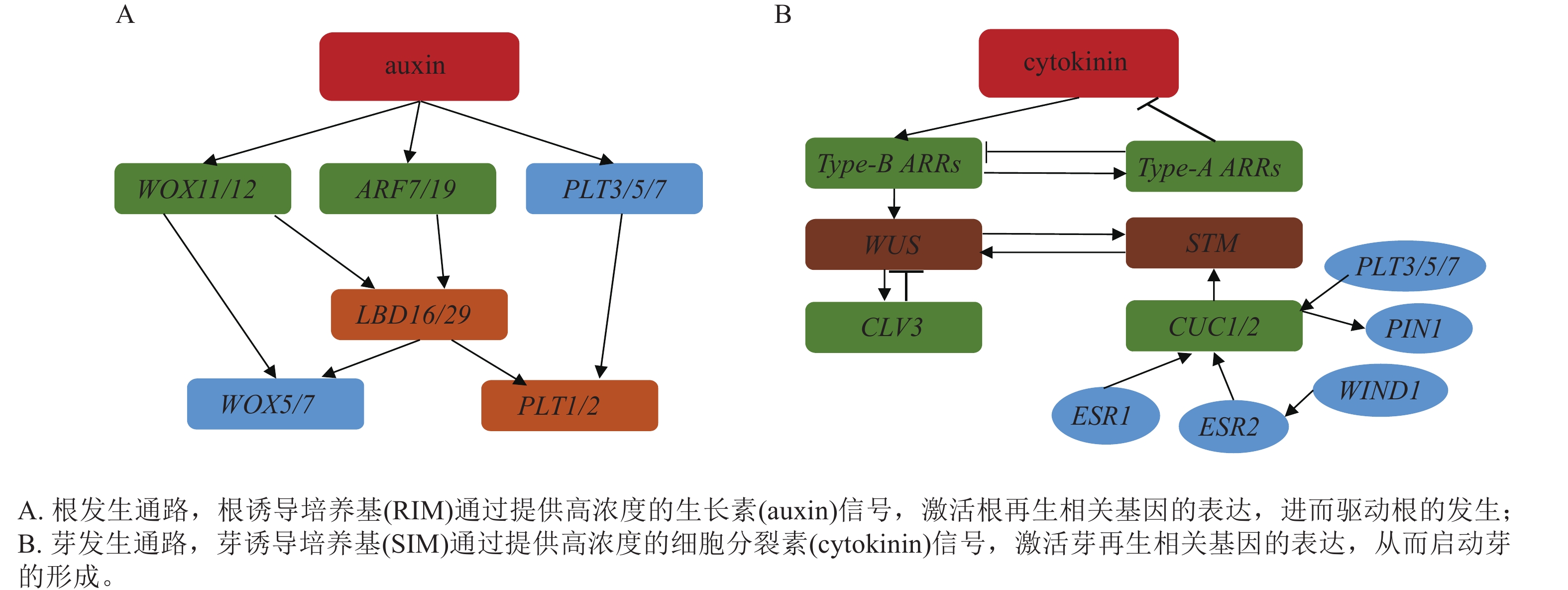
However, the current organogenic regeneration system generally has technical bottlenecks such as rooting difficulties, severe browning and strong genotype dependence in adult materials, which seriously restricts the relevant breeding and breeding process. The key external factors affecting regeneration efficiency, including explant selection, media optimization, and the ratio and treatment timing of plant growth regulators (PGRs) are systematically sorted out. At the molecular mechanism level, the cellular and molecular regulatory mechanisms from callus induction to adventitious root/adventitious bud formation were expounded, and the core mechanisms of auxin signaling (ARF-WOX-LBD pathway) regulating adventitious root genesis and cytokinin signaling (ARR-WUS-CLV3 loop) regulating adventitious bud formation were revealed. In view of the technical bottlenecks such as the difficulty of rooting of adult materials and the serious browning of high-phenolic varieties, a comprehensive countermeasure combining physiological and epigenetic regulation was further proposed. This paper analyzes that the organogenesis of woody plants is jointly regulated by external culture conditions, internal hormone pathways and epigenetic status, and the essence of adult material regeneration disorder is that regeneration-related genes are systematically inhibited at the epigenetic level. In the future, through deepening mechanism analysis and technological innovation, it is expected to systematically break through the regrowth obstacles of woody plants and provide systematic support for precision breeding and gene function research of forest trees. [Ch, 1 fig. 2 tab. 82 ref.]
However, the current organogenic regeneration system generally has technical bottlenecks such as rooting difficulties, severe browning and strong genotype dependence in adult materials, which seriously restricts the relevant breeding and breeding process. The key external factors affecting regeneration efficiency, including explant selection, media optimization, and the ratio and treatment timing of plant growth regulators (PGRs) are systematically sorted out. At the molecular mechanism level, the cellular and molecular regulatory mechanisms from callus induction to adventitious root/adventitious bud formation were expounded, and the core mechanisms of auxin signaling (ARF-WOX-LBD pathway) regulating adventitious root genesis and cytokinin signaling (ARR-WUS-CLV3 loop) regulating adventitious bud formation were revealed. In view of the technical bottlenecks such as the difficulty of rooting of adult materials and the serious browning of high-phenolic varieties, a comprehensive countermeasure combining physiological and epigenetic regulation was further proposed. This paper analyzes that the organogenesis of woody plants is jointly regulated by external culture conditions, internal hormone pathways and epigenetic status, and the essence of adult material regeneration disorder is that regeneration-related genes are systematically inhibited at the epigenetic level. In the future, through deepening mechanism analysis and technological innovation, it is expected to systematically break through the regrowth obstacles of woody plants and provide systematic support for precision breeding and gene function research of forest trees. [Ch, 1 fig. 2 tab. 82 ref.]