Current Issue
column
2026, 43(5): 913-924.
doi: 10.11833/j.issn.2095-0756.20260302
Abstract:
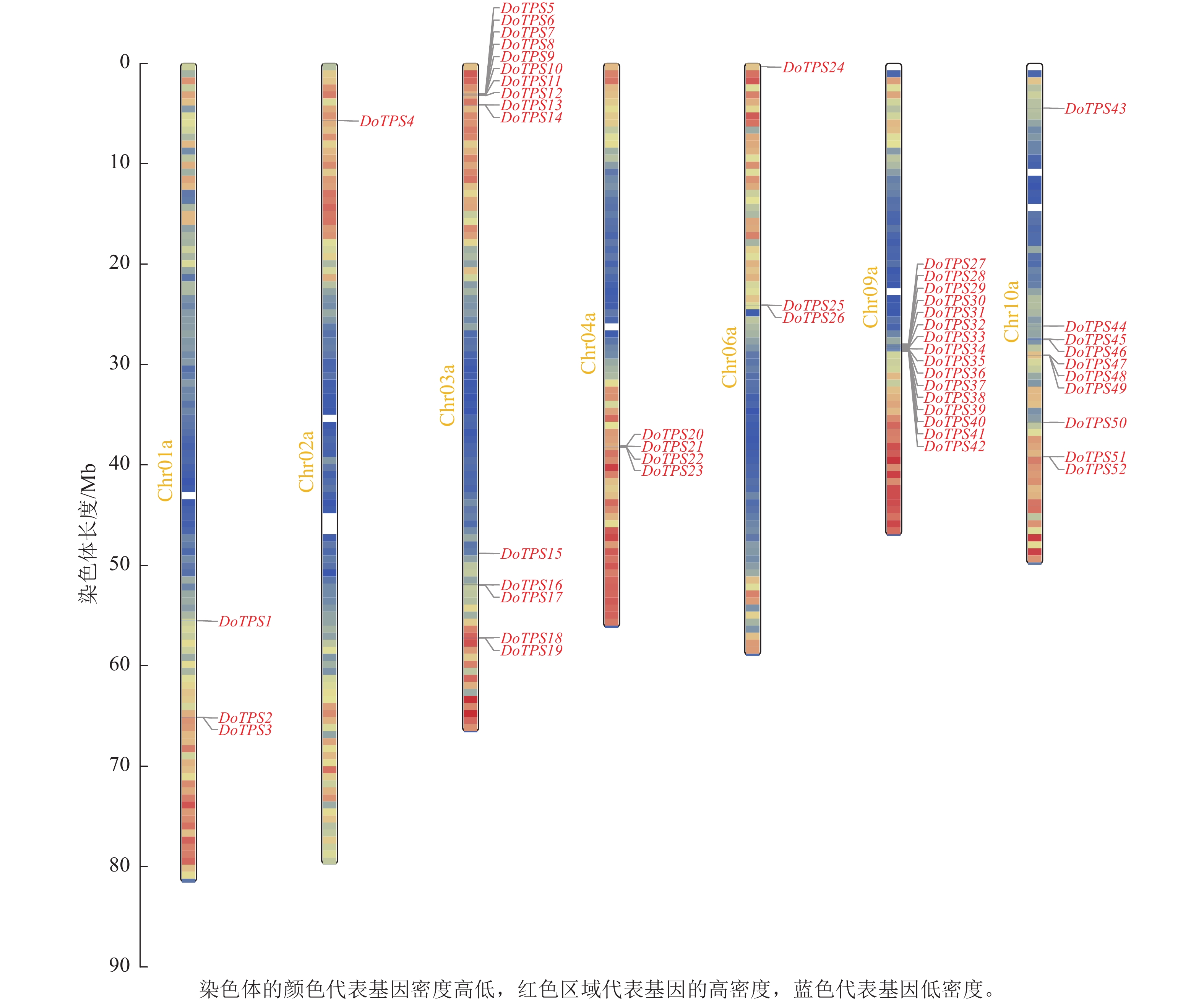
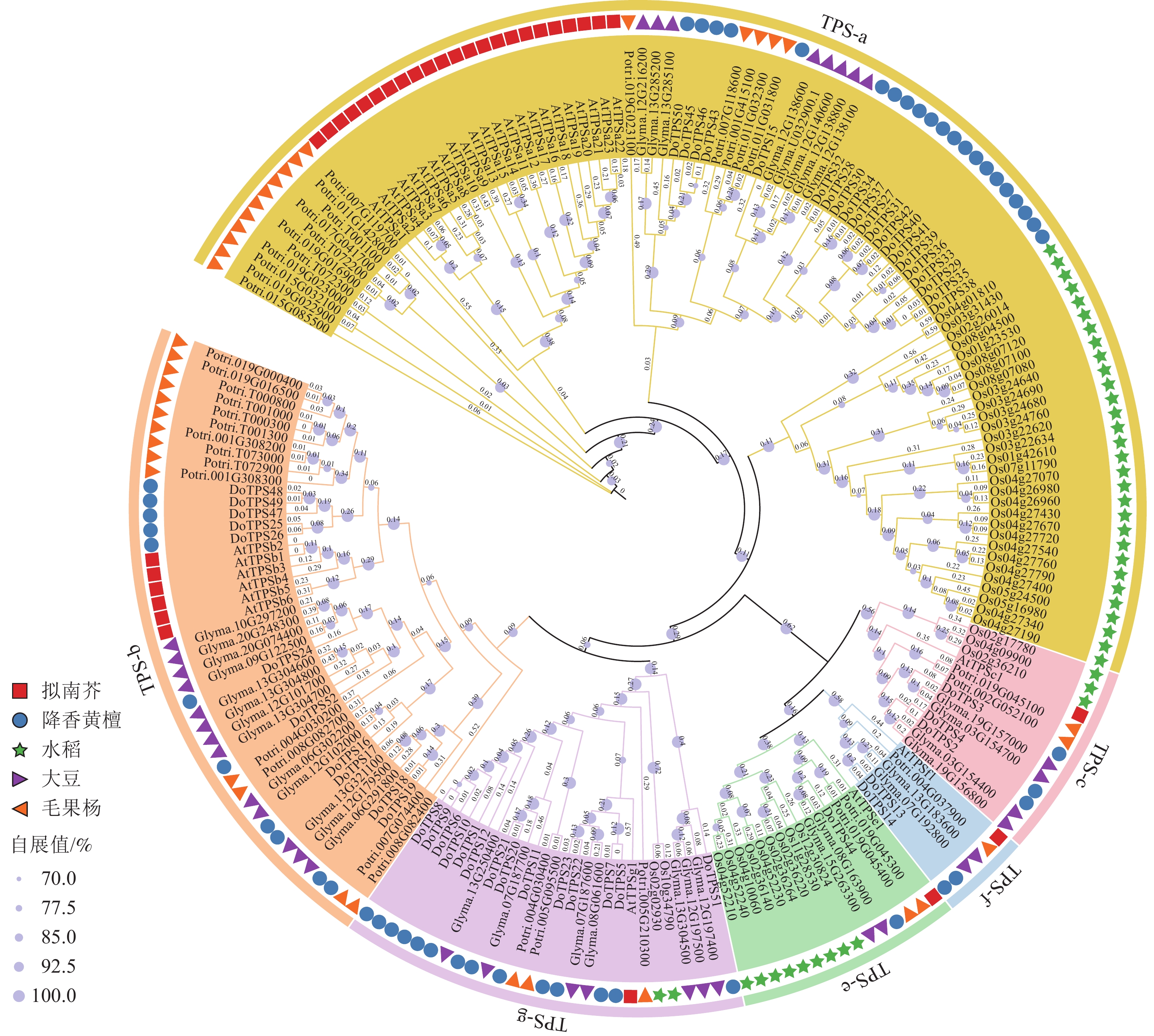
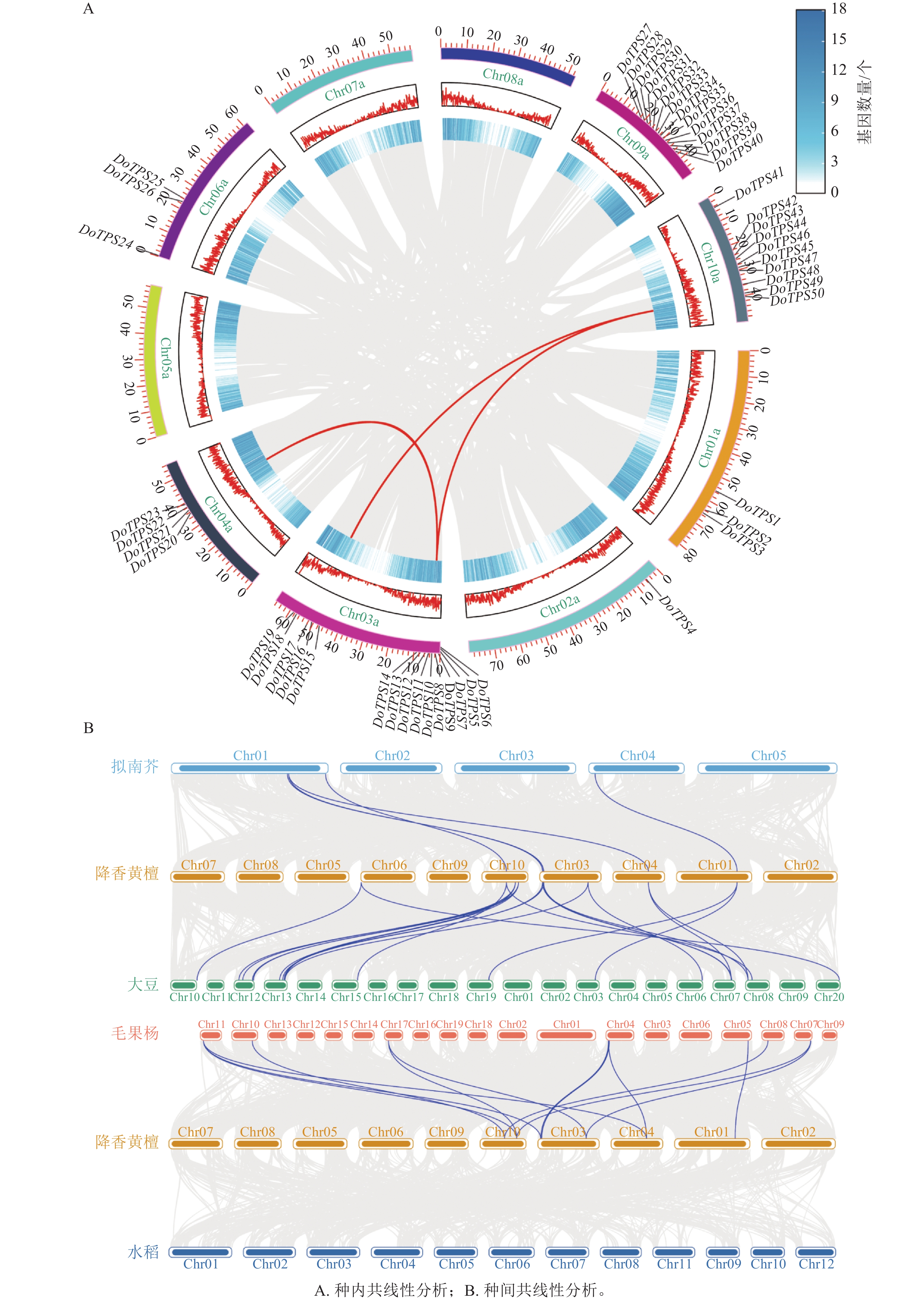
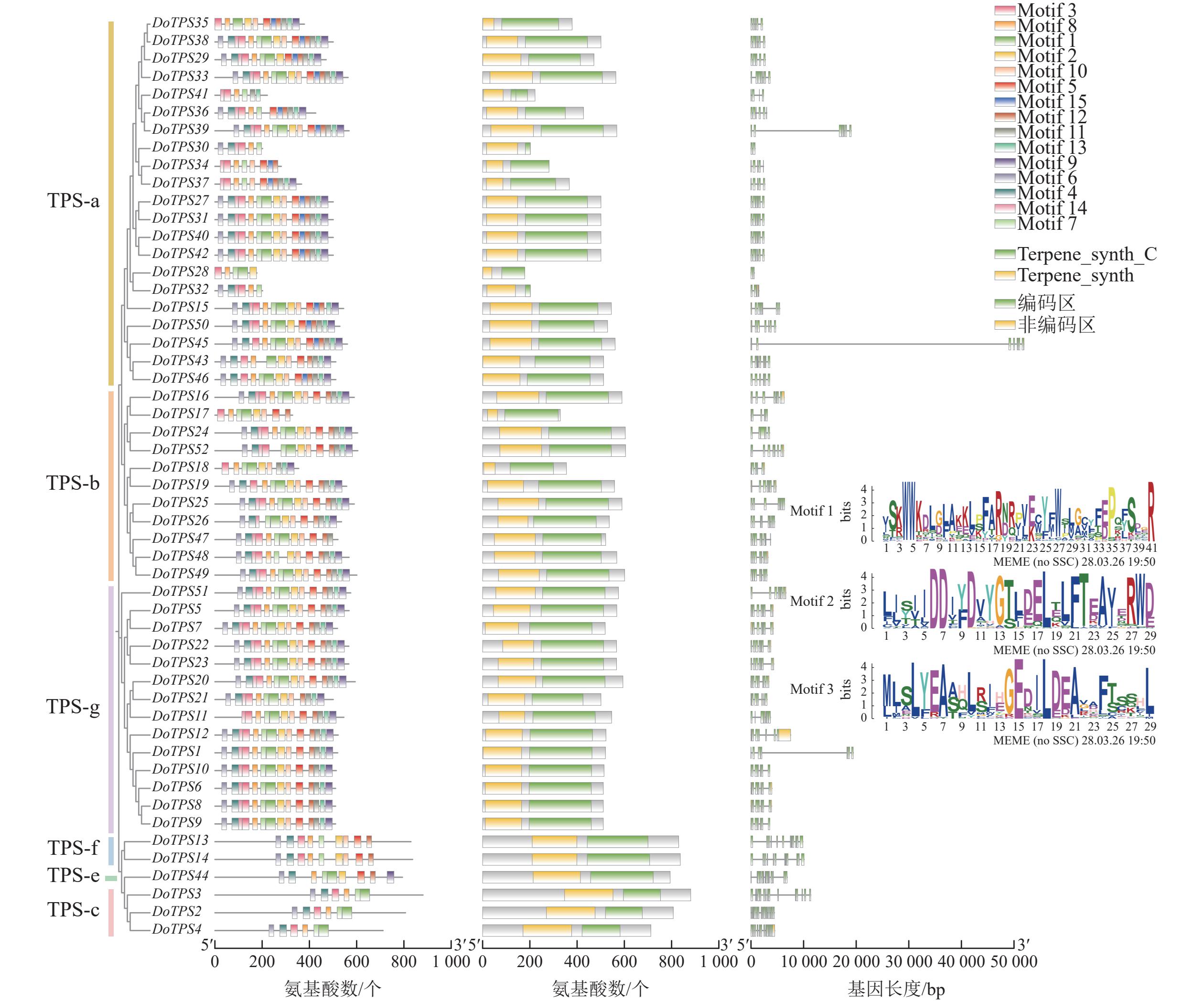
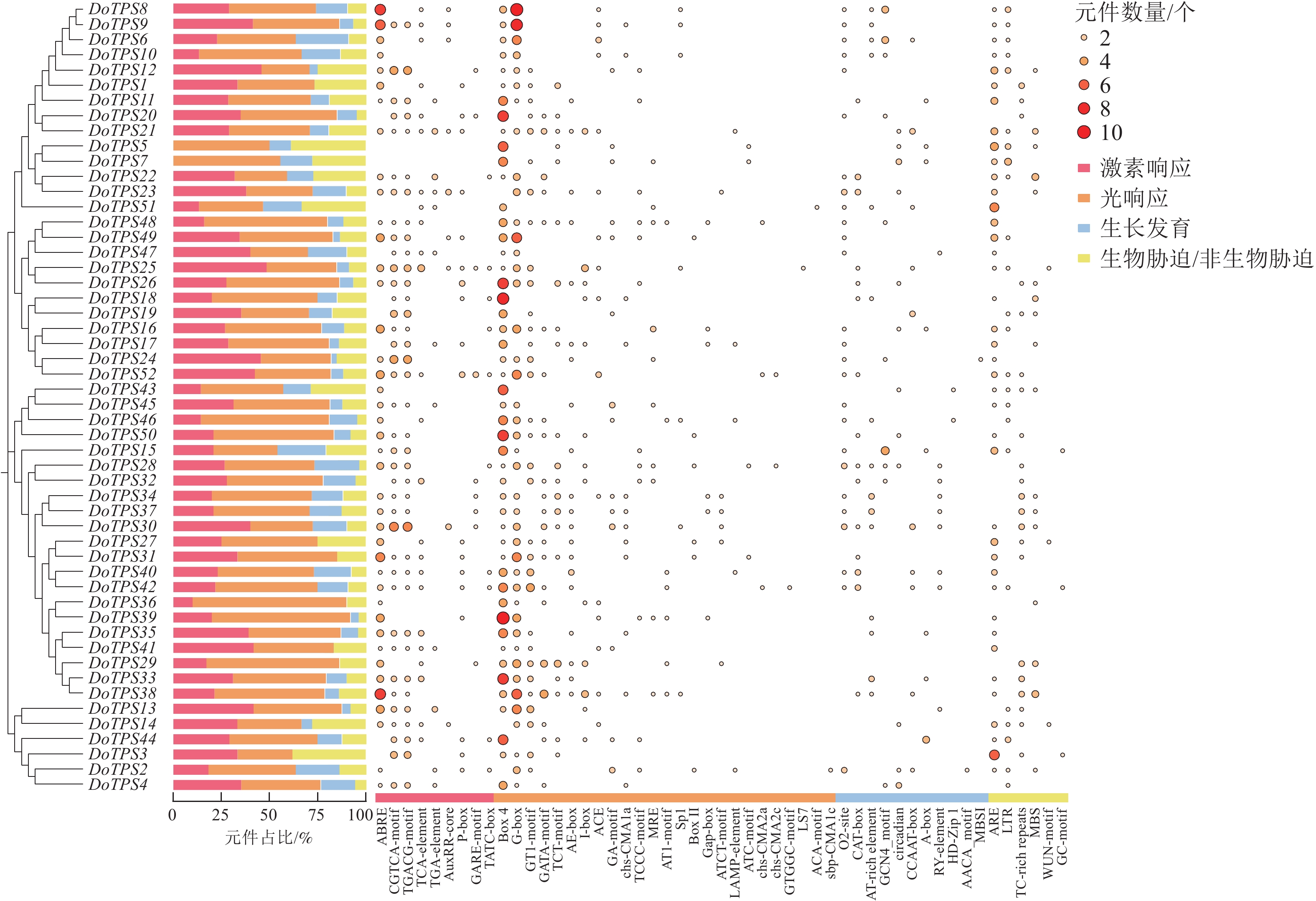
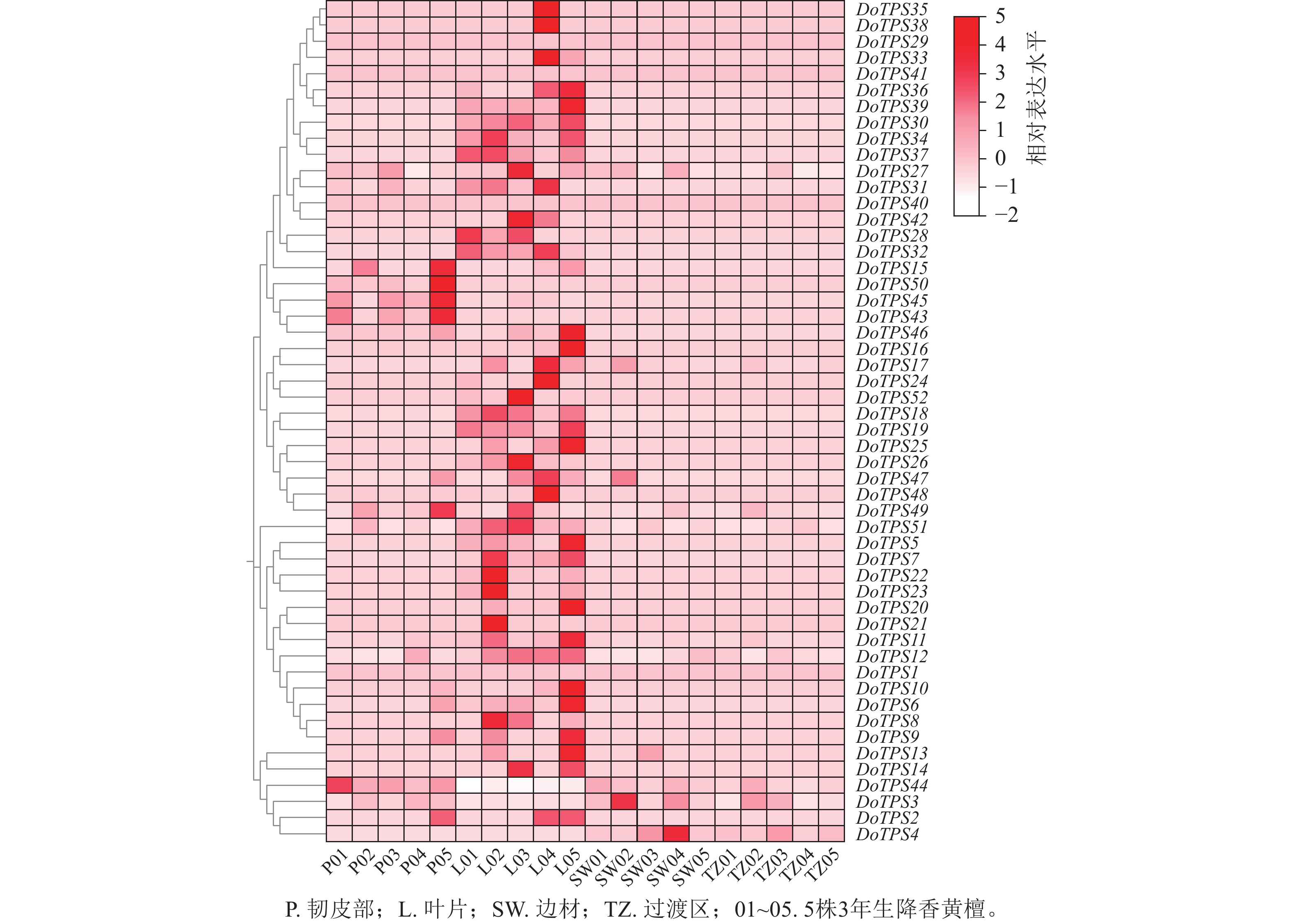
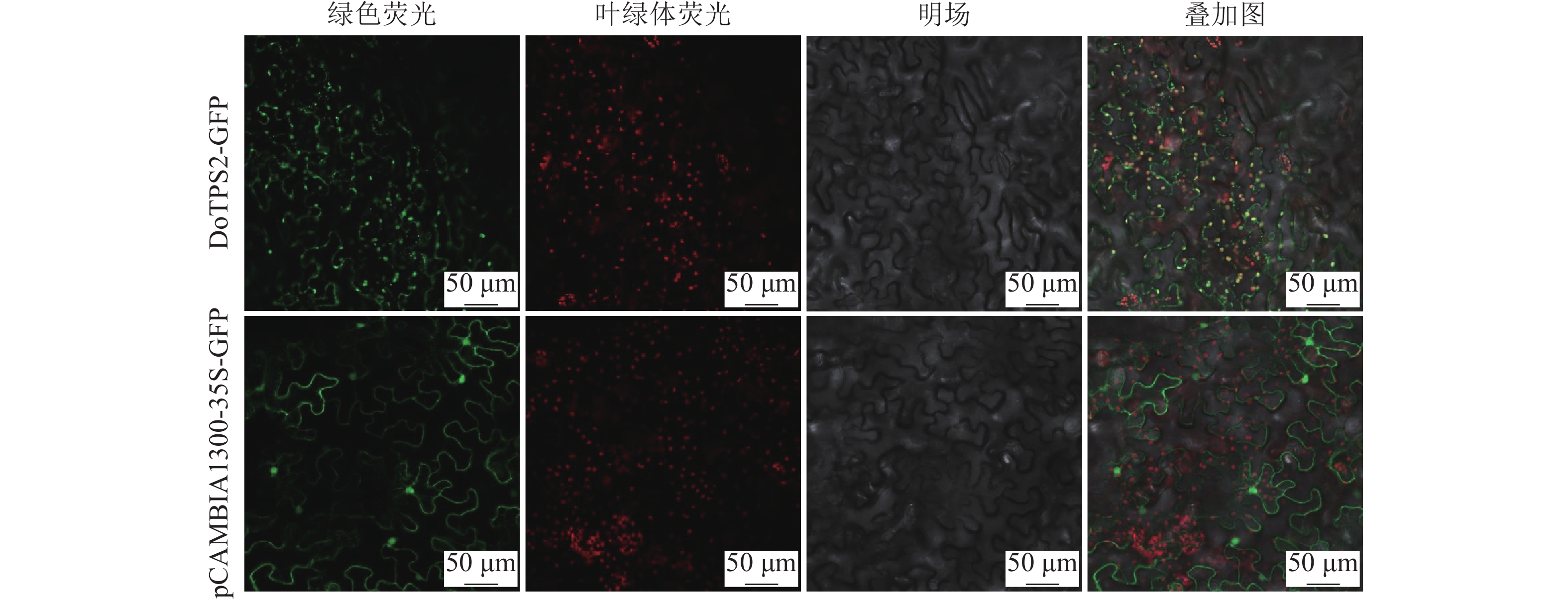
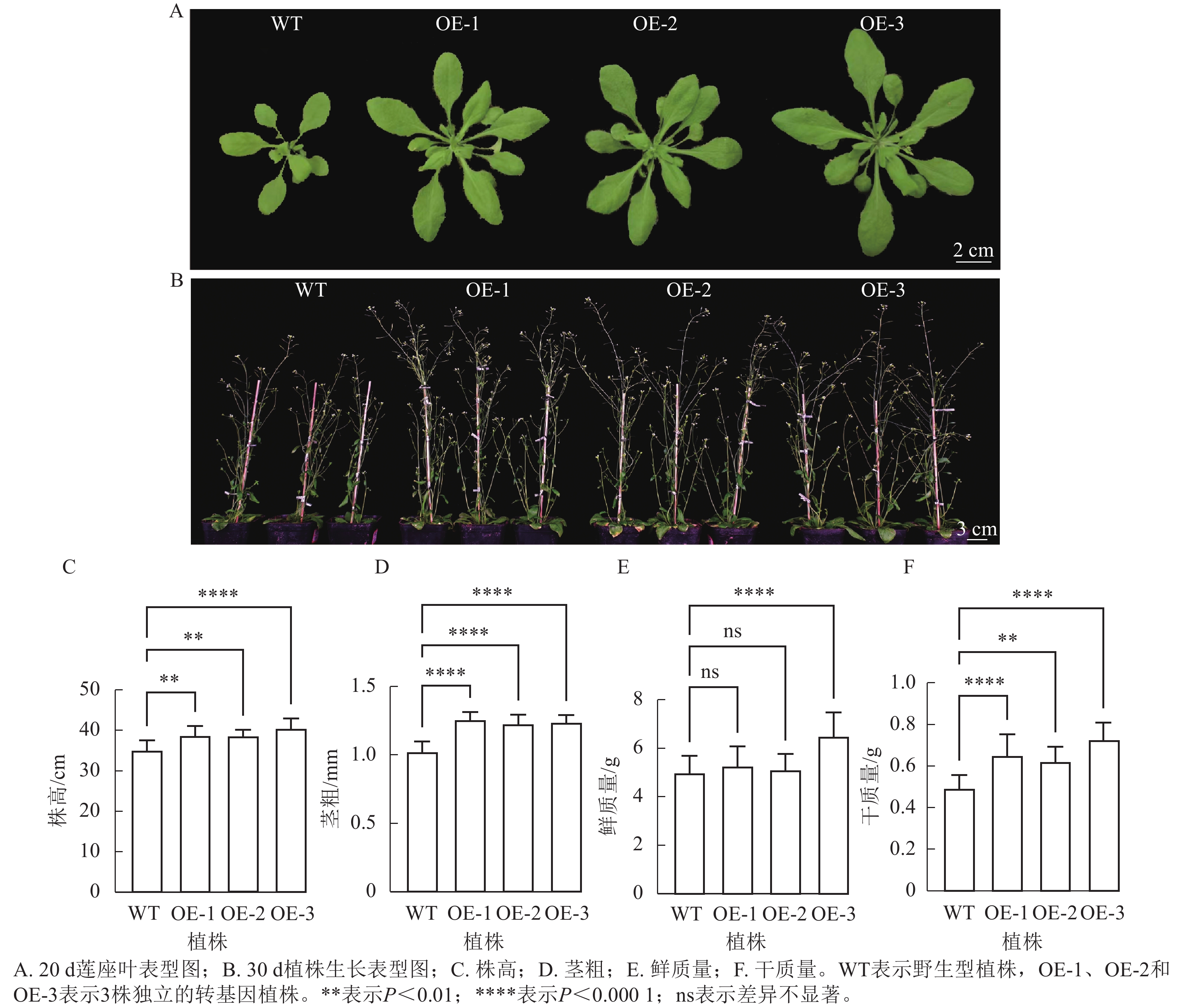
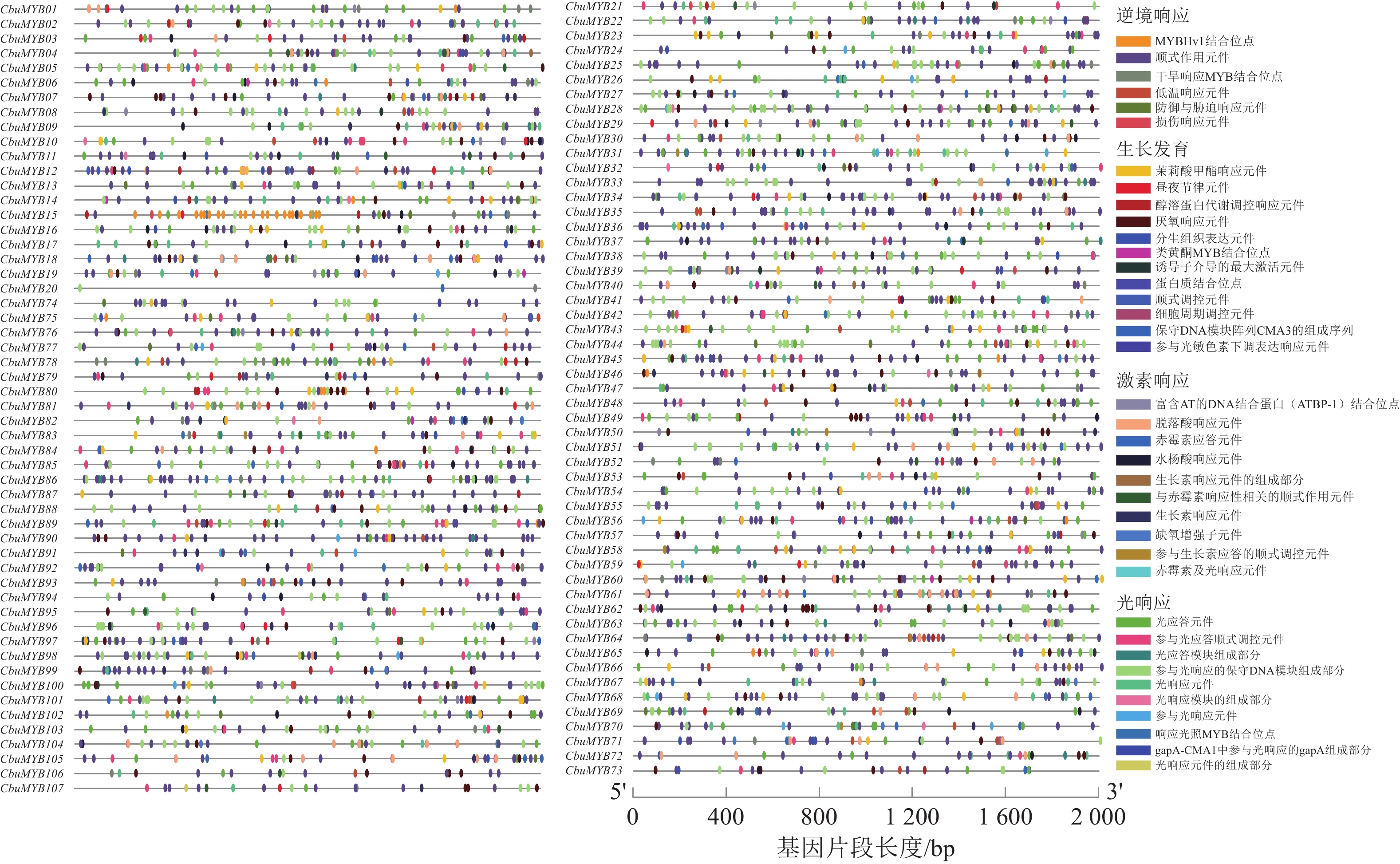
Objective Terpene synthase (TPS) is the key enzyme in plant terpenoid biosynthesis, playing important roles in plant secondary metabolism, stress response and growth and development. This study aims to identify and analyze Dalbergia odorifera TPS (DoTPS) genes, providing a theoretical basis for biological functions of the DoTPS family and genetic improvement of D. odorifera. Method Bioinformatics methods were used to perform genome-wide identification and systematic analysis of DoTPS family members. Combined with transient expression assays and Arabidopsis thaliana genetic transformation experiments, the subcellular localization and biological function of the highly conserved DoTPS2 gene were verified. Result A total of 52 DoTPS members were identified, encoding 178 to 881 amino acids. They were unevenly distributed on 7 chromosomes with partial tandem clustering. All members were hydrophilic proteins, predicted to be primarily localized in the cytoplasm and chloroplasts. All members contained the 2 typical conserved domains of terpene synthases: Terpene_synth and Terpene_synth_C. Promoter regions were enriched in light-responsive and hormone-responsive elements, and half of the members harbored MYB transcription factor binding sites. Phylogenetic analysis classified DoTPS into 6 subfamilies, among which the TPS-a, TPS-b and TPS-g subfamilies showed significant expansion. Expression pattern analysis revealed that DoTPS genes were predominantly expressed in leaves, followed by phloem, sapwood and transition zones. DoTPS2, a member of the evolutionarily conserved TPS-c subfamily, showed broad-spectrum expression. Subcellular localization experiments confirmed that DoTPS2 protein was localized in chloroplasts. Overexpression of the evolutionarily conserved DoTPS2 significantly promoted the growth and development of A. thaliana. Conclusion A total of 52 DoTPS genes were identified in the D. odorifera genome, predominantly belonging to the TPS-a, TPS-b and TPS-g subfamilies; family expansion was mainly driven by tandem and proximal duplication; the positive regulatory role of the DoTPS2 gene in plant growth and development was successfully verified, indicating that this gene can serve as a key candidate genetic resource for breeding fast-growing varieties of D. odorifera. [Ch, 8 fig. 3 tab. 26 ref.]
2026, 43(5): 925-934.
doi: 10.11833/j.issn.2095-0756.20260188
Abstract:
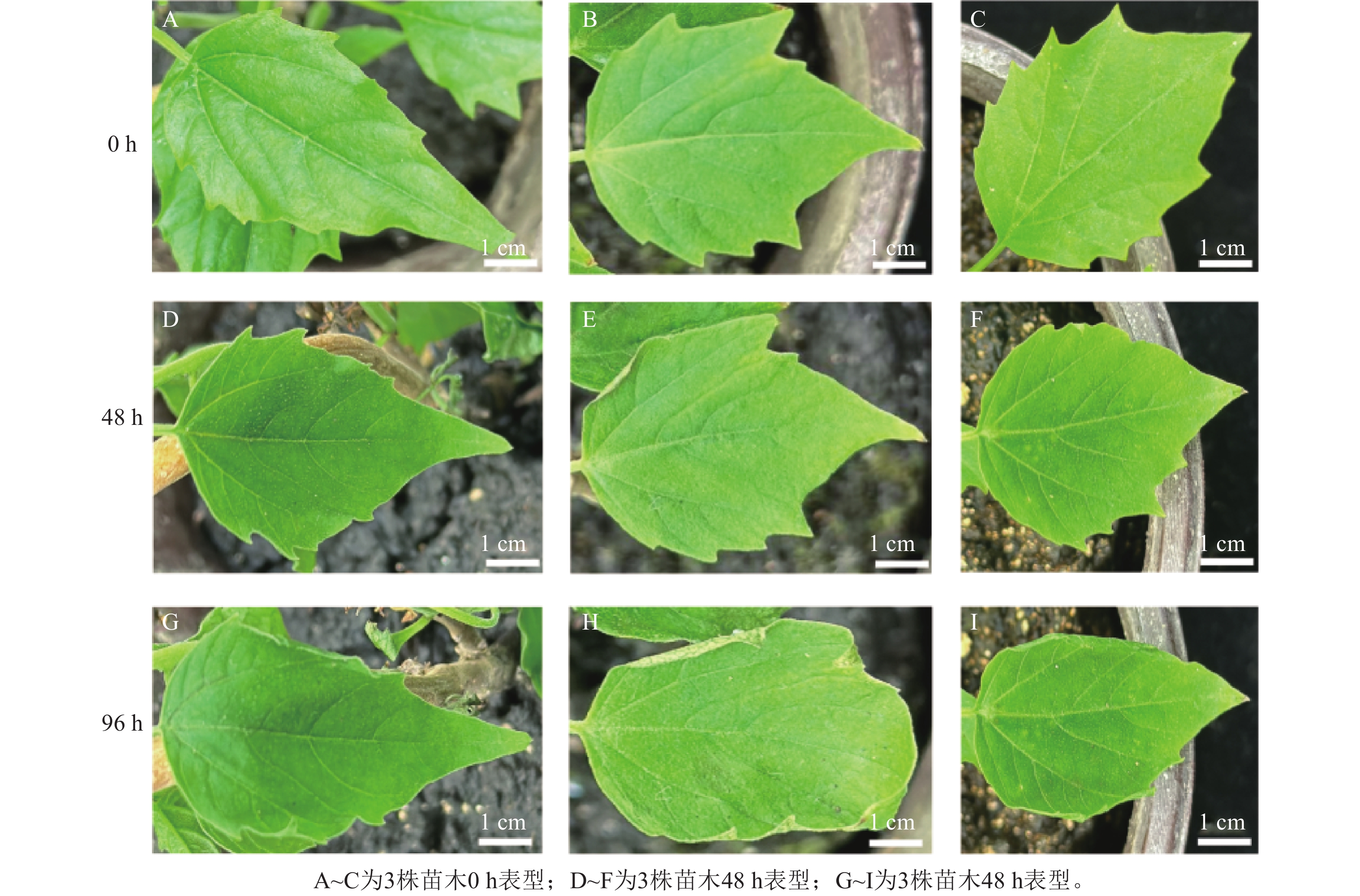
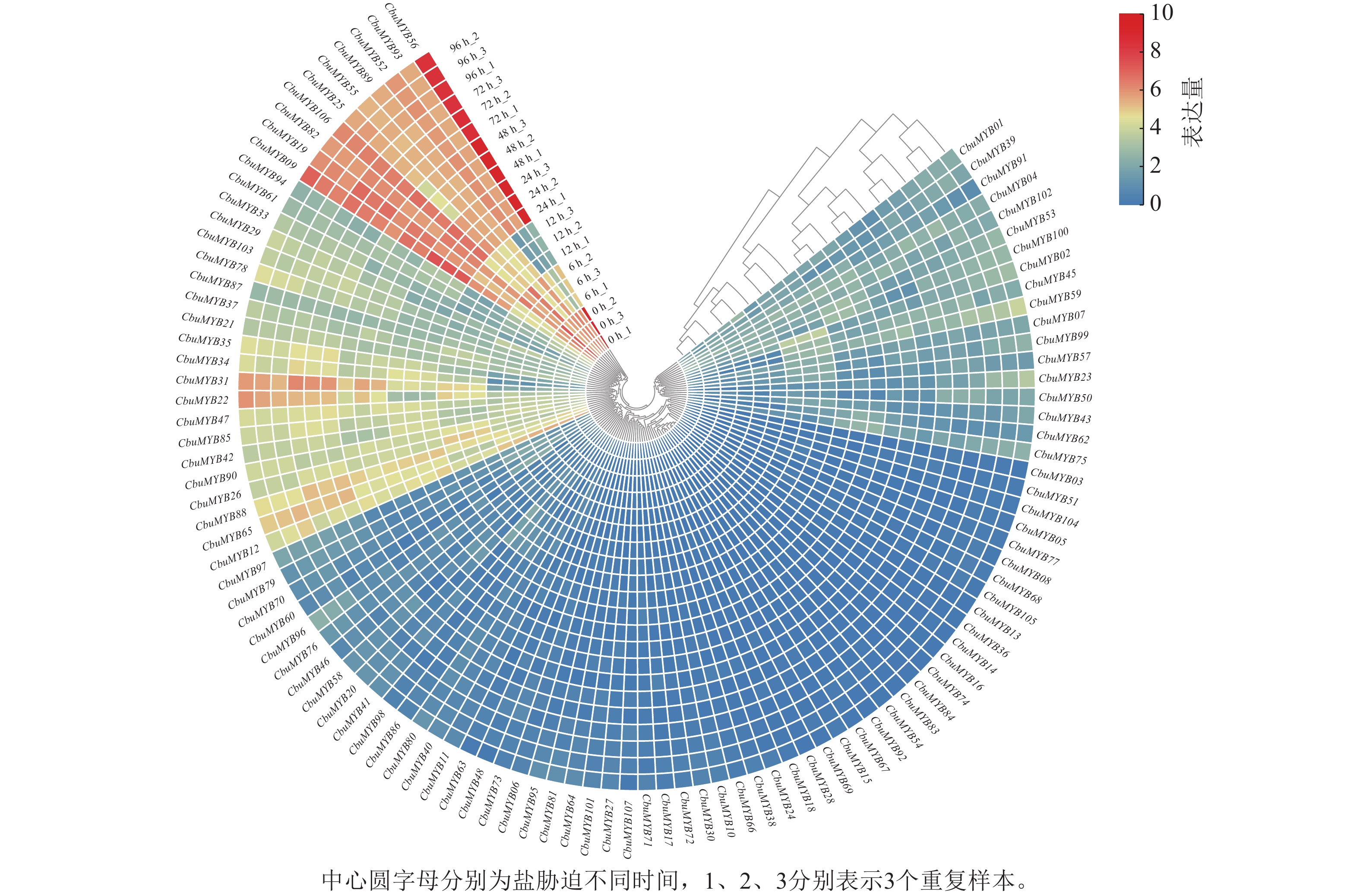
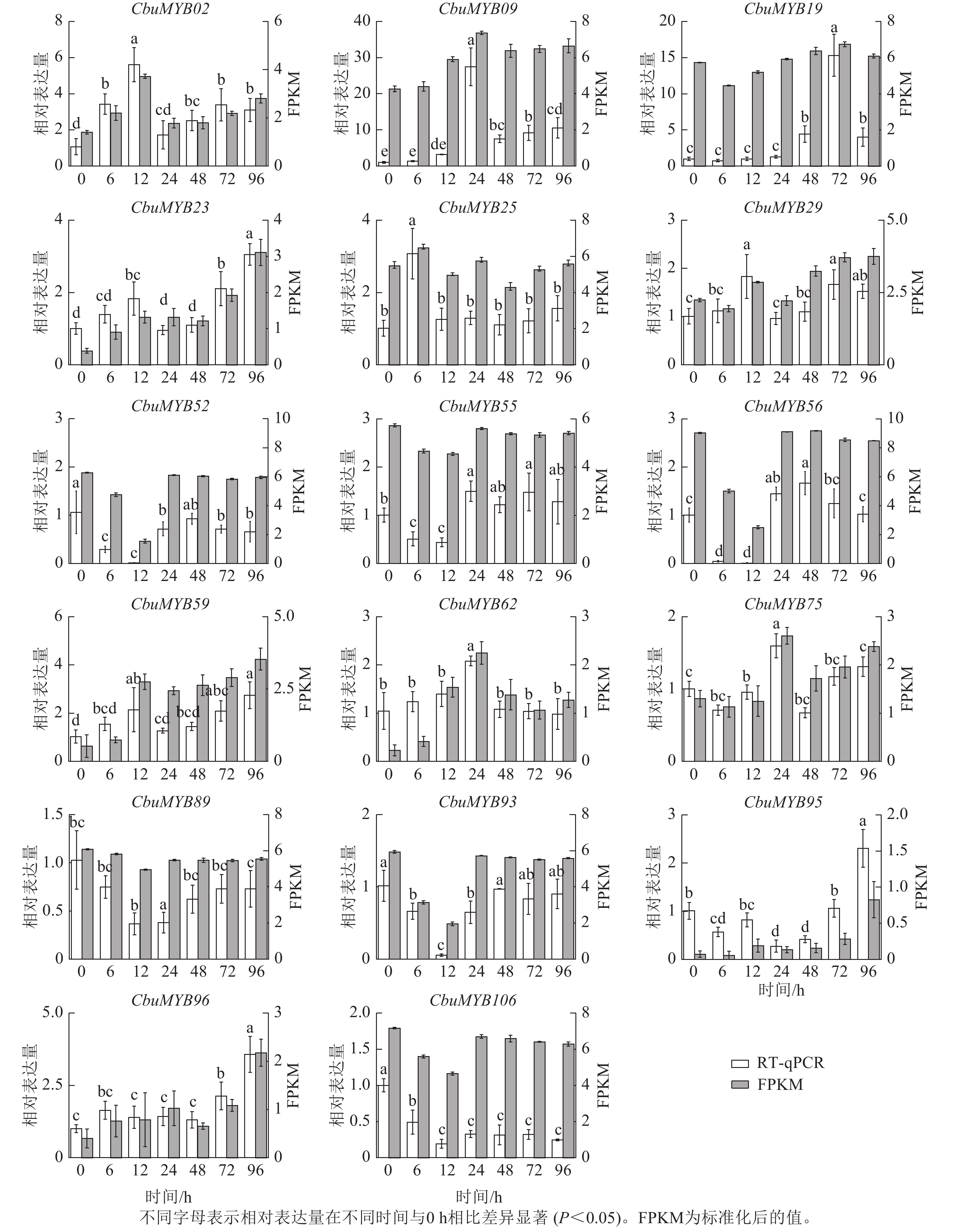
Objective Salt stress is a key abiotic stress factor affecting the normal growth and development of forest trees. Catalpa bungei is a precious timber tree species in China, and its salt stress tolerance has not been deeply studied yet. Screening the salt-tolerant genes of C. bungei can provide a theoretical basis for understanding its salt-tolerant mechanism and the breeding of salt-tolerant superior varieties. Method The superior variety ‘9-1’ of C. bungei was used as the material. Genome-wide identification, transcriptome sequencing and bioinformatics analysis were performed on the leaves under 0.1 mol·L−1 NaCl stress for 0, 6, 12, 24, 48, 72 and 96 h. Result A total of 107 members of C. bungei MYB (CbuMYB) family were identified through genome-wide identification. The gene structure indicated that the CbuMYB gene family contained 10 motifs and 8 conserved motifs. Phylogenetic analysis was conducted and it was divided into 12 subfamilies. The time series expression profile of salt stress showed that the response patterns of the CbuMYB family members were differentiated: compared with 0 h, CbuMYB52, CbuMYB56 and CbuMYB93 were significantly downregulated in the early stage of stress (6−12 h) (P<0.05). CbuMYB09, CbuMYB19, CbuMYB23, CbuMYB95 and CbuMYB96 were significantly upregulated in the middle and later stages (24−96 h) (P<0.05), among which CbuMYB19 showed a single induction peak at 72 h. Conclusion The members of the CbuMYB family have a high degree of conservation. The temporal expression characteristics of the CbuMYB family members under salt stress reveal the complex regulatory patterns formed in the salt stress response of C. bungei. [Ch, 5 fig. 46 ref.]

2026, 43(5): 935-944.
doi: 10.11833/j.issn.2095-0756.20260268
Abstract:
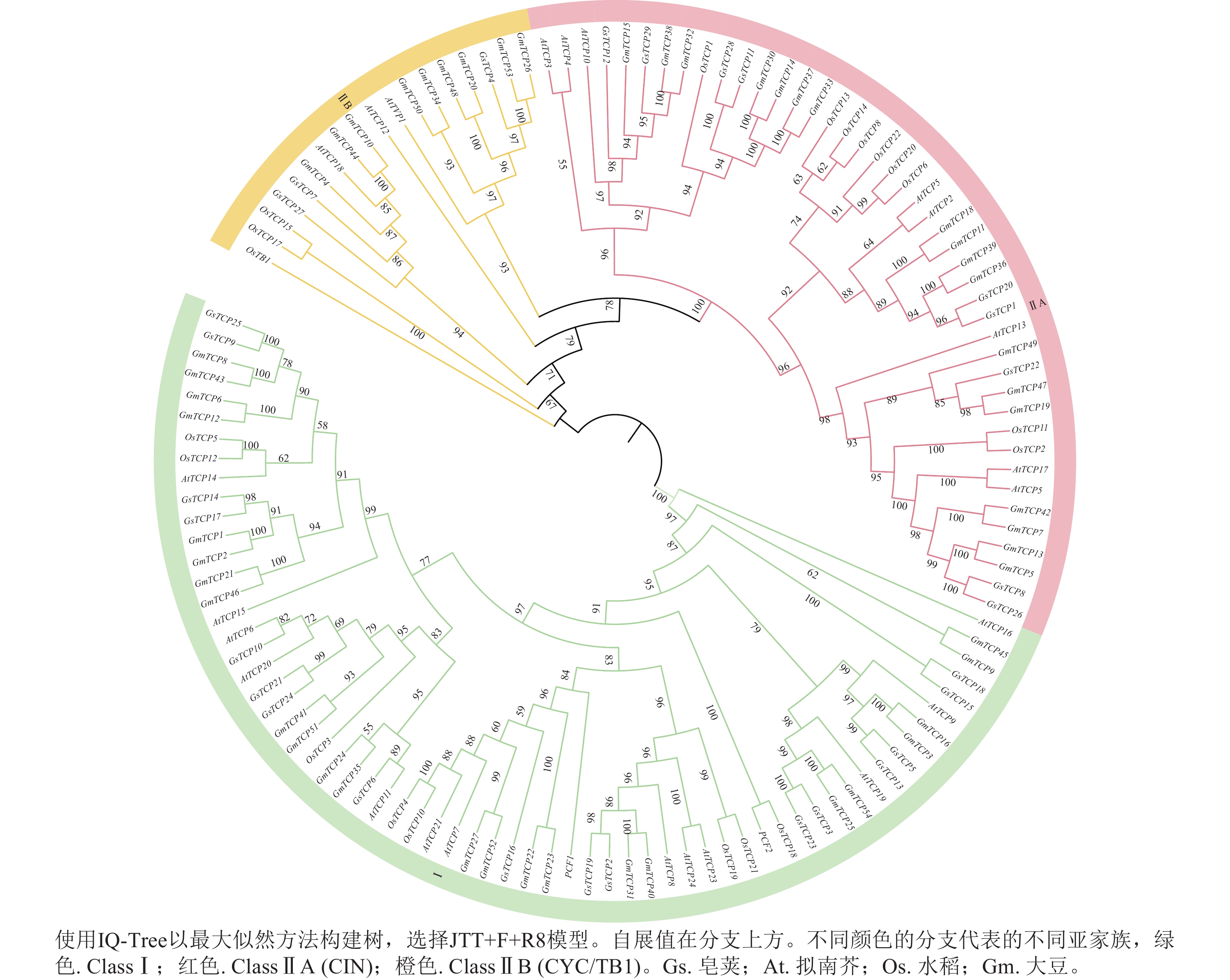
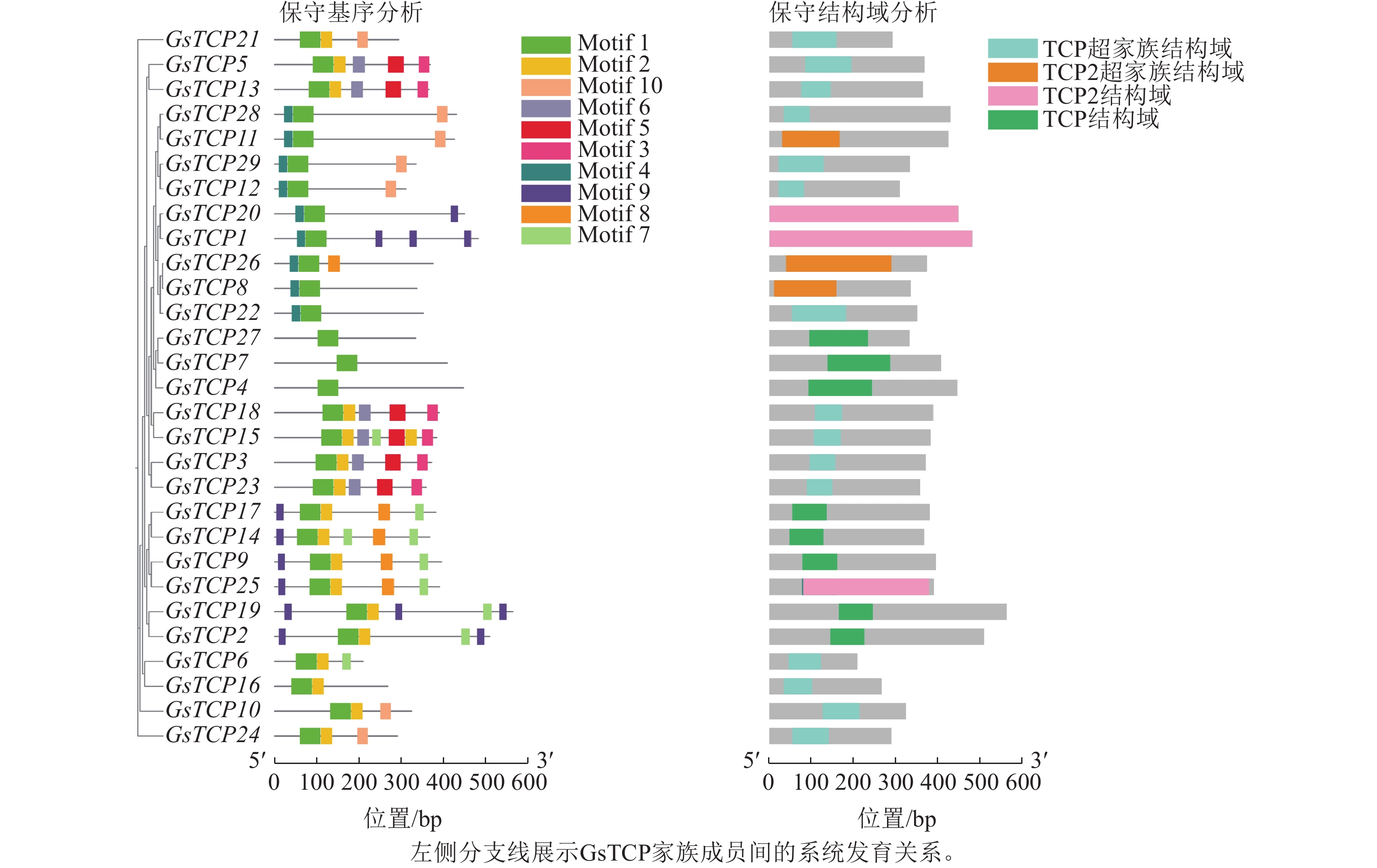
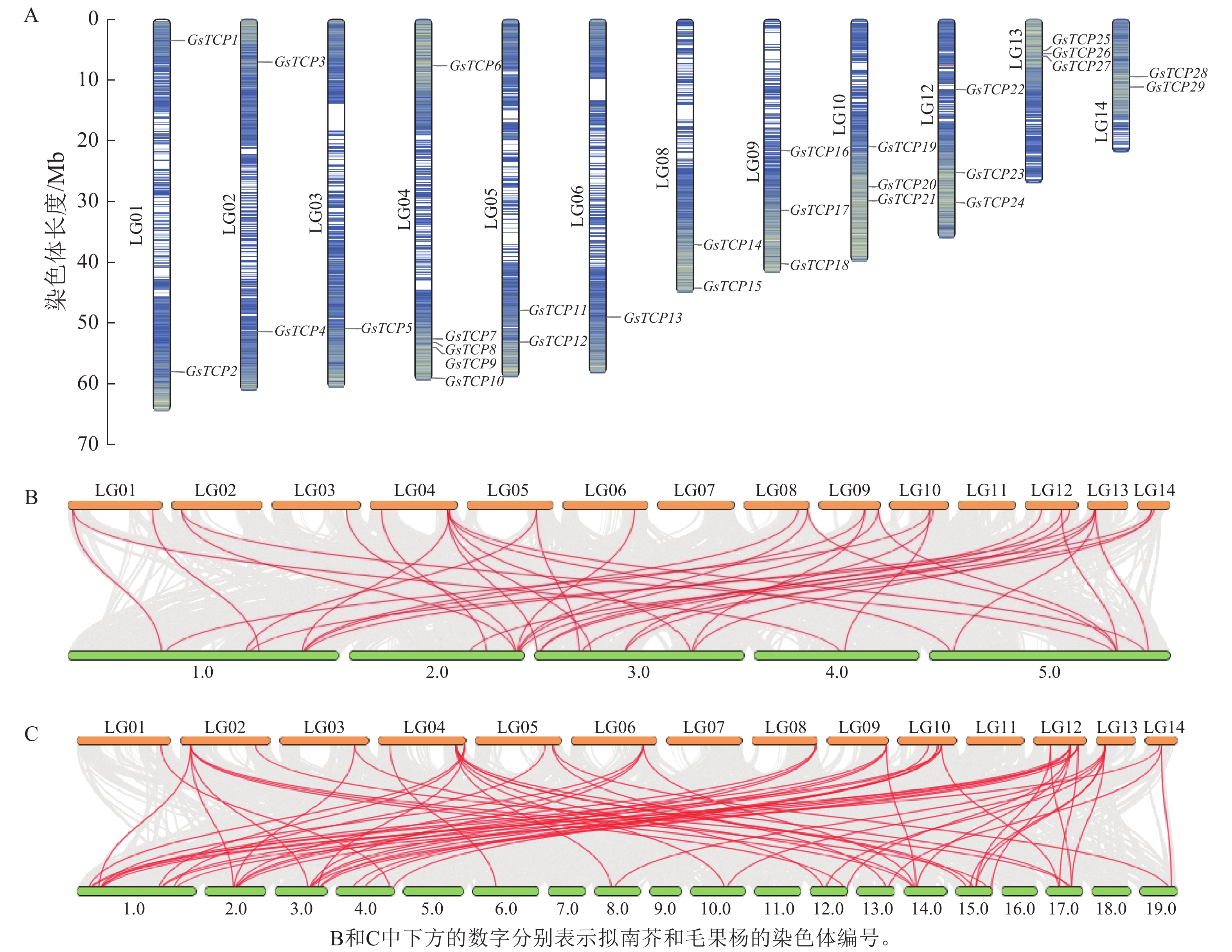
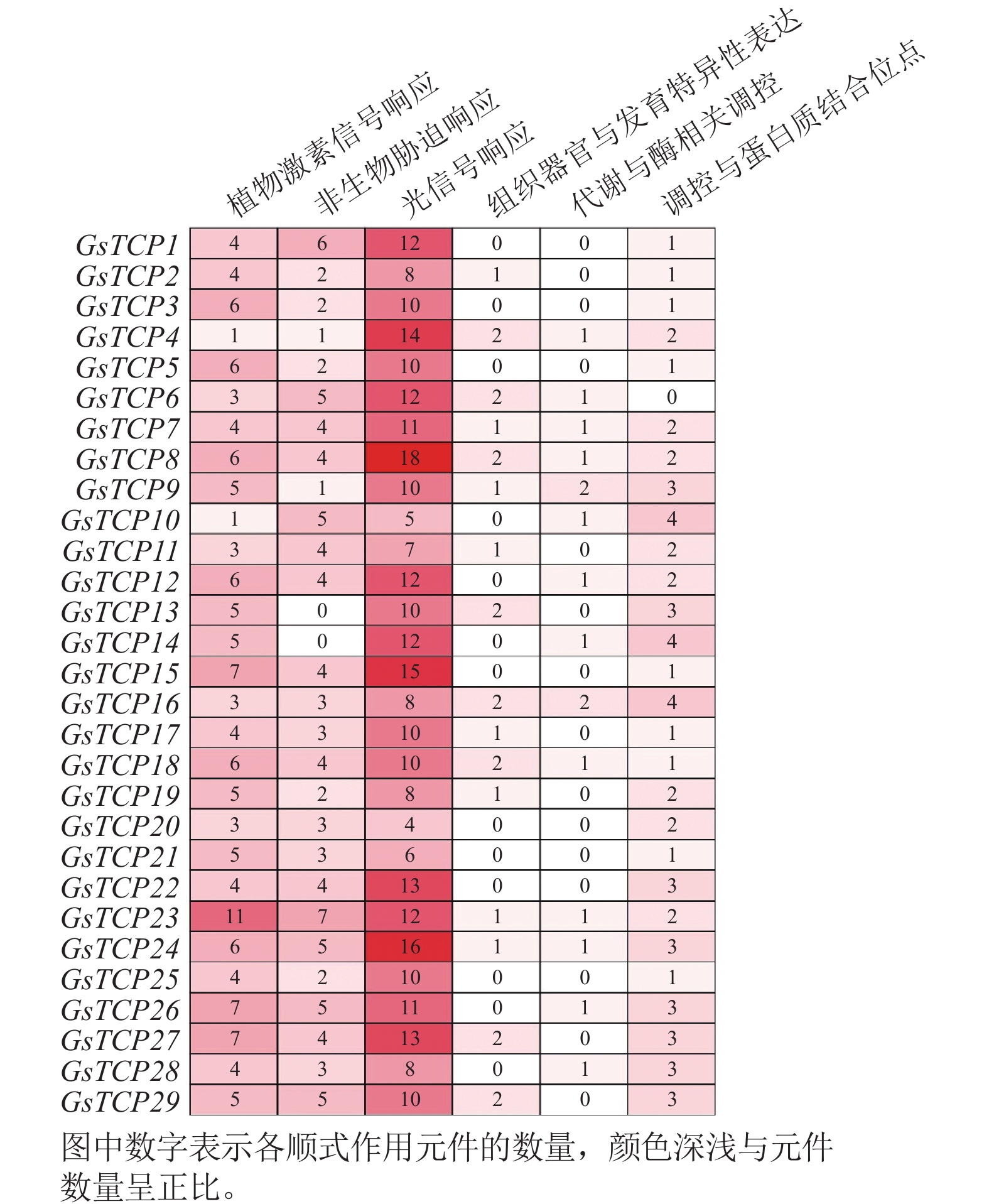
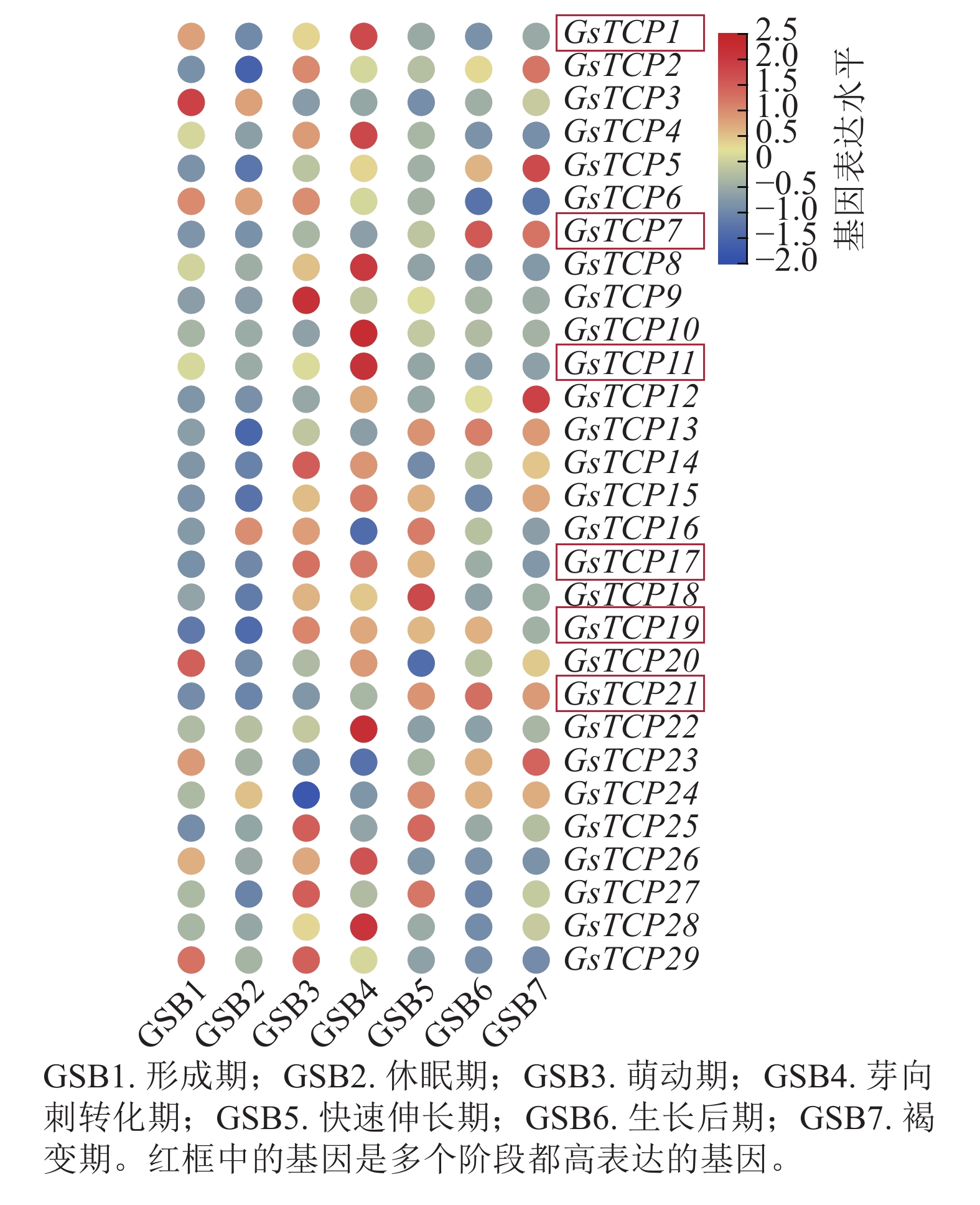
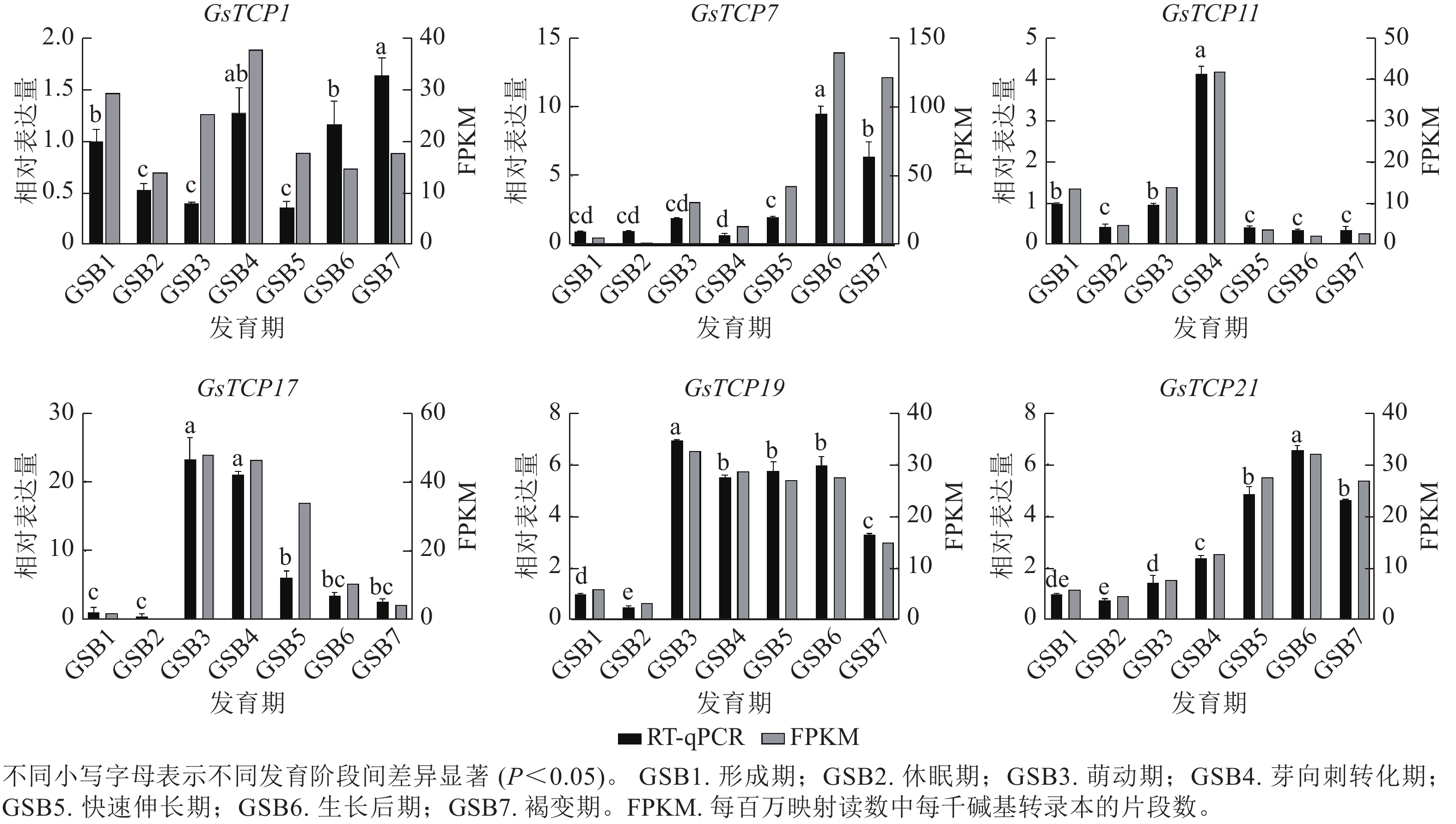
Objective This study aims to identify members of the TCP gene family in Gleditsia sinensis (GsTCP), analyze their sequence characteristics and evolutionary patterns, and investigate their expression profiles in thorns at different developmental stages, so as to provide a basis for elucidating the molecular mechanism of thorn development. Method TCP family members were identified using genome-wide data, and their sequence features and evolutionary relationships were analyzed. The expression dynamics of GsTCPs were assessed by integrating transcriptome data from thorns at seven developmental stages, including formation (GSB1), dormancy (GSB2), germination (GSB3), bud-to-thorn transition (GSB4), rapid elongation (GSB5), growth deceleration (GSB6), and browning and hardening (GSB7). Result A total of 29 GsTCP members were identified based on the whole genome of G. sinensis, distributed on 12 chromosomes and classified into Class Ⅰ and Class Ⅱ subfamilies. All members contained a conserved TCP domain. Their promoters were enriched in light-responsive elements, methyl jasmonate-responsive elements, and MYB transcription factor binding sites. Transcriptome analysis revealed that most GsTCP genes, such as GsTCP9/17, exhibited peak expression levels during the germination and bud-to-thorn transition (GSB3, GSB4), while GsTCP7 was explosively expressed during the maturation and browning stage (GSB6, GSB7). Conclusion The GsTCP family is highly conserved in both evolution and structure. Some members may regulate thorn development in G. sinensis by integrating photoperiod and hormone signals. Early activation of GsTCP9/17 and later high expression of GsTCP7 may be related to driving cell proliferation in thorn primordia and secondary wall lignification and hardening, respectively. [Ch, 6 fig. 1 tab. 33 ref.]
2026, 43(5): 945-953.
doi: 10.11833/j.issn.2095-0756.20260156
Abstract:
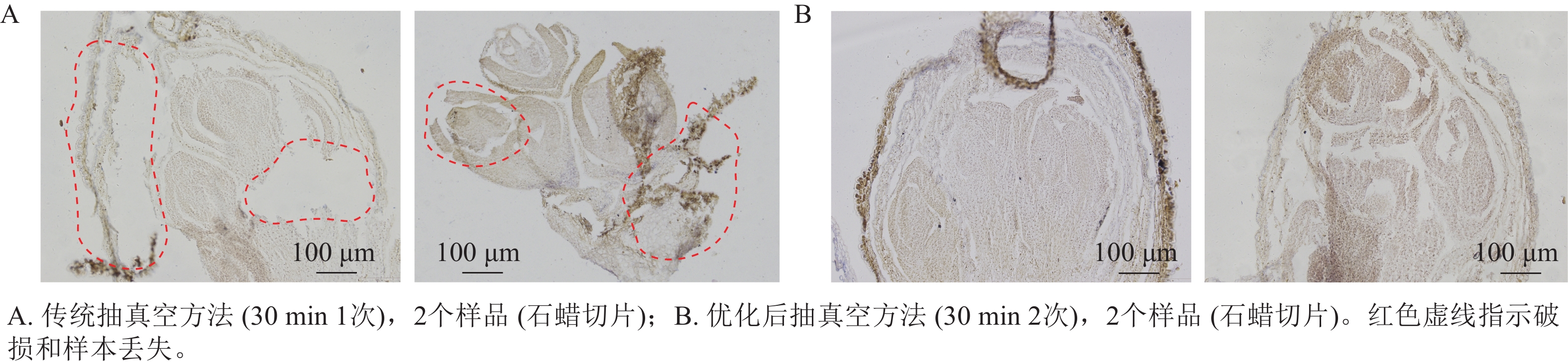
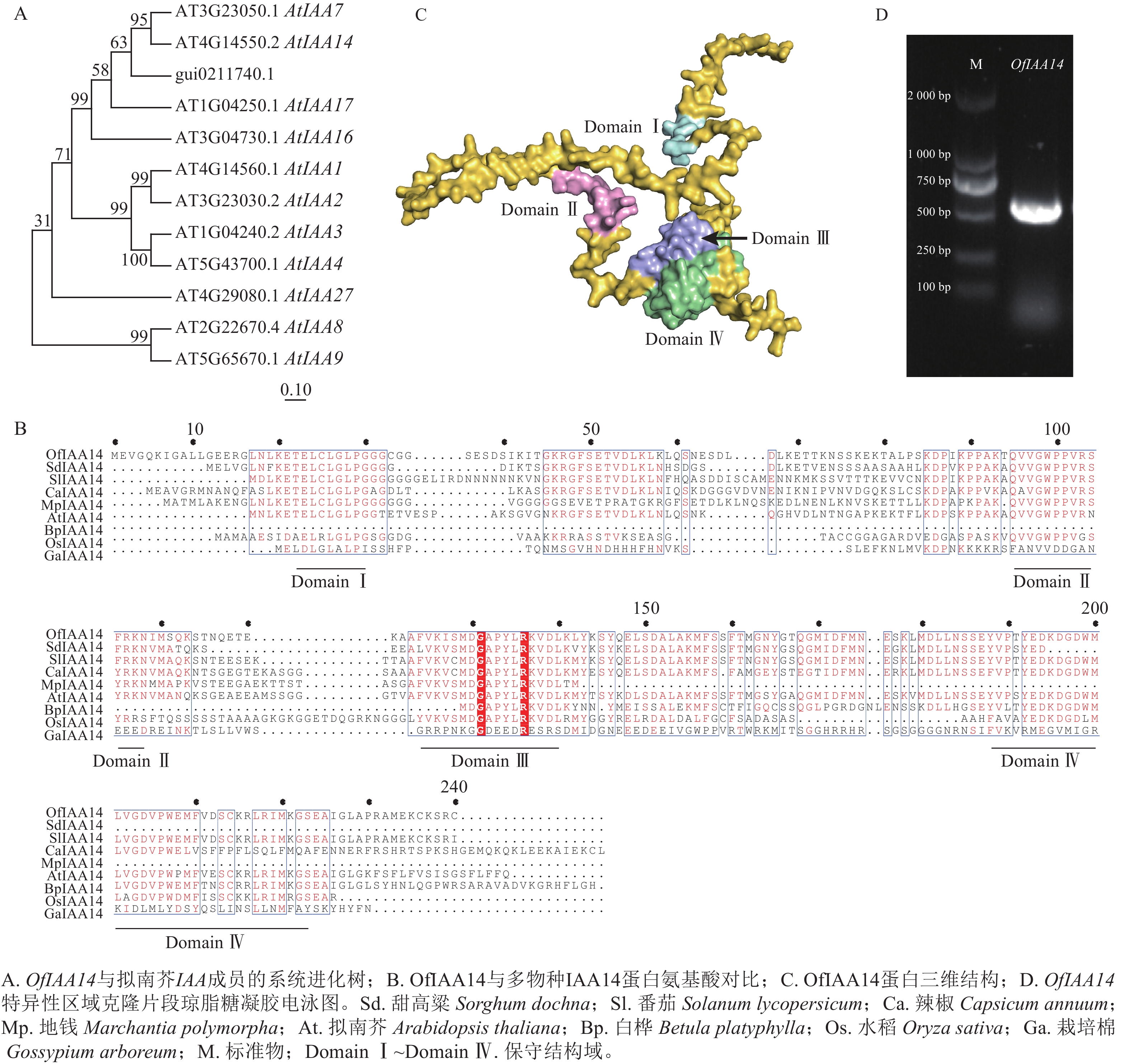
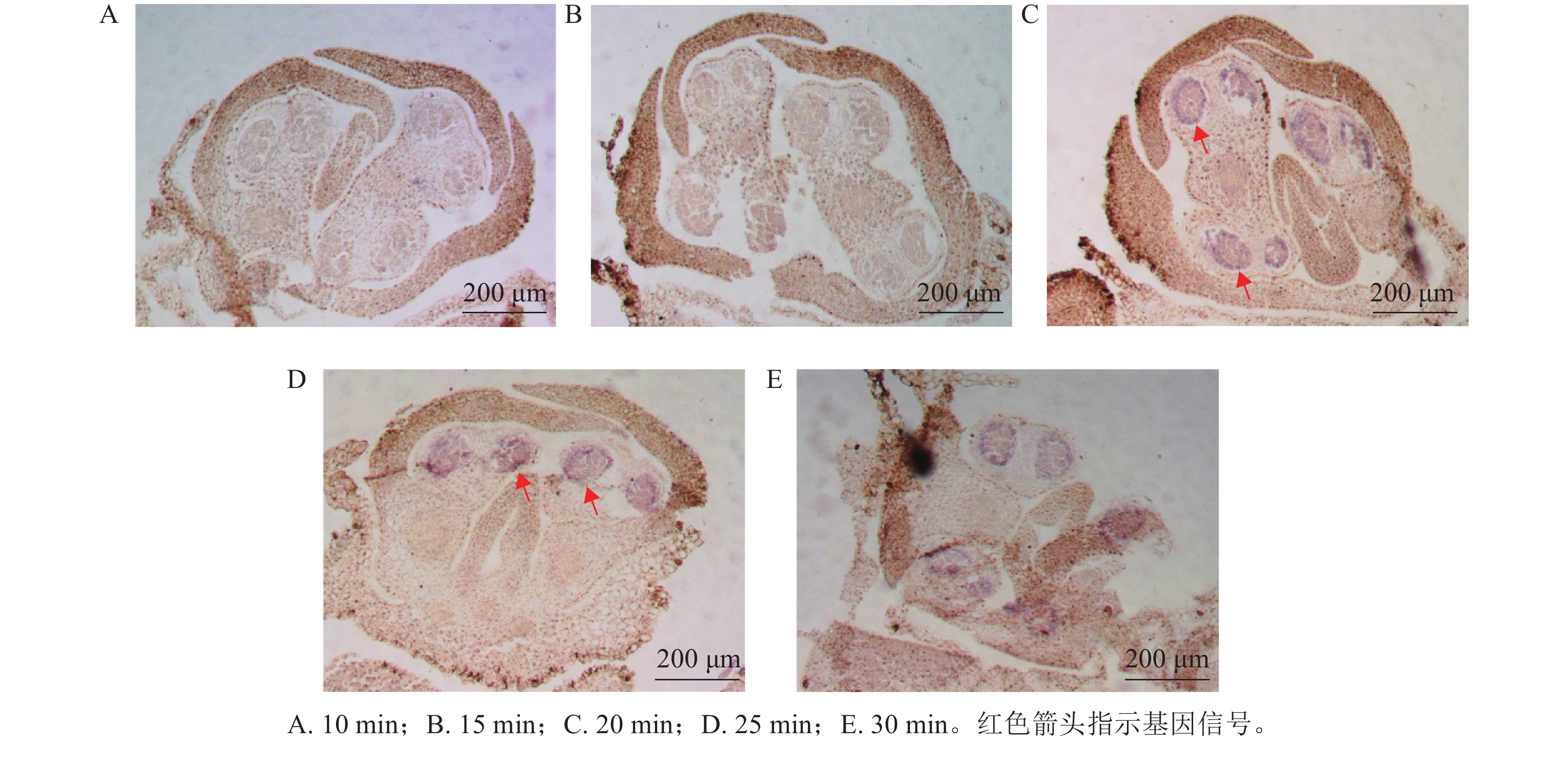
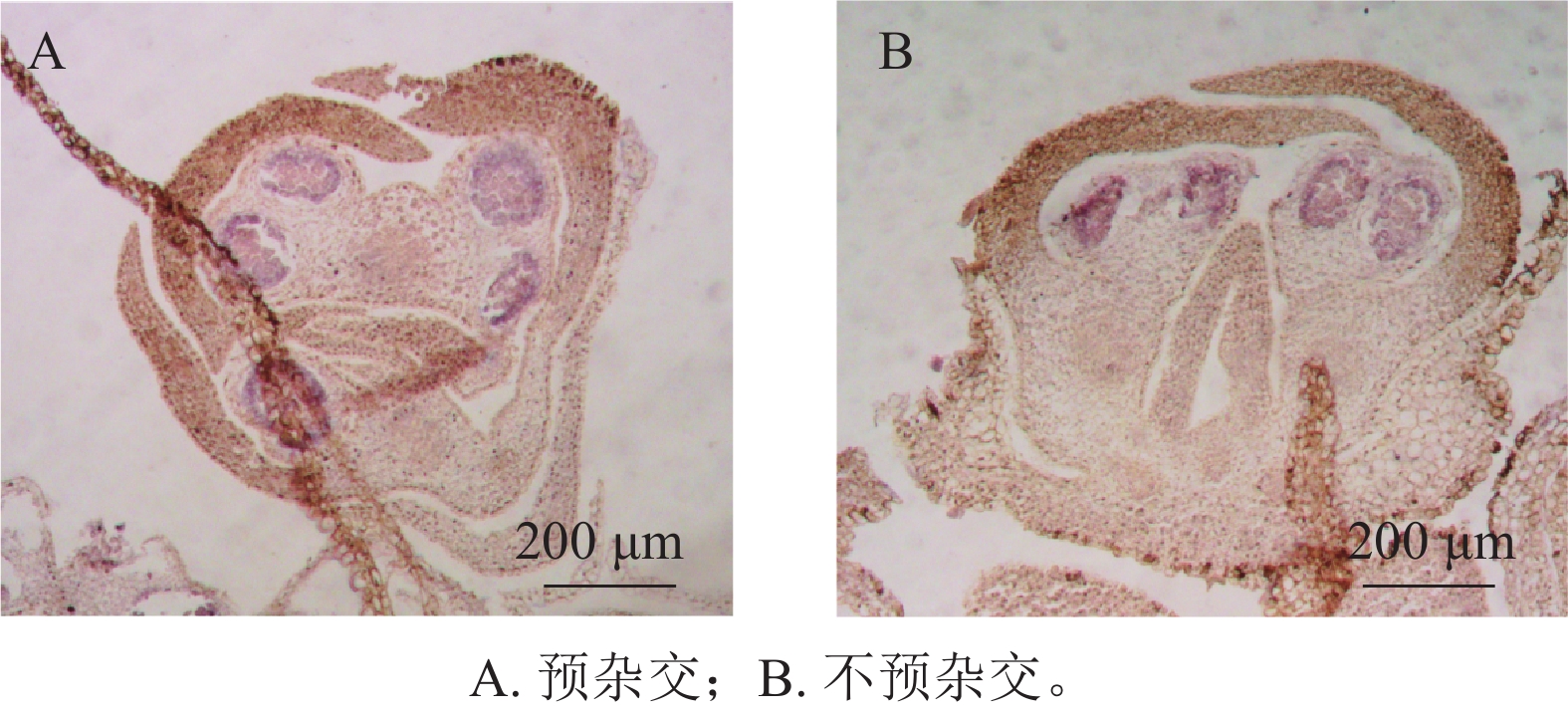
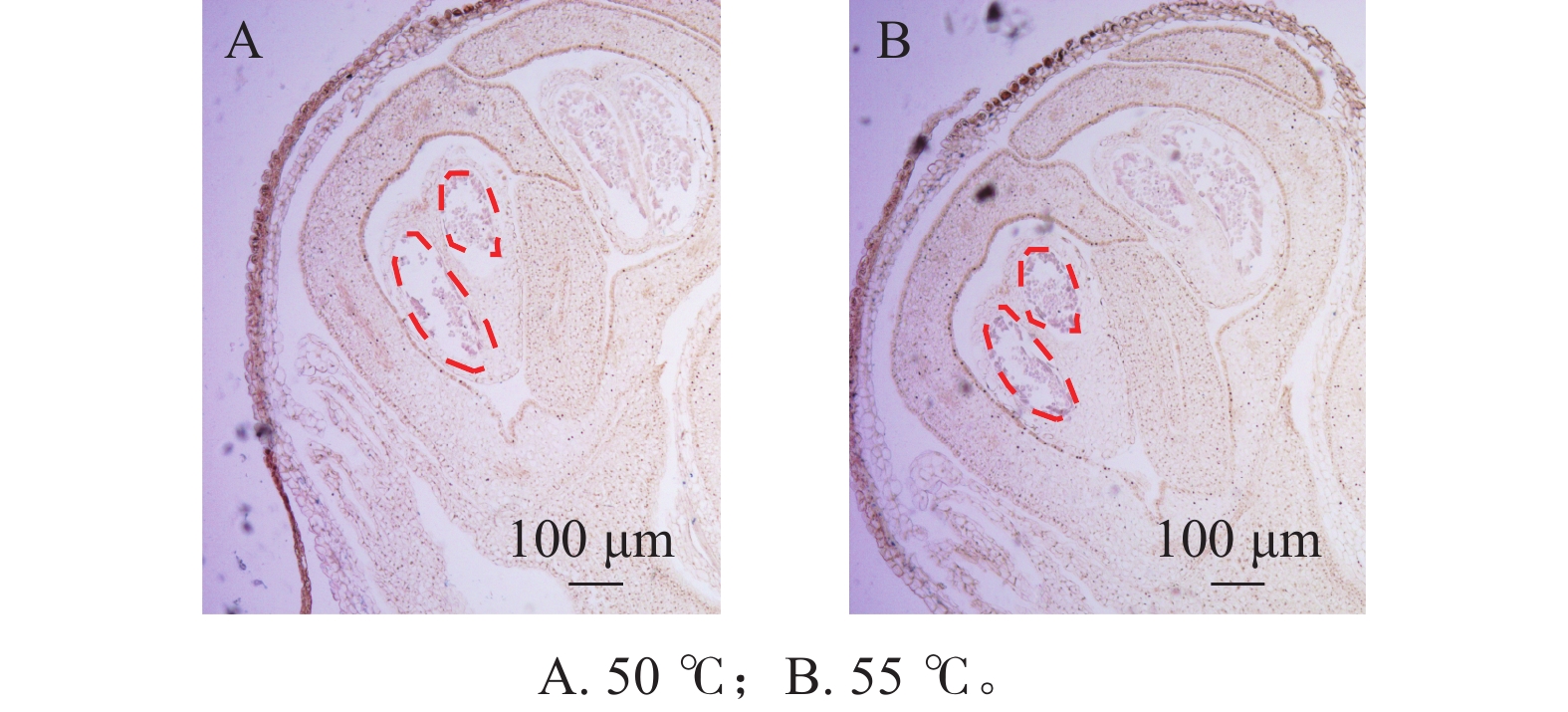
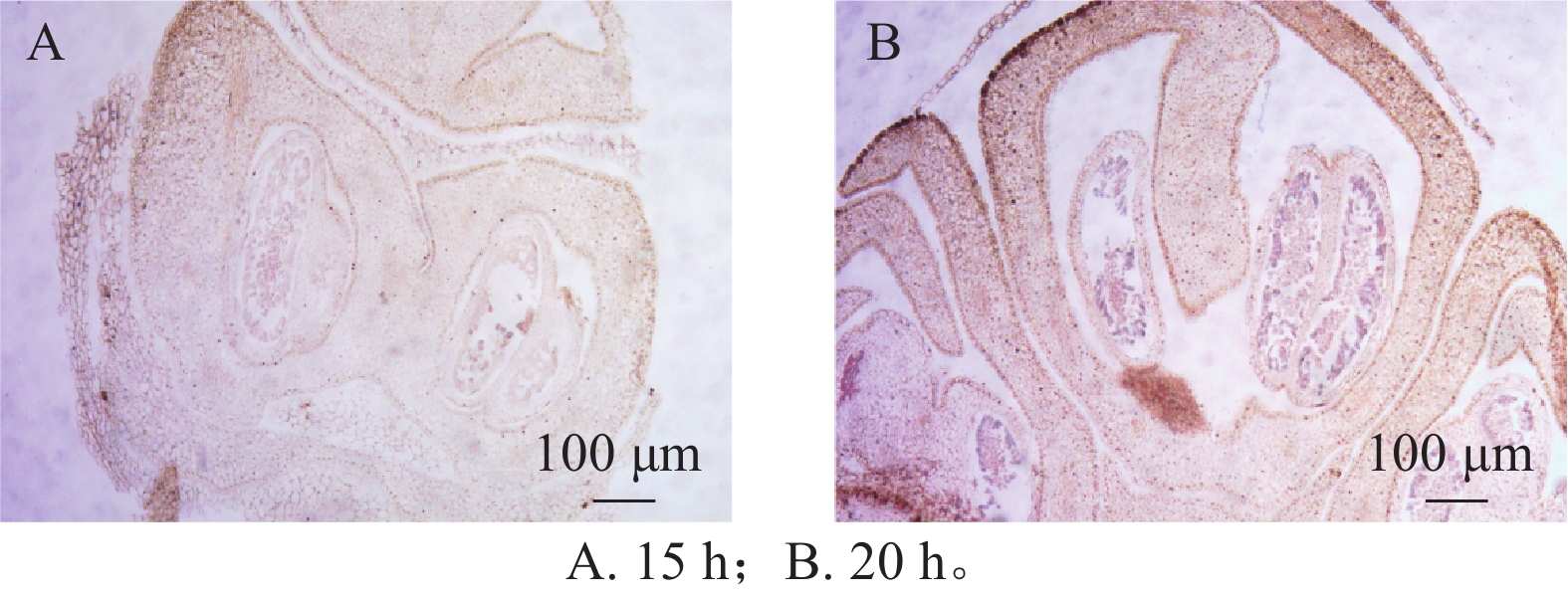
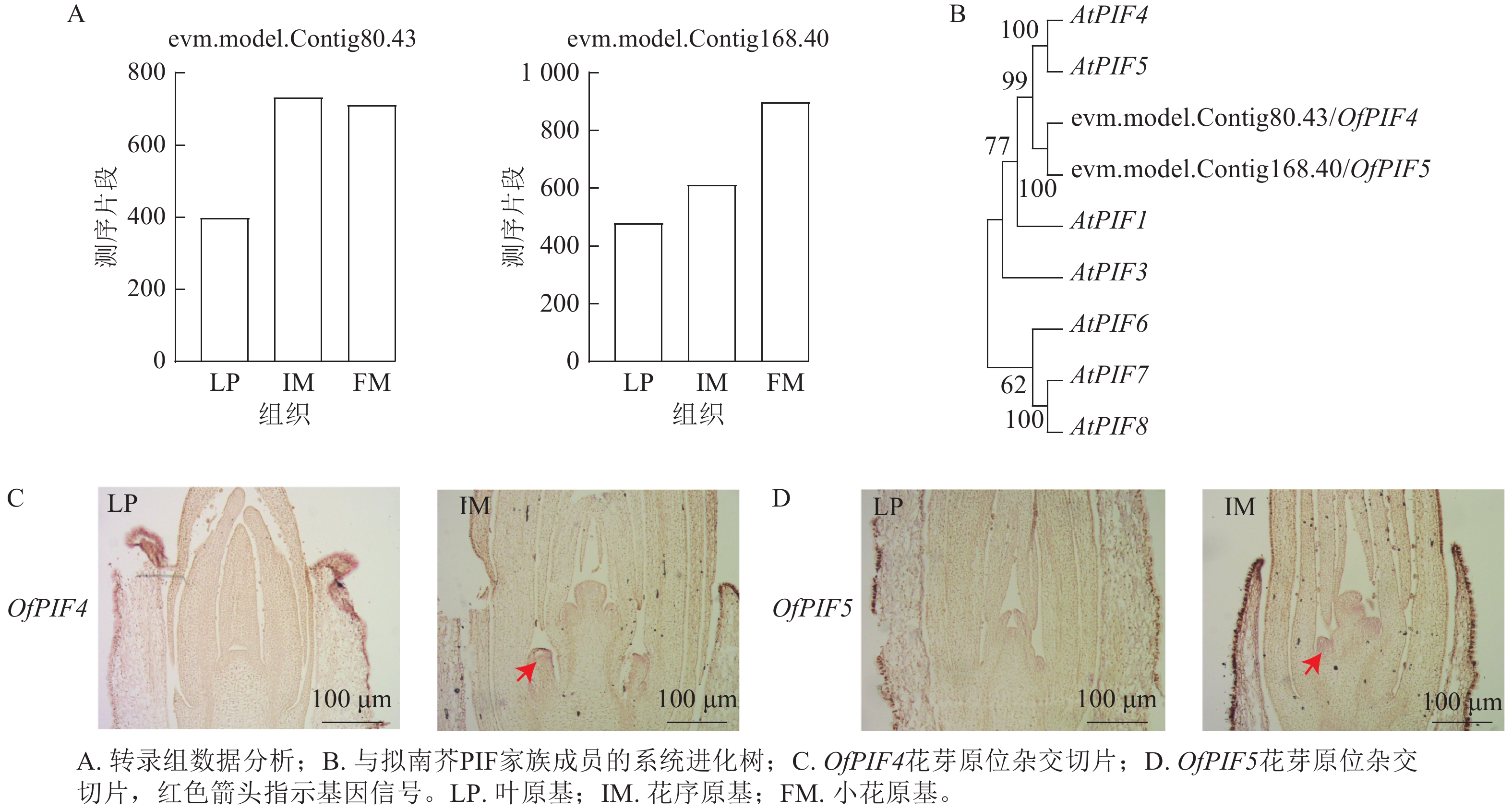
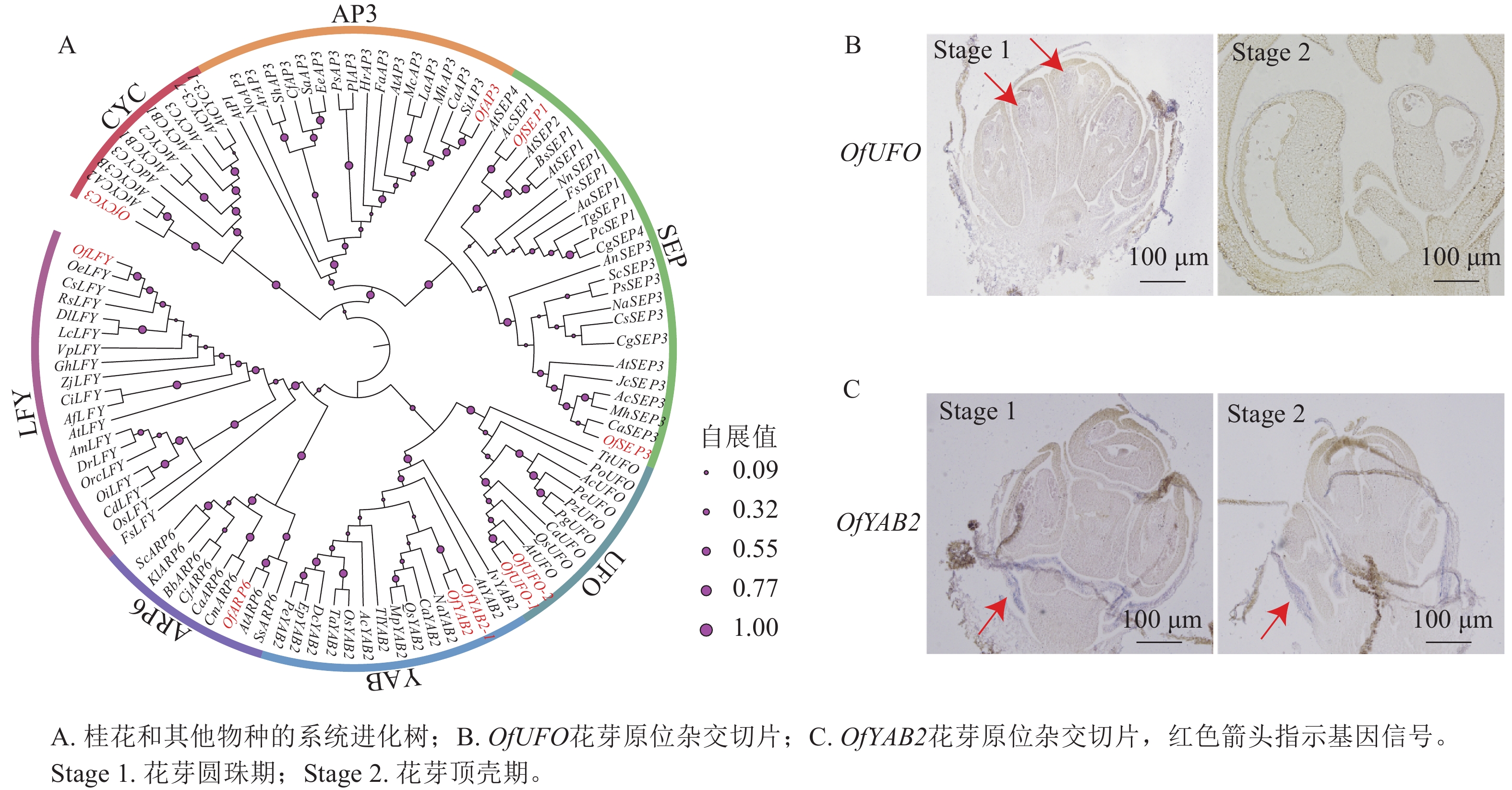
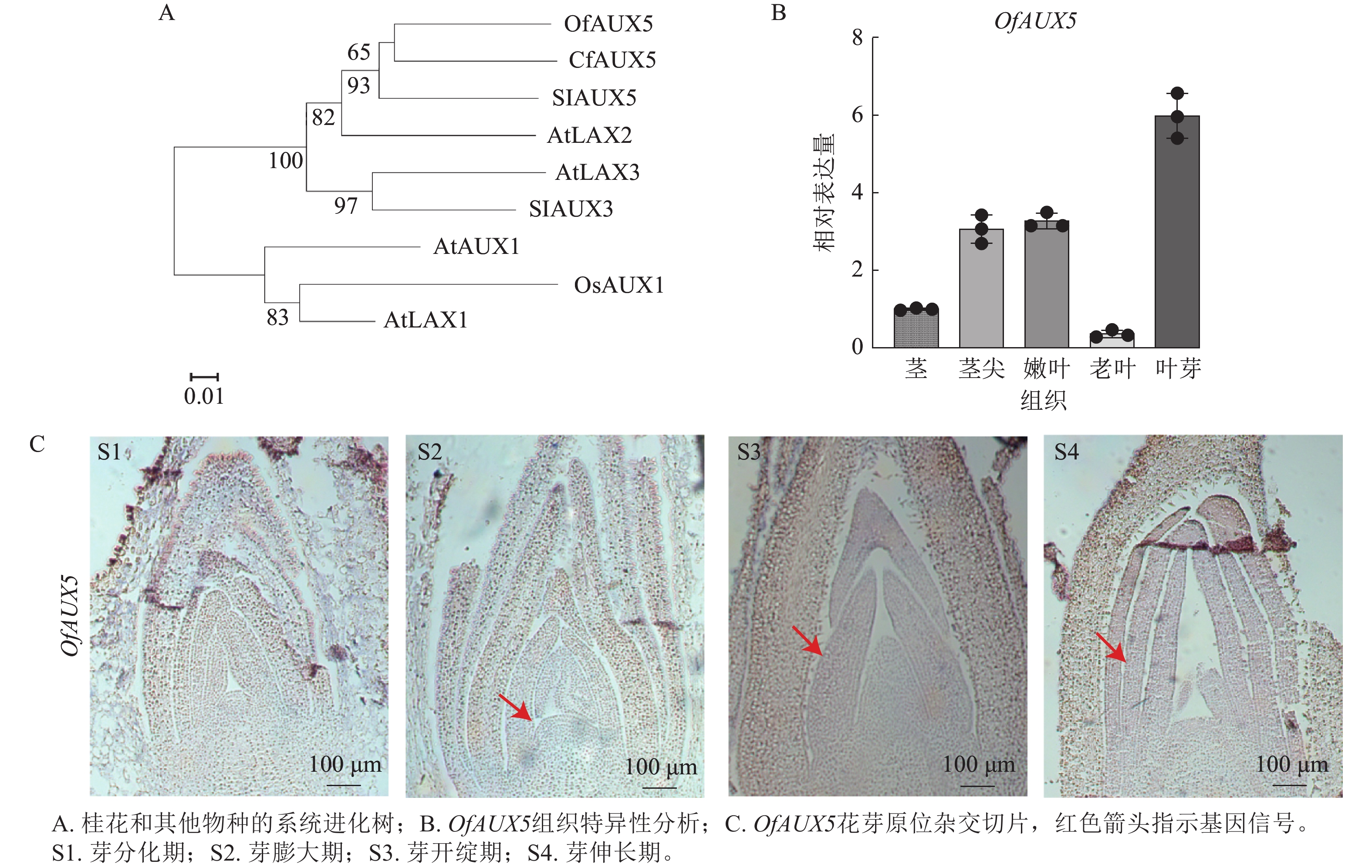
Objective In situ hybridization (ISH) technology is widely used for studying the spatiotemporal expression patterns and functions in different tissues. This study utilizes materials from different cultivars, tissues, and developmental stages of Osmanthus fragrans to establish an efficient and stable in situ hybridization system for this flower species, providing a technical method for the spatiotemporal expression localization of functional genes in O. fragrans. Method Using the auxin response factor OfIAA14 as the detection gene, based on the conventional ISH process, key parameters such as sample vacuumization time, protease K digestion time, whether to perform pre-hybridization, and hybridization temperature and time were systematically optimized and compared. Meanwhile, the functional verification of related genes was conducted across different varieties, tissues, and developmental stages. Result The results showed that the optimal hybridization signal could be obtained under the conditions of vacuumization for 30 min at 0.08 MPa (2 times), proteinase K digestion for 20−25 min, no pre-hybridization, hybridization temperature at 50 ℃, and hybridization time of 20 h. Furthermore, genes such as OfPIF4, OfPIF5, OfUFO, OfYAB2 and OfAUX5 were selected to verify the applicability of the optimized system in different O. fragrans cultivars, tissues and developmental stages. Good tissue structure preservation and clear and stable signal expression were obtained, indicating that the method has good reliability and certain universality. Conclusion This study established an optimized ISH technology system suitable for O. fragrans tissues, providing reliable technical support for in-depth analysis of the spatiotemporal expression characteristics and molecular regulation mechanisms of genes related to flower development in O. fragrans. [Ch, 9 fig. 1 tab. 25 ref.]
2026, 43(5): 954-962.
doi: 10.11833/j.issn.2095-0756.20250355
Abstract:
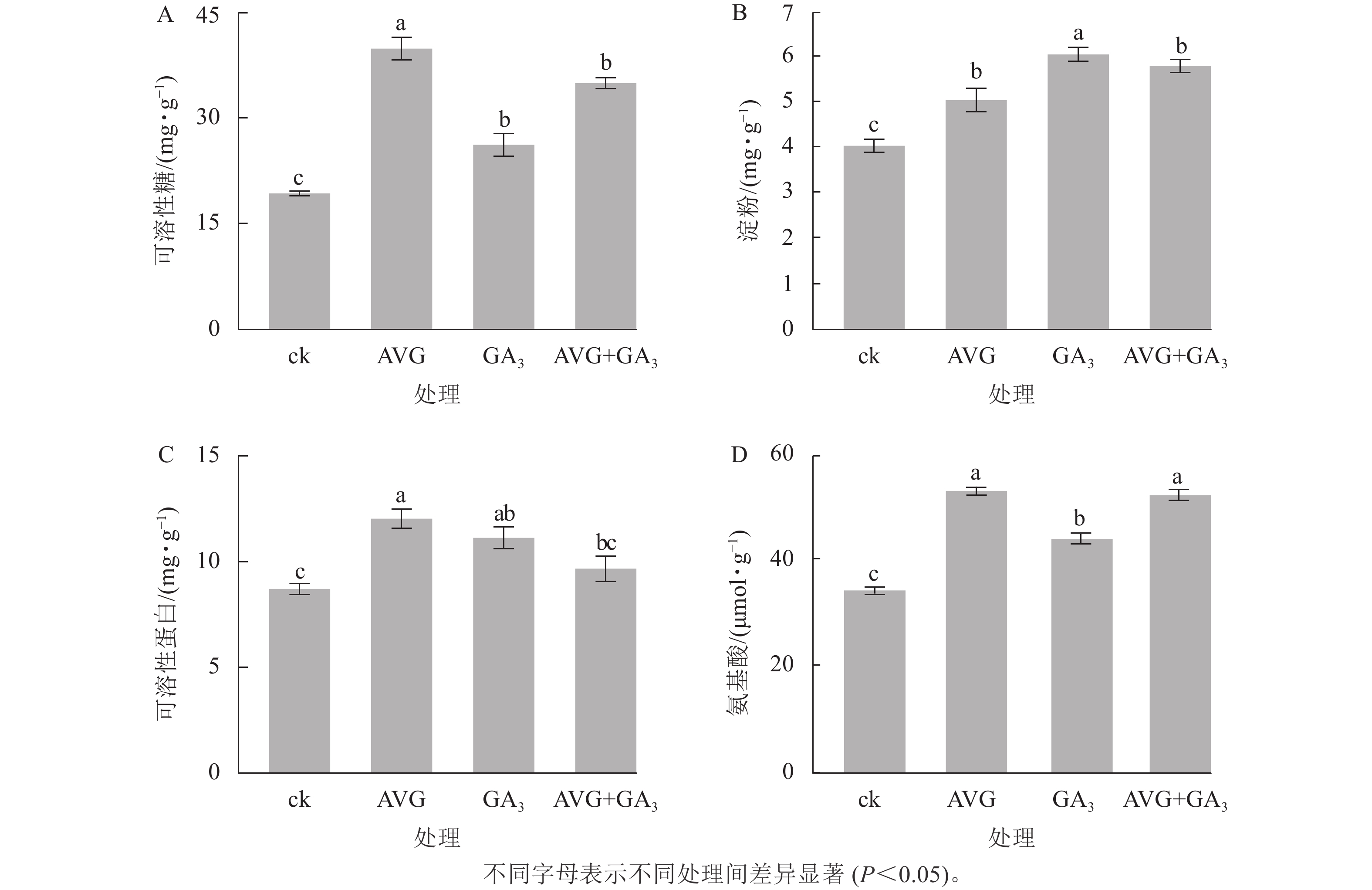
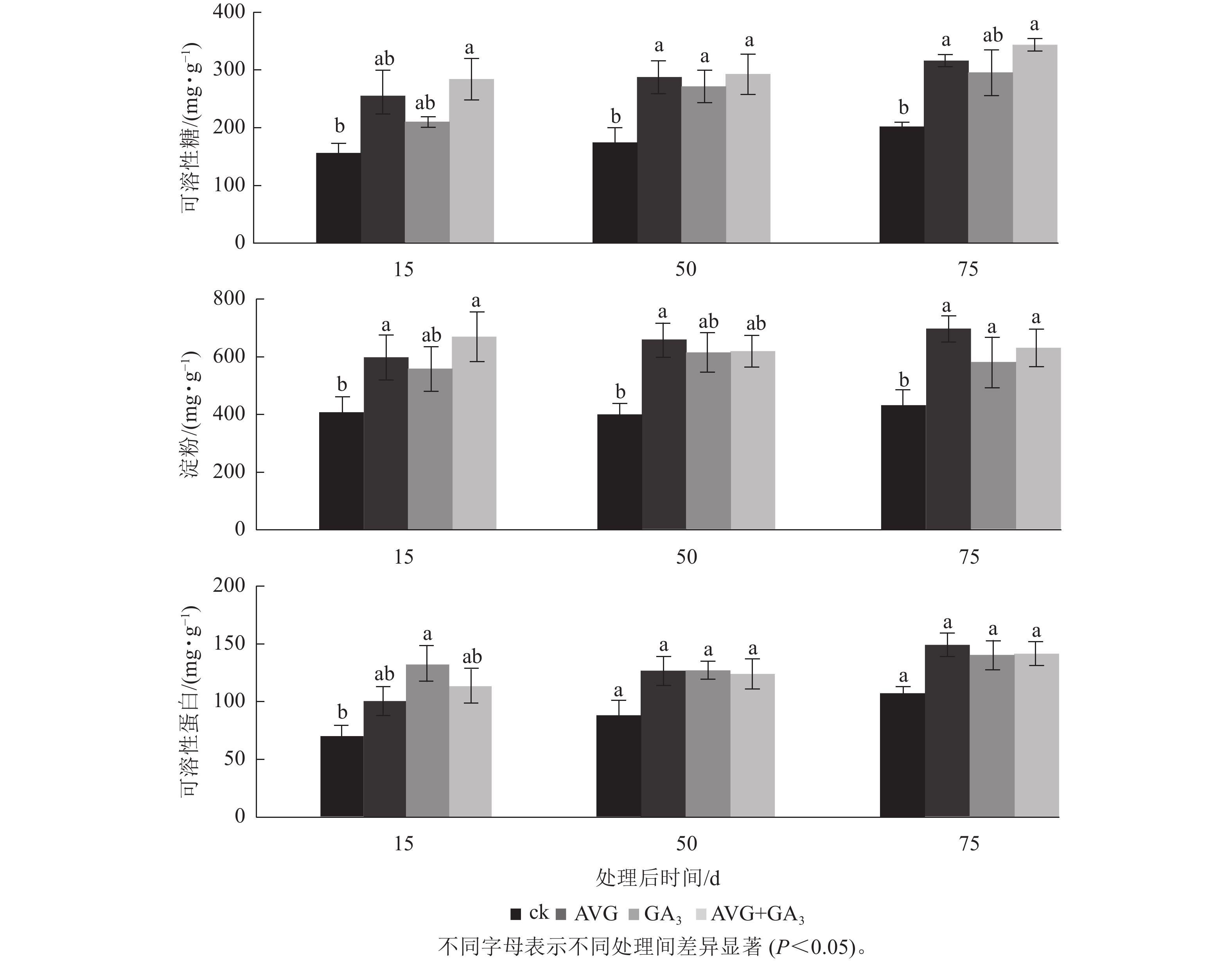
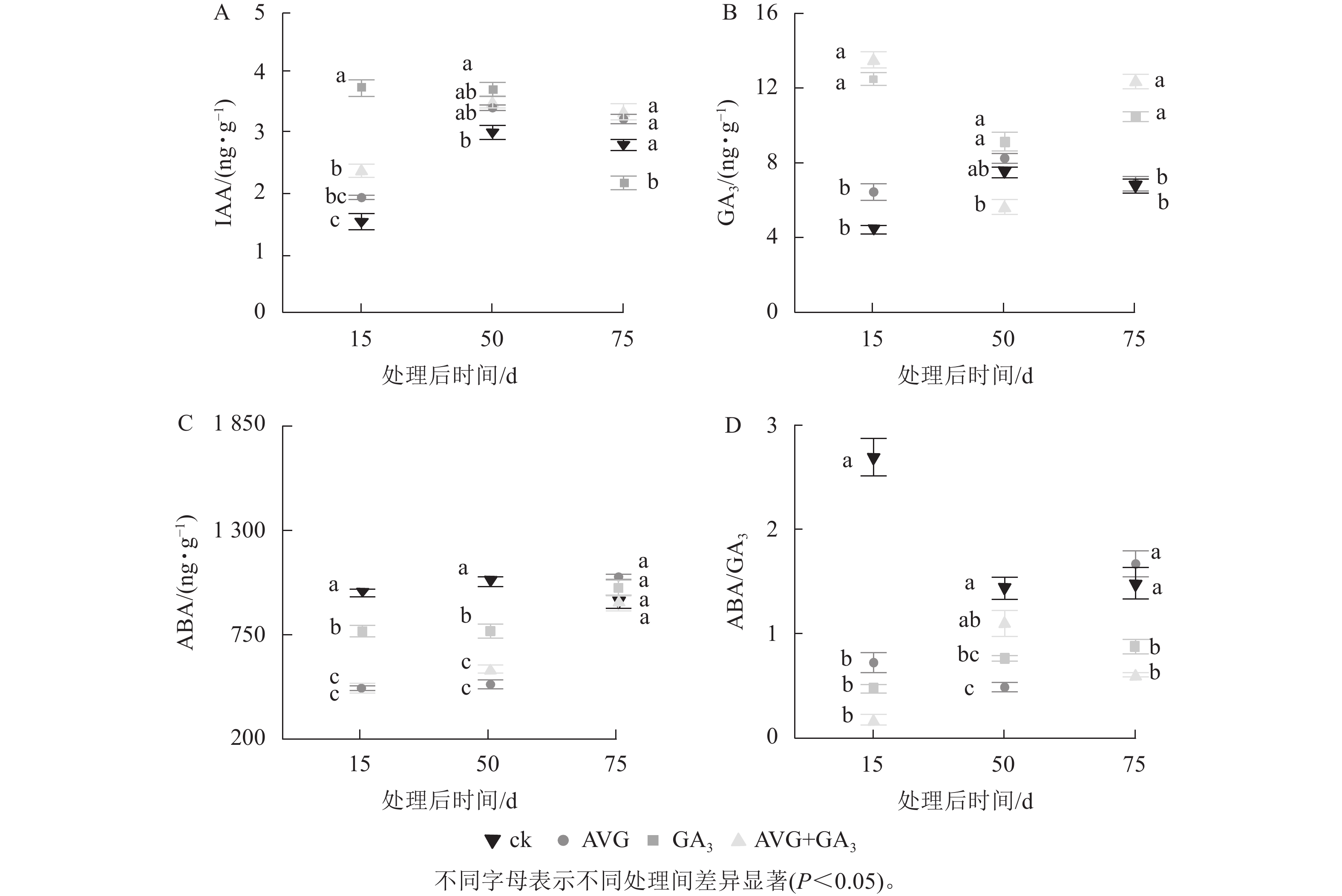
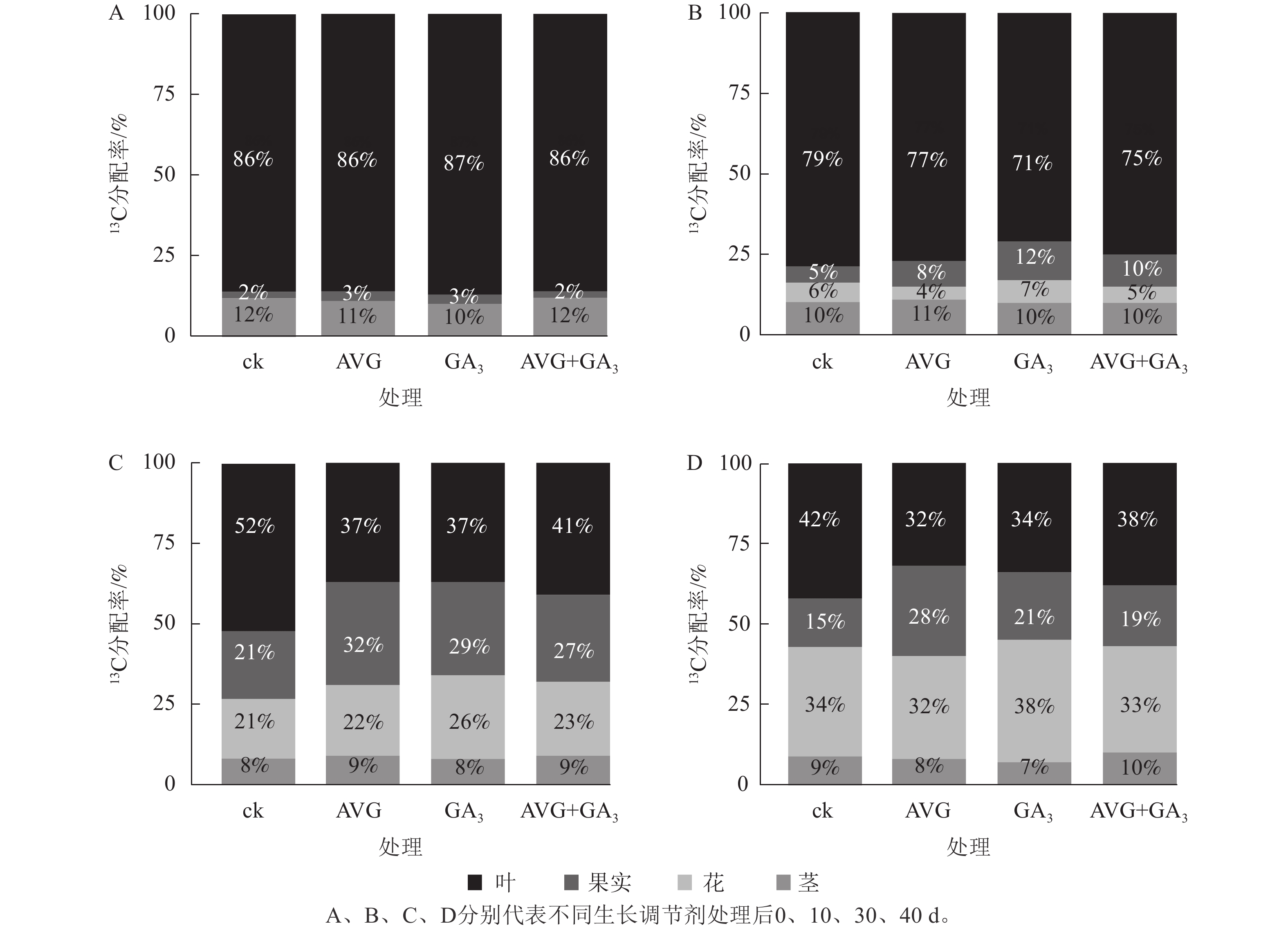
Objective Torreya grandis ‘Merrillii’ is a characteristic dried fruit tree species in southern China, exhibiting a seed drop rate of up to 90%, which severely constrains its productivity and sustainable industrial development. This study aims to investigate the effects of exogenous plant growth regulators [aminoethoxyvinylglycine (AVG) and gibberellic acid (GA3)] on seed setting and quality of T. grandis, and to elucidate the underlying physiological regulatory mechanisms, providing theoretical support for enhancing seed quality and yield in T. grandis industry. Method Using middle-aged bearing T. grandis trees as experimental material, 4 treatments were applied via foliar spraying during the early spring period of intense nutrient competition (20 d before pollination): AVG (180 mg·L−1), GA3 (200 mg·L−1), a combination of AVG (180 mg·L−1) and GA3 (200 mg·L−1), and distilled water (control, ck). Seed setting rate, seed weight, endogenous hormone levels and nutrient content were measured to analyze the effects of different plant growth regulators on seed setting rate and quality. Result Both AVG and GA3 treatments significantly increased seed setting rate and seed weight. AVG treatment was more effective in improving seed setting rate to 16.92% compared to ck of 6.84% (P<0.05). GA3 treatment had a more pronounced effect on seed weight, which increased single seed weight to 141.91% of ck (P<0.05). AVG+GA3 treatment increased seed weight but did not significantly improve the seed setting rate. Regarding quality formation, AVG, GA3, and AVG+GA3 treatments improved the seed nutritional quality to varying degrees. GA3 treatment maintained a higher synergistic effect between indole-3-acetic acid (IAA) and GA3. AVG treatment influenced seed setting by reducing the abscisic acid (ABA)/GA3 ratio during the early seed development stage. 13C labeling demonstrated that both AVG and GA3 treatments promoted the allocation of assimilates to the seed, thereby enhancing seed development. Conclusion AVG and GA3 treatments improve seed setting and nutritional quality in T. grandis by modulating endogenous hormone fluctuations and nutrient partitioning. For practical application, AVG (180 mg·L−1) is recommended when the primary objective is to increase the seed setting rate, and GA3 (200 mg·L−1) is suggested when the main goal is to increase the seed weight. The optimal ratio for the AVG+GA3 treatment requires further optimization. [Ch, 4 fig. 1 tab. 25 ref.]
2026, 43(5): 963-972.
doi: 10.11833/j.issn.2095-0756.20250518
Abstract:
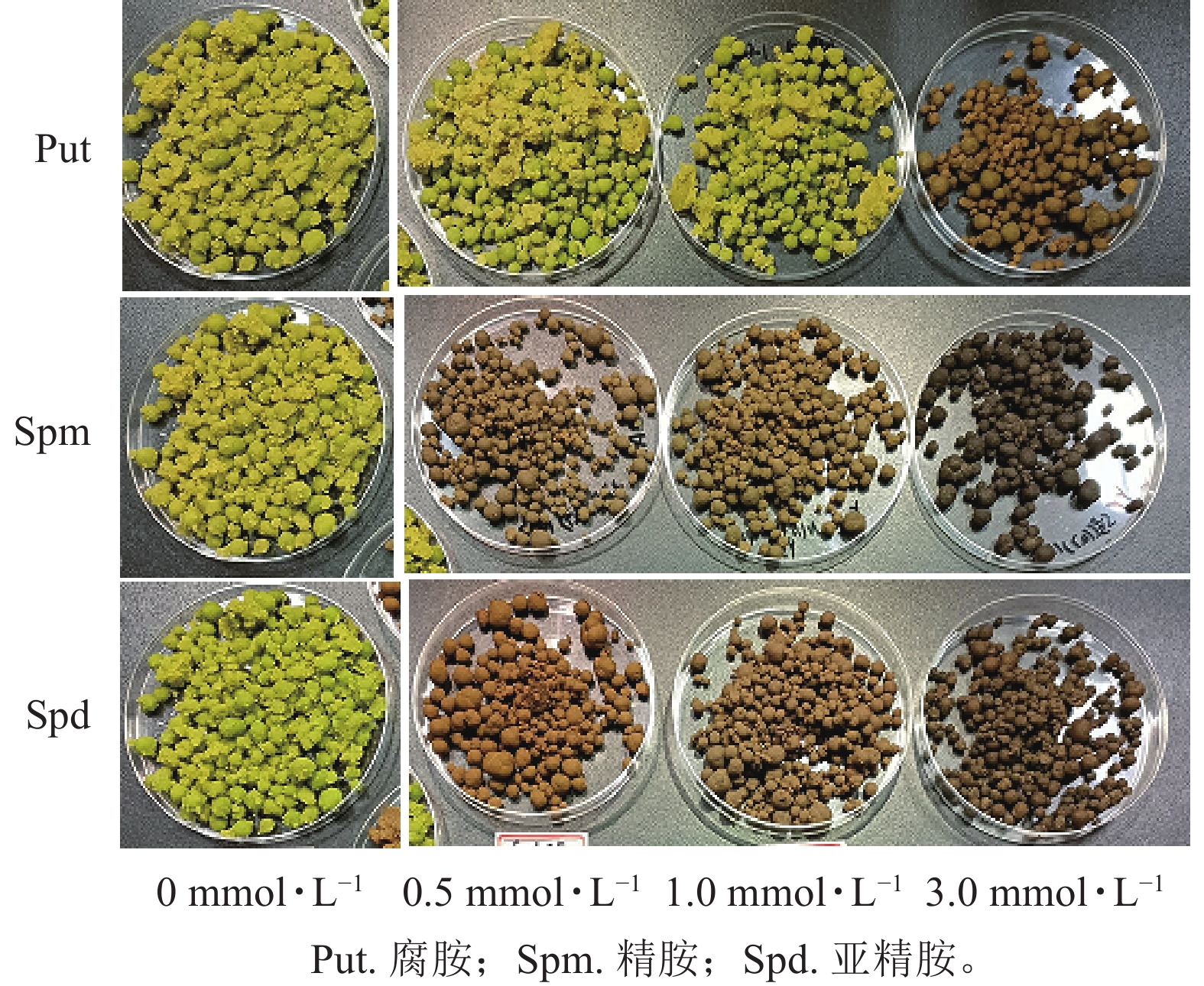
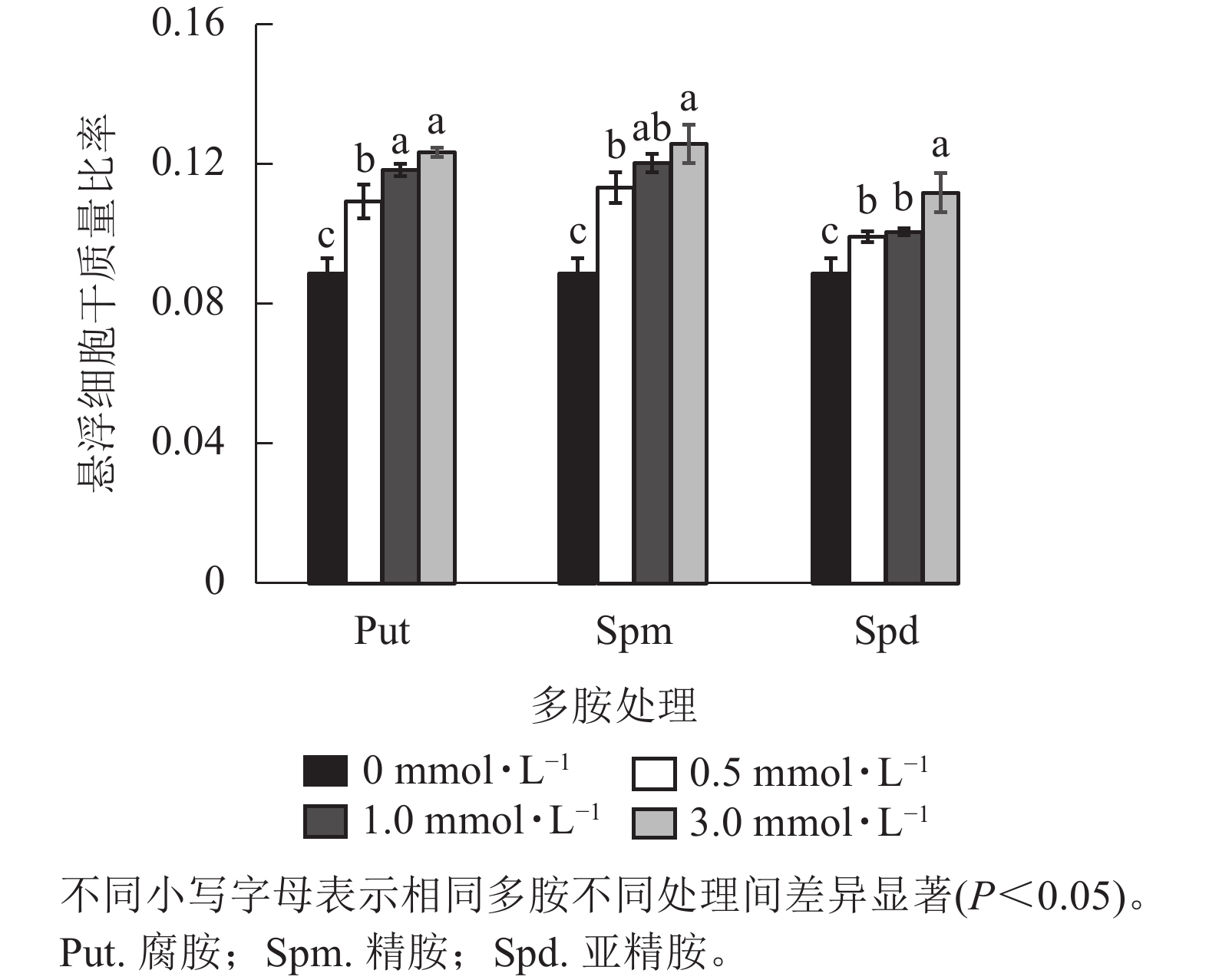
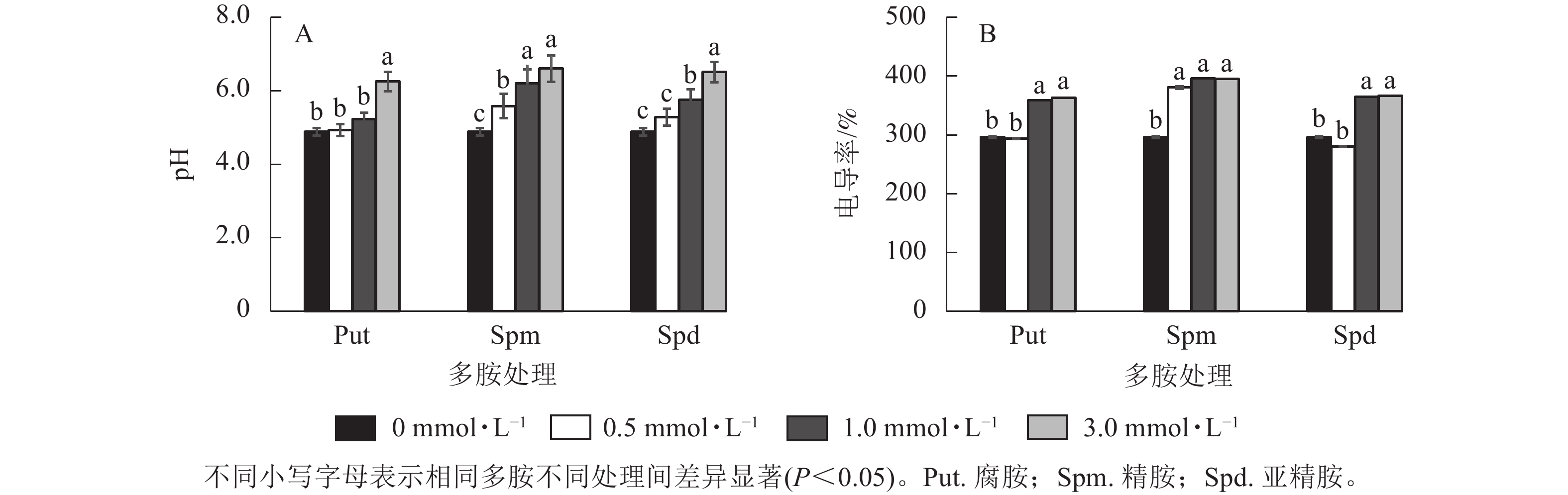
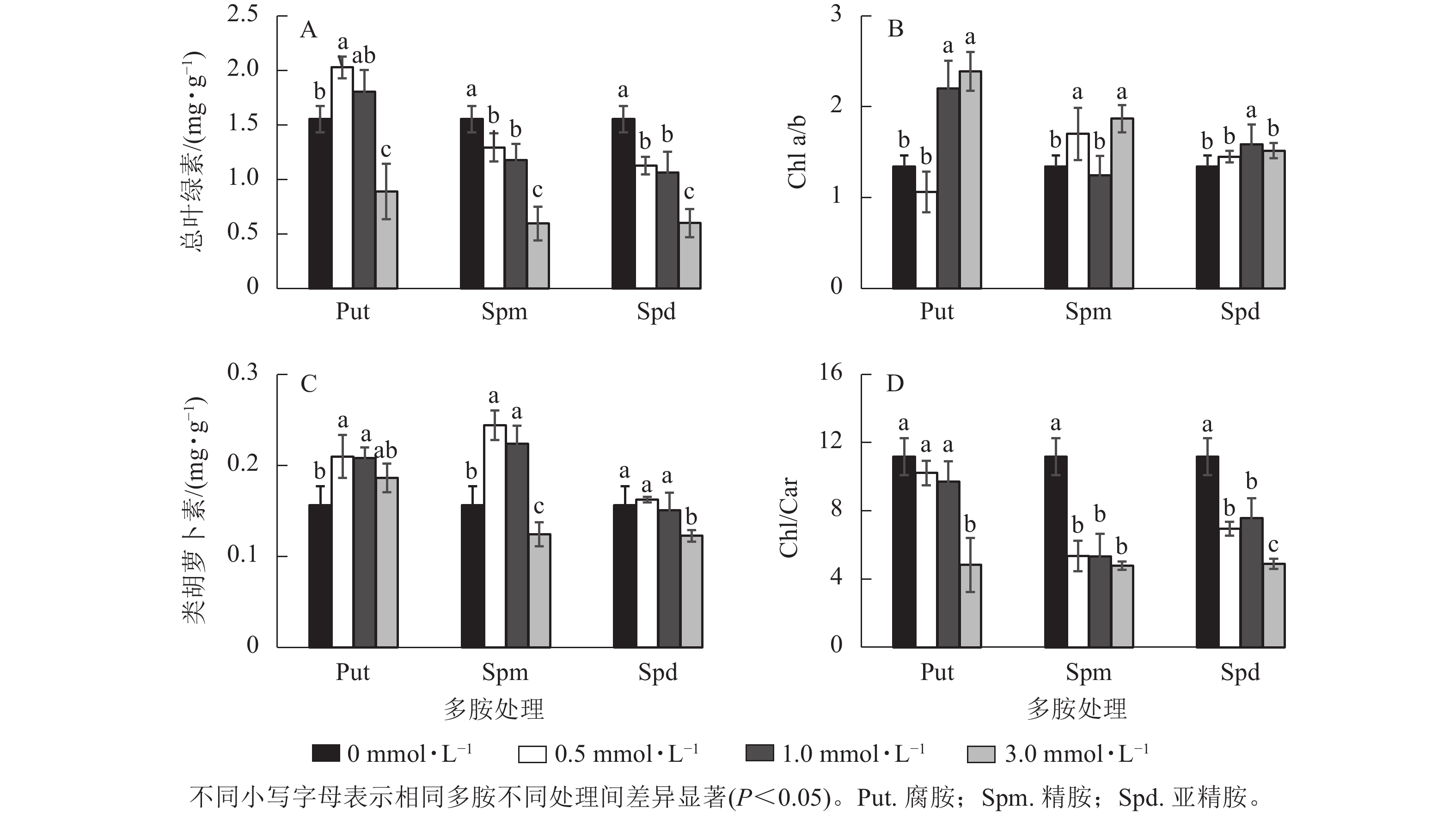
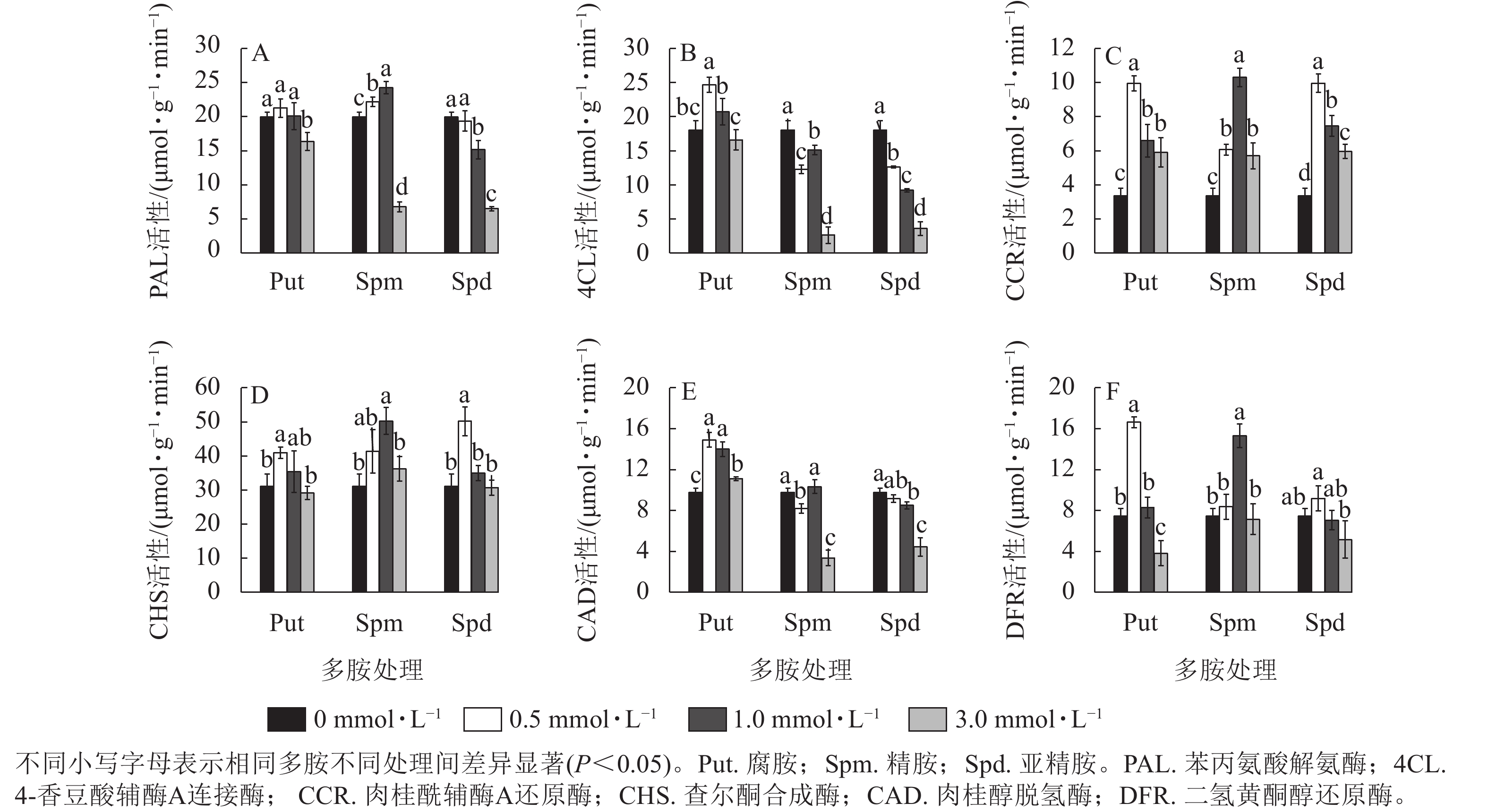
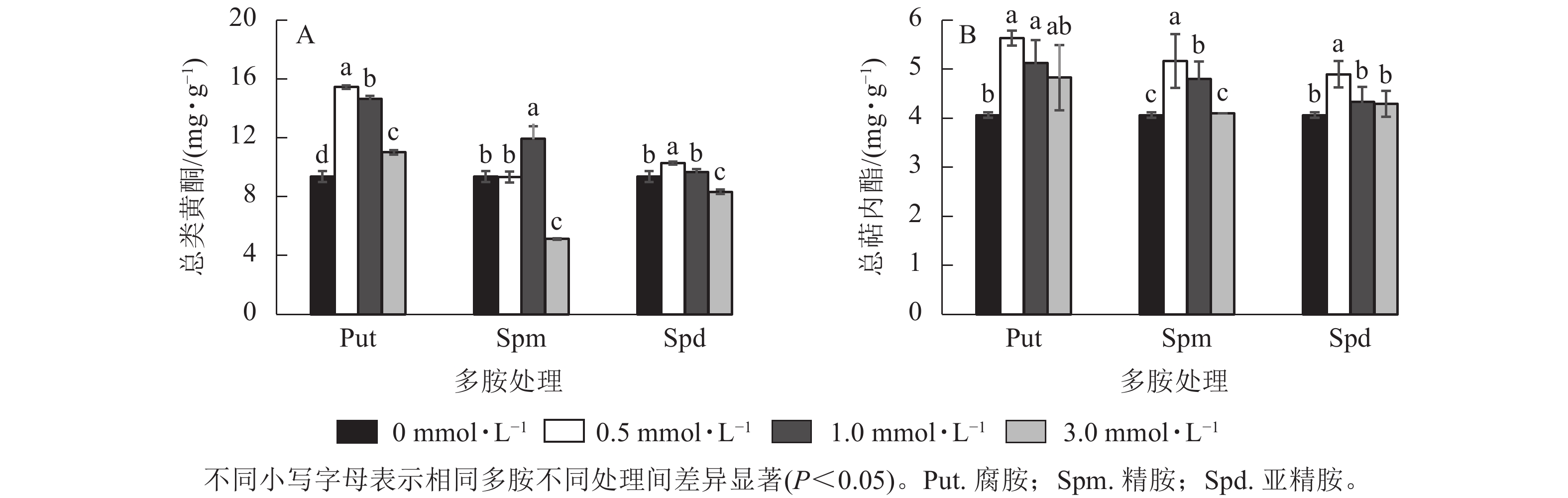
Objective The objective is to explore the regulatory effects of polyamines (PAs) on the growth and flavonoid (Fla) metabolism in Ginkgo biloba suspension cells, so as to provide theoretical and technical support for constructing and optimizing the genetic transformation system of G. biloba, enzyme activity chassis control, and the large-scale biosynthesis of useful drugs. Method Using suspension cells of G. biloba as the material, different concentrations (0.5, 1.0, 3.0 mmol·L−1) of putrescine (Put), spermidine (Spd), and spermine (Spm) were added into the suspension cell culture medium (CCM), labeled as Put 0.5, Put 1.0, Put 3.0, Spm 0.5, Spm 1.0, Spm 3.0, Spd 0.5, Spd 1.0, and Spd 3.0 respectively. A treatment without polyamine addition (0 mmol·L−1) was served as the control. After 7 days of cultivation, the effects of PAs on pH and electrical conductivity (EC) of CCM, the contents of photosynthetic pigments, total Fla, total terpenoid lactones (Lac), and the activity of key Fla biosynthesis enzymes were investigated. Result The higher the concentration of PAs was, the higher EC and pH were in CCM. Low concentration of Put treatment (0.5 and 1.0 mmol·L−1) was beneficial to the growth of cell clusters, resulting in a yellow-green color of the cells and an increase in the contents of total chlorophyll (Chlt) and carotenoids (Car), Fla and Lac, compared with the control. For example, Fla and Lac contents under Put 0.5 treatment increased by 65.1% and 38.5%, respectively, compared with the control group (P<0.05). The cells treated with Spm 0.5, Spm 1.0 and Spd 0.5 turned yellowish brown, and the accumulation of Car, Fla and Lac in suspension cells significantly increased. For example, the content of Fla treated with Spm 1.0, Lac treated with Spm 0.5 and Spd 0.5 increased by 27.4%, 27.1%, and 20.1%, respectively, compared with the control (P<0.05). The effects of 3 PAs treatments on the activity of key enzymes involved in Fla synthesis in suspension cells also showed concentration effects. The activities of 4-coumaric acid coenzyme A ligase (4CL) treated with Put 1.0, phenylalanine ammonia-lyase treated with Spm 1.0, and chalcone synthase treated with Spd 1.0 showed the highest increase compared with the control, reaching 36.8%, 21.5%, and 61.9%, respectively (P<0.05). The activity of cinnamoyl coenzyme A reductase treated with Put 0.5, Spm 1.0, and Spd 0.5 increased by about 2.0 times compared with the control. The cinnamaldehyde dehydrogenase (CAD) treated with Put 0.5, and the dihydroflavonol reductase treated with Put 0.5 and Spm 1.0 increased by 52.6%, 123.2% or 105.2%, respectively, compared with the control (P< 0.05). Conclusion The optimal treatments for suspension cell growth and the accumulation of Fla and Lac are Put 0.5, Put 1.0 and Spm 1.0. Polyamines, especially Put, can promote the biosynthesis of Fla, but Spd 3.0 and Spm 3.0 treatments are detrimental to cell growth, Fla and Lac accumulation. [Ch, 6 fig. 42 ref.]
2026, 43(5): 973-982.
doi: 10.11833/j.issn.2095-0756.20260129
Abstract:
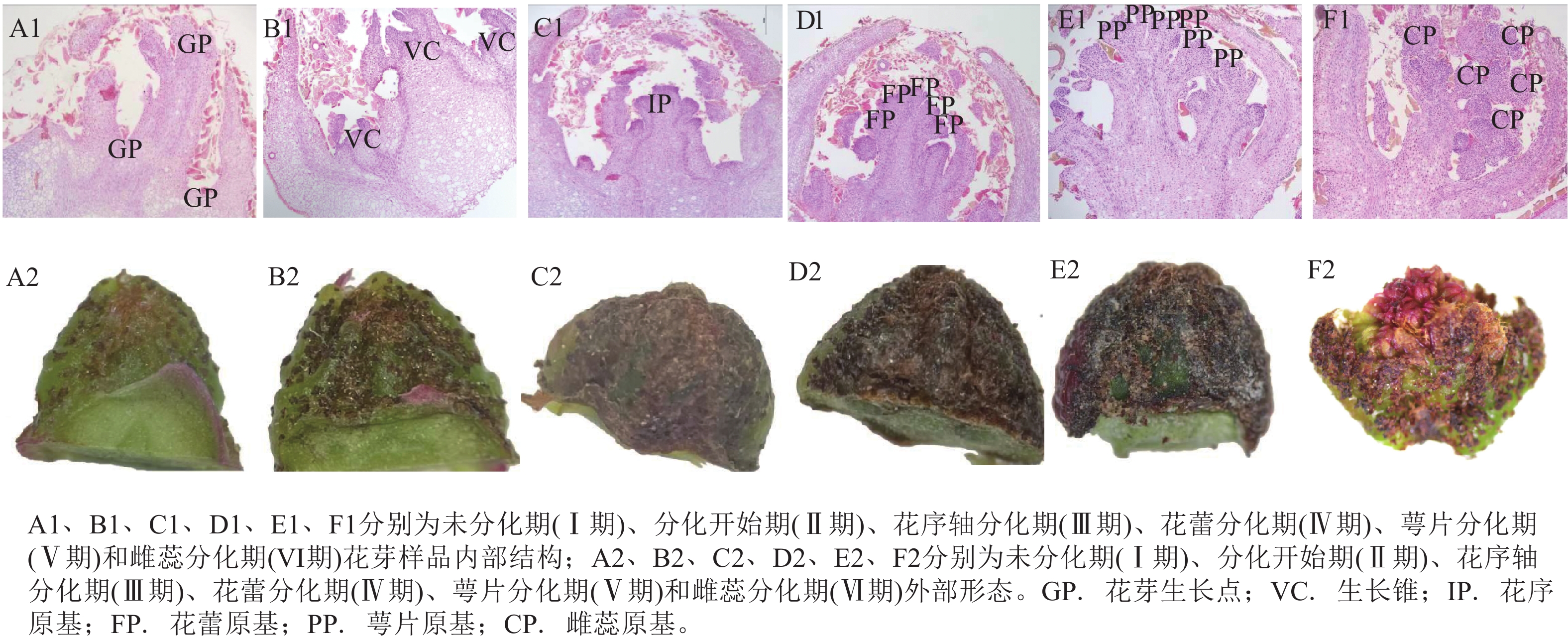
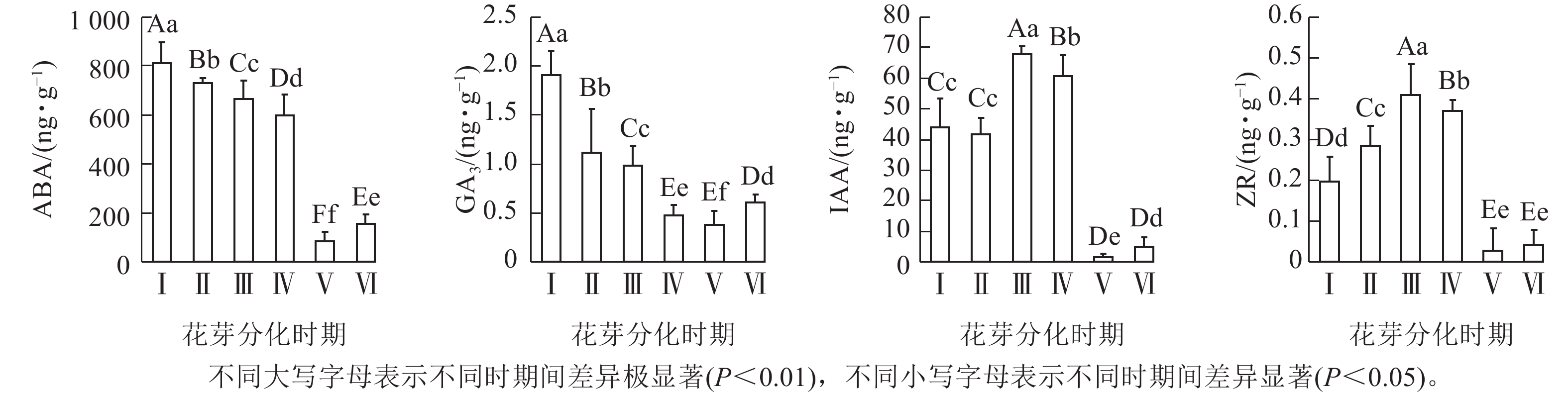
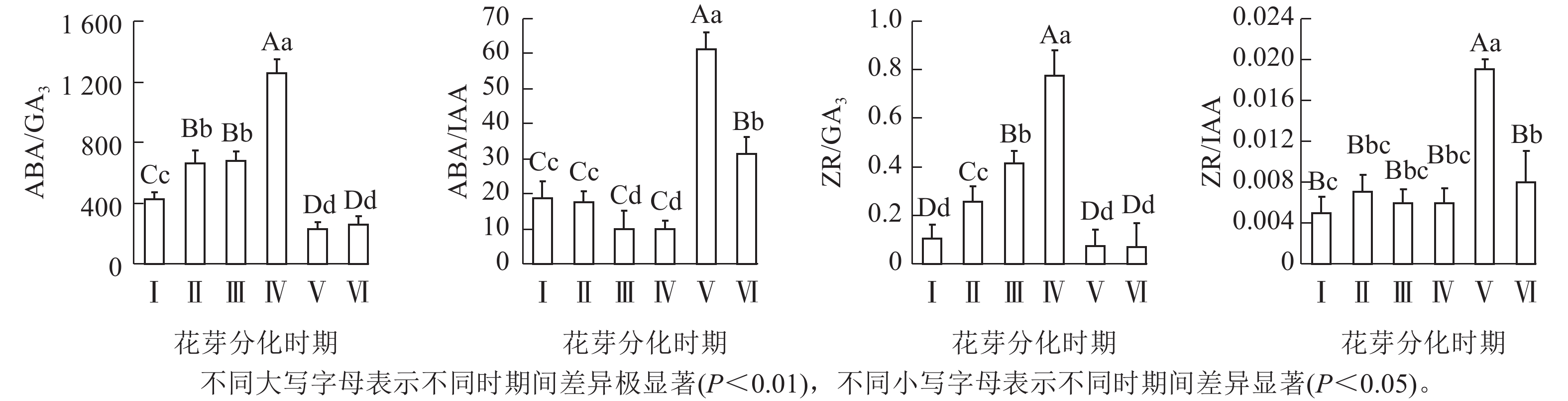
Objective The objective is to observe the flower bud differentiation process of Zanthoxylum bungeanum ‘Xiaolongpao’, clarify the corresponding relationship between the morphology and structure of flower buds, and analyze the dynamic changes of endogenous hormones and their ratios in influencing the flower bud differentiation, so as to provide a scientific basis for the regulation of flower and fruit and cultivation management of Z. bungeanum. Method From May 23, 2024 to March 31, 2025, 32 consecutive samplings were conducted in the Z. bungeanum base in Longshu Town, Ludian County, Zhaotong City, Yunnan Province. The morphological and structural changes of flower bud differentiation process of ‘Xiaolongpao’ were analyzed using paraffin sectioning technology combined with morphological observation. Typical stages were identified and the start and duration of each stage were determined. The contents of abscisic acid (ABA), gibberellin A3 (GA3), indole-3-acetic acid (IAA) and zeatin riboside (ZR) at different differentiation stages of flower buds were determined by ultra-high performance liquid chromatography-tandem mass spectrometry, and the dynamic changes of their contents and ratios were analyzed. Result The flower bud differentiation process of ‘Xiaolongpao’ was divided into 6 stages: undifferentiated stage (Ⅰ), differentiation initiation stage (Ⅱ), inflorescence axis differentiation stage (Ⅲ), flower bud differentiation stage (Ⅳ), calyx differentiation stage (Ⅴ), and pistil differentiation stage (Ⅵ). The flower bud differentiation process lasted about 10 months, and there was overlap between different differentiation stages. Stage Ⅱ was the critical period for the initiation of flower bud differentiation, starting in the second half of May. The size and morphology of axillary buds at stages Ⅰ to Ⅵ showed extremely significant stage changes (P< 0.01). The mass fractions and ratios of endogenous hormones at different differentiation stages showed extremely significant differences (P< 0.01): The mass fractions of ABA and GA3 continued to decrease extremely significantly (P< 0.01) from stage Ⅰ to stage Ⅴ, slightly increased at stage Ⅵ. The mass fractions of IAA and ZR reached their peak at stage Ⅲ and were the lowest at stage Ⅴ. The ratios of ABA/GA3 and ZR/GA3 gradually increased from stage Ⅰ to Ⅳ, reach the highest in stage Ⅳ and then decrease, while the ratios of ABA/IAA and ZR/IAA reached their peak in stage Ⅴ. Conclusion The anatomical structure and morphology of flower buds of ‘Xiaolongpao’ at different differentiation stages are closely related, and the differentiation duration is relatively long. The changes in the mass fraction of endogenous hormones and their ratios significantly affect the initiation and structural formation of differentiation. In production, the differentiation of flower buds can be artificially regulated during the critical period. [Ch, 3 fig. 2 tab. 38 ref.]
2026, 43(5): 983-991.
doi: 10.11833/j.issn.2095-0756.20260184
Abstract:
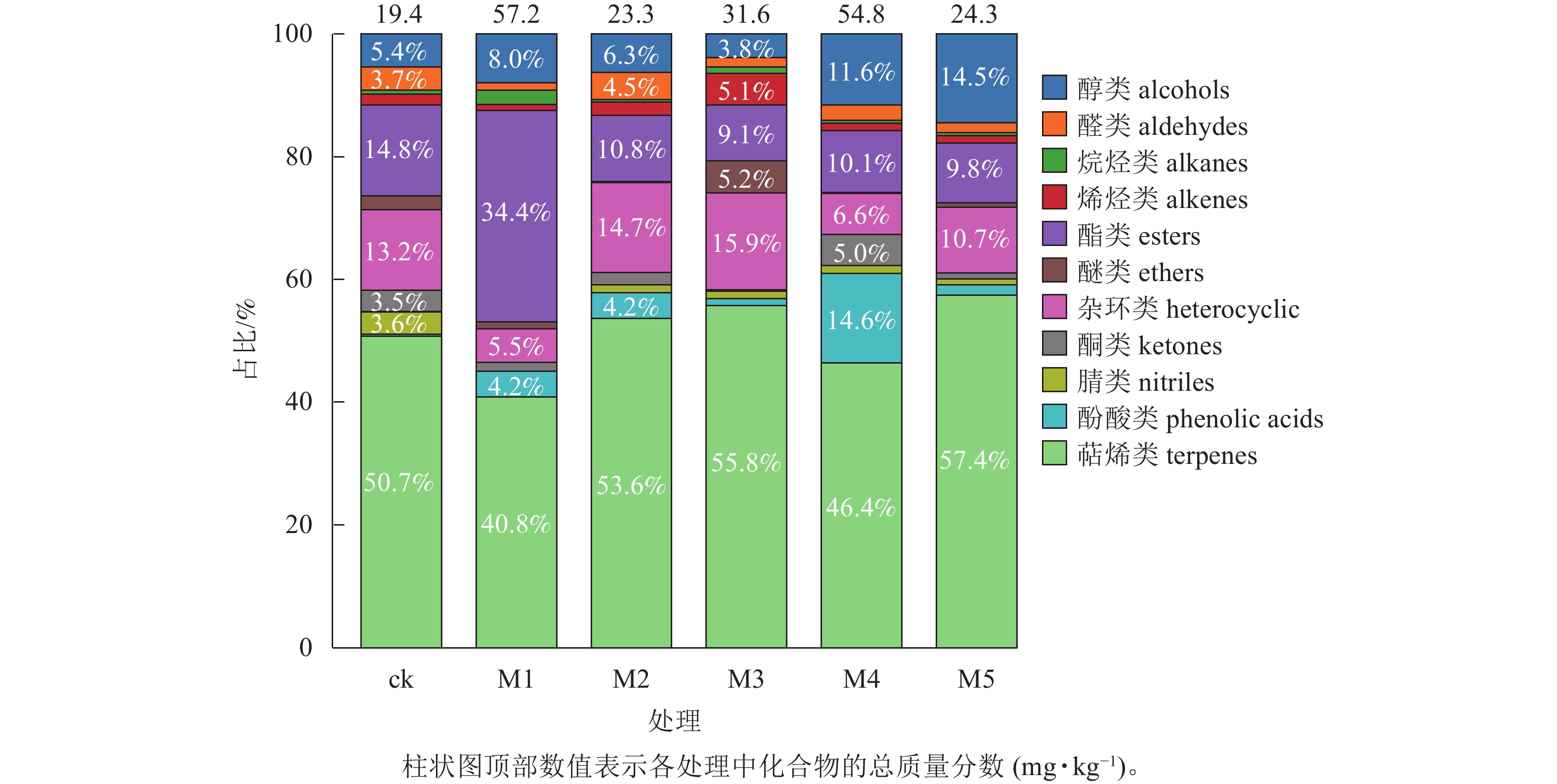
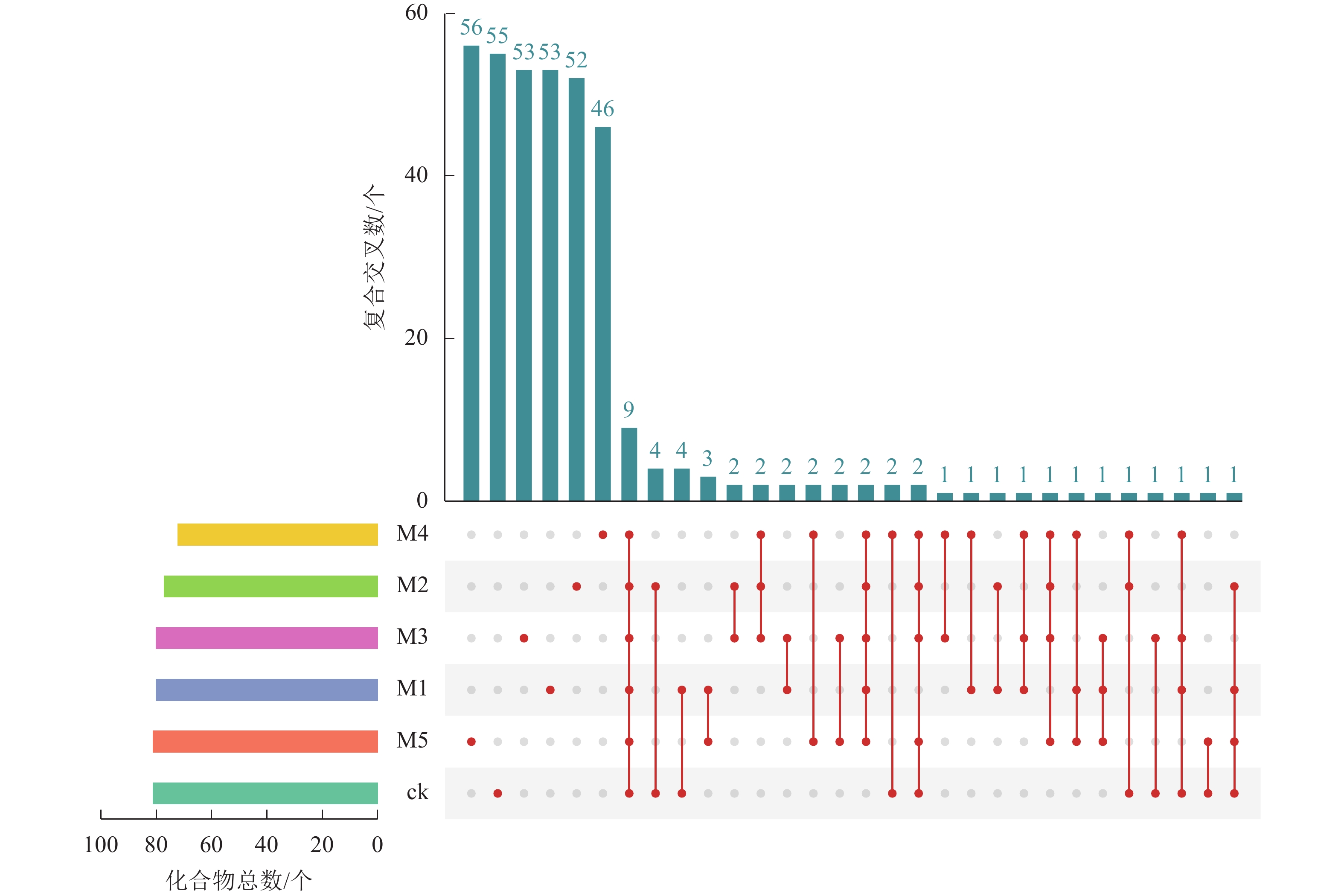
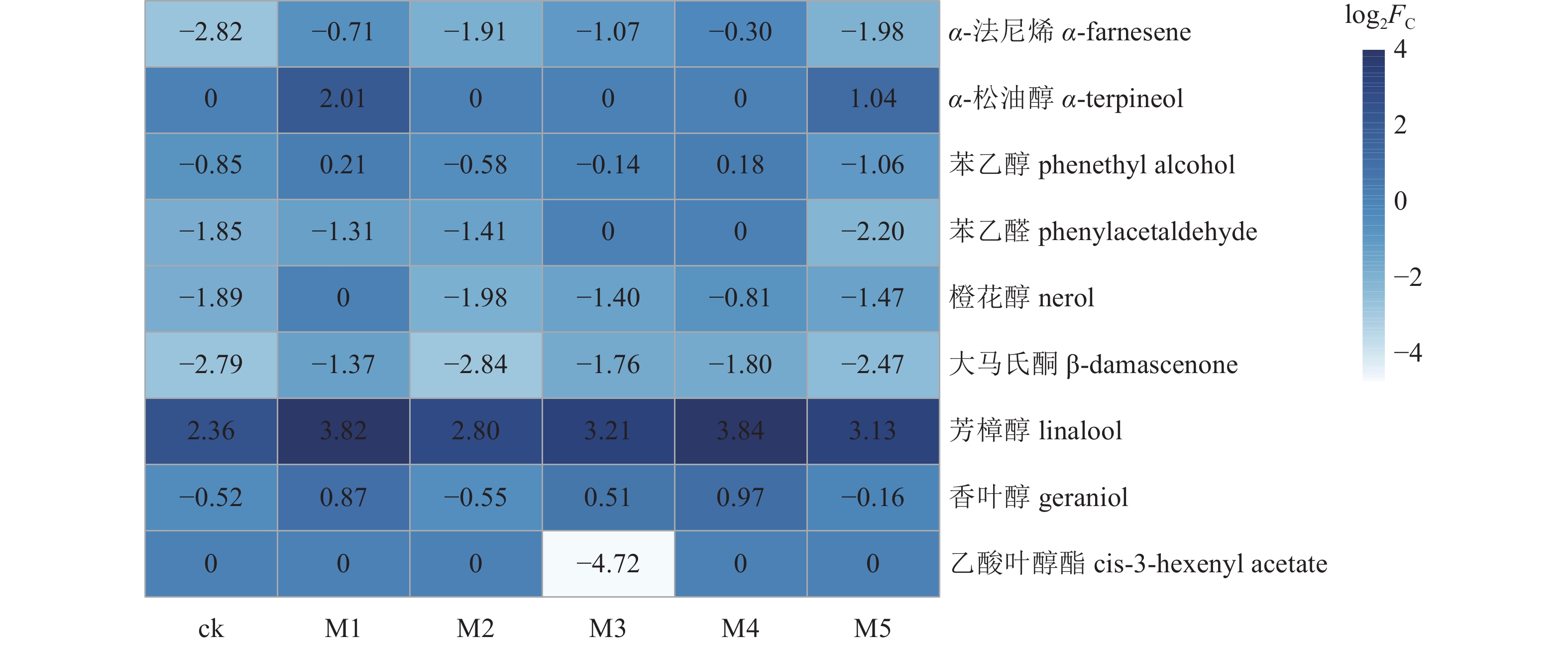
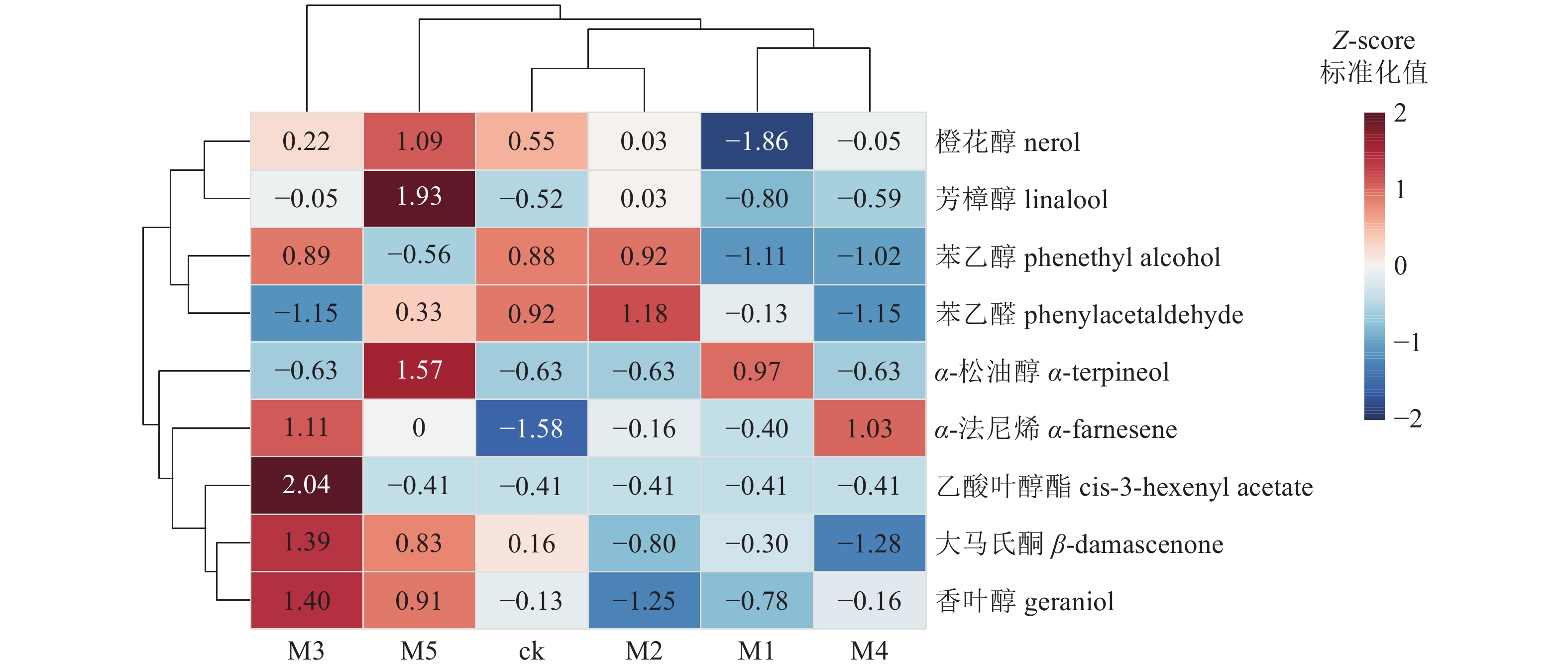
Objective To investigate the regulatory effects of methyl jasmonate (MeJA) on flower yield, volatile organic compounds (VOCs) synthesis, and aroma characteristics in Gardenia jasminoides, and to determine its optimal application concentration for enhancing floral fragrance quality. Method Two-year-old G. jasminoides ‘Fenguan No. 1’ cuttings were used as materials. MeJA was applied at 5 concentrations (0.25, 0.50, 0.75, 1.00, and 1.25 mmol·L−1), corresponding to treatments M1, M2, M3, M4, M5, with water spray as the control (ck). Headspace solid-phase microextraction coupled with gas chromatography-mass spectrometry (HS-SPME-GC-MS) was utilized to analyze the composition of volatile organic compounds, and the odour activity value (OAV) was employed to evaluate their aromatic contributions. Result MeJA treatments influenced the per-plant flower yield, as well as the types and proportions of volatiles, which mainly consisted of terpenes, alcohols, and esters. M5 treatment significantly increased per-plant yield (P<0.05), while M1 and M4 treatments elevated the content and OAV of key aroma compounds such as linalool, exhibiting a bimodal dose-response pattern; whereas M2 and M5 treatments showed inhibitory effects. Cluster analysis revealed that M4 treatment exhibited a distinct aroma profile compared to other groups, confirming it as the optimal concentration. Conclusion The optimal concentration of MeJA for enhancing floral aroma quality was determined to be 1.00 mmol·L−1, whereas the optimal concentration for maximizing flower yield was 1.25 mmol·L−1. Aroma compound biosynthesis showed a nonlinear, bimodal concentration-dependent response to MeJA, with linalool, β-damascenone, and α-farnesene identified as the key contributing compounds. [Ch, 4 fig. 3 tab. 28 ref.]
2026, 43(5): 992-1003.
doi: 10.11833/j.issn.2095-0756.20250610
Abstract:
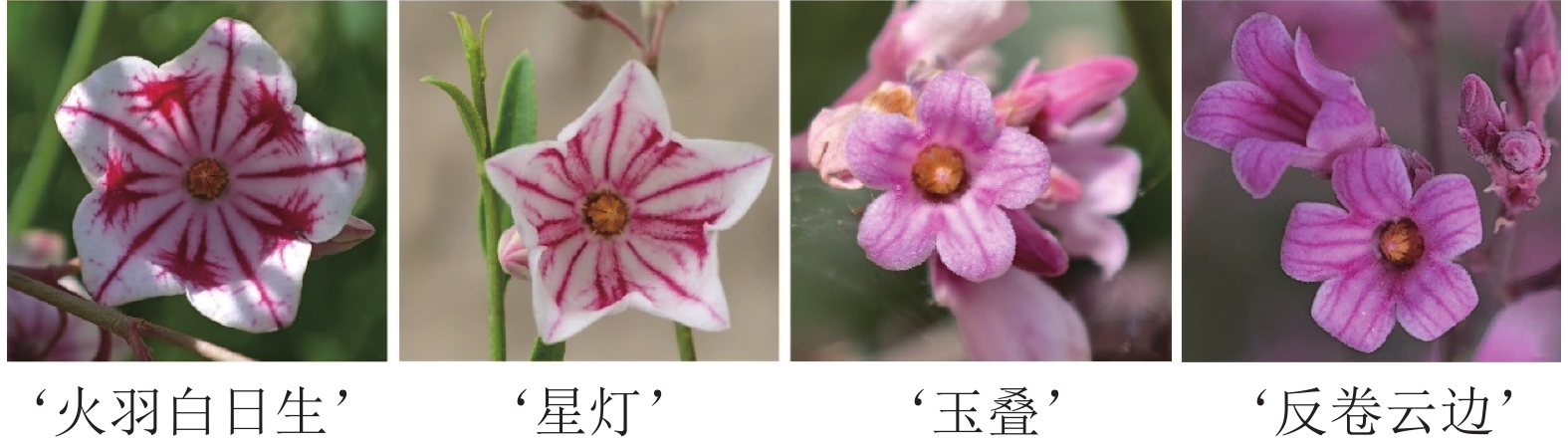
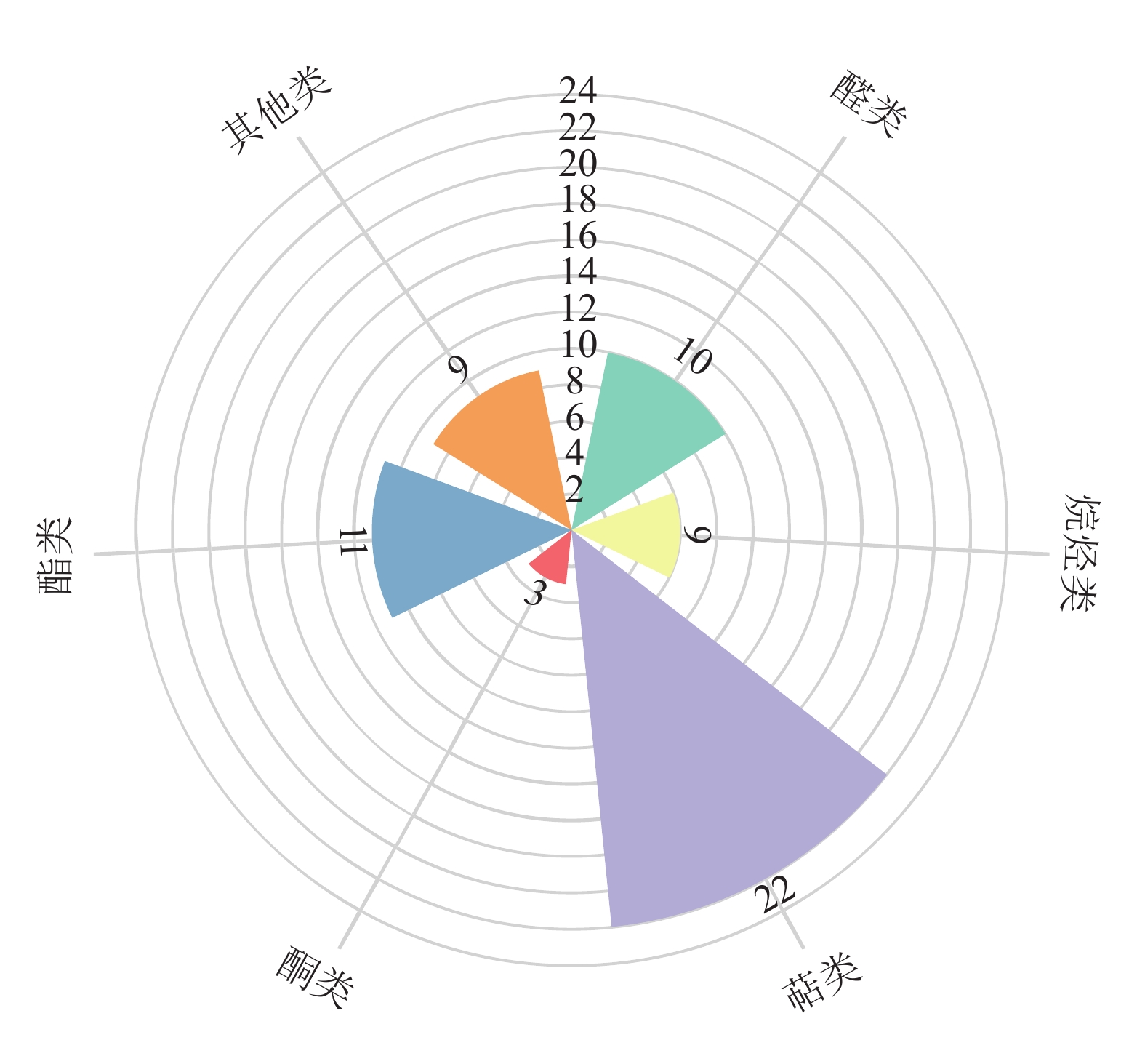
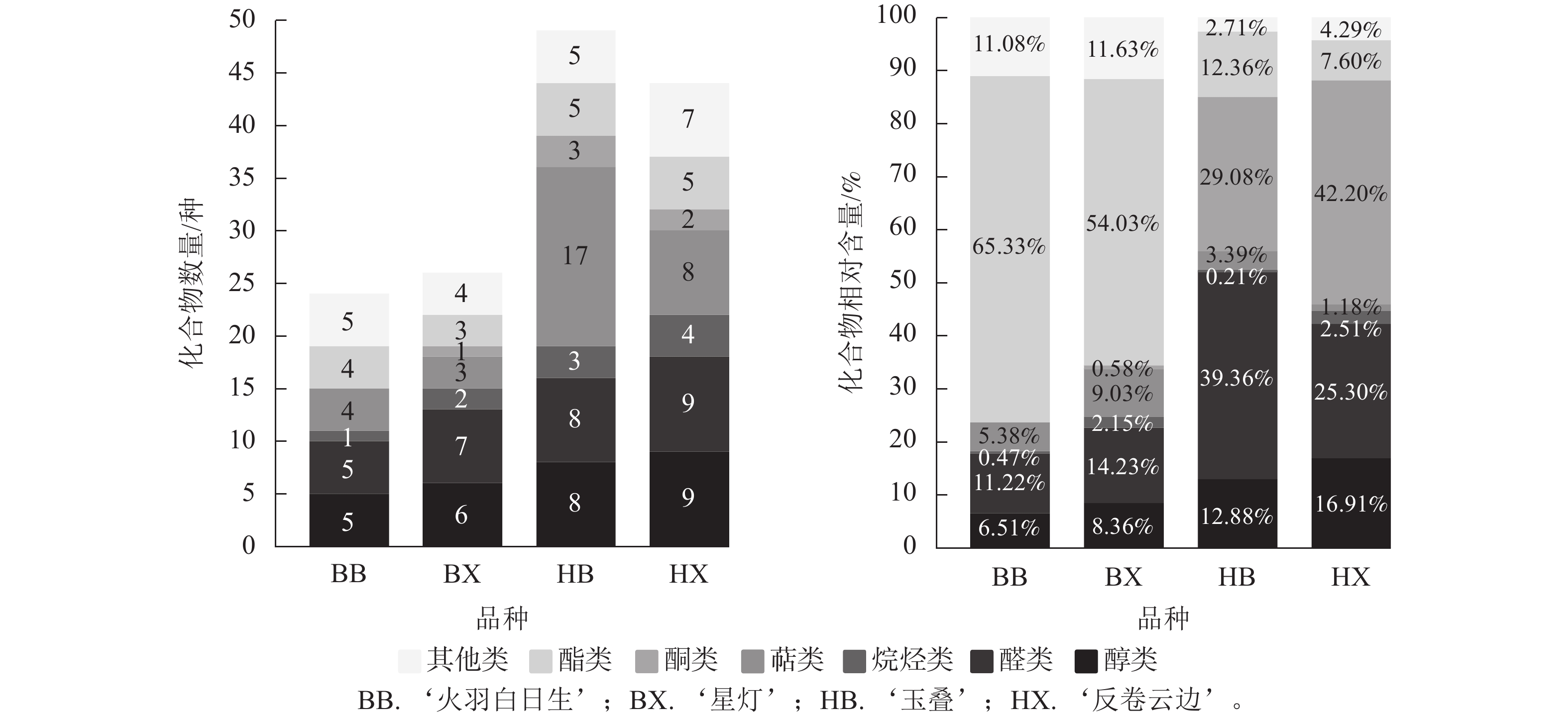
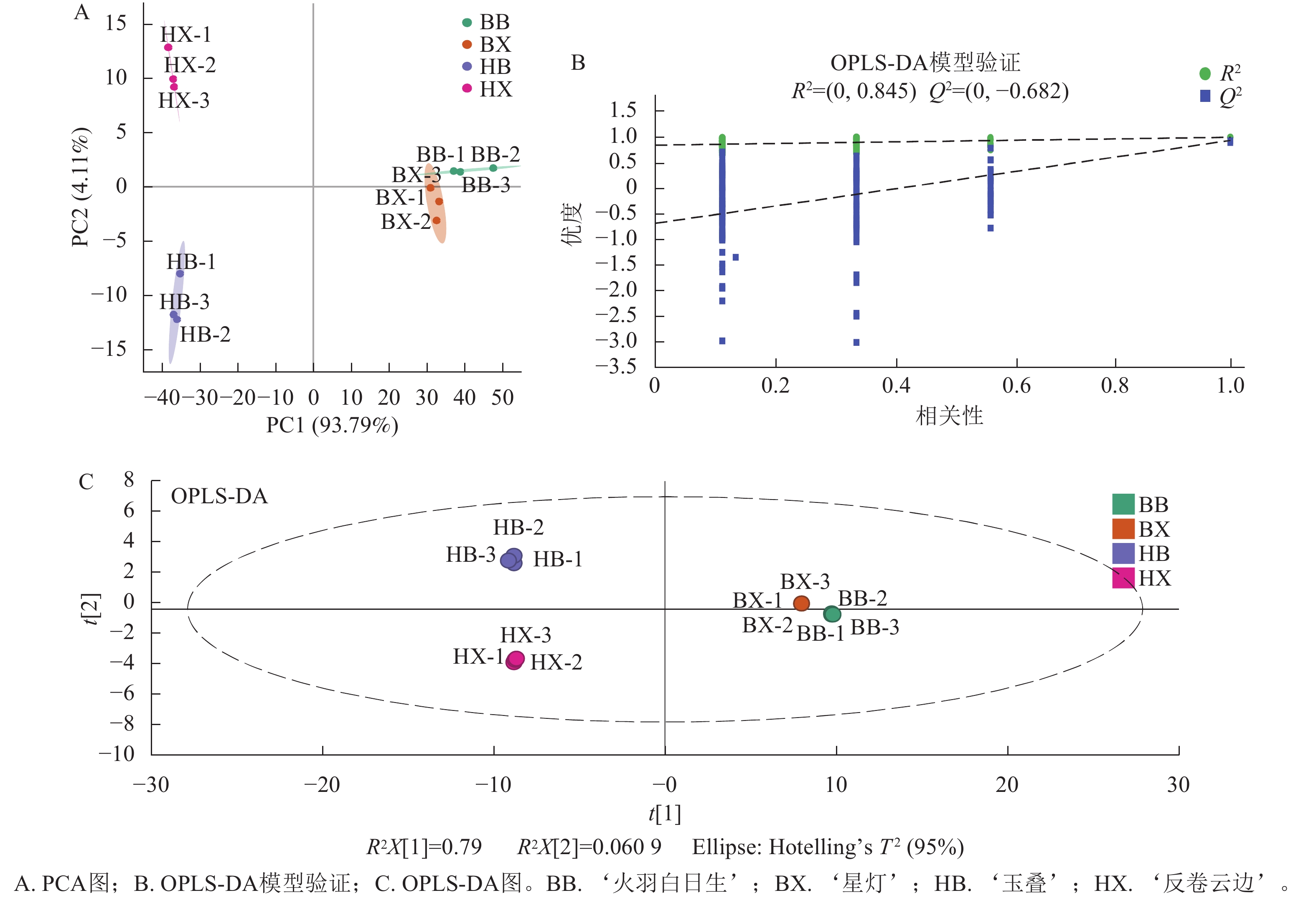
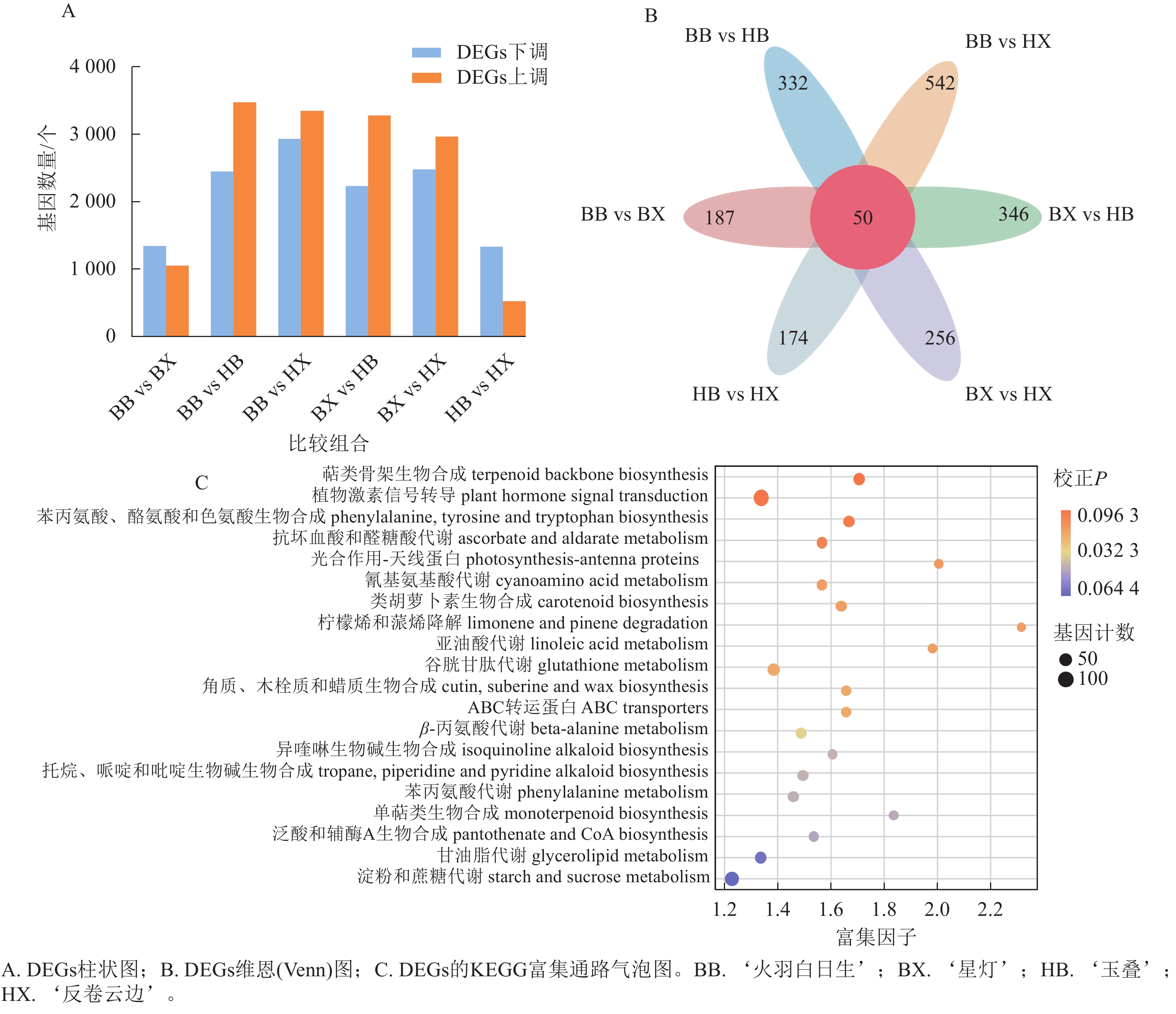
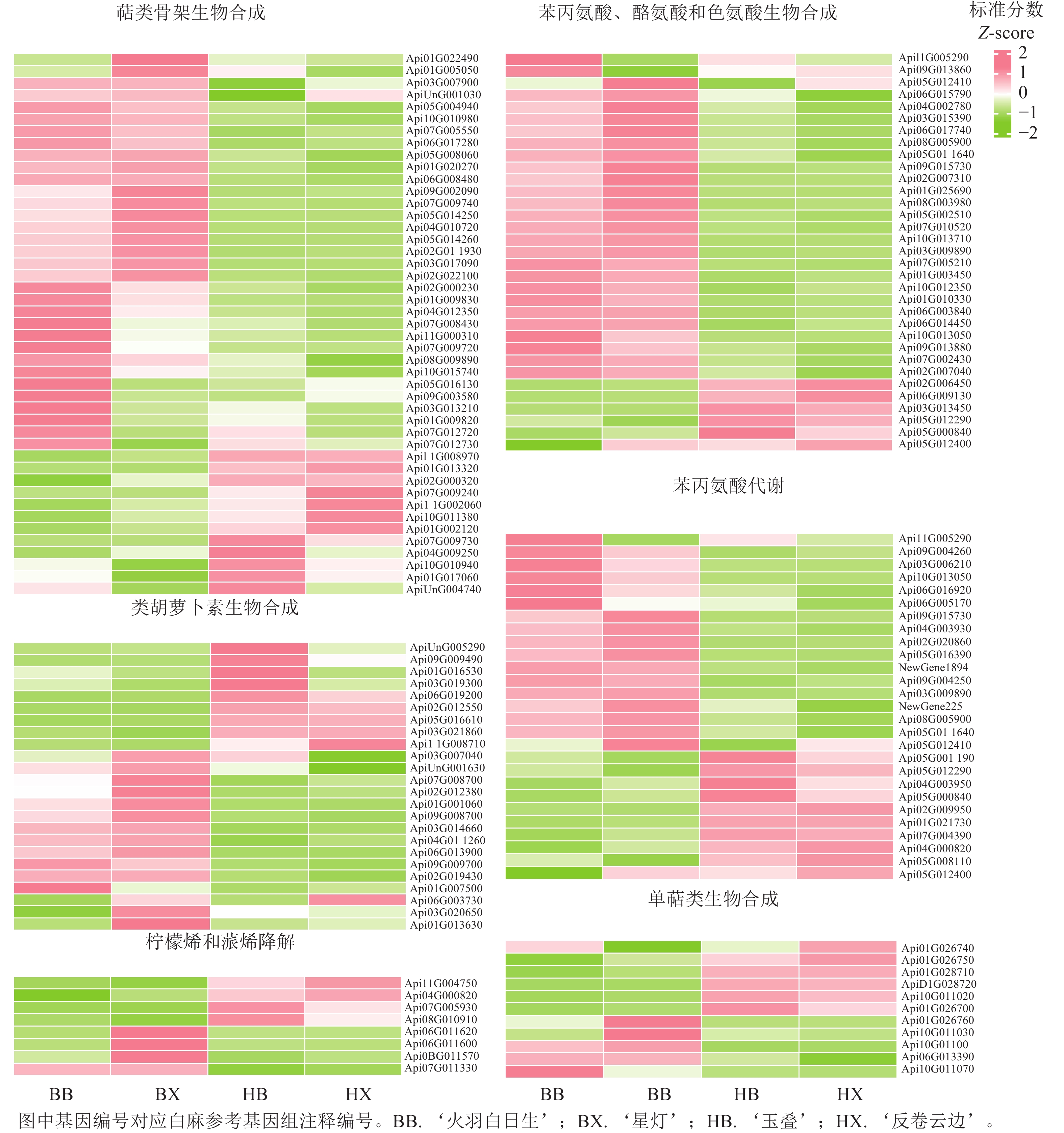
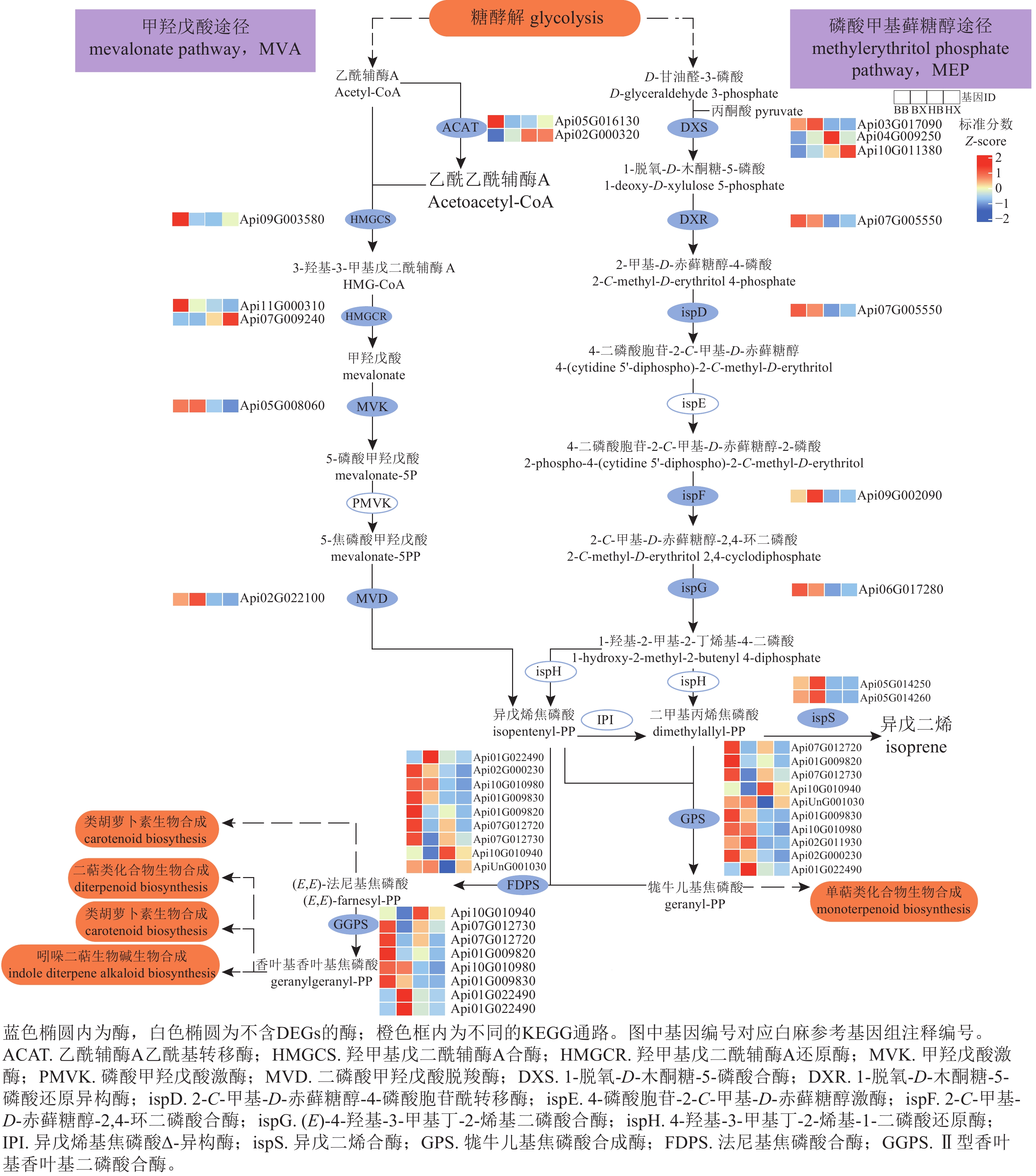
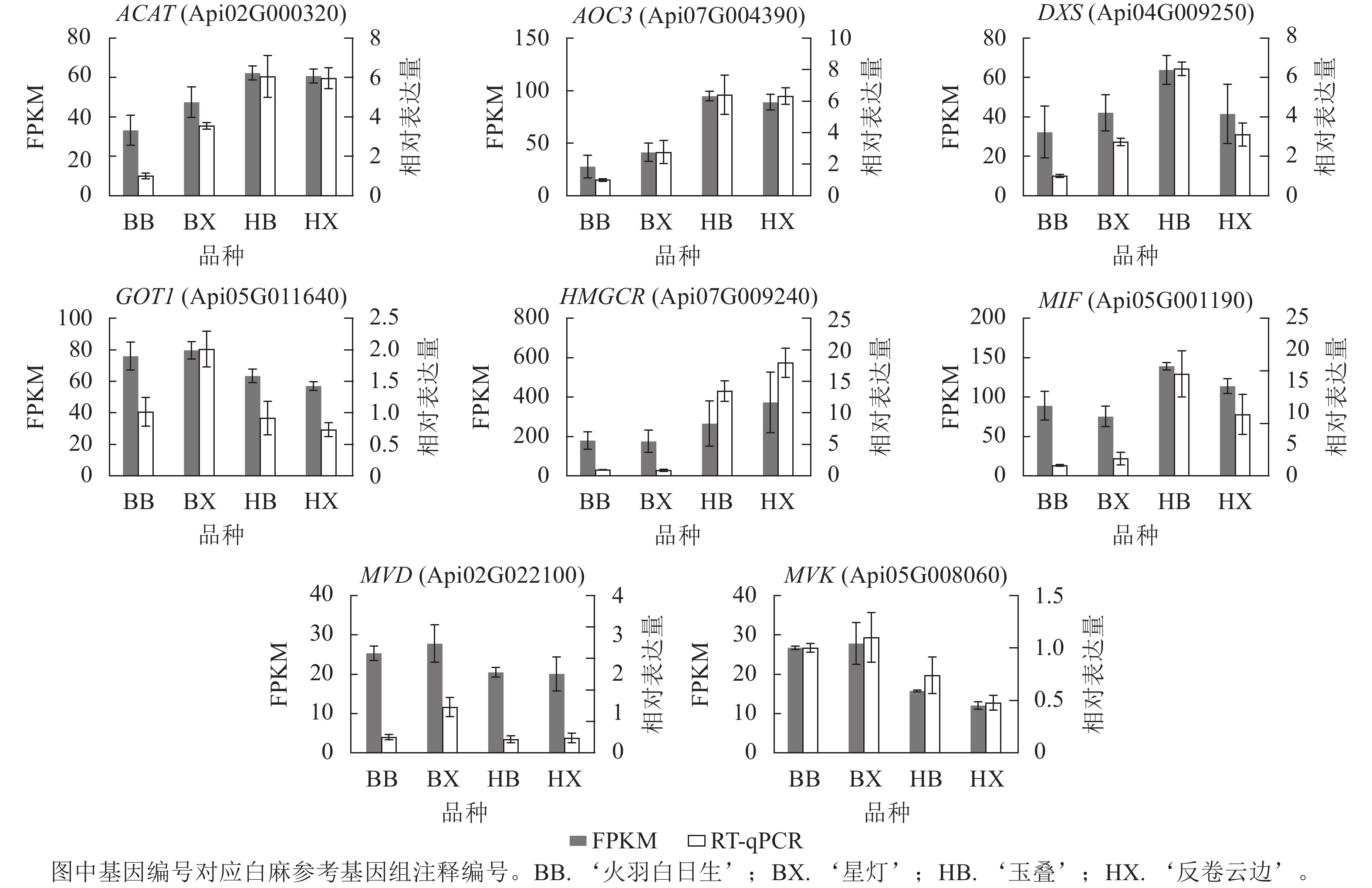
Objective To explore the differential volatile components and molecular regulatory mechanisms underlying the floral scent differences among 4 Apocynum cultivars, identify the key pathways and core genes involved in floral scent biosynthesis, and provide theoretical support for the improvement of floral scent quality and genetic breeding of Apocynum. Method Taking the flowers of A. pictum (‘Huoyubairisheng’‘Xingdeng’) and A. venetum (‘Yudie’ ‘Fanjuan Yunbian’) at full blooming stage as test materials, the headspace solid-phase microextraction combined with gas chromatography-mass spectrometry (HS-SPME-GC-MS) was used to identify the volatile floral scent components, and high-throughput RNA sequencing was performed to analyze the transcriptomic differences. RT-qPCR was used to verify the expression trends of key genes. Result A total of 76 volatile compounds were detected, with terpenoids as the most abundant. Among them, 63 compounds were identified as characteristic aroma substances. Significant differences in the types and contents of floral scent components existed between A. pictum and A. venetum. The terpenoid backbone biosynthesis pathway was key for floral scent synthesis, with 14 differentially expressed genes in the MVA and MEP pathways. Core DEGs (e.g., ACAT, HMGCS, HMGCR, DXS) regulated floral scent differences by modulating terpenoid synthesis. Additionally, enriched pathways (carotenoid biosynthesis, limonene/pinene degradation, phenylalanine metabolism, etc.) participated in synthesizing differential floral scent substances among cultivars. RT-qPCR results were consistent with RNA-seq expression trends. Conclusion Floral scent differences among Apocynum cultivars are jointly determined by the types and contents of volatile components, especially terpenoids. The key differentially expressed genes in the MVA/MEP pathways are core regulators of these differences, laying an important foundation for deciphering Apocynum floral scent formation mechanisms. [Ch, 8 fig. 2 tab. 31 ref.]
2026, 43(5): 1004-1014.
doi: 10.11833/j.issn.2095-0756.20250331
Abstract:
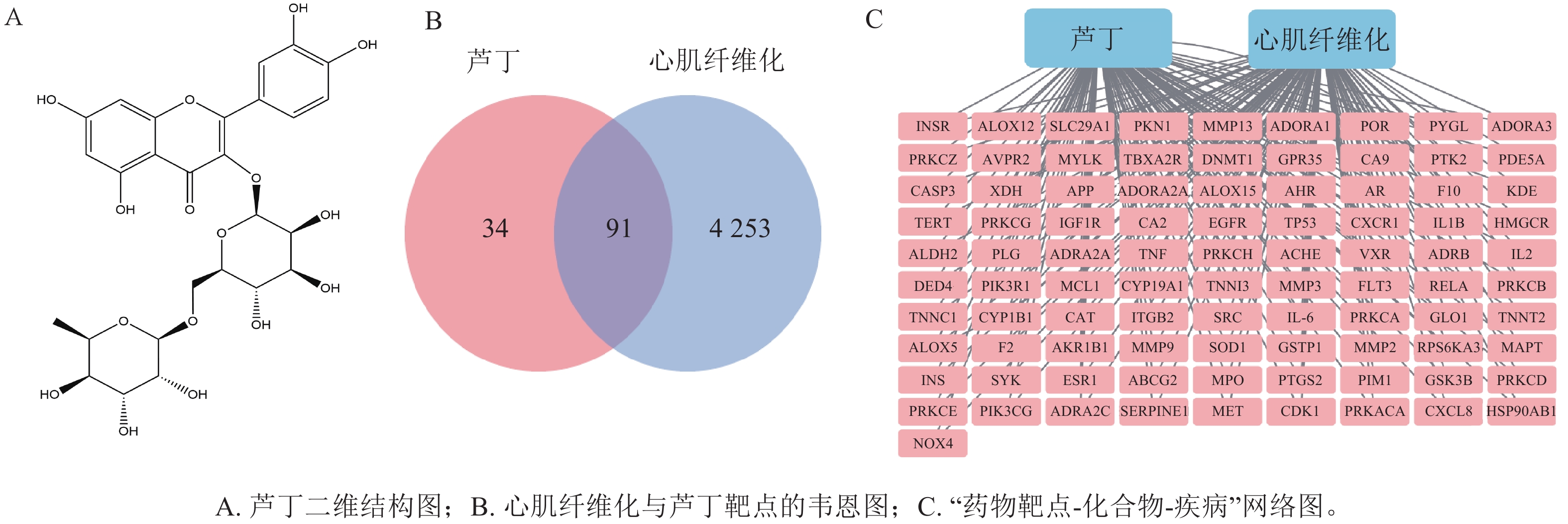
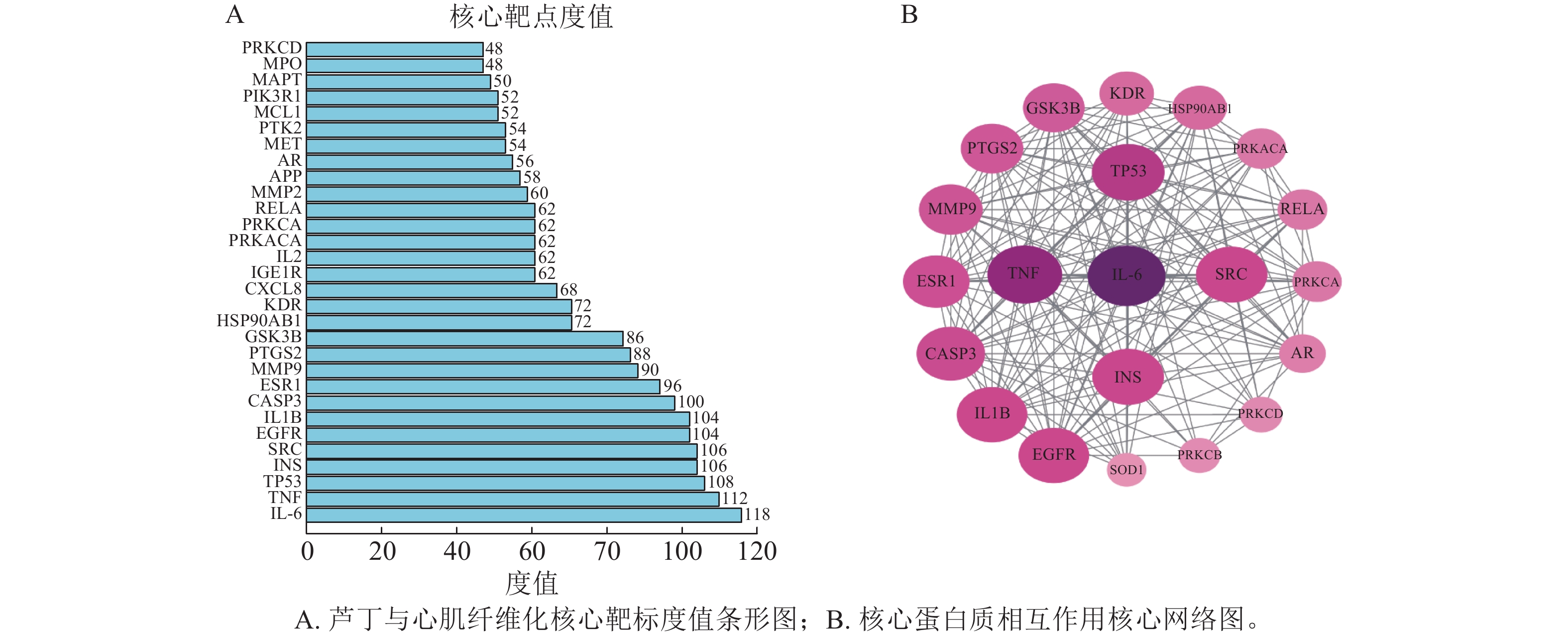
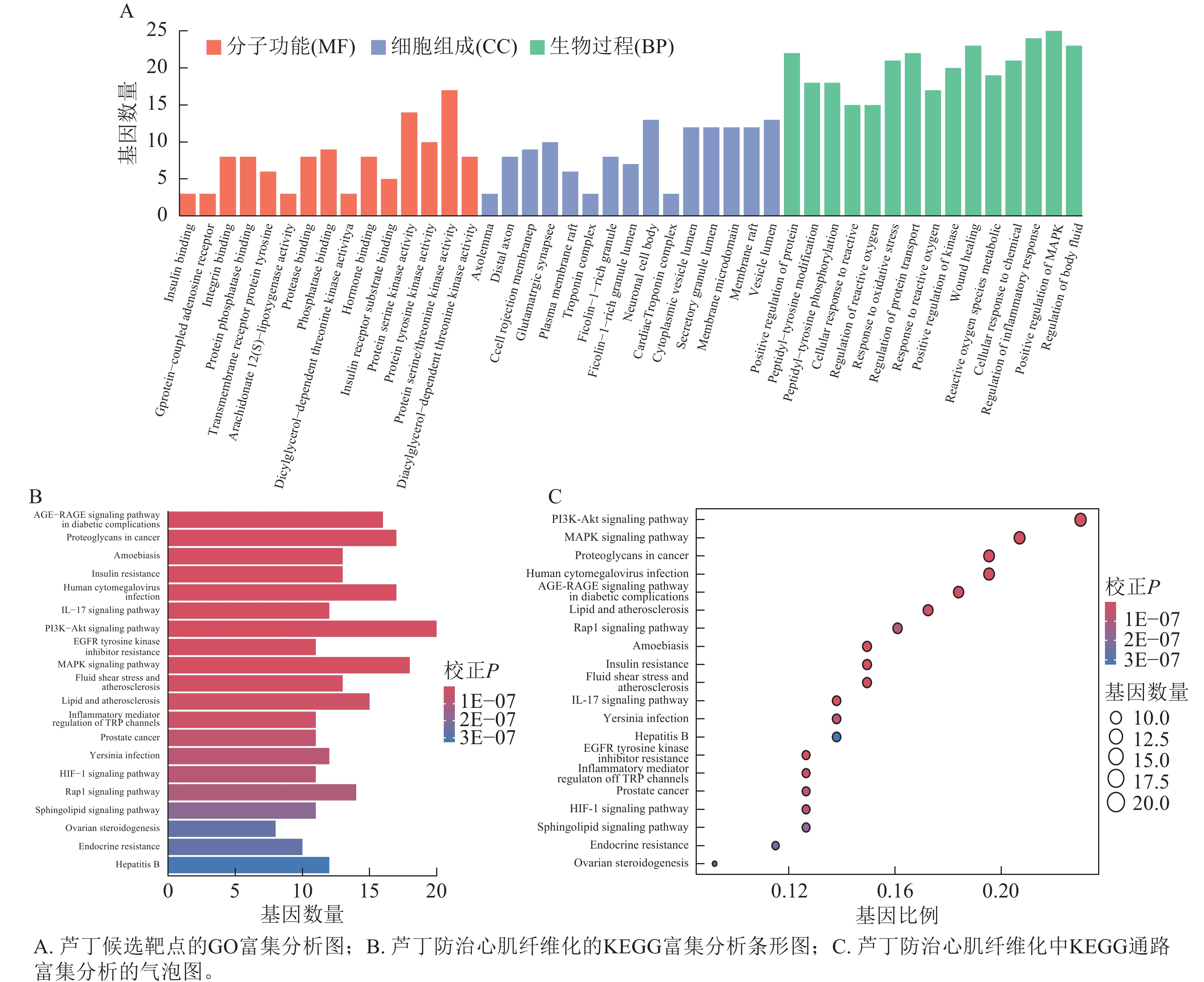
Objective The objective of this study is to explore the mechanism of rutin against myocardial fibrosis (MF) based on network pharmacology, molecular docking, and cellular experiments. Method Based on drug and disease databases, disease-associated gene targets related to rutin and MF were identified. A multidimensional “drug-target-disease” interaction network model was constructed using Cytoscape, and the core targets were subjected to Gene Ontology (GO) and Kyoto Encyclopedia of Genes and Genomes (KEGG) pathway enrichment analysis using R software. The interaction between rutin and the core target protein was simulated through molecular docking technology. The effect of rutin on the proliferation of cardiac fibroblasts (CFs) was detected by the CCK-8 method. Result Network pharmacology analysis revealed that rutin acted on 91 MF-related targets, among which IL-6, TNF, TP53, and SRC were the core targets, and they were enriched in signaling pathways such as PI3K-Akt, MAPK, and IL-17. Molecular docking demonstrated that rutin had a good binding activity with the core target protein. Molecular biology experiments showed that rutin could reverse the expression of fibrotic biomarkers in TGF-β1-induced CFs and significantly downregulate the expression of key proteins associated with the MAPK-JNK/ERK signaling pathway (P<0.05). Conclusion Rutin may alleviate TGF-β1-induced fibrosis in CFs by inhibiting the activation of the MAPK-JNK/ERK signaling pathway. [Ch, 7 fig. 2 tab. 31 ref.]
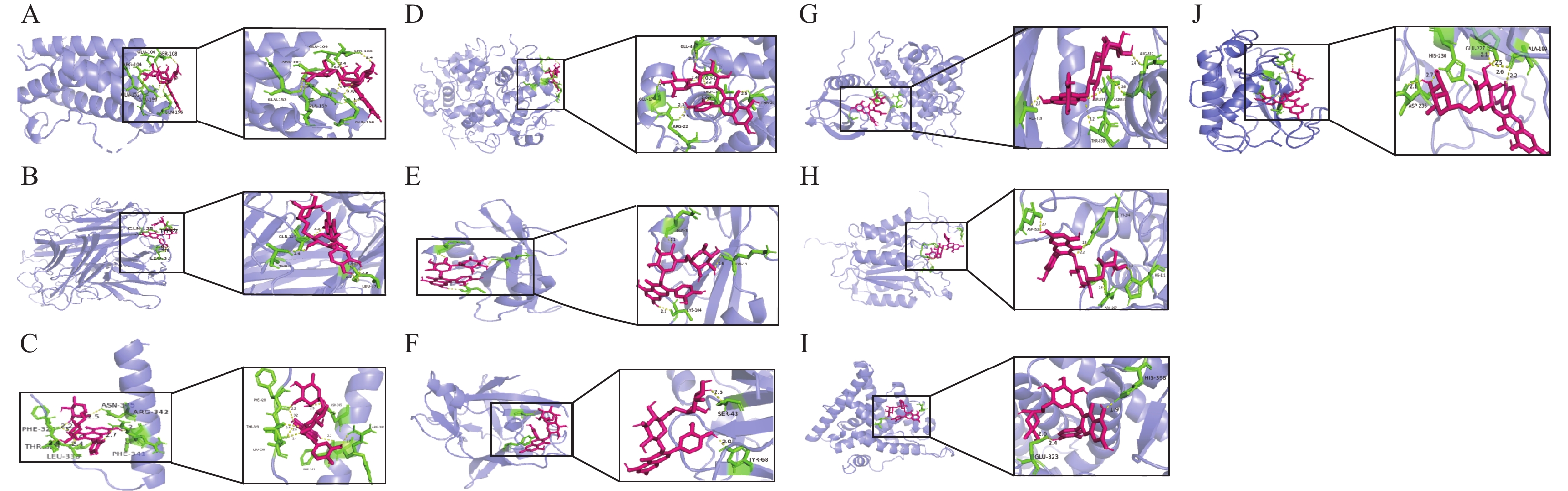
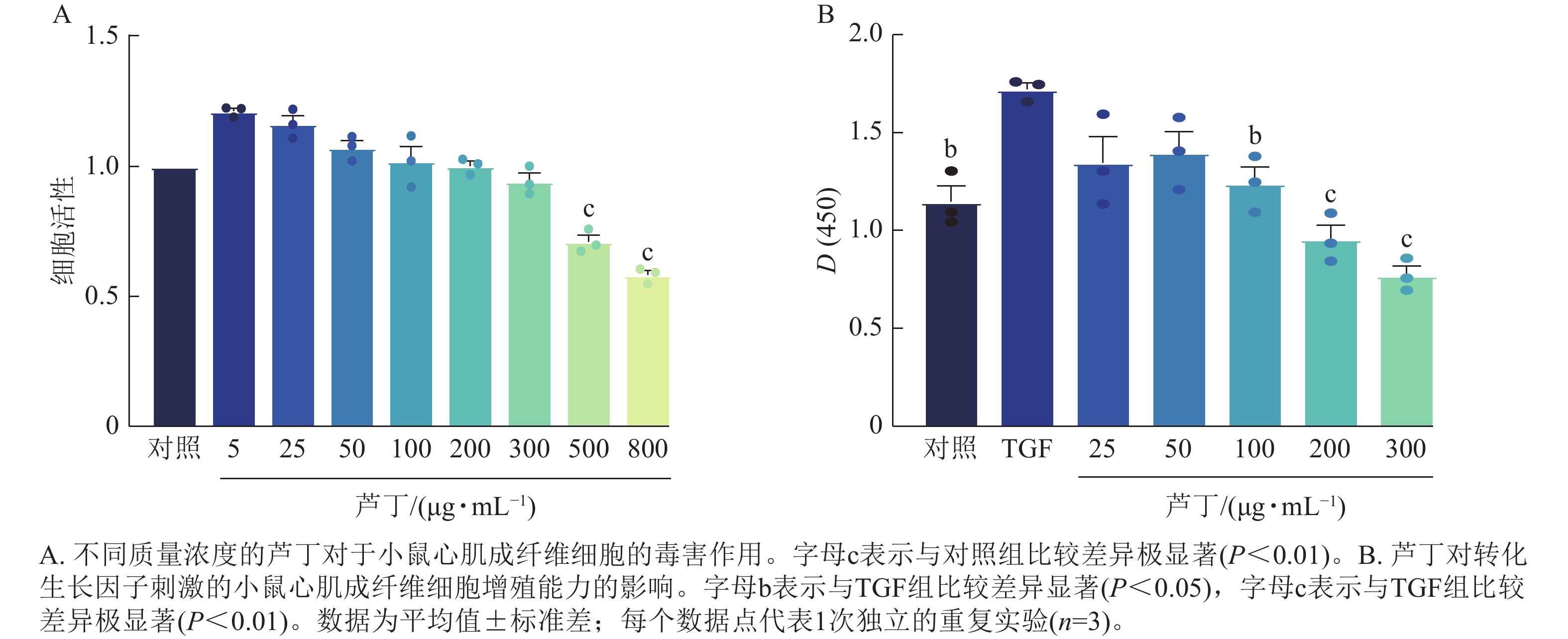
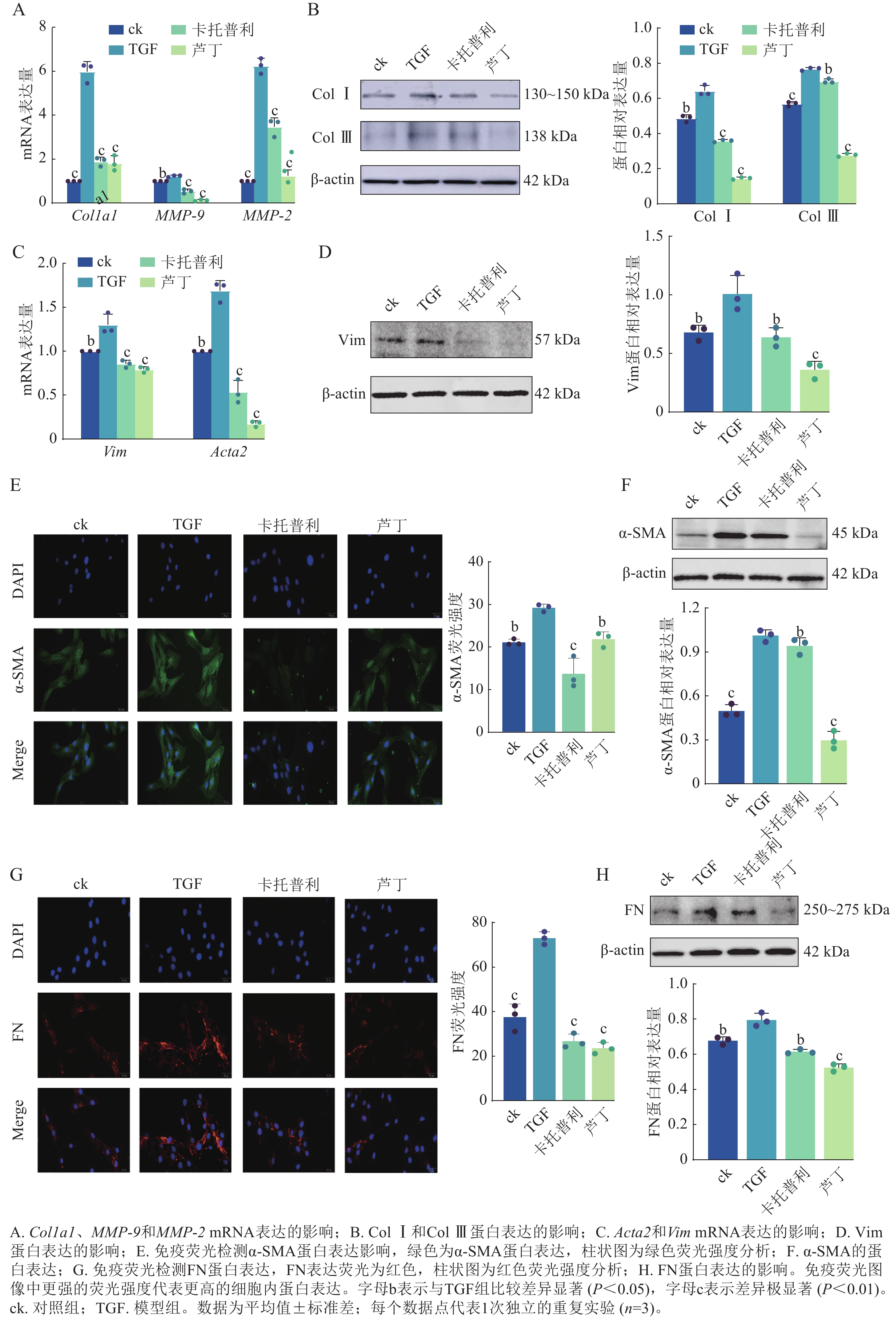
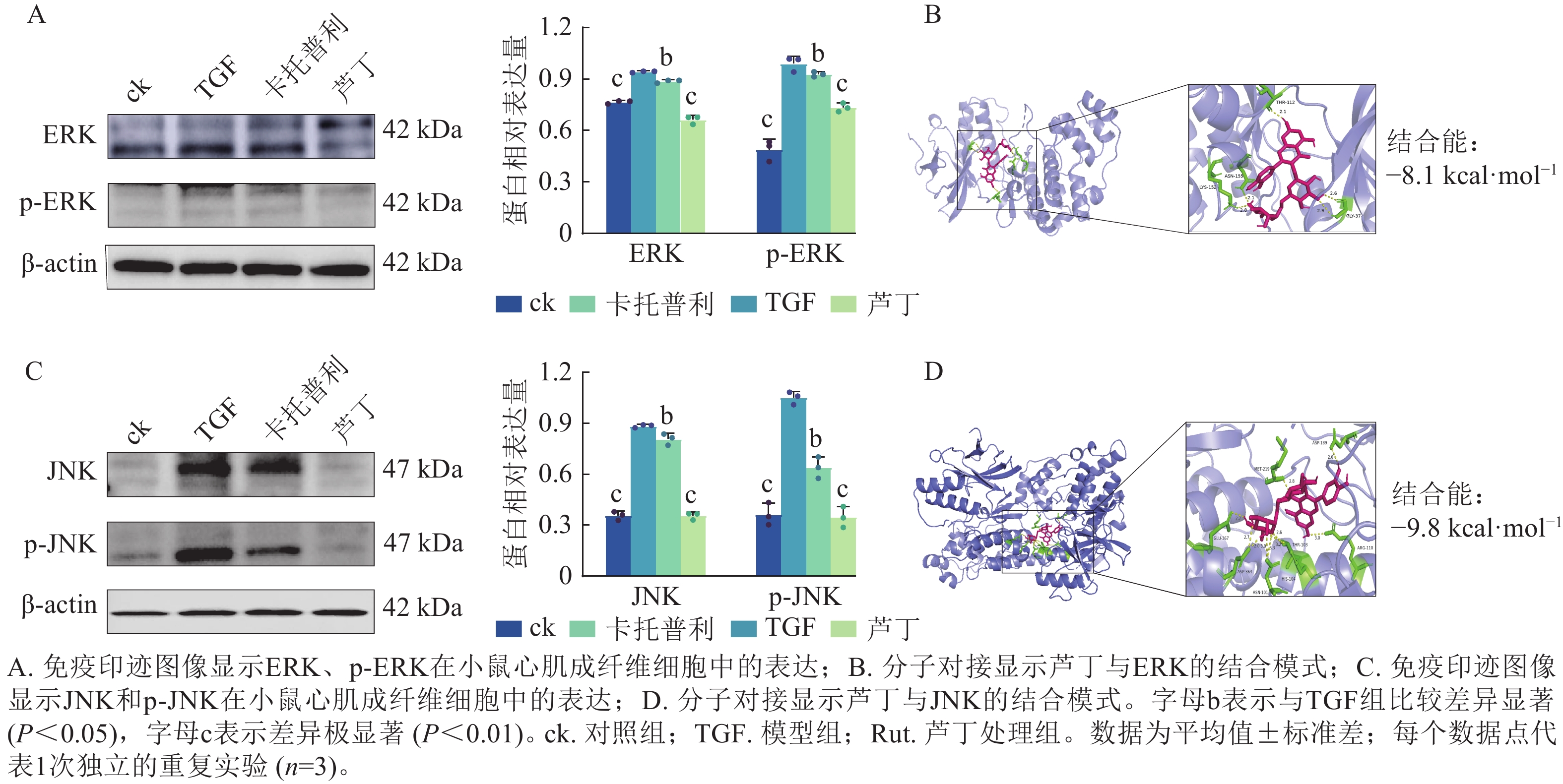
2026, 43(5): 1015-1024.
doi: 10.11833/j.issn.2095-0756.20250623
Abstract:
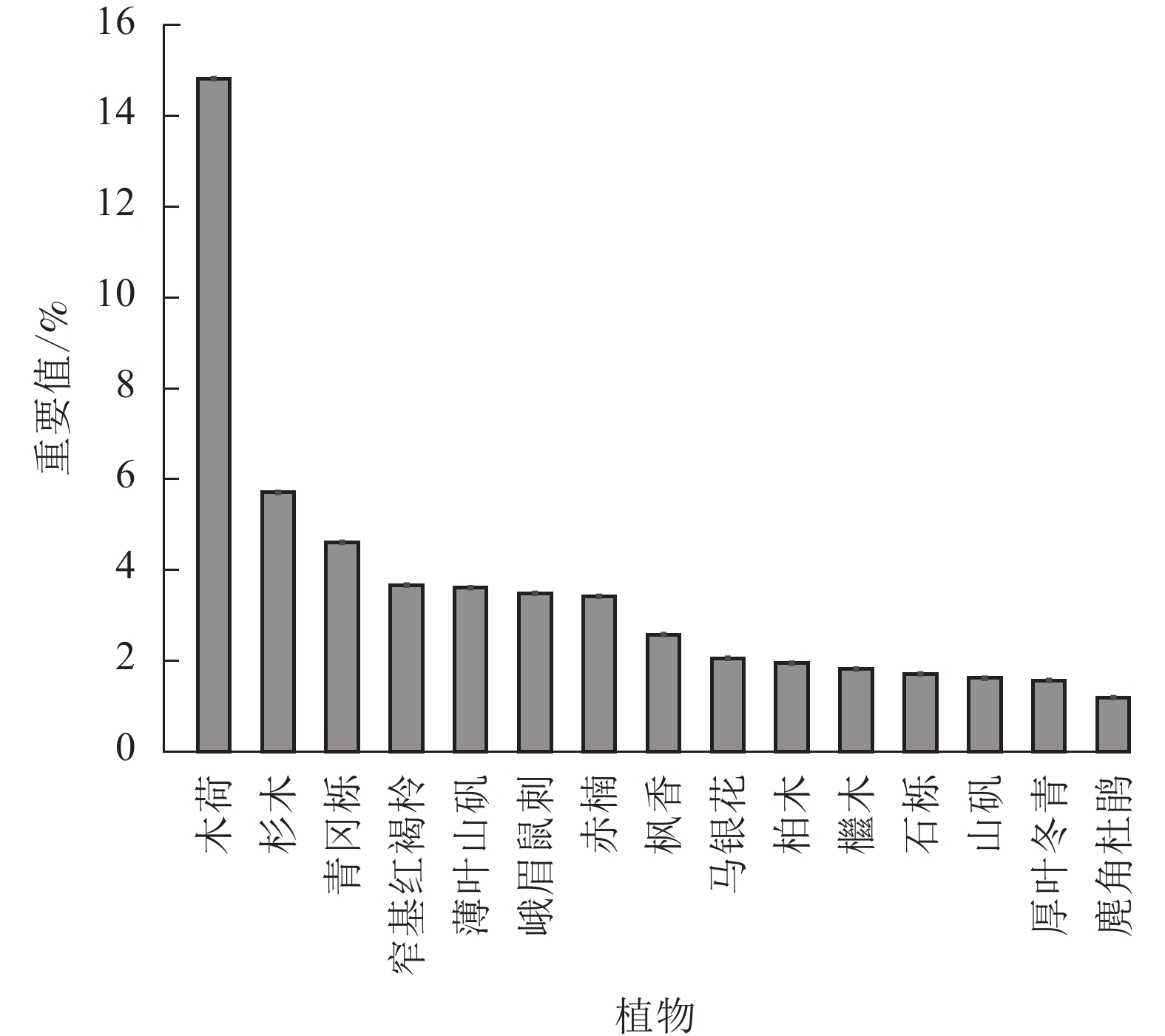
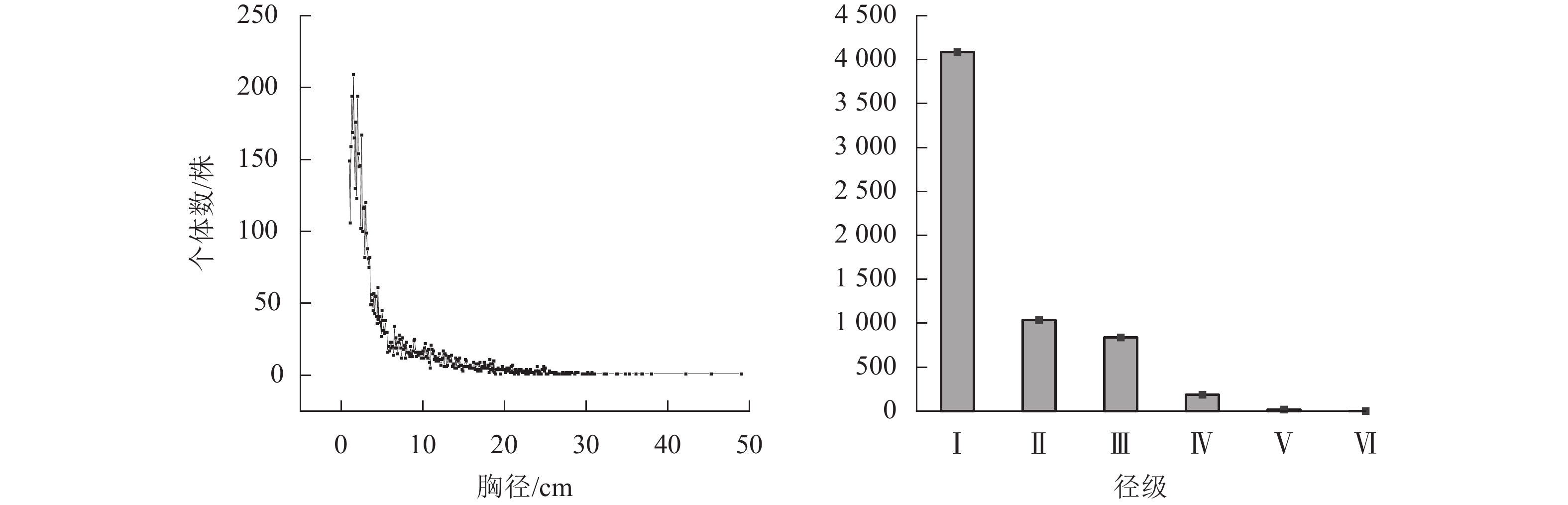
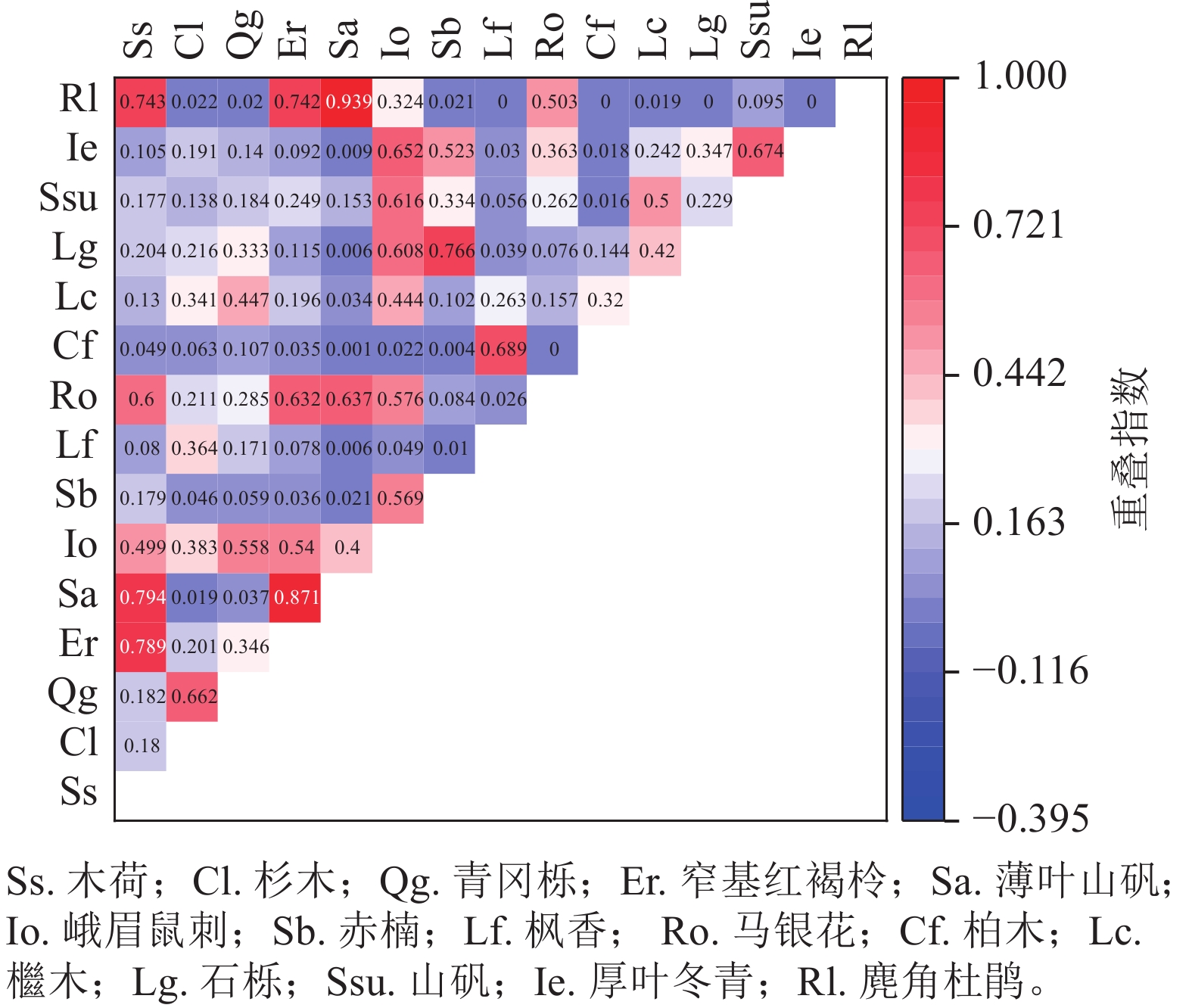
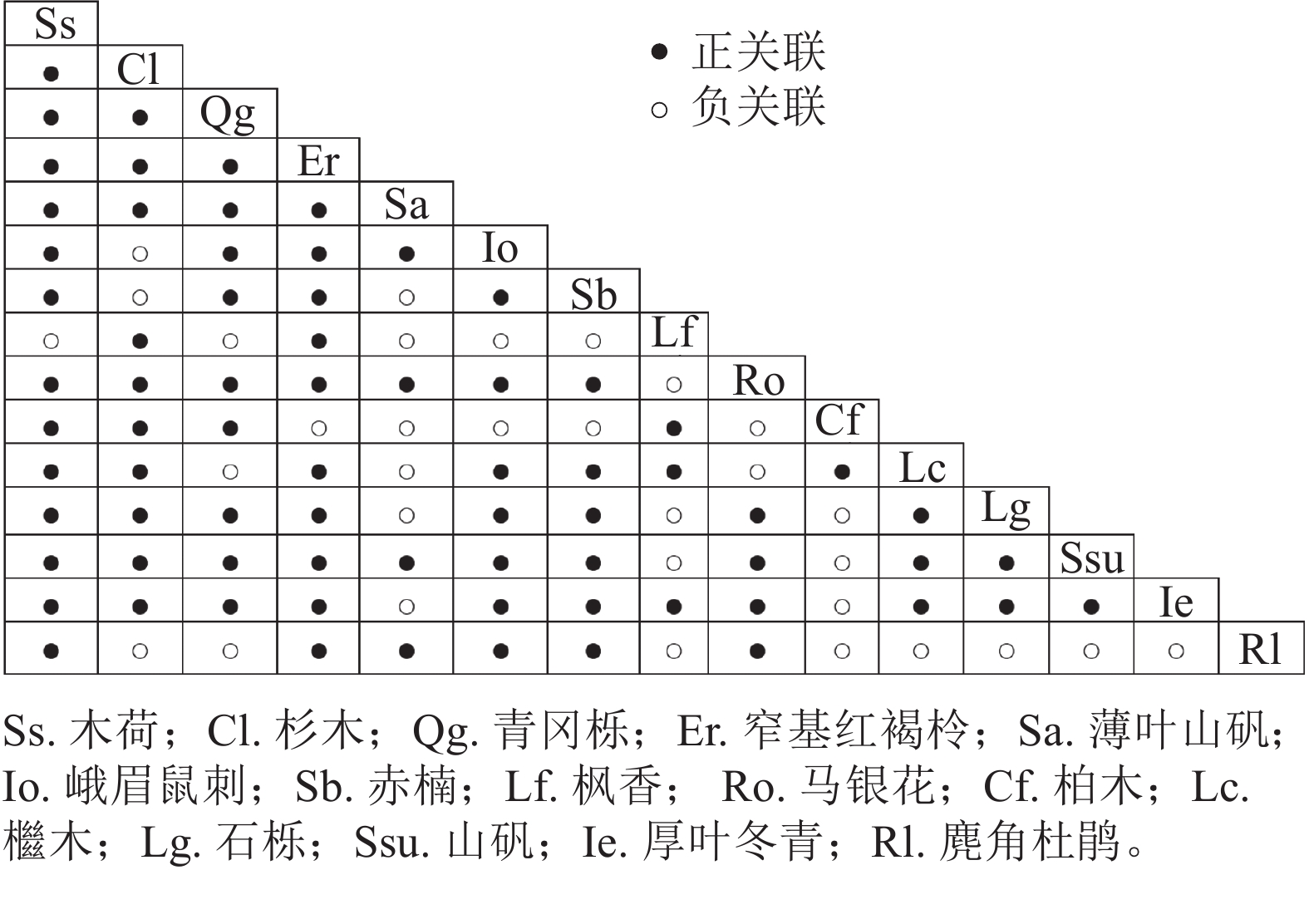
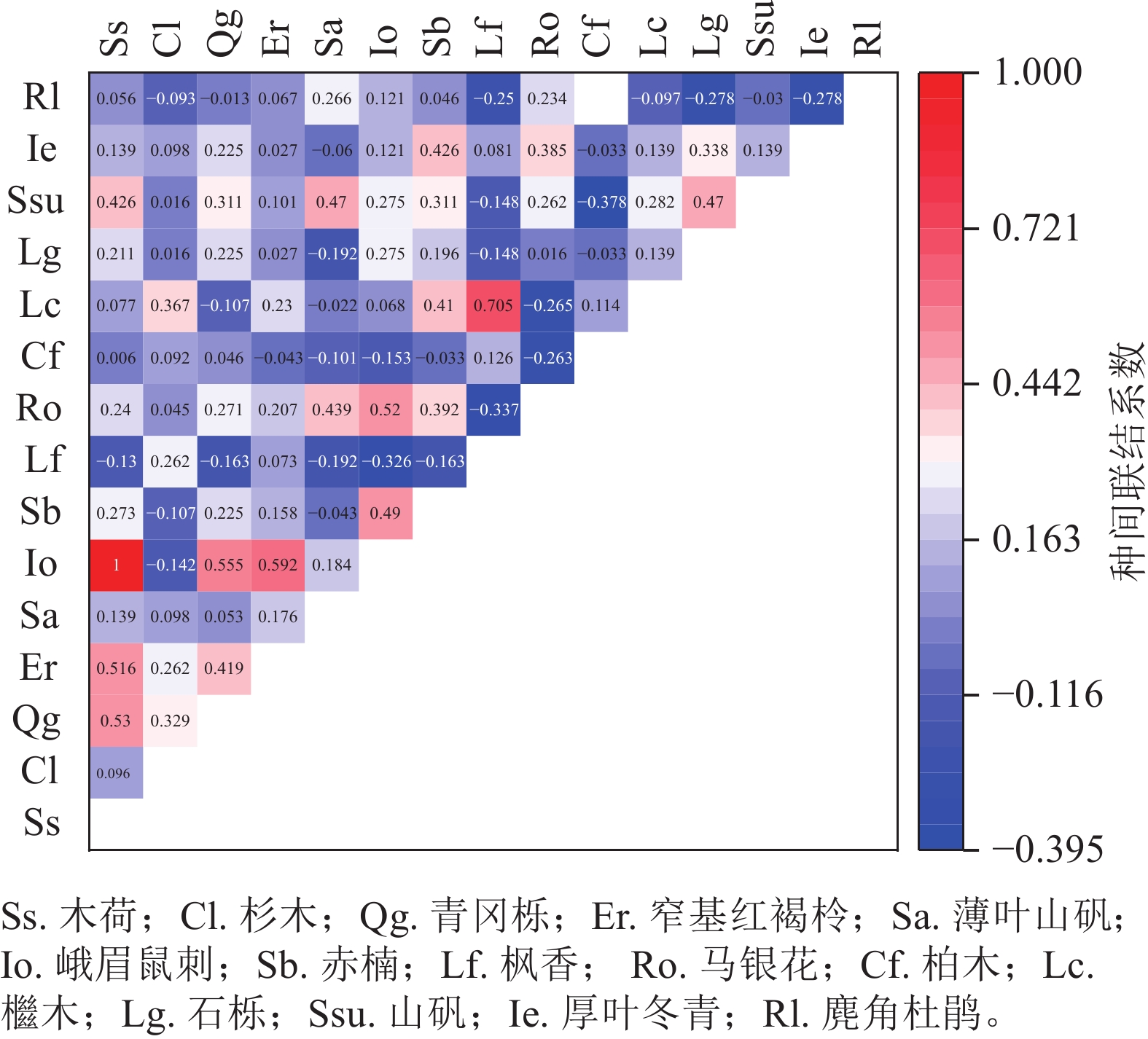
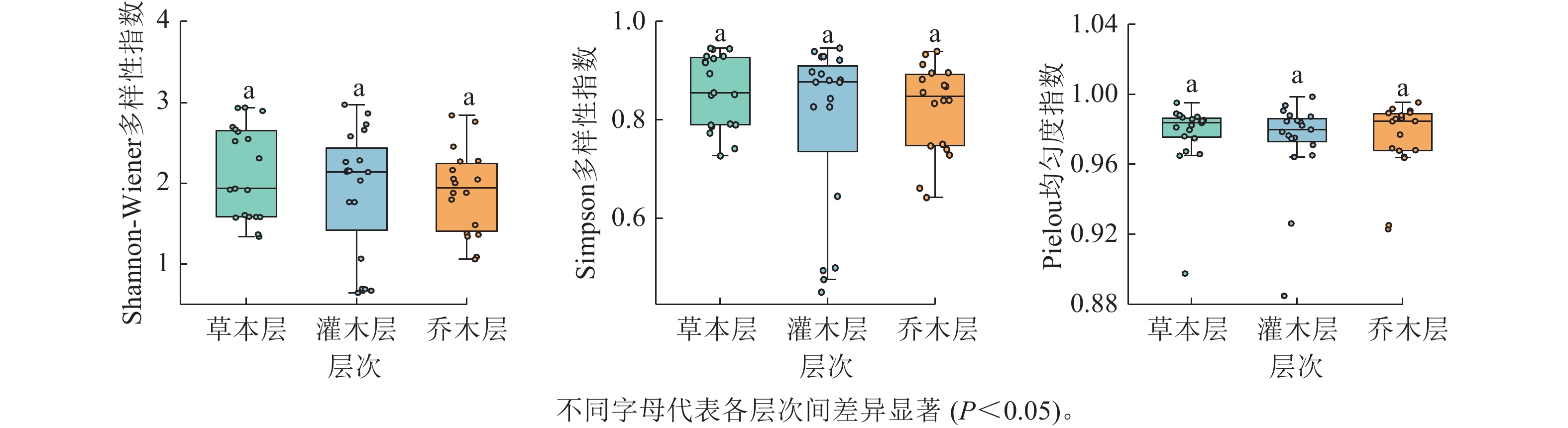
Objective The study aims to reveal the community structure characteristics and succession status of evergreen broad-leaved forests in Southeastern Zhejiang, and provide a basis for biodiversity conservation and forest management. Method In the mountainous forest vegetation area of Taizhou, 31 fixed plots of 400 m2 were established. Tree species, diameter at breast height, and tree height were surveyed. Parameters such as community diversity indices, diameter class structure, niche, and interspecific associations were calculated. Result A total of 128 tree species belonging to 88 genera and 47 families were recorded. Schima superba was the constructive species (importance value 14.83%), followed by Cunninghamia lanceolata, Quercus glauca, and Eurya rubiginosa. Based on community species composition and structural characteristics, the communities were classified into evergreen-deciduous broad-leaved mixed forest, evergreen broad-leaved forest, and coniferous-broadleaved mixed forest. Margalef richness, Simpson dominance, and Shannon-Wiener diversity indices showed no significant differences among communities. Pielou evenness was highest in evergreen-deciduous broad-leaved mixed forest and lowest in evergreen broad-leaved forest, with a significant difference (P<0.05). The diameter class structure generally exhibited a reverse “J” shape. The Levins niche breadth of 15 dominant tree species ranged from 2.97 to 12.62, with an average niche overlap index of 0.26. Interspecific relationships were mainly positive. Conclusion The forest communities in the Taizhou area of Southeastern Zhejiang take S. superba as the constructive species, with the families Fagaceae, Ericaceae, and Theaceae being the dominant taxa. The diameter-class structure of the communities exhibits an inverse “J” distribution pattern, indicating favorable natural regeneration of the communities. The interspecific niche overlap is relatively low, and the interspecific relationships are dominated by positive associations, suggesting that the overall structure of the communities tends to be stable. [Ch, 5 fig. 3 tab. 40 ref.]
2026, 43(5): 1025-1035.
doi: 10.11833/j.issn.2095-0756.20250611
Abstract:
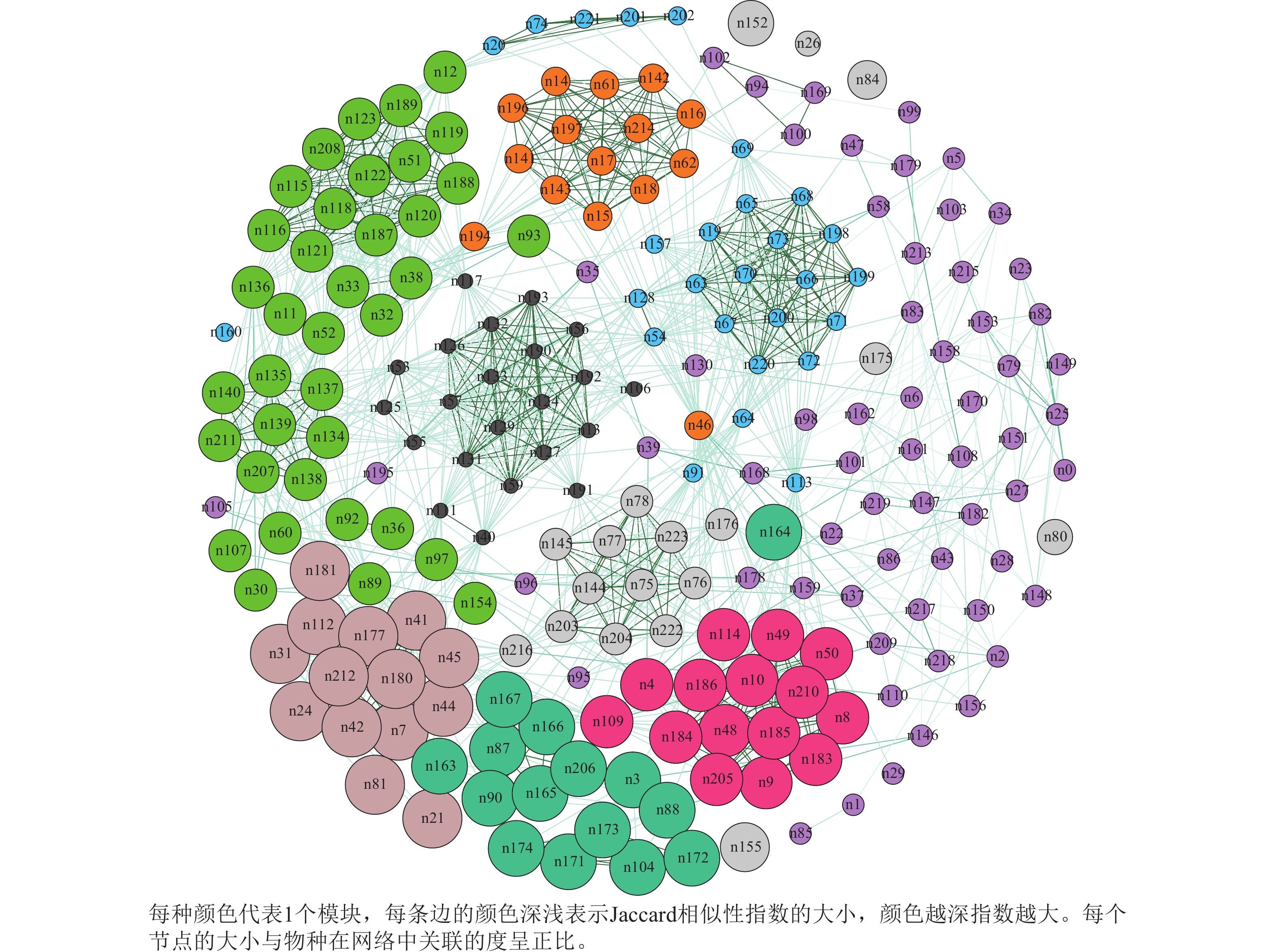
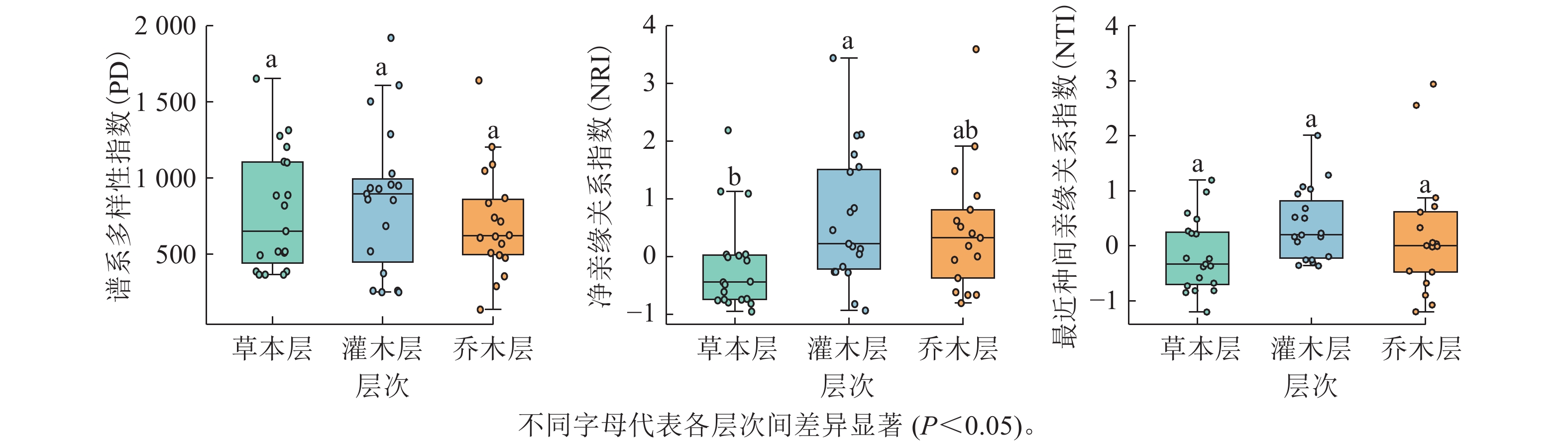
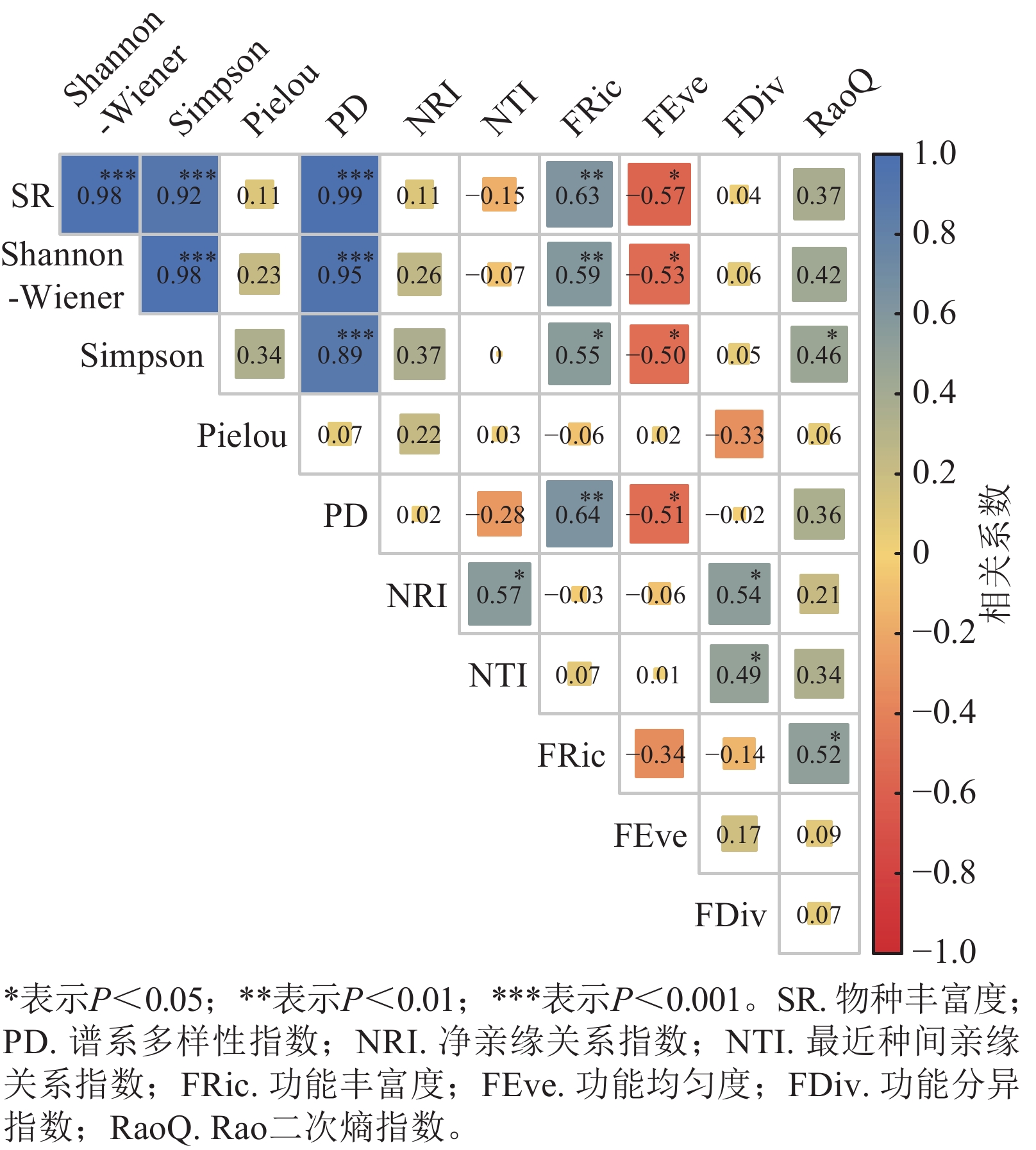
Objective To explore the natural community structure and species diversity characteristics of Platycrater arguta (Hydrangeaceae), an endangered shrub endemic to East Asia, providing a basis for formulating scientific conservation strategies within protected areas. Method Community surveys were conducted using the quadrat method. 19 representative quadrats were established within the candidate area of Qianjiangyuan-Baishanzu National Park Baishanzu area in Zhejiang Province (Baishanzu National Park). Result (1) A total of 224 vascular plant species (including varieties and forms), belonging to 162 genera and 89 families, were recorded across 19 quadrats. P. arguta exhibited high importance values and was dominant in 8 quadrats. The floristic composition was dominated by temperate elements, exhibiting distinct East Asian characteristics. (2) Species were evenly distributed across all community layers, indicating a transitional successional stage subject to strong environmental disturbance. (3) P. arguta showed the most significant ecological co-occurrence relationship with the herb Trichophorum subcapitatum, indicating similar habitat preferences. (4) Phylogenetic structure analysis revealed that the entire community, the tree and shrub layers, were phylogenetically clustered, while the herb layer was phylogenetically overdispersed. (5) Community functional richness varied significantly, and phylogenetic signals for major functional traits were generally weak. (6) Species α-diversity was significantly positively correlated with both phylogenetic diversity and functional richness, but the correlation between phylogenetic structure and functional diversity was weak. Conclusion Baishanzu National Park harbours P. arguta natural communities with high vascular plant diversity of temperate affinity. Currently in transitional successional stages, these communities show weak phylogenetic clustering that varies among strata. Environmental heterogeneity rather than phylogenetic history shapes functional traits. P. arguta preferentially associates with shade-tolerant, hygrophilous species, necessitating coordinated conservation of these key associates and their habitats. Multi-dimensional diversity metrics should be adopted for monitoring instead of single indicators. [Ch, 4 fig. 2 tab. 57 ref.]
2026, 43(5): 1036-1049.
doi: 10.11833/j.issn.2095-0756.20260119
Abstract:
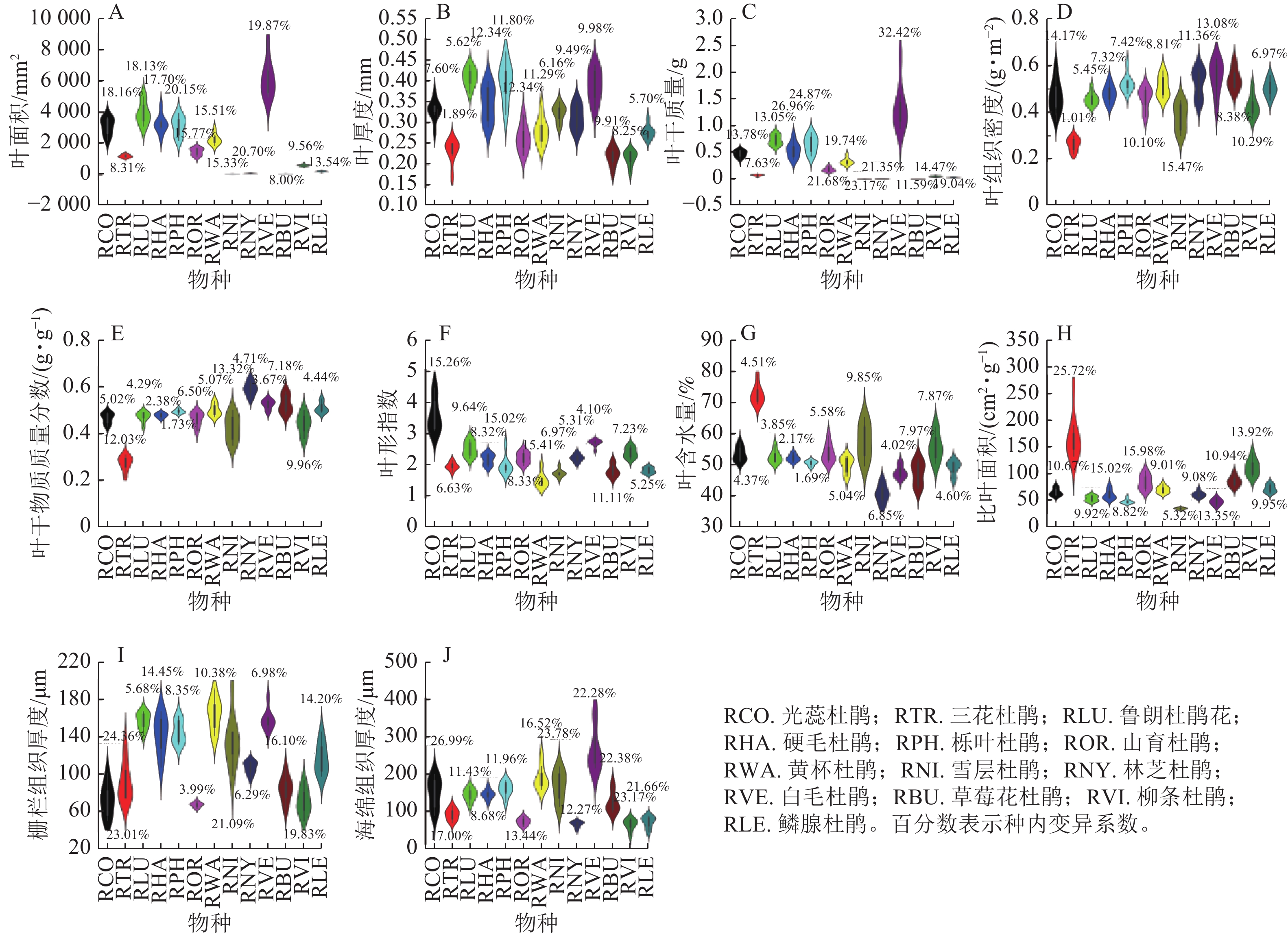
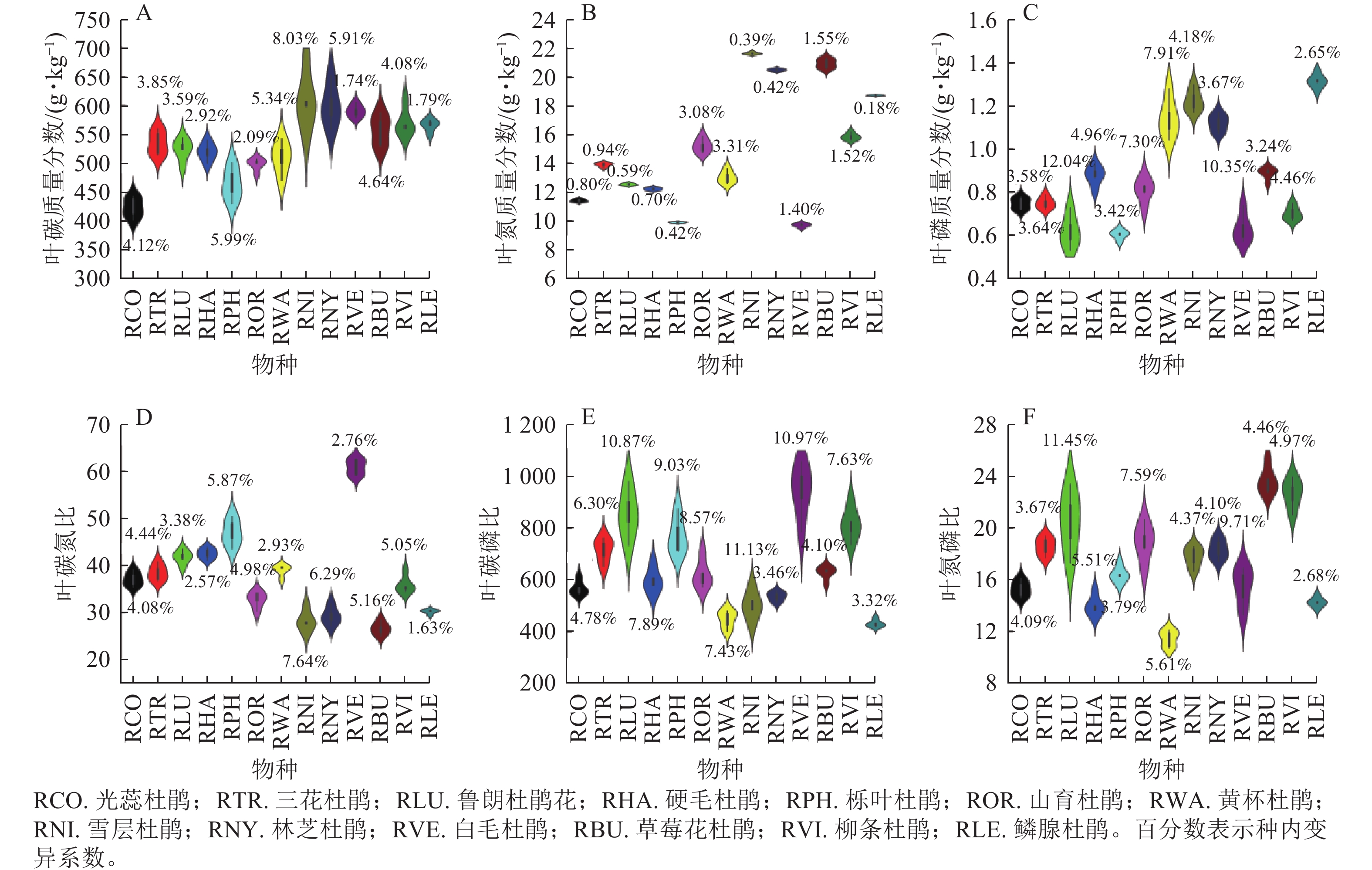
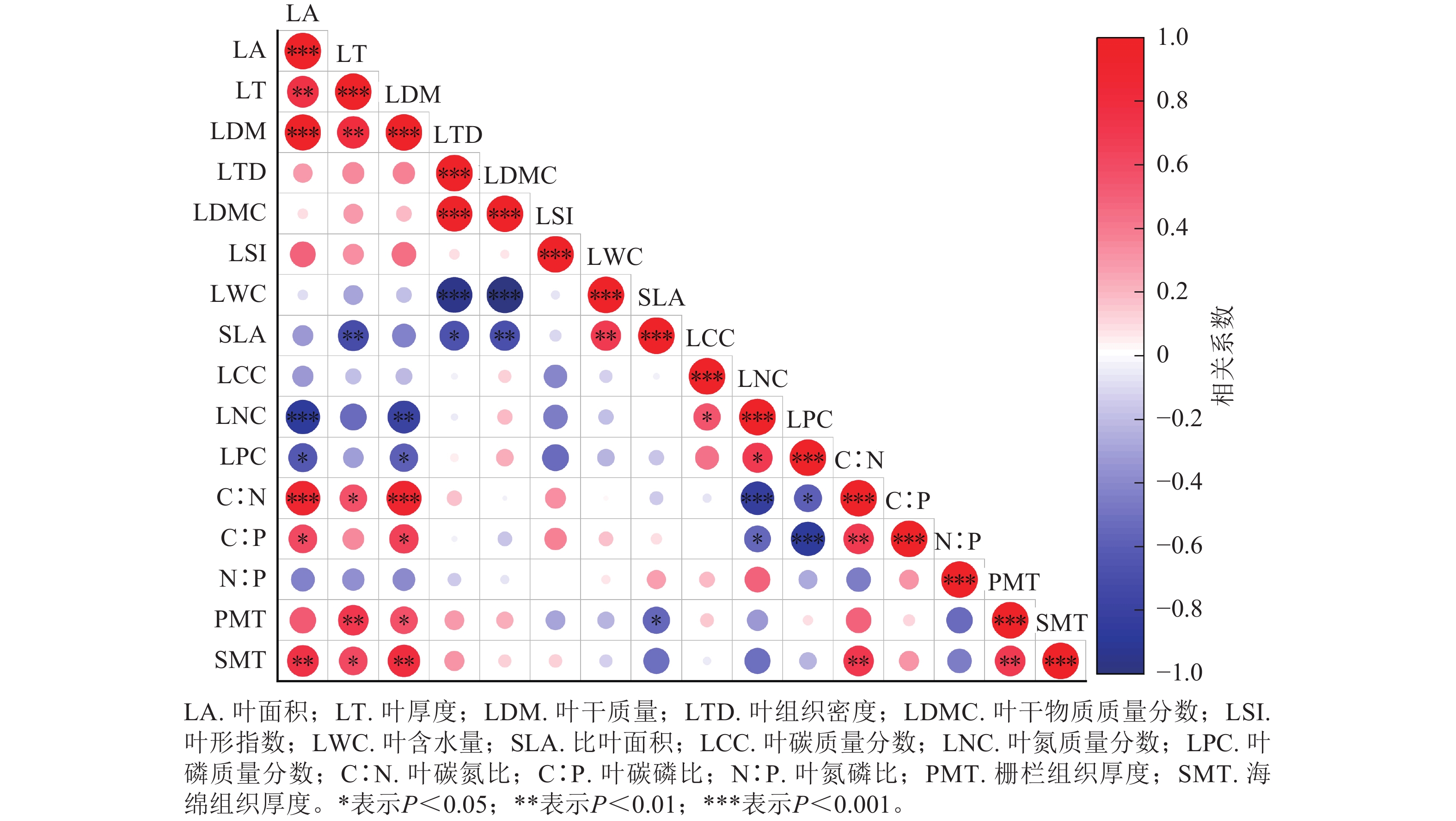
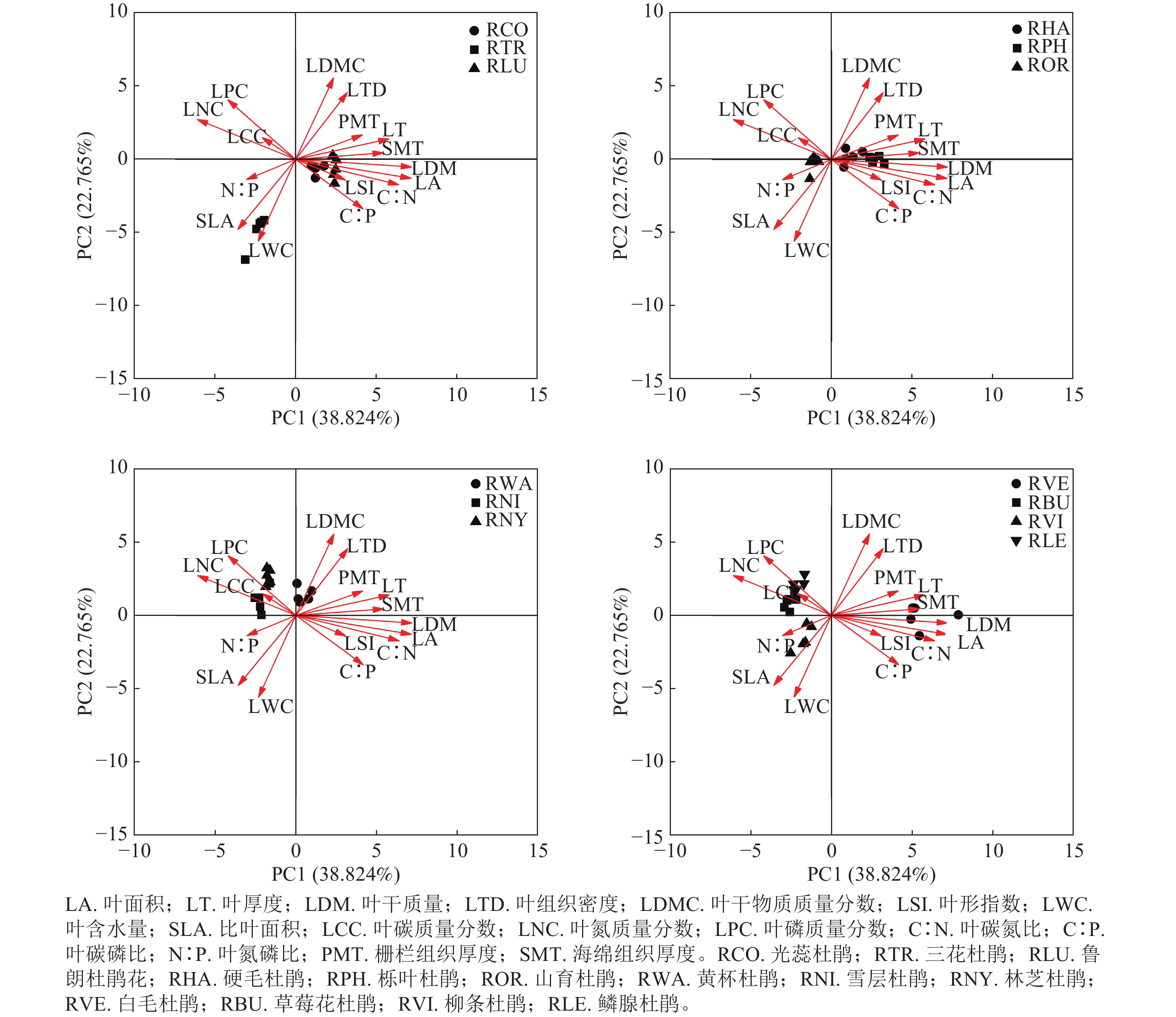
Objective This study aims to investigate the leaf functional traits and the combination characteristics of Rhododendron in Shergyla Mountain, and systematically analyze ecological strategy differences among the species in this region, so as to provide a theoretical basis for the conservation and management of biodiversity in alpine mountainous regions. Method 13 Rhododendron species were selected as study subjects. 16 leaf functional traits, including leaf area, leaf thickness, and leaf dry matter content were measured. The coefficient of variation for each trait was calculated to investigate the characteristics and interrelationships of leaf functional traits, thereby constructing a leaf economic spectrum for Rhododendron species. Result The coefficient of variation for leaf functional traits of Rhododendron in Shergyla Mountain ranged from 10.67% to 120.29%. Among them, leaf dry weight and leaf area exhibited strong variation, while specific leaf area, spongy tissue thickness, palisade tissue thickness, leaf carbon nitrogen ratio, leaf nitrogen content, leaf phosphorus content, leaf shape index, leaf carbon phosphorus ratio, leaf thickness, and leaf nitrogen phosphorus ratio showed moderate variation. The remaining indicators demonstrated weak variation, and the inter-species coefficient of variation for leaf traits in Rhododendron plants was generally higher than intraspecific coefficient of variation. Rhododendron plants exhibited a trade-off between growth and defense capabilities, achieving a balance between plant survival, growth, and reproduction. R. oreotrephes, R. fragariiflorum, R. lepidotum, R. nivale, R. nyingchiense, R. virgatum and R. triflorum tended to adopt a “fast investment-return” strategy, while R. vellereum, R. lulangense, R. coryanum, R. hirtipes, R. phaeochrysum and R. wardii tended to adopt a “slow investment-return” strategy. Conclusion The Rhododendron genus has developed 2 distinct resource balancing strategies by adjusting leaf functional trait indicators, reflecting the resource balancing relationship between plant functional traits and the differentiation of ecological niches among different species. [Ch, 4 fig. 3 tab. 73 ref.]
2026, 43(5): 1050-1062.
doi: 10.11833/j.issn.2095-0756.20260132
Abstract:
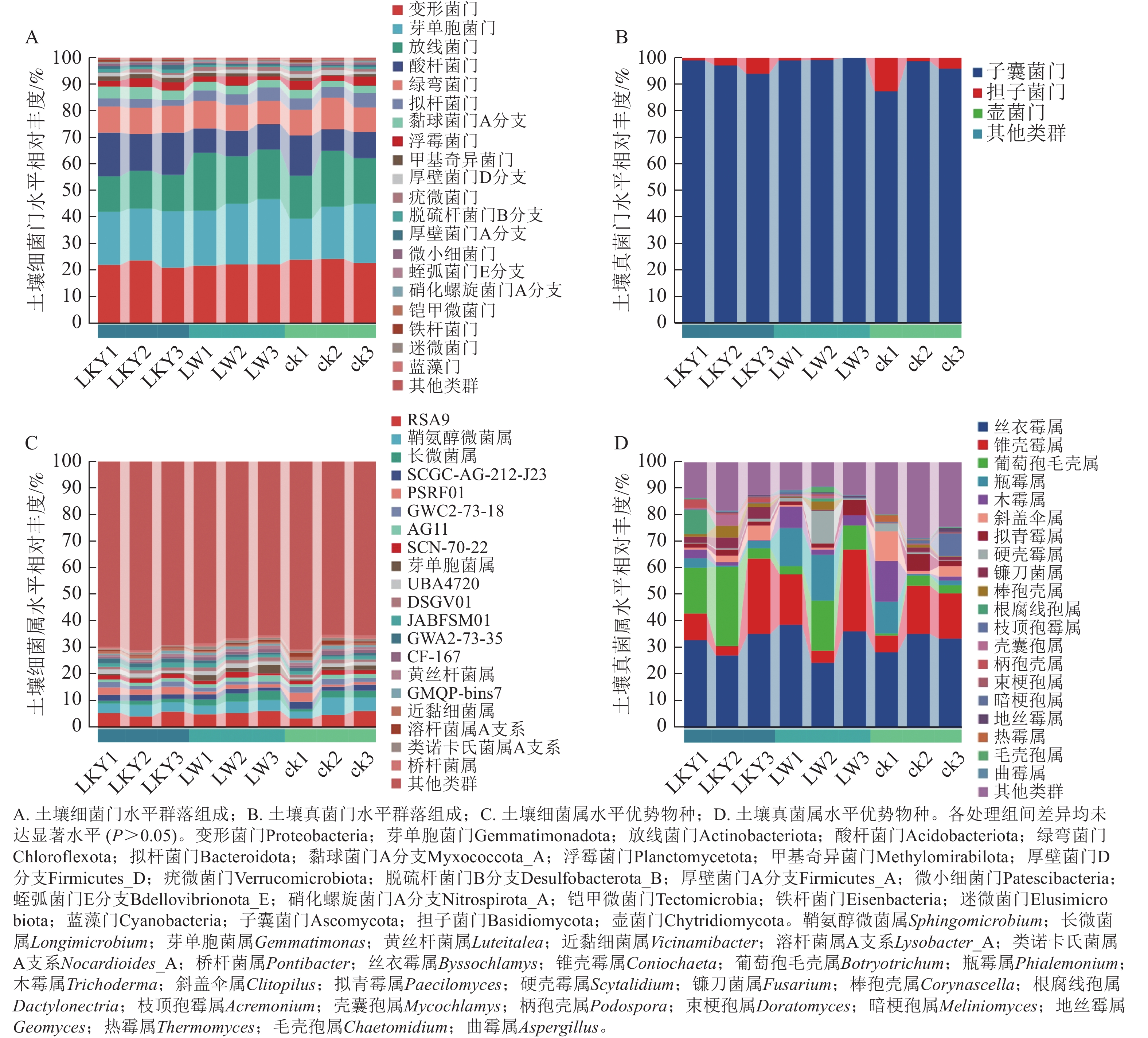
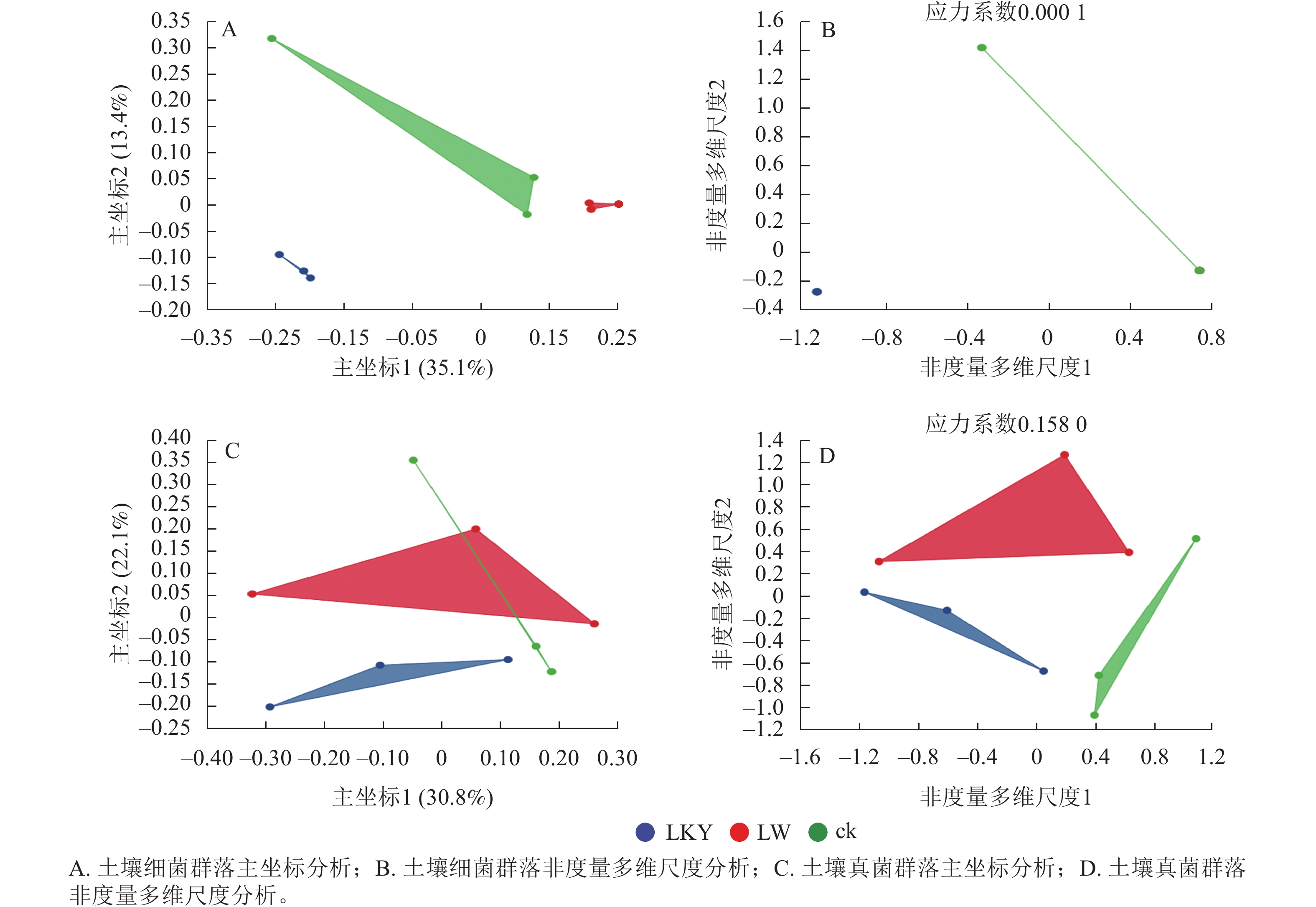
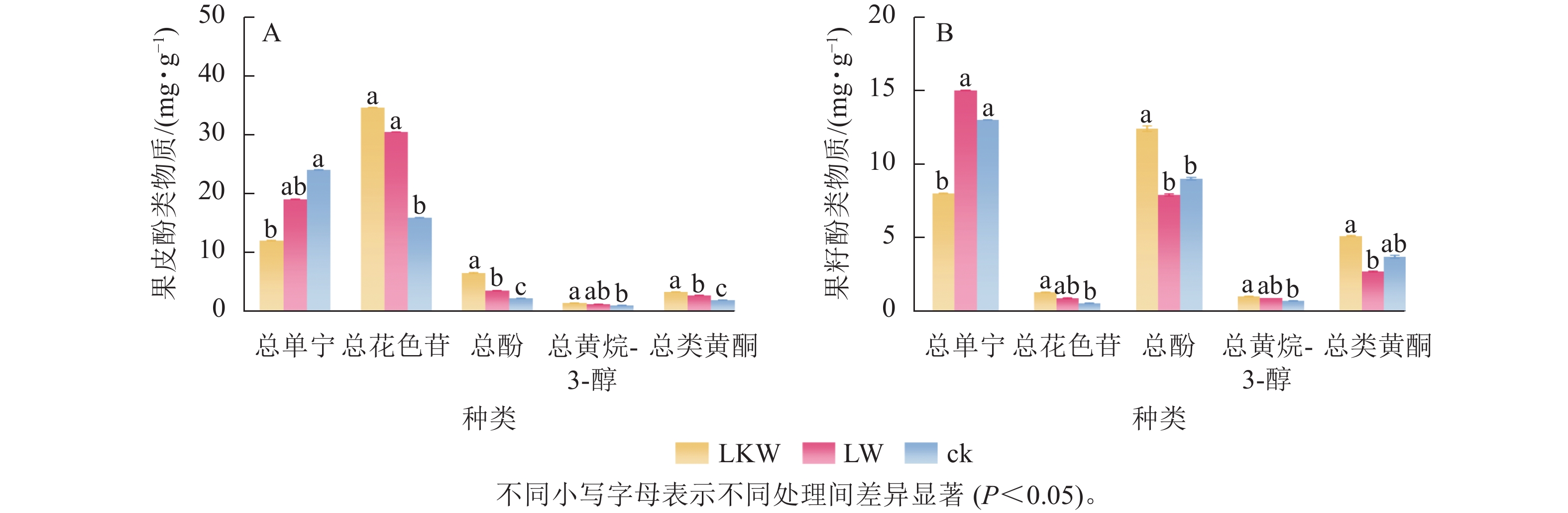
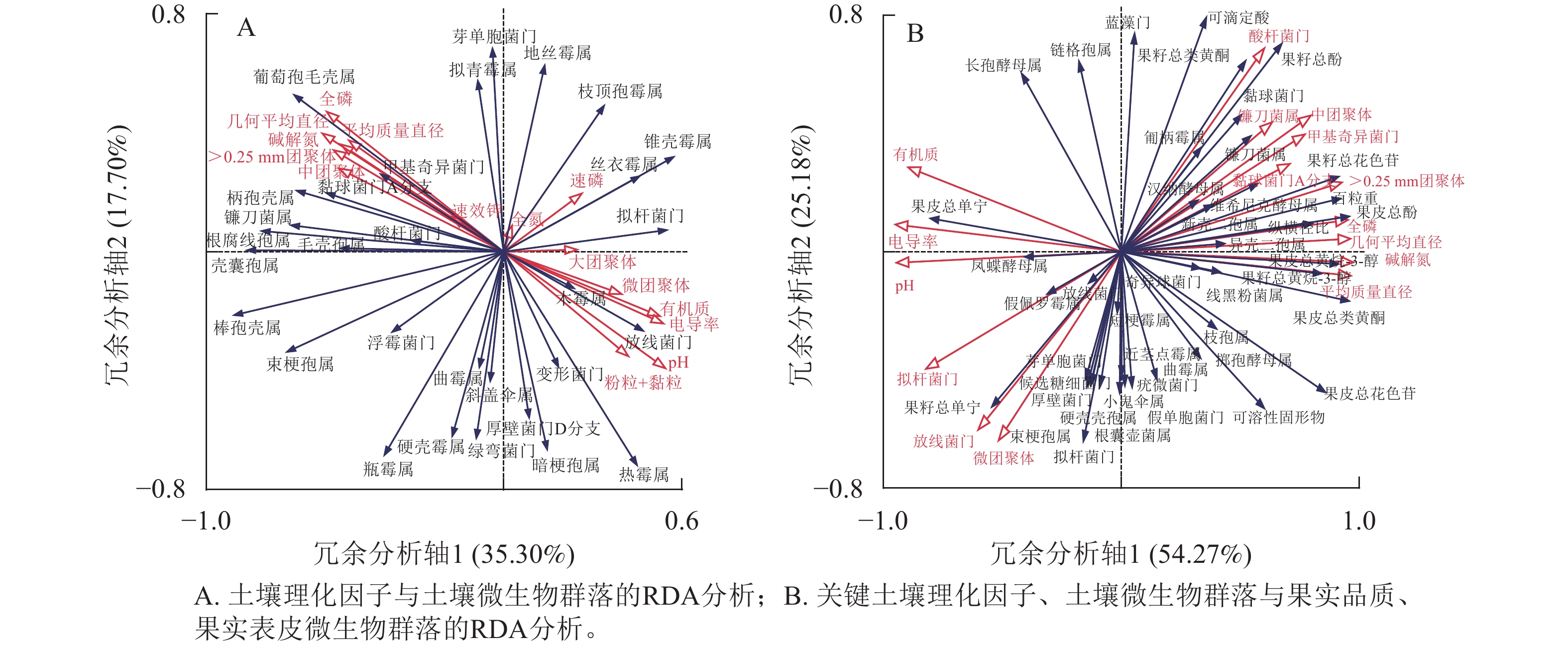
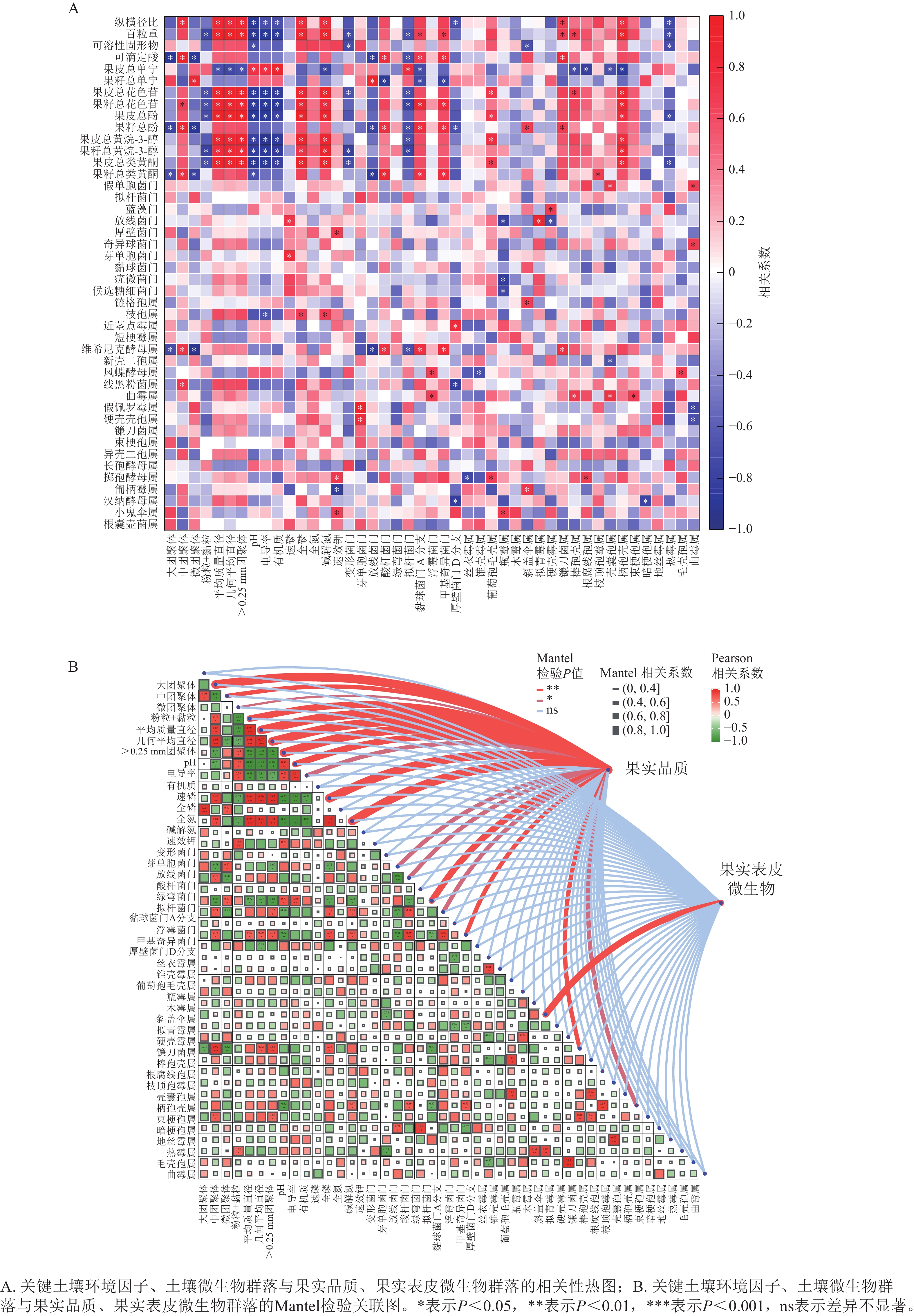
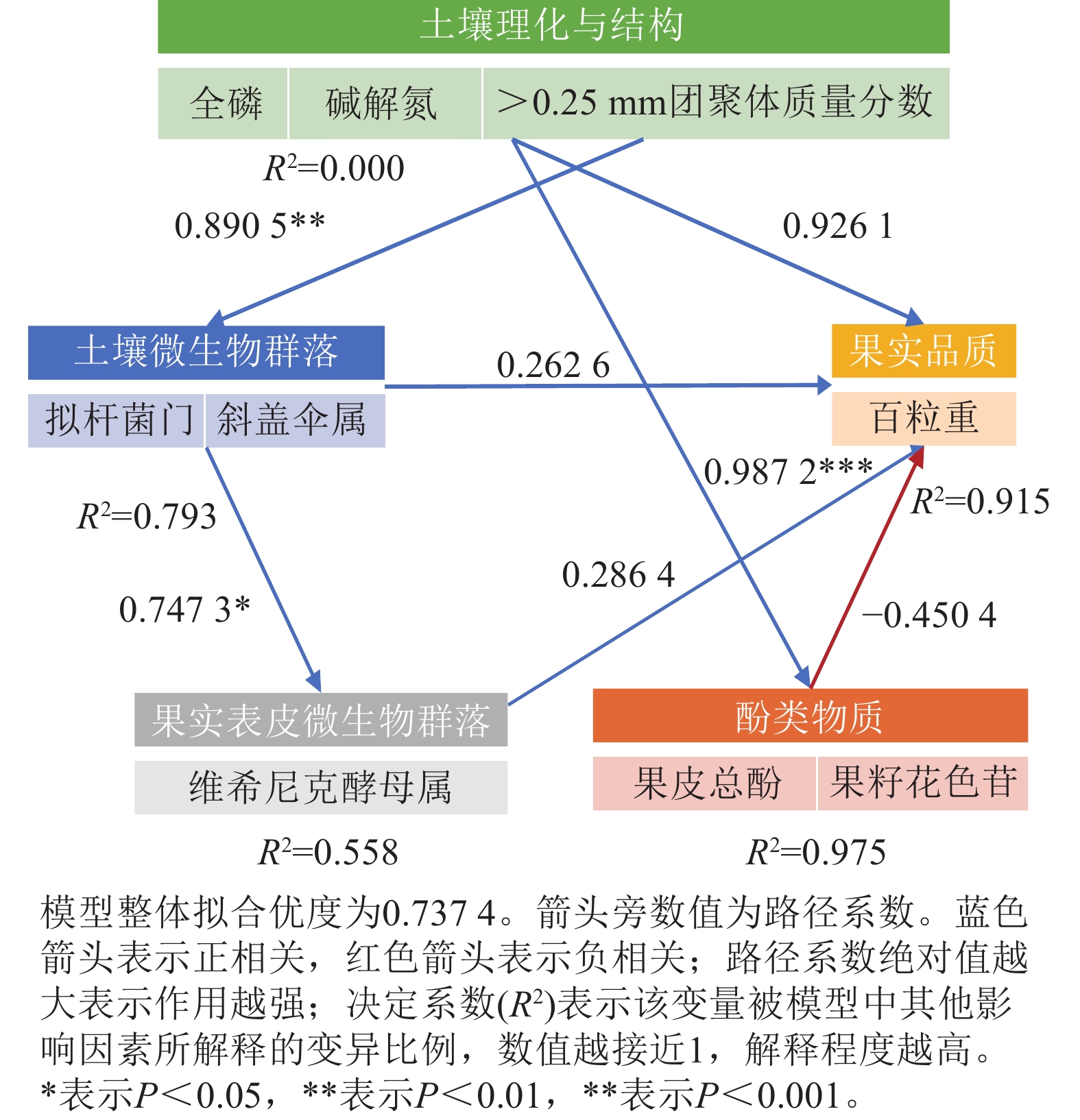
Objective This study aims to evaluate the effects of 2 organic amendments—mineral-source potassium fulvate combined with a root-guard agent (LKY) and a microbial inoculant (LW)—on soil physicochemical properties, microbial community structure, and grape fruit quality in arid regions, so as to provide data support for selecting effective soil-improvement schemes in production areas. Method A field experiment was conducted in a Vitis vinifera ‘Cabernet Sauvignon’ vineyard in May 2024 using a randomized block design, with 3 treatments: LKY, LW, and a control with no organic amendment (ck). Soil physicochemical indicators and aggregate characteristics in the vineyard at different periods were analyzed and determined. High-throughput sequencing was employed to analyze the microbial community structure of soil and fruit skin. Fruit quality, phenolic substances, and yield were also measured. Result (1) LKY treatment significantly reduced soil pH and increased the content of available nutrients, especially available nitrogen (P<0.05), while LW treatment enhanced soil organic matter and total nitrogen. (2) LKY treatment significantly increased the proportion and stability of medium-sized soil aggregates (P<0.05), while LW treatment primarily increased the proportion of large aggregates. (3) Both amendments significantly affected soil bacterial community structure (P<0.05). (4) The titratable acidity, hundred-seed weight, total phenols in the peel and seeds, total flavonoids in the peel and seeds, and yield under LKY treatment were significantly higher than those under LW and ck treatments (P<0.05). (5) Spearman correlation and Mantel test analysis showed that soil total phosphorus, aggregates larger than 0.25 mm, and soil pH were key factors affecting soil bacterial community structure and fruit quality. Conclusion Both LKY and LW treatments can improve fruit quality by modifying soil physicochemical properties and optimizing the structure of soil bacterial communities. Among them, LKY treatment achieves a comprehensive improvement in yield, flavor, and functional components by regulating soil pH and increasing soil available nutrients. [Ch, 7 fig. 5 tab. 32 ref.]
2026, 43(5): 1063-1074.
doi: 10.11833/j.issn.2095-0756.20250527
Abstract:
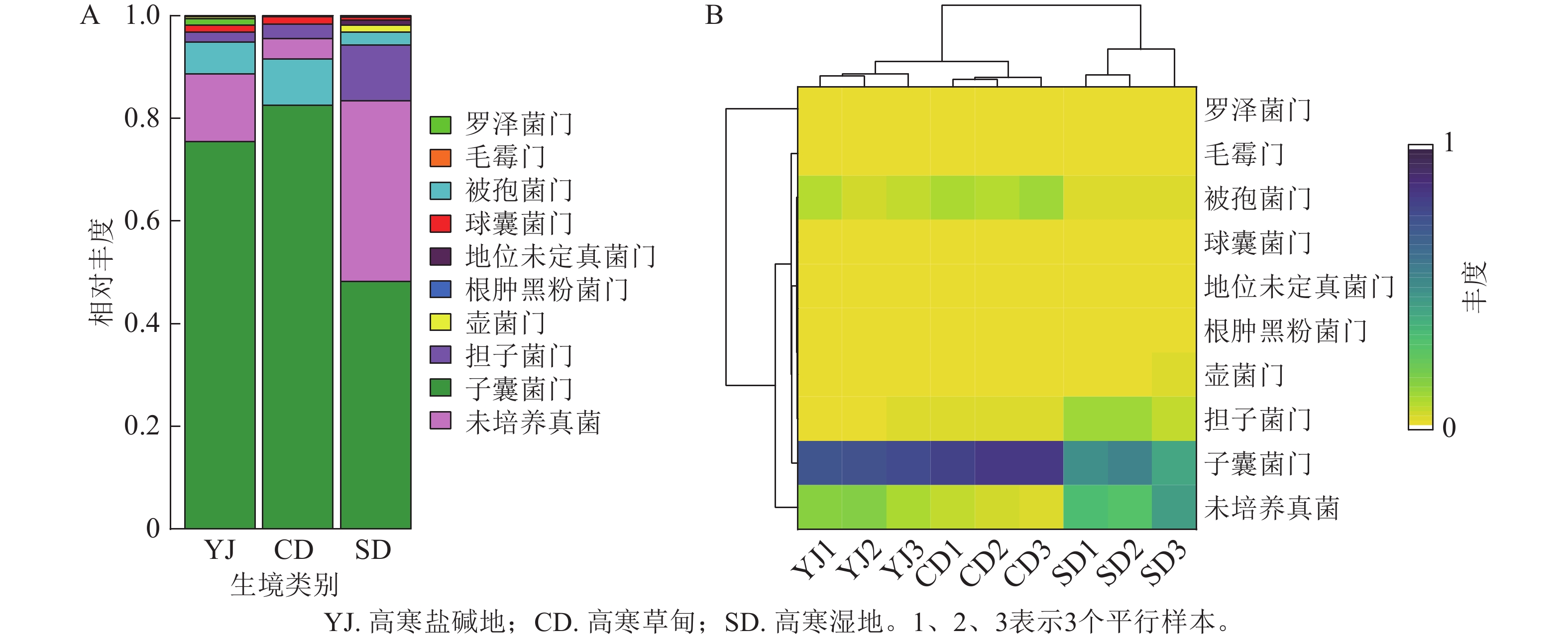
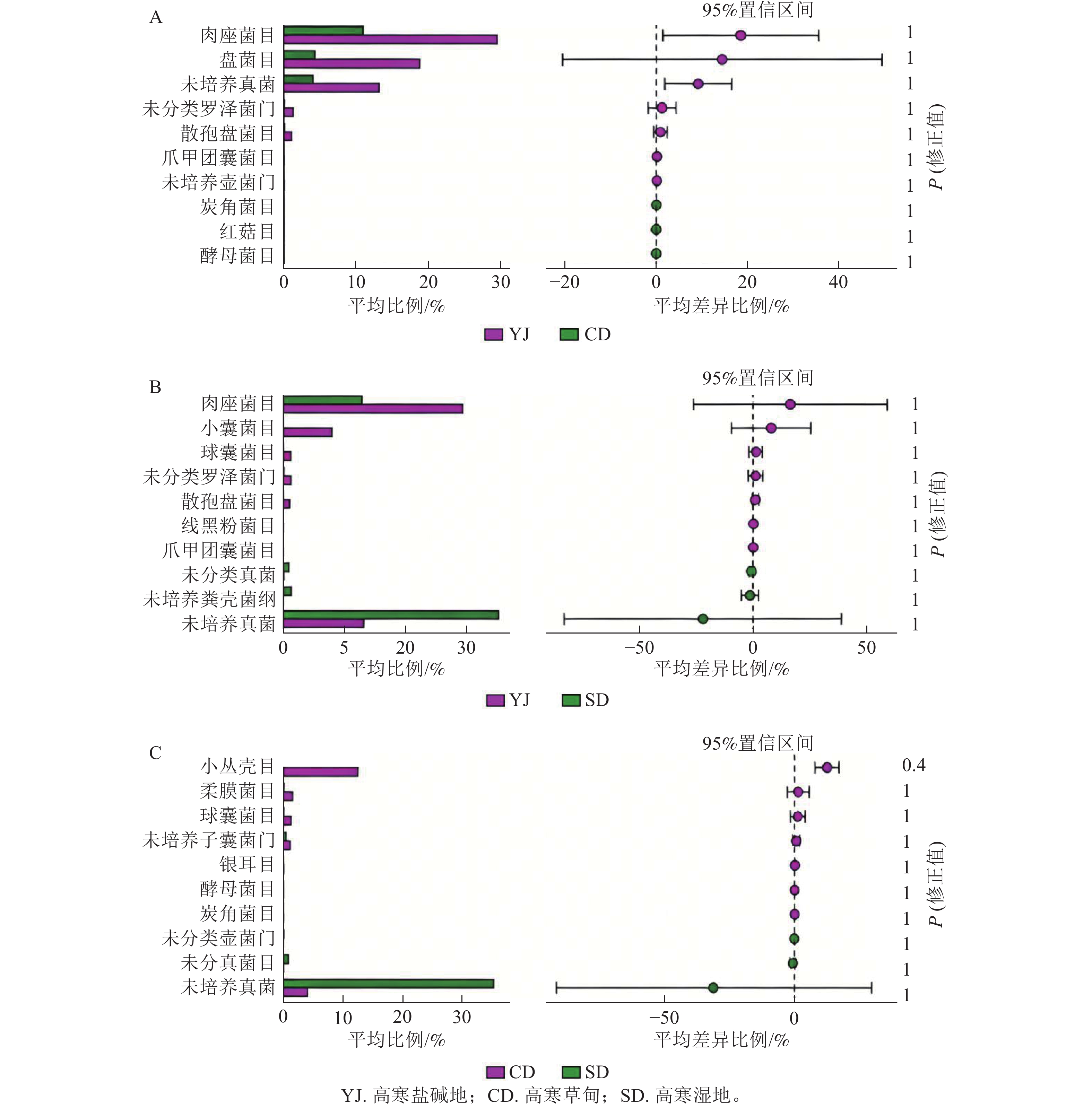
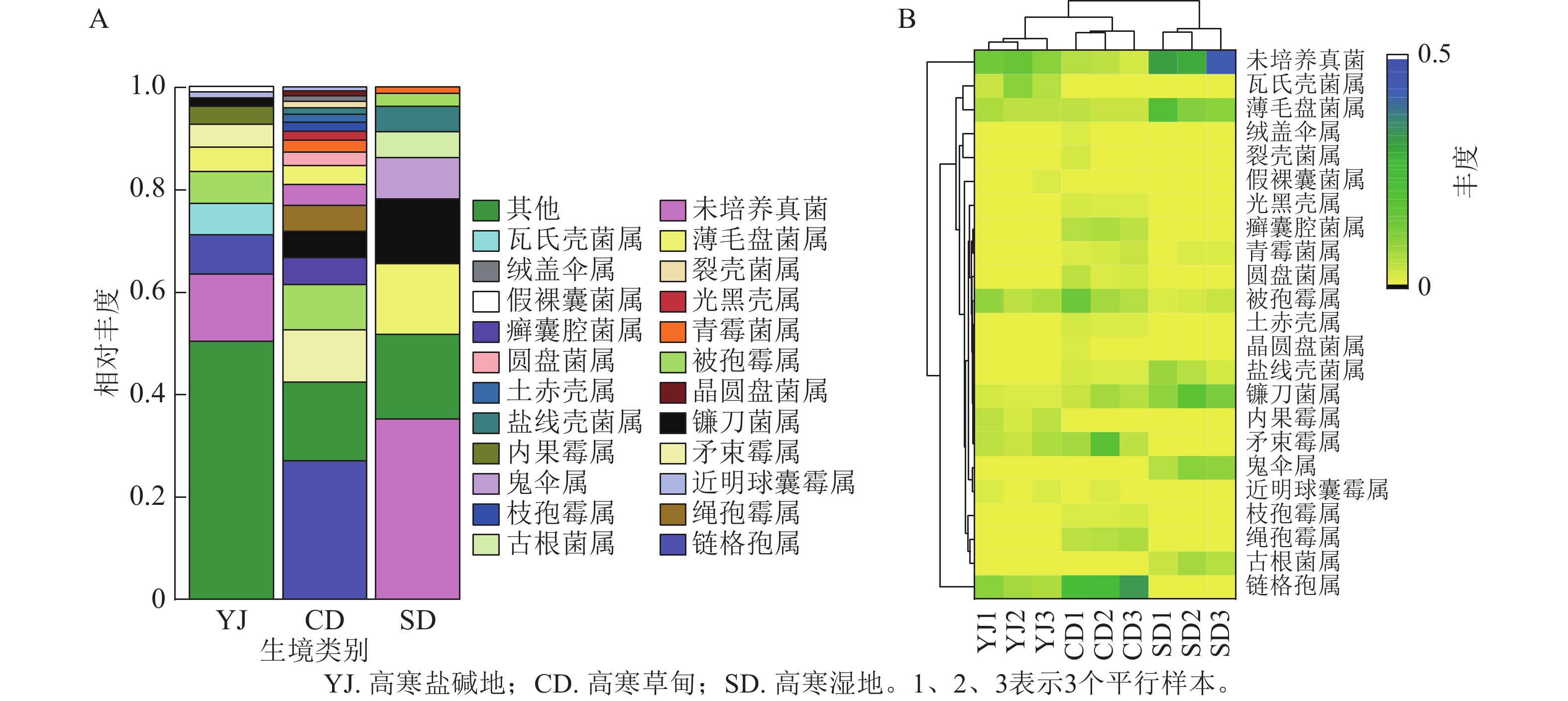
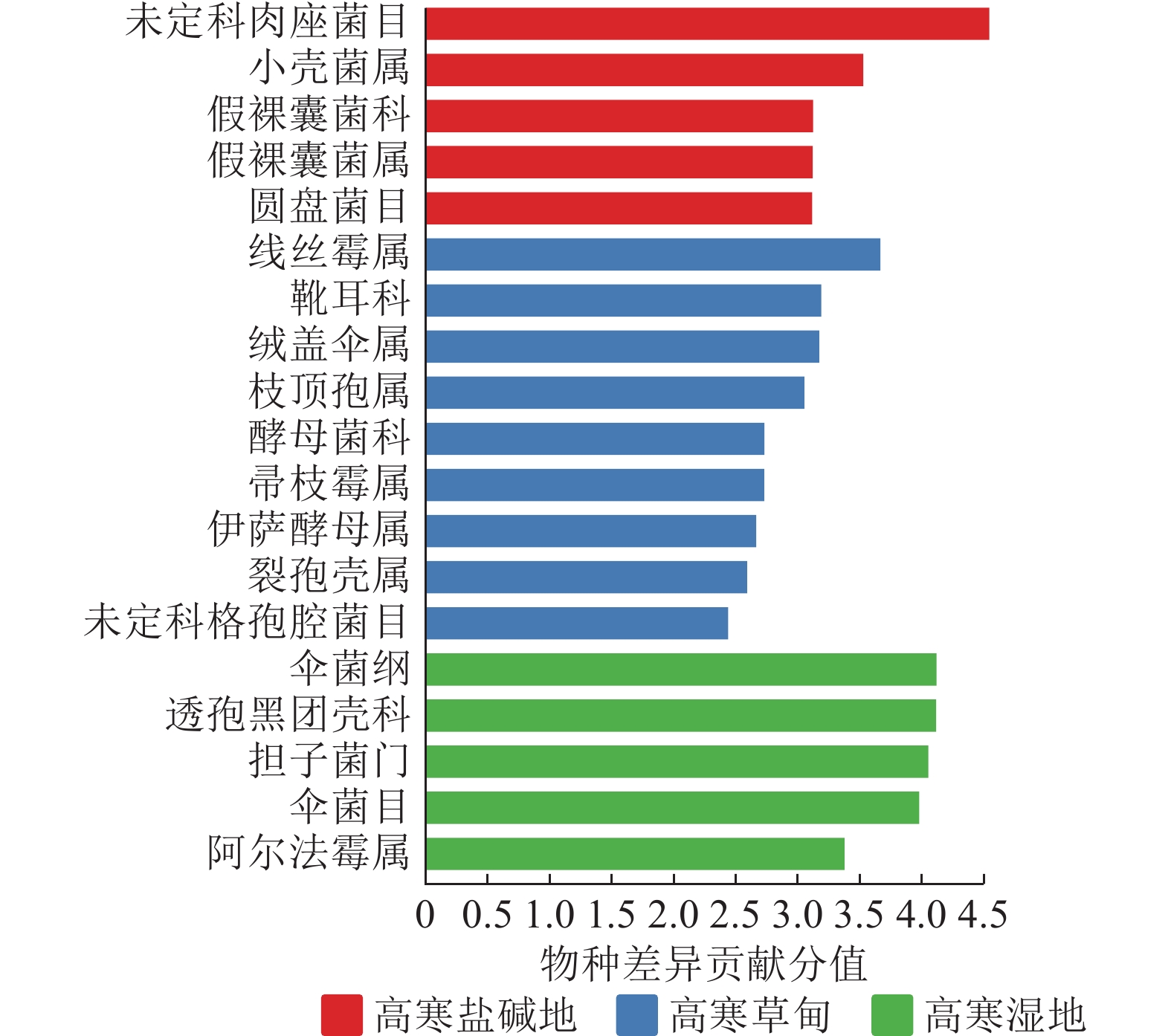
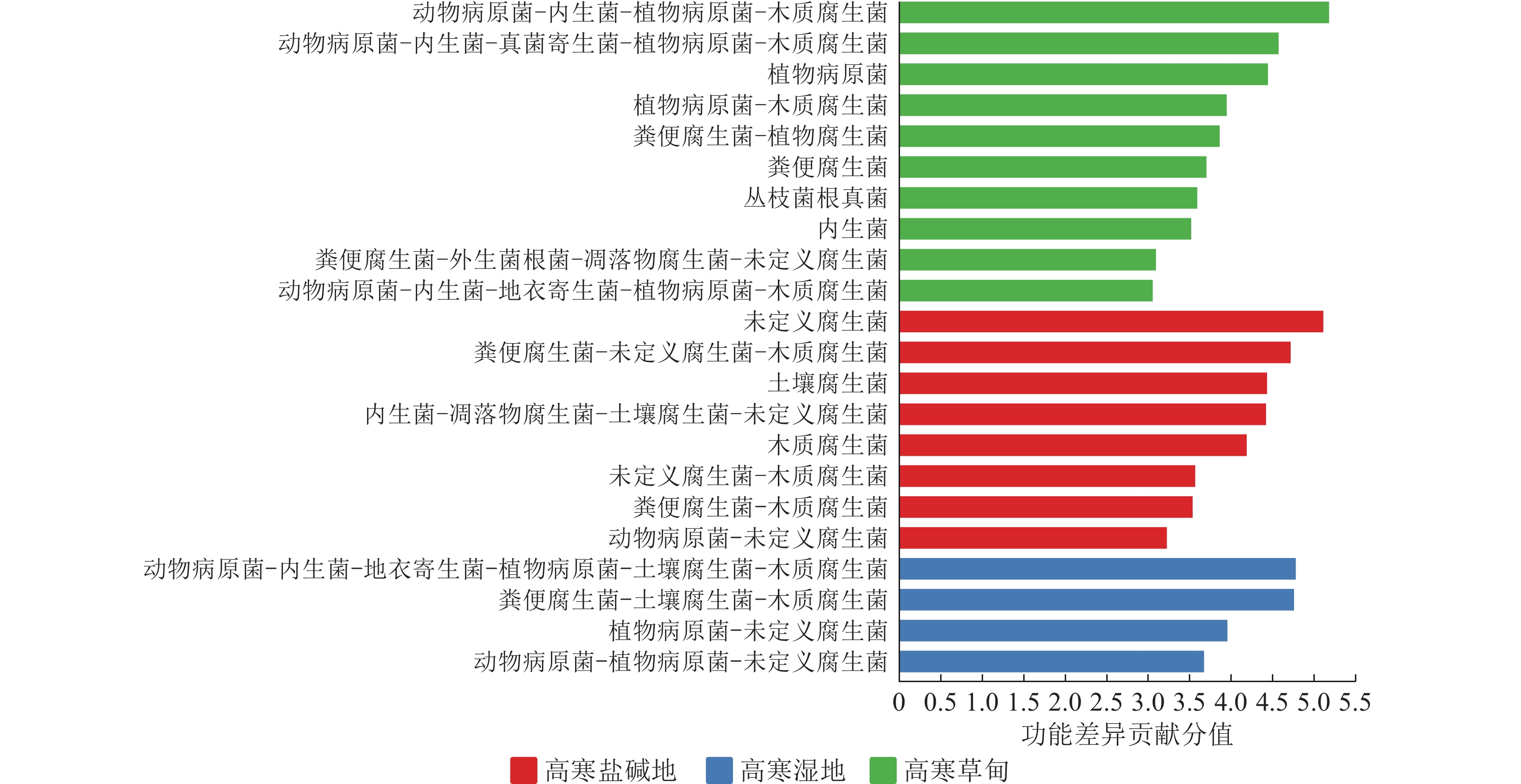
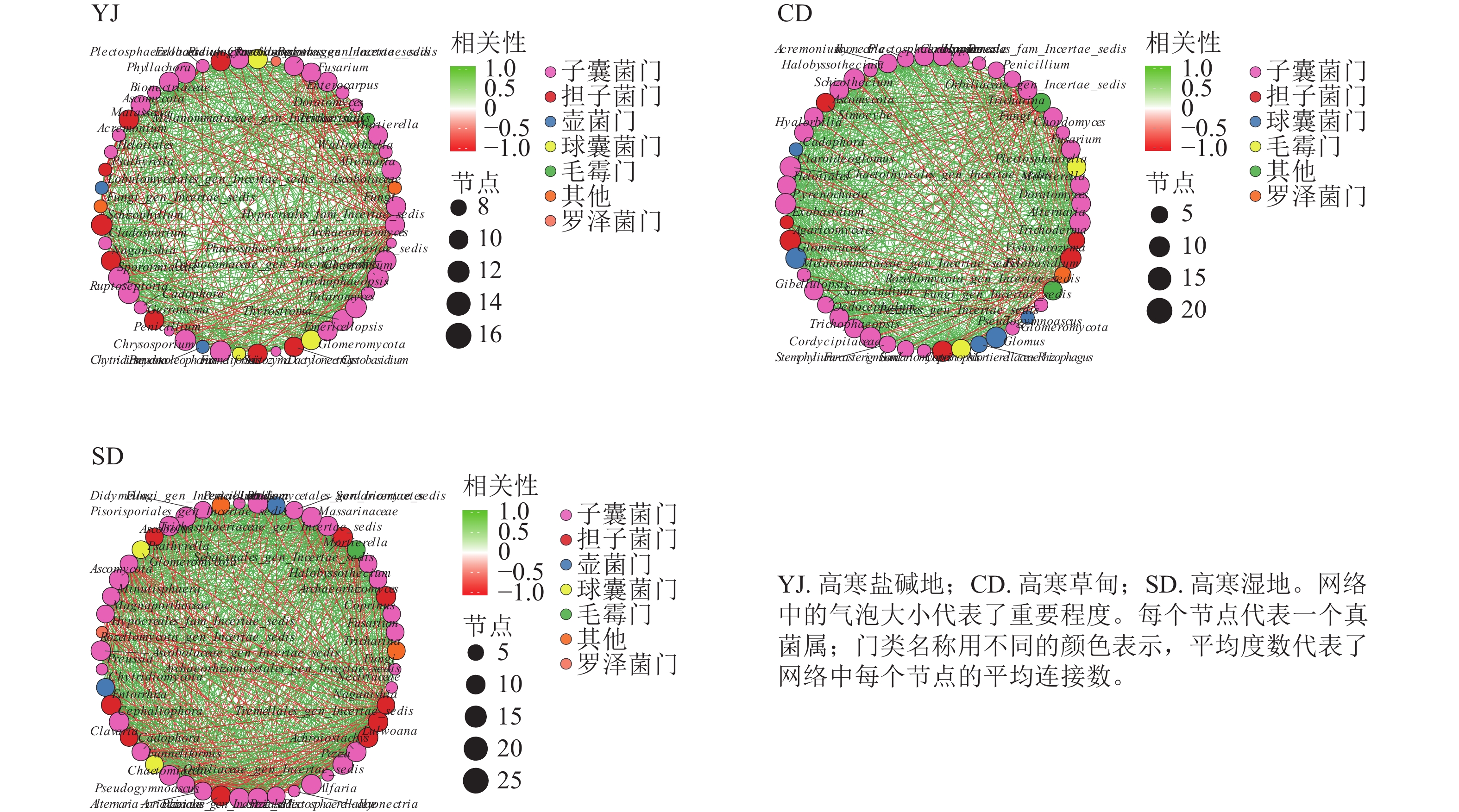
Objective To explore the soil fungal community composition under different habitats in the Eastern Pamir Plateau, so as to provide a basis for the conservation of plateau ecosystems. Method 3 habitats, including alpine saline-alkali soil, alpine meadow, and alpine wetland were selected, and Illumina NovaSeq high-throughput sequencing was used to analyze the community structure of soil fungi. Result A total of 10 phyla, 30 classes, 58 orders, 125 families, 180 genera, and 227 species were detected. The fungal community abundance of alpine wetland and alpine meadow was significantly higher than that of alpine saline-alkali soil (P<0.05). In contrast, the fungal diversity of alpine saline-alkali soil and alpine meadow was significantly higher than that of alpine wetland (P<0.05). Ascomycota was the dominant phylum across the 3 habitats, while the dominant genera differed. The dominant genera were Alternaria and Mortierella in alpine saline-alkali soil, Alternaria and Doratomyces in alpine meadow, and Fusarium and Tricharina in alpine wetland. Moreover, Tricharina was the common genus. The FunGuild database prediction indicated that saprotrophic trophic mode dominated in all 3 habitats. Alpine saline-alkali soil was mainly composed of primary saprotrophs, while alpine meadow belonged to the pathogen-endophyte composite type. Alpine wetland exhibited a highly diverse composite trophic pattern. The co-occurrence network density of communities was ranked in the order of alpine wetland, alpine meadow, and alpine saline-alkali soil. Conclusion Habitat types influenced the fungal community structure of alpine soil on the Eastern Pamir Plateau, with significant differences in fungal abundance, diversity, and dominant groups across different habitats. Ascomycota was the common dominant phylum across all habitats, and saprophytic fungi dominated in 3 habitats. [Ch, 6 fig. 1 tab. 52 ref.]
2026, 43(5): 1075-1083.
doi: 10.11833/j.issn.2095-0756.20250620
Abstract:
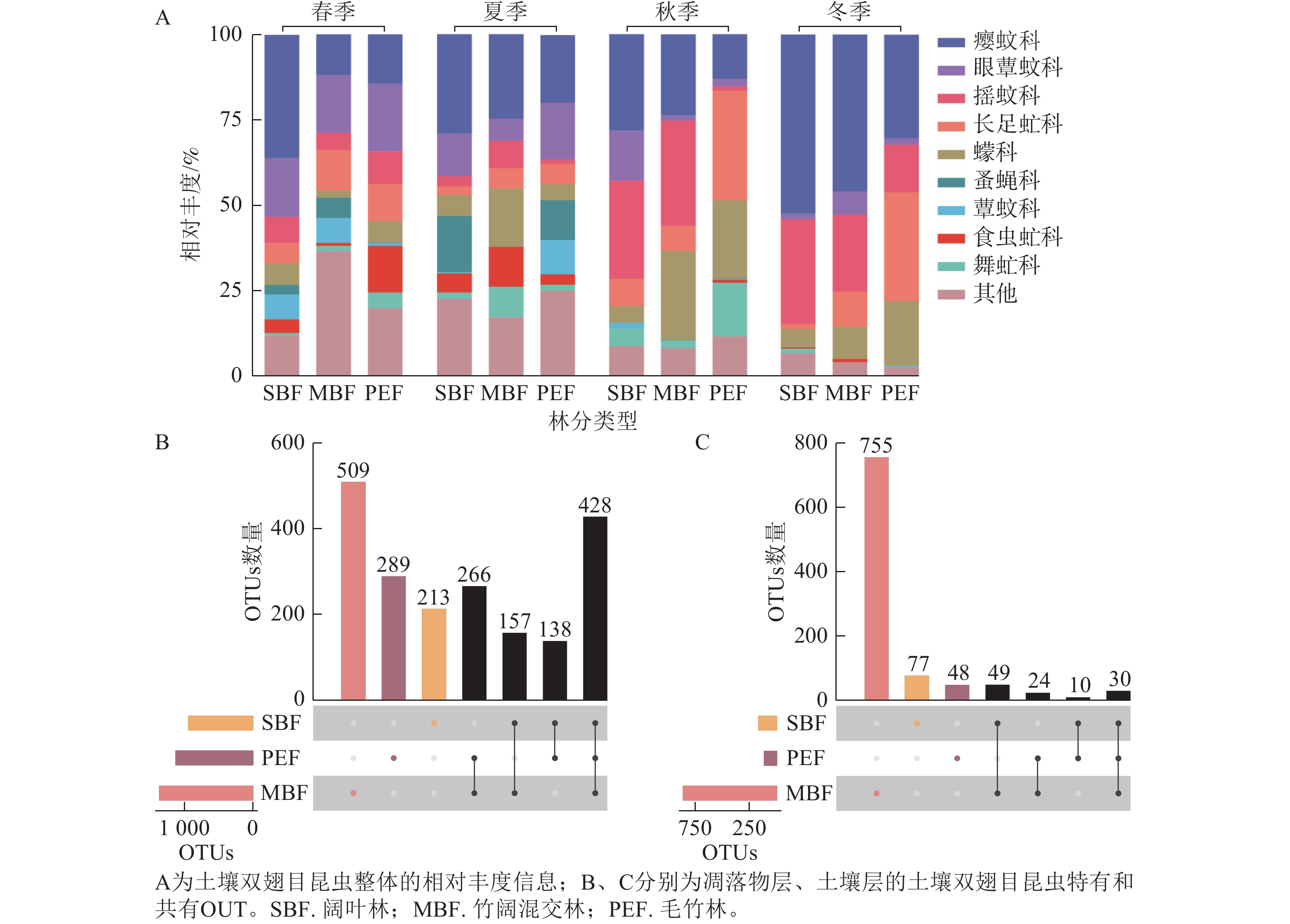
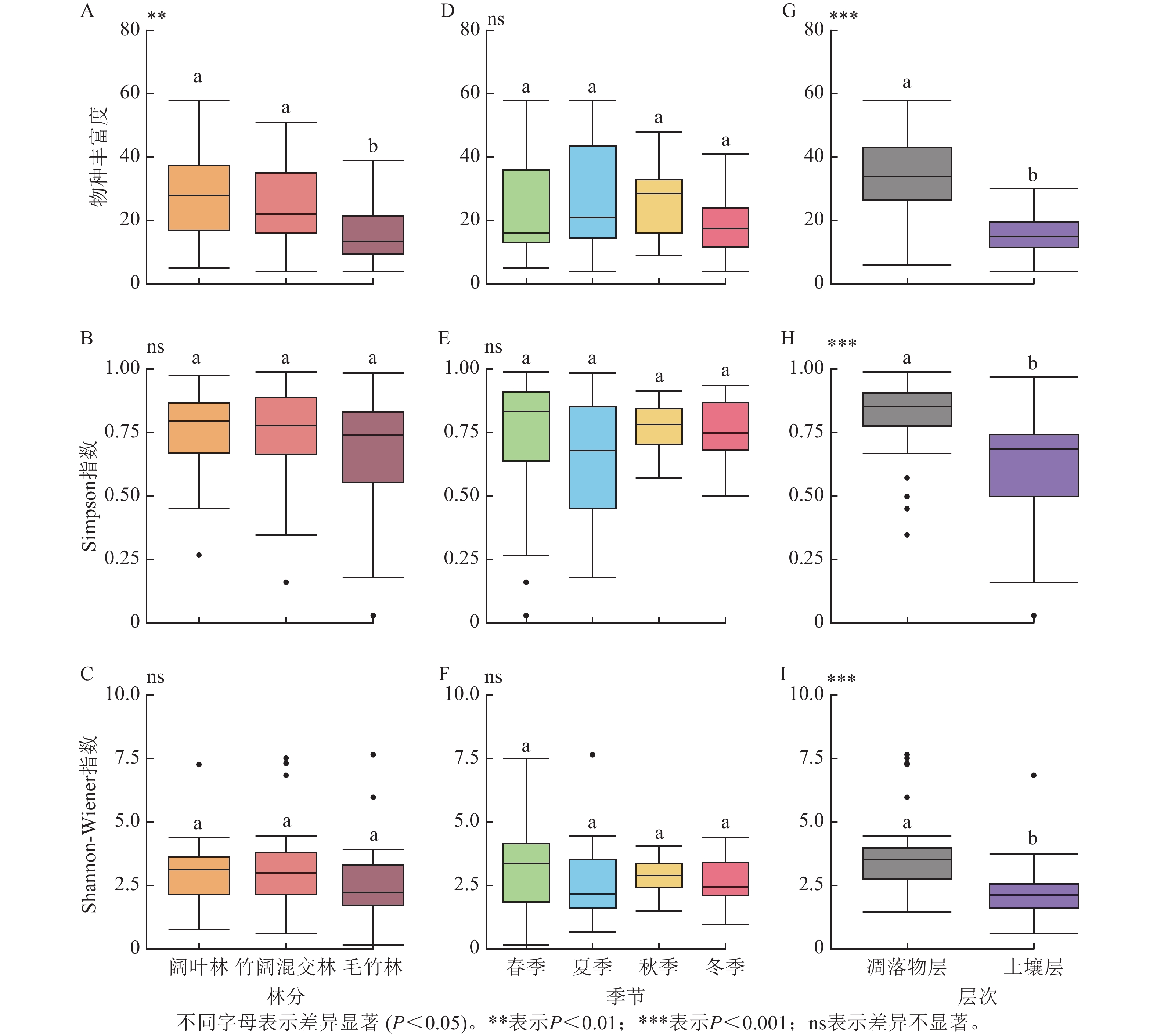
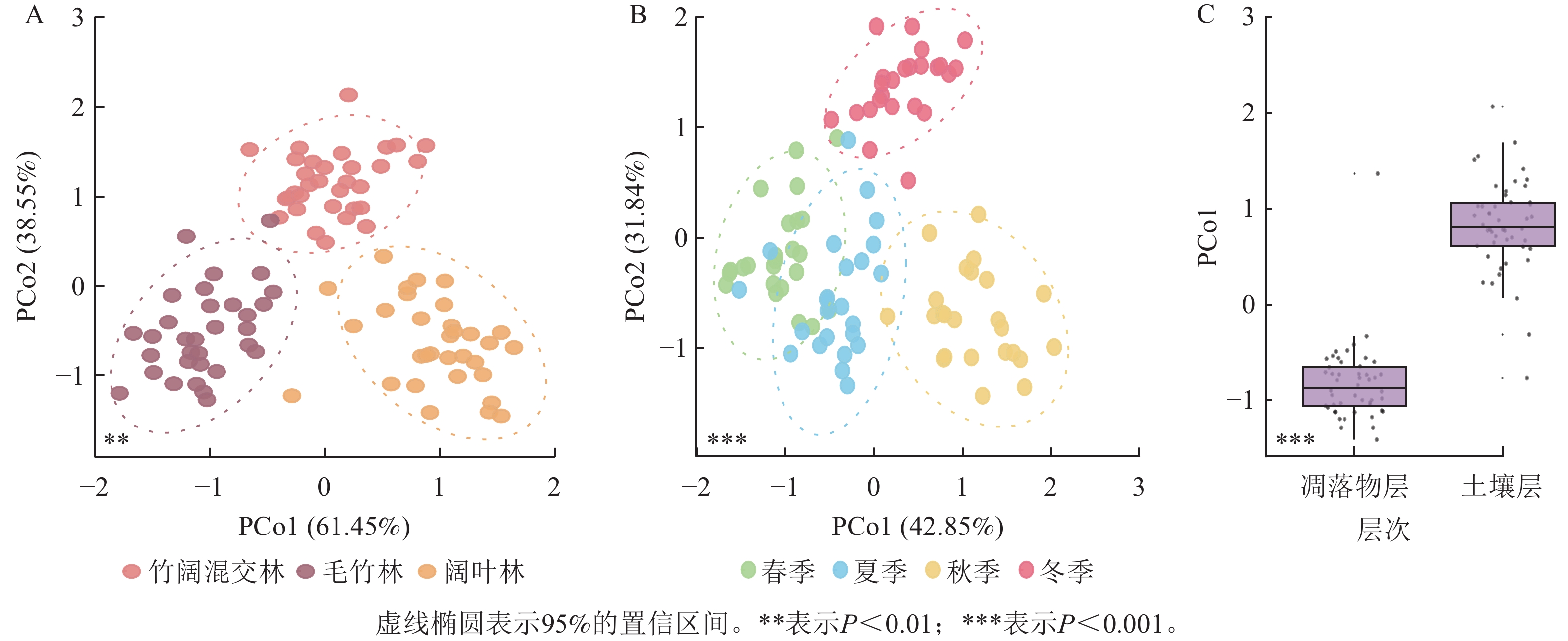
Objective This study examines the impacts of Moso bamboo (Phyllostachys edulis) invasion on Diptera diversity in subtropical forests, and provides a theoretical basis for elucidating the complex mechanisms underlying the effects of invasive plants on ecosystems. Method The experiment was conducted in the Moso bamboo invasion area of the Tianmu Mountain National Nature Reserve in Zhejiang Province. The study area included 3 stages of Moso bamboo invasion: broadleaf forest (uninvaded), mixed Moso bamboo-broadleaf forest (moderately invaded), and Moso bamboo forest (completely invaded). Samples of dipteran insects in the litter layer and soil layer were collected across 4 seasons in 2021 and 2022. Species clustering and identification were performed using high-throughput sequencing and metabarcoding techniques to obtain biodiversity information. The dynamics of dipteran insect populations in different forest types, seasons, and layers were analyzed based on the data of 96 samples. Result A total of 2 217 operational taxonomic units (OTUs) were obtained, belonging to 63 families. Whether in the litter layer or soil layer, the number of unique OTUs in the mixed Moso bamboo-broadleaf forest was much higher than in the other forest types. Different forest types significantly affected the species richness of soil Diptera (P<0.01), with species richness in Moso bamboo forest being significantly lower than in broadleaved forest and mixed Moso bamboo-broadleaf forest. The soil layer effect significantly impacted the species richness, relative abundance, and diversity of soil Diptera (P<0.001). In addition, seasonal changes did not significantly affect the α diversity of dipteran insects. However, the community composition of soil Diptera differed significantly among different forest types, layers, and seasons (P<0.01), with the forest type effect explaining more variation than the seasonal effect. Conclusion Complete invasion of Moso bamboo reduced the species richness of soil dipteran insects; insect diversity was higher in the litter layer than in the soil layer; compared with seasonal effects, forest stand effects exerted a more prominent influence on insect community composition. [Ch, 3 fig. 1 tab. 43 ref.]
2026, 43(5): 1084-1093.
doi: 10.11833/j.issn.2095-0756.20250579
Abstract:
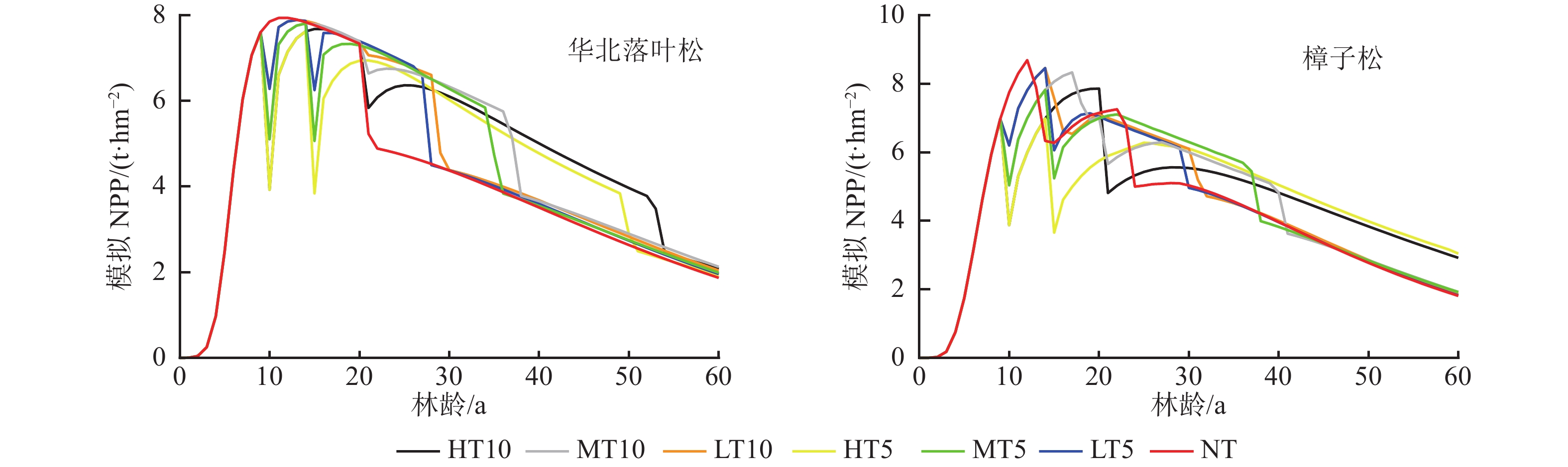
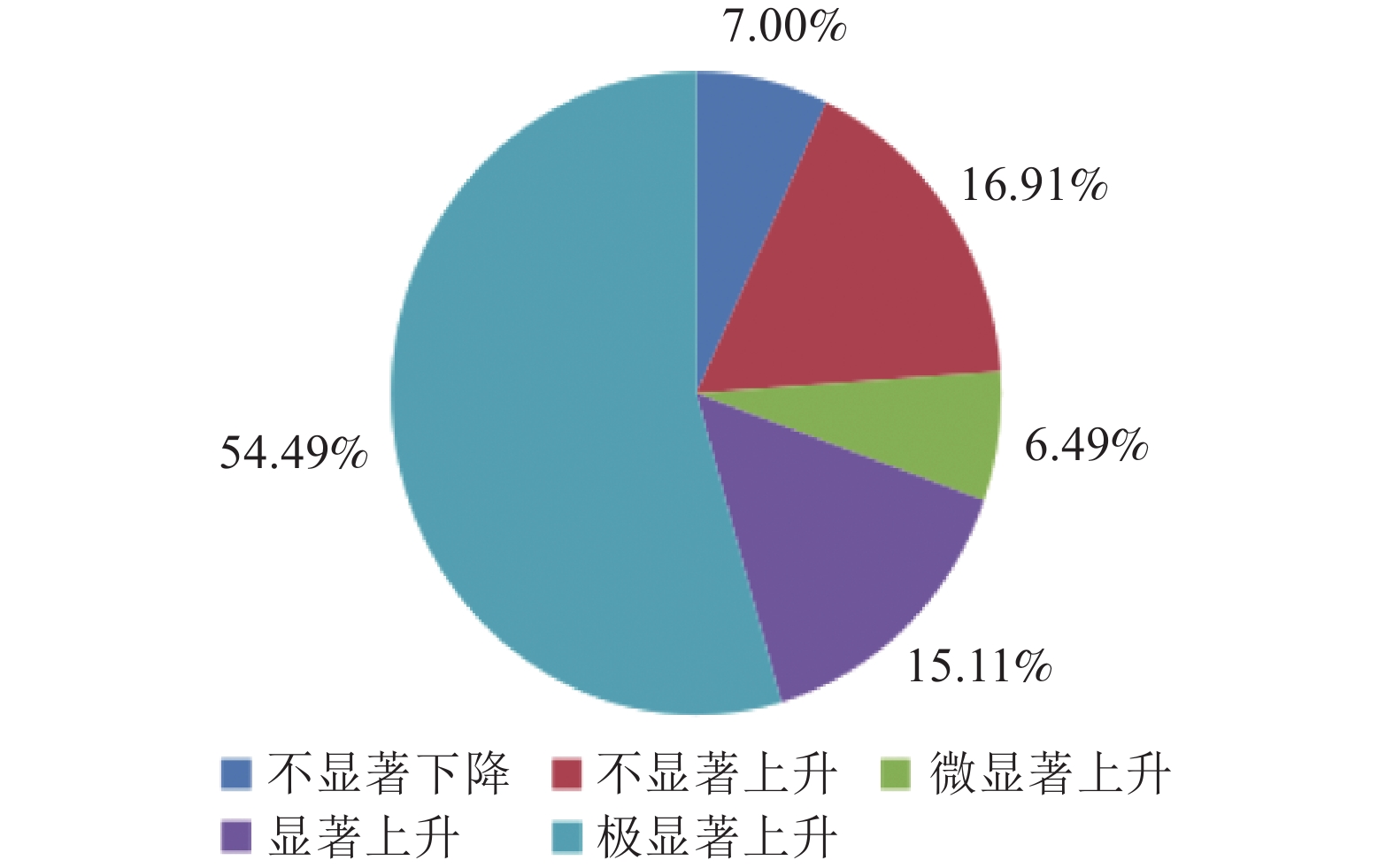
Objective This study aims to parameterize the 3-PGmix model for Larix gmelinii var. principis-rupprechtii and Pinus sylvestris var. mongolica in the Saihanba area, and explore the effects of thinning on the biomass and productivity of plantations in this region. Method Based on the 3-PGmix model, taking the L. gmelinii var. principis-rupprechtii plantations and P. sylvestris var. mongolica plantations in Saihanba Mechanized Forest Farm as research objects, the parameterization of the 3-PGmix model for 2 tree species was conducted by combining measured data of sample plots. Different thinning intensities (control, 0%; light, 20%; moderate, 35%; and heavy, 50%) and different interval periods (short interval of 5 years and long interval of 10 years) were set to simulate the changes of stand biomass and net primary productivity with stand age under different thinning measures. Result The parameter system of the 3-PGmix model for L. gmelinii var. principis-rupprechtii and P. sylvestris var. mongolica plantations in the Saihanba area was verified by field-measured data, and a simple linear regression analysis was conducted. The results showed that the coefficient of determination (R2) of each factor ranged from 0.84 to 0.99, indicating that the model had high simulation accuracy and reliability. The response characteristics of stand biomass to thinning disturbance were consistent between the two tree species: the stand biomass without thinning was the highest, while that of stands with heavy thinning and long cutting intervals decreased to the lowest level in the initial stage of disturbance; however, after a long-term restoration succession, the biomass gap among stands under different thinning treatments gradually narrowed and tended to be close. Regarding stand net primary productivity (NPP), both tree species exhibited a consistent response pattern: the stand NPP under heavy thinning with long intervals was the highest, whereas that of unthinned stands was the lowest among all treatments. Conclusion The stand biomass of L. gmelinii var. principis-rupprechtii and P. sylvestris var. mongolica plantations was inversely proportional to thinning intensity. Thinning would cause a sharp decline in stand biomass in the short term; however, after a long recovery period, the biomass of disturbed stands could gradually recover to a level close to that of unthinned stands. Stand NPP was positively correlated with thinning intensity, and heavy thinning with long intervals was most effective in increasing stand NPP. [Ch, 2 fig. 5 tab. 29 ref.]
2026, 43(5): 1094-1103.
doi: 10.11833/j.issn.2095-0756.20250488
Abstract:
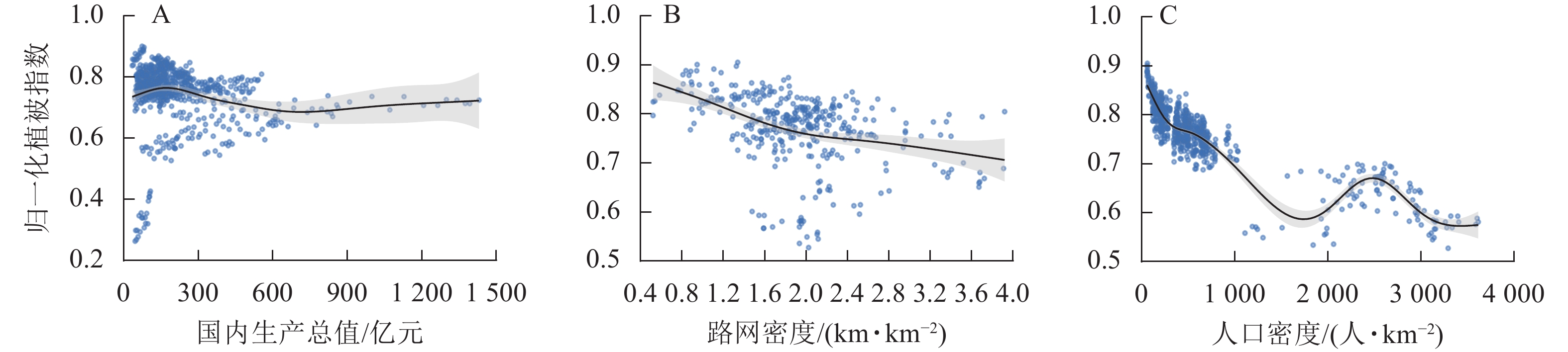
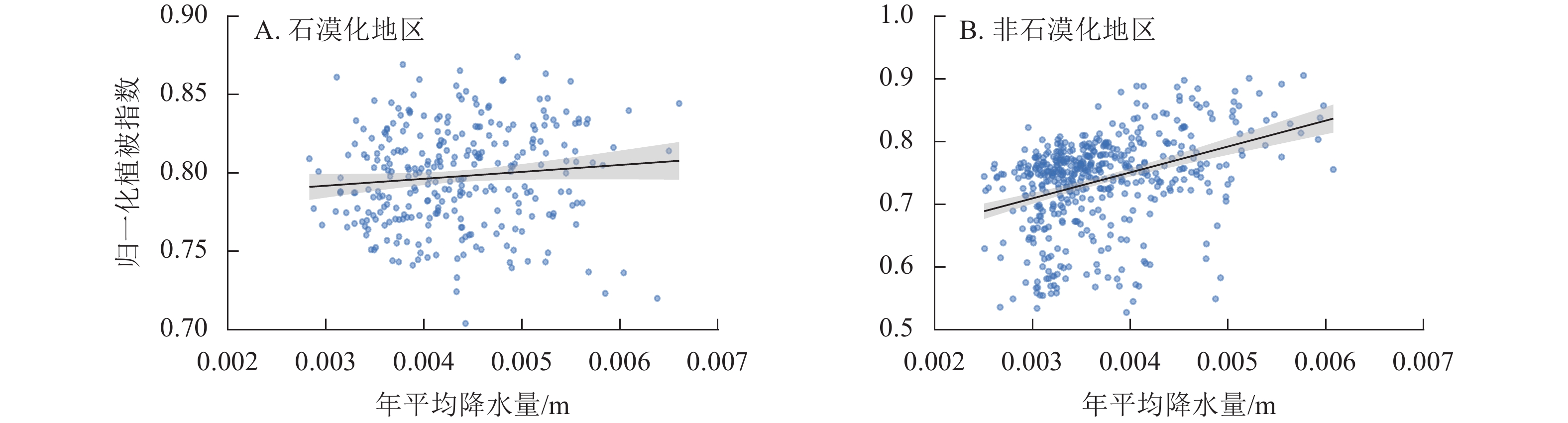
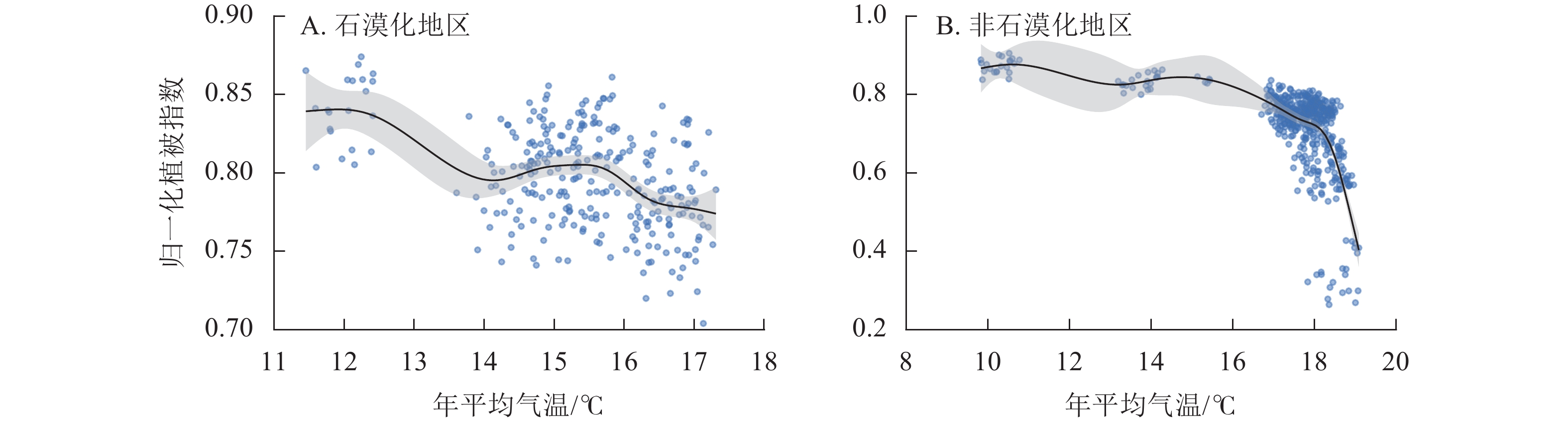
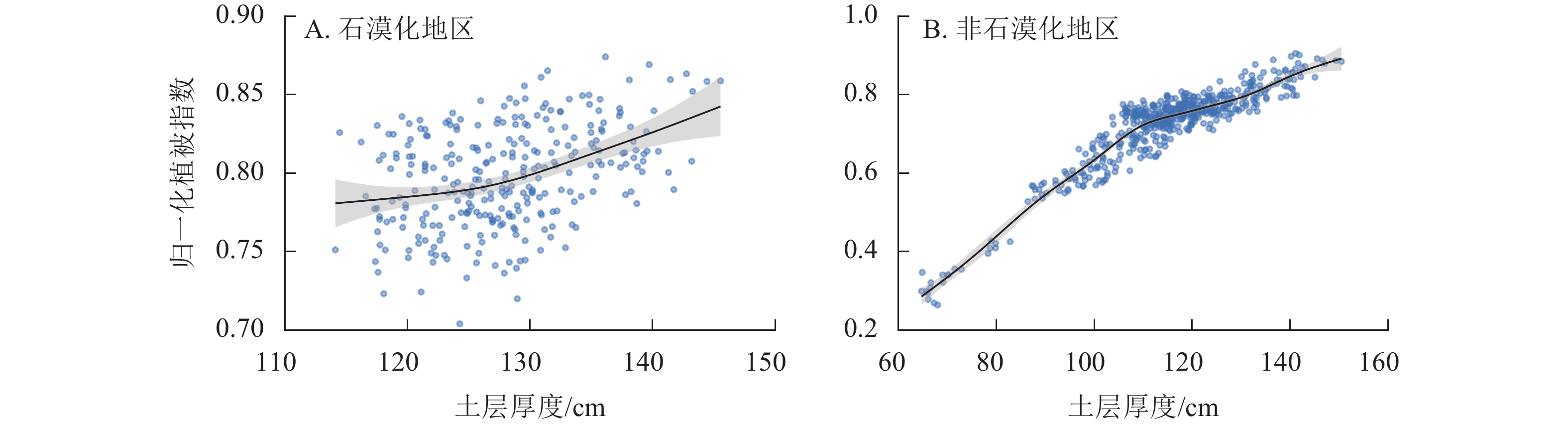
Objective The evolution of vegetation coverage and growth changes reflect regional ecological environment changes. This study aims to explore the vegetation restoration status and driving mechanism in the karst rocky desertification area of Chongqing City, so as to provide references for regional ecological protection and sustainable development. Method Based on the Google Earth Engine (GEE) cloud computing platform, the spatiotemporal patterns of vegetation coverage in different areas of Chongqing from 2000 to 2020 were analyzed. A Generalized Additive Model (GAM) was employed to investigate the driving mechanism of vegetation changes from both socioeconomic and natural factor perspectives. Result (1) In Chongqing, the normalized vegetation index in 93% of the area showed an upward trend, and the areas with remarkable vegetation restoration effects were concentrated in the west and the northeast. (2) Among the socioeconomic factors, GDP had a relatively weak impact on vegetation coverage. The increase in road network density was synchronous with the decrease in vegetation coverage area. The population density had an overall negative impact on vegetation coverage changes, and this impact was significant. (3) Among natural factors, the increase in precipitation and soil layer thickness promoted vegetation restoration to varying degrees, while temperature rise had a negative impact on vegetation growth. Compared to rocky desertification areas, vegetation in non-rocky desertification areas responded more significantly and sensitively to natural driving factors, and soil layer thickness and temperature could better explain changes in vegetation coverage. (4) Over the past 21 years, the rocky desertification area in Chongqing decreased by 5.3%, indicating significant overall improvement. The areas with a notable reduction in rocky desertification area also exhibited a more pronounced increasing trend in vegetation coverage. Conclusion The overall restoration effect of vegetation in Chongqing has achieved favorable results, and population density, soil layer thickness, and temperature have a significant impact on the trend of vegetation change. There is a synergistic evolutionary relationship between the reduction in rocky desertification area and the increase in vegetation coverage. In ecological restoration and management, it is essential to consider the mediating role of rocky desertification. Precise, region-specific, and classification-based measures should be implemented. [Ch, 5 fig. 5 tab. 43 ref.]
2026, 43(5): 1104-1115.
doi: 10.11833/j.issn.2095-0756.20260140
Abstract:
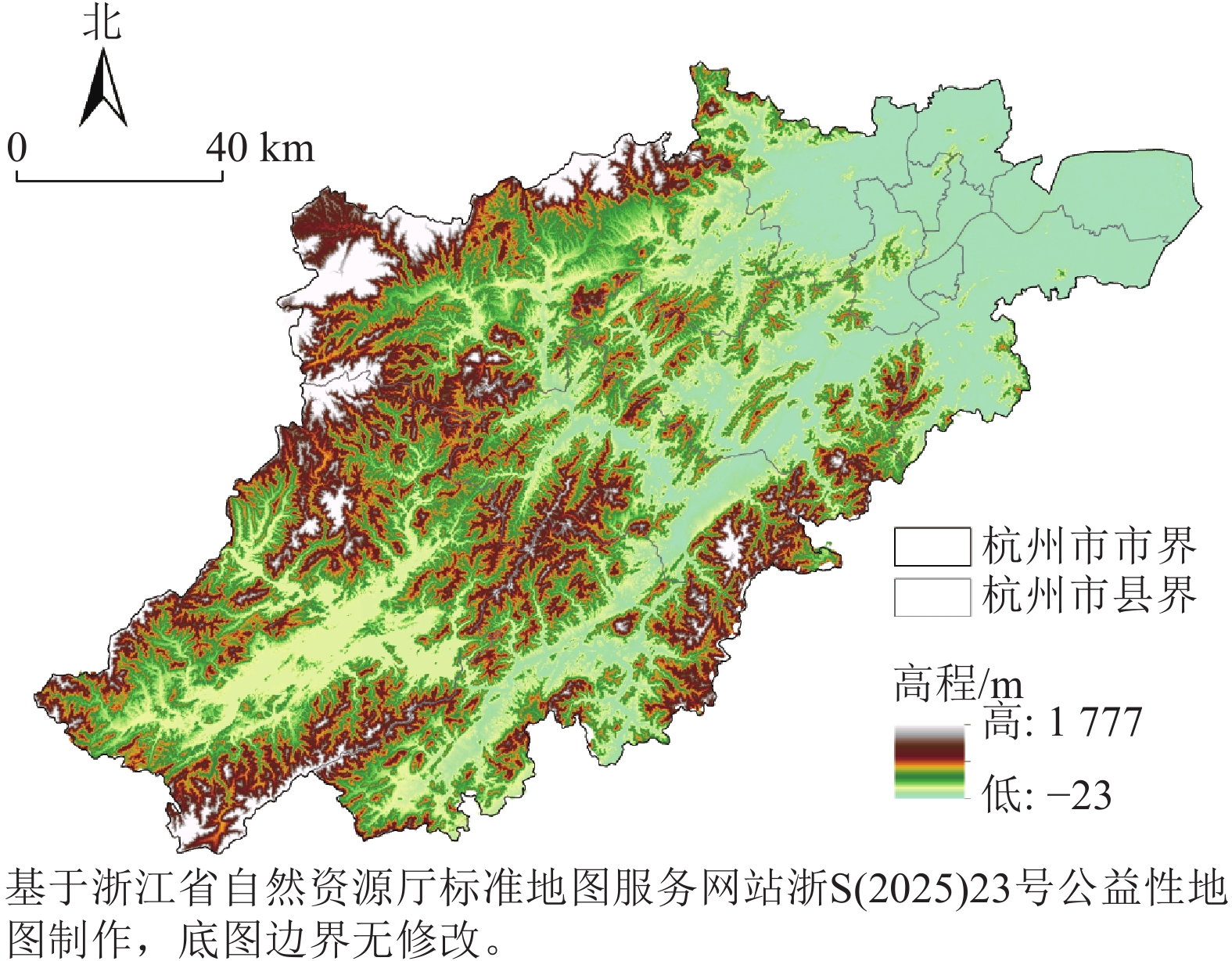
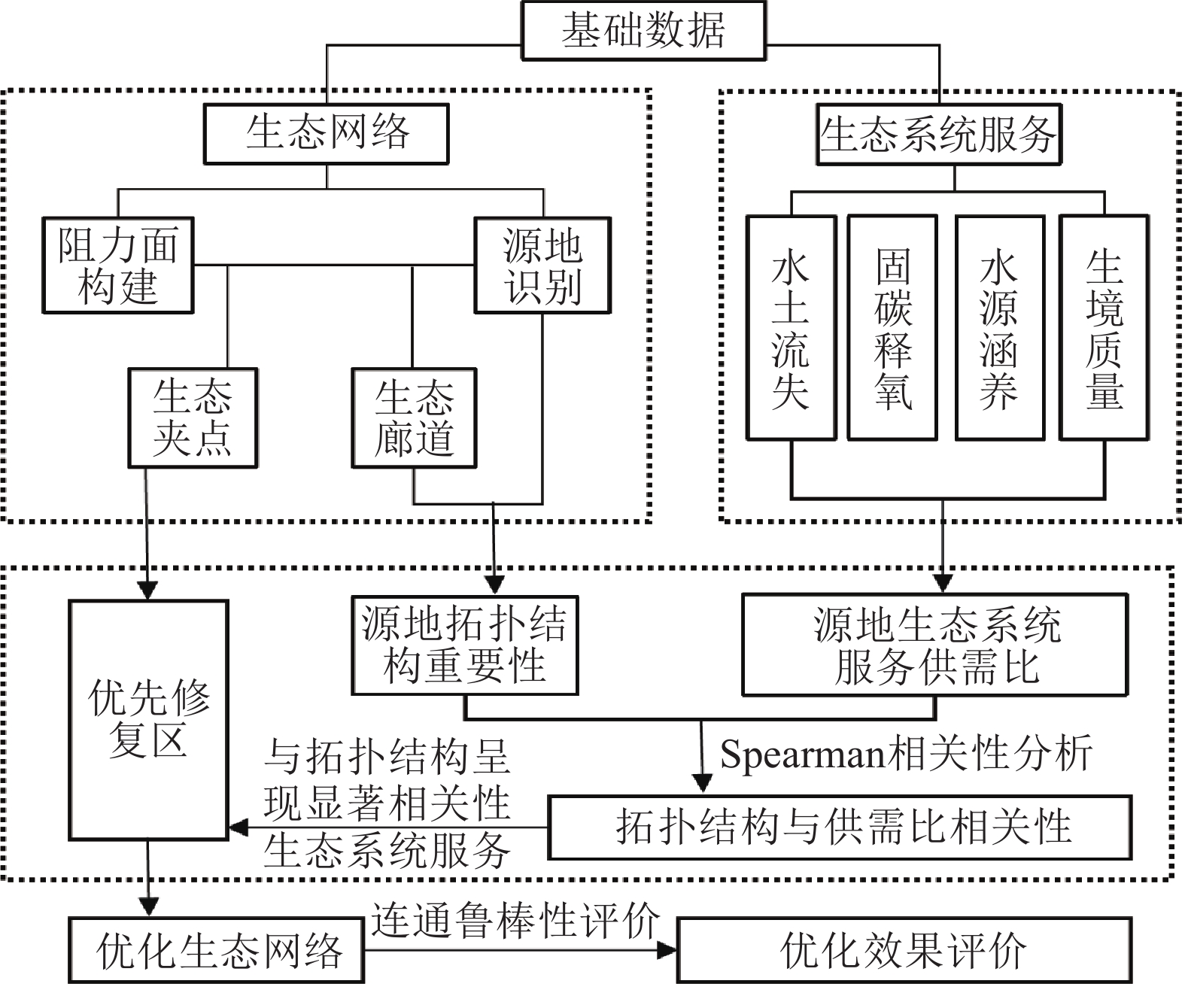
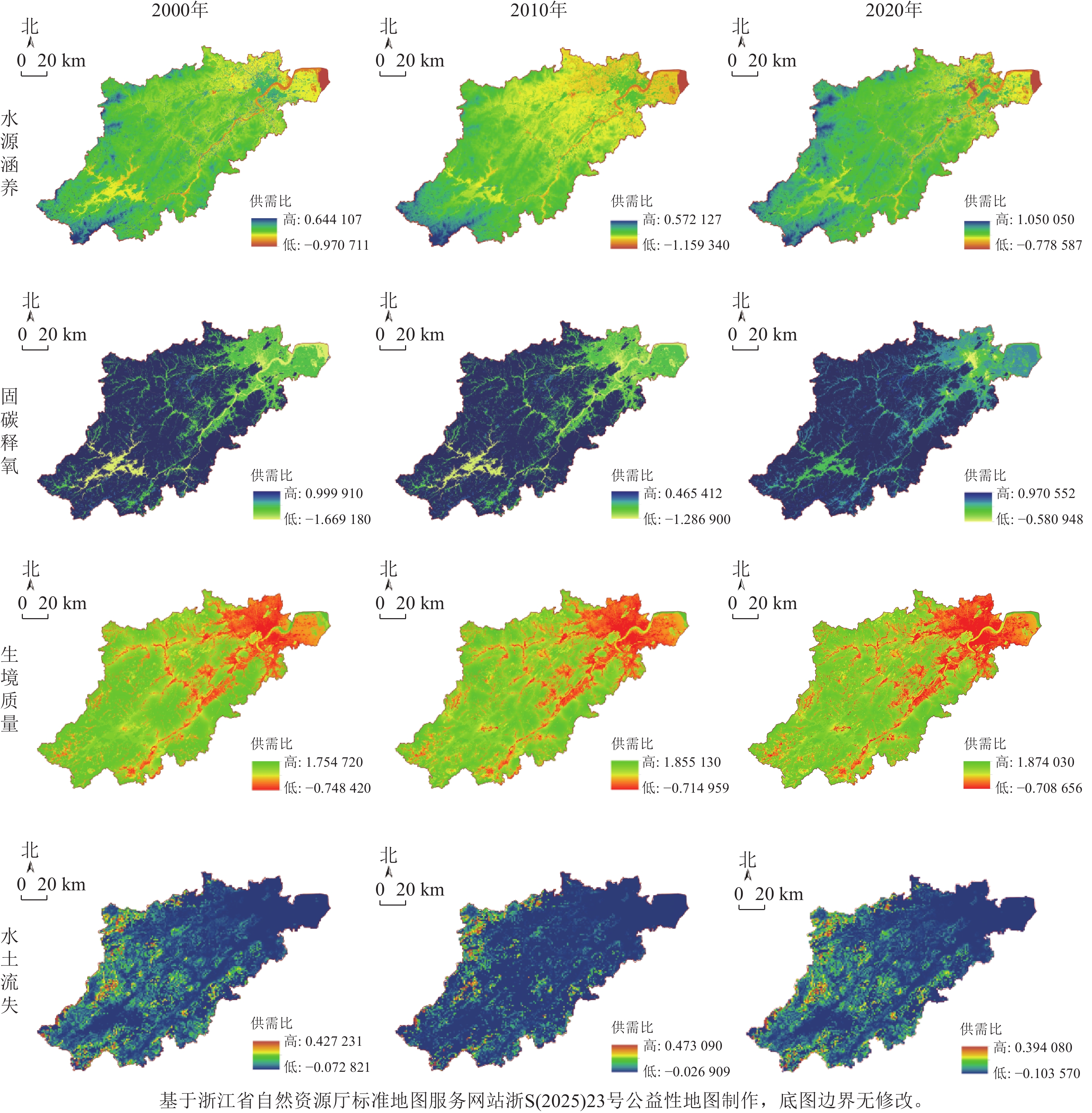
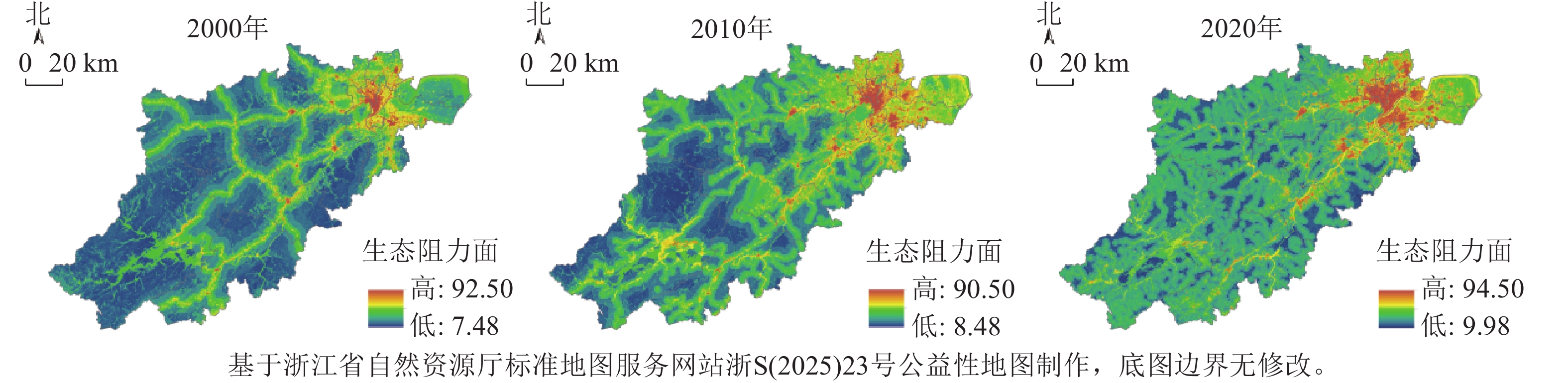
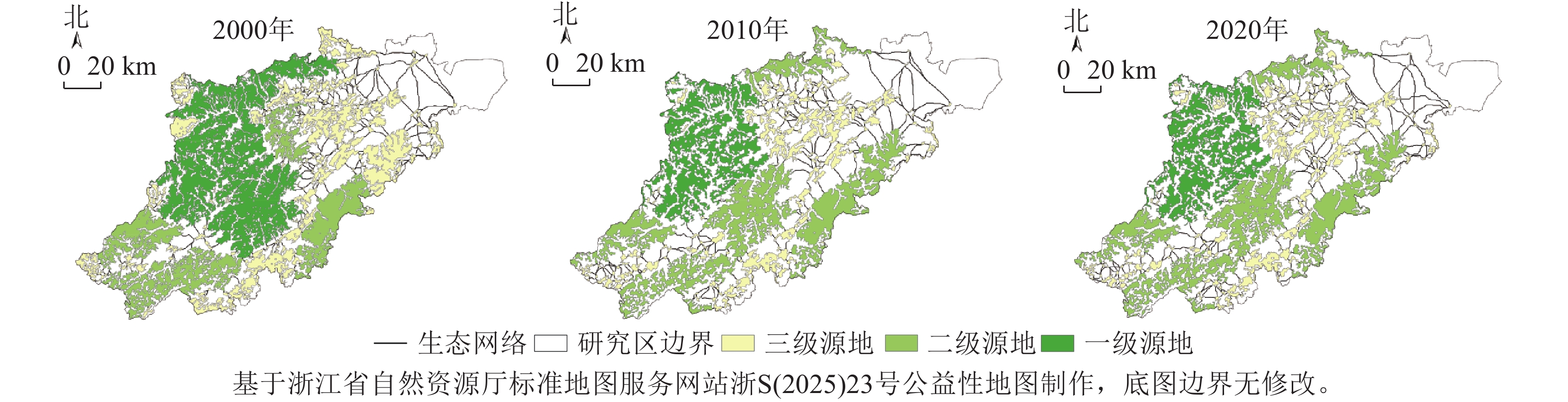
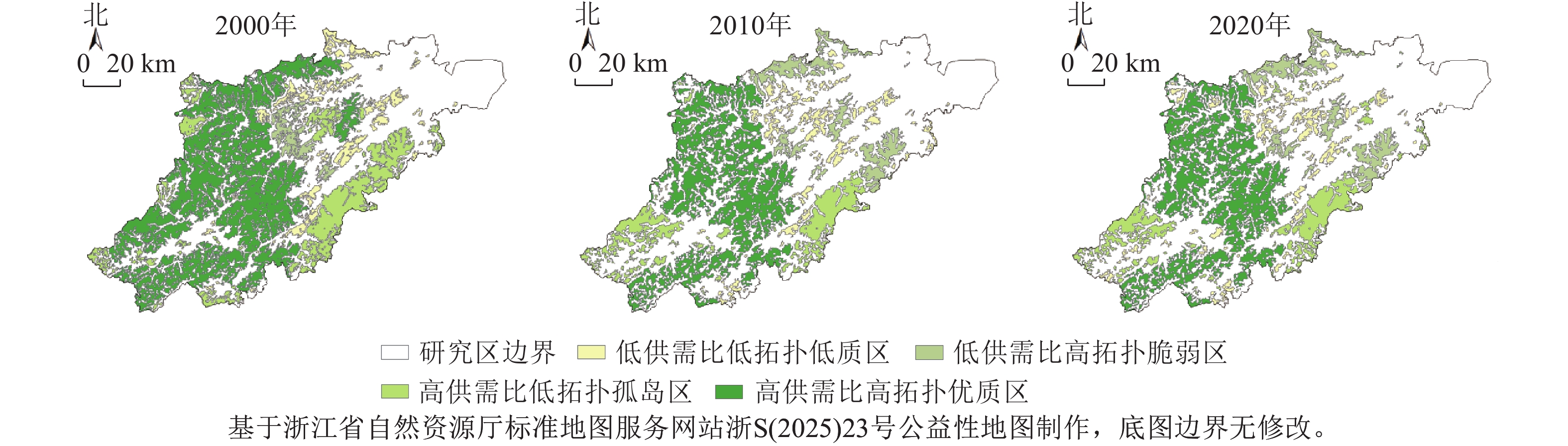
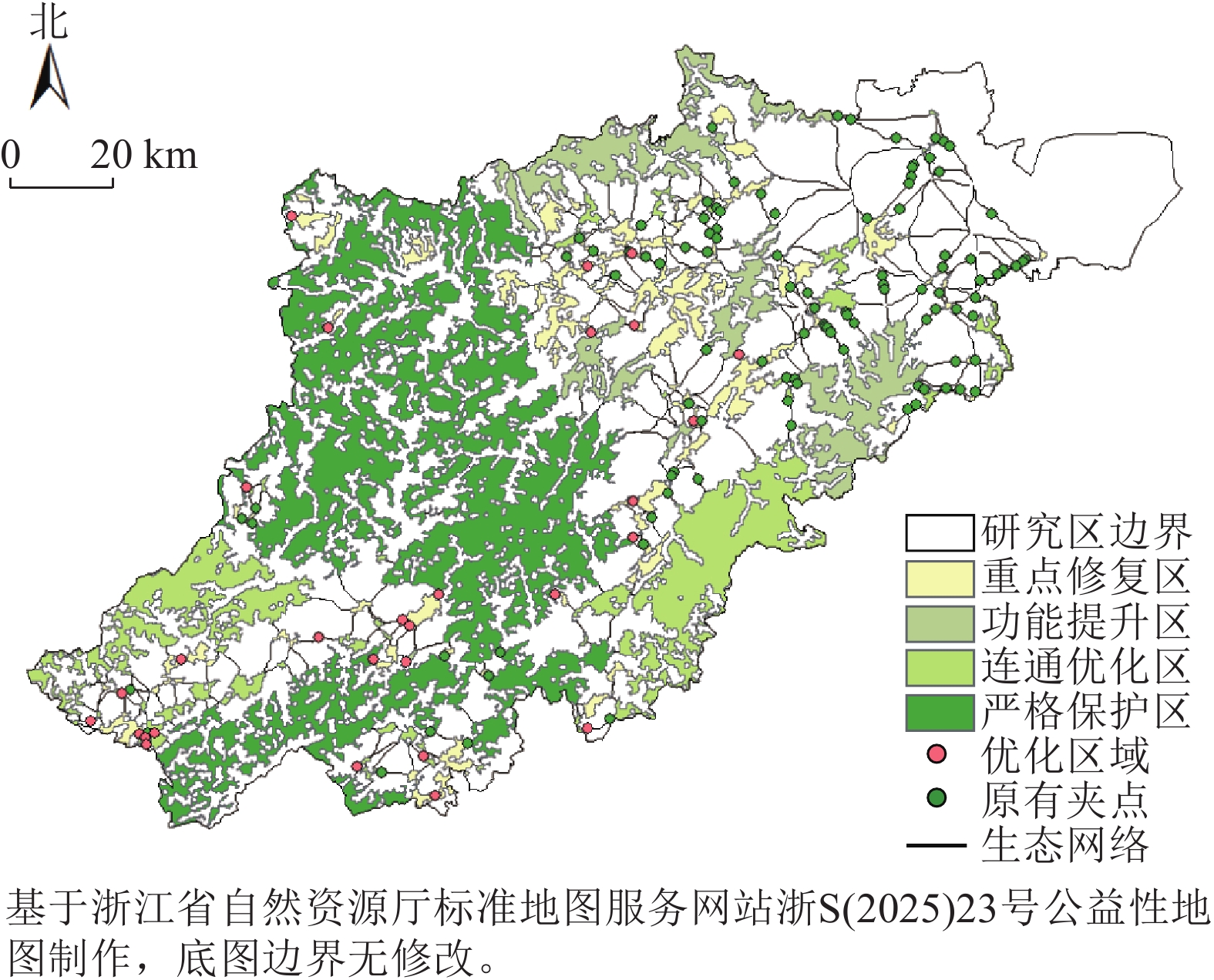
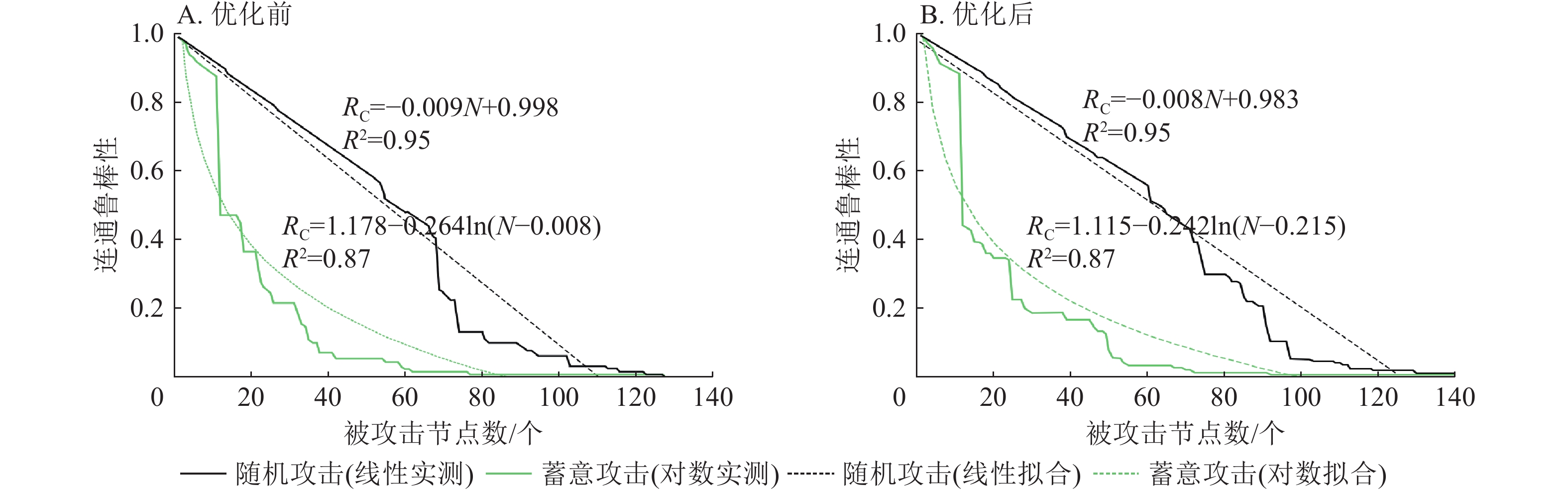
Objective This study aims to address the decline in ecosystem integrity and connectivity caused by human activities that disturb ecological spaces. Method The supply-demand ratios of 4 ecosystem services in Hangzhou in 2000, 2010, and 2020 were calculated, including habitat quality, water conservation, carbon sequestration, and soil erosion. Based on this, an ecological network connecting isolated habitat patches was constructed and optimized based on the correlation between its functions and topological structure. The optimization effect of the ecological network was tested through robustness evaluation. Result (1) Compared with 2000, the supply-demand ratio of water conservation increased by 27% in 2020, while those of carbon sequestration, habitat quality, and soil erosion declined significantly. (2) In 2020, there were 132 core source areas. The resistance surface decreased gradually from the central urban area to the outside. 334 corridors with a total length of 1027 km were identified. (3) From 2010 to 2020, eigenvector centrality increased by 34% in the last stage, indicating a gradual recovery in the influence of core nodes, while average degree value and clustering coefficient remained low. The importance of topological structure was significantly positively correlated with the supply-demand ratio of ecosystem services, and had the strongest correlation with the supply and demand ratio of carbon sequestration and water conservation. (4) 31 new network stepping stones and 56 new corridors were added to the optimization plan. Robustness-based resilience evaluation confirmed the scientific validity and feasibility of optimization. Conclusion The optimization framework can effectively identify and restore ecological pinch points with high ecosystem service value and structural connectivity, form a more stable ecological network, and provide insights for the synergistic optimization of ecological network functions and structures in highly urbanized areas. [Ch, 8 fig. 4 tab. 34 ref.]
2026, 43(5): 1116-1127.
doi: 10.11833/j.issn.2095-0756.20250605
Abstract:
The microalgal-bacterial symbiosis (MABS) system has attracted broad attention for its ability to remove organic matter, nitrogen, phosphorus, and other pollutants from wastewater through mutualistic interactions between algae and bacteria. It boasts such advantages as high purification efficiency, low energy consumption, and environmental friendliness. Quorum sensing (QS), a crucial chemical communication mechanism among microorganisms, regulates gene expression and collective behaviors via signaling molecules, profoundly influencing the formation, structural stability, metabolic function, and environmental adaptability of MABS. This article systematically reviews the interaction mechanisms between microalgae and bacteria, including material exchange and signal communication. It also summarizes the existing MABS systems and their applications in wastewater treatment. Based on this, it is further clarified how QS regulates the development and structural integrity of biofilms, and how it coordinates the metabolic cooperation between both parties during pollutant degradation, thereby enhancing overall performance and resilience of the system. Finally, the prospects for targeted optimization of MABS system functions by intervening in QS signaling pathways are discussed. The important role of QS regulation in developing efficient, stable, and intelligent novel wastewater treatment technologies is emphasized, which is expected to drive the field toward a more energy-efficient, controllable, and resourceful direction. [Ch, 2 tab. 92 ref. ]
The microalgal-bacterial symbiosis (MABS) system has attracted broad attention for its ability to remove organic matter, nitrogen, phosphorus, and other pollutants from wastewater through mutualistic interactions between algae and bacteria. It boasts such advantages as high purification efficiency, low energy consumption, and environmental friendliness. Quorum sensing (QS), a crucial chemical communication mechanism among microorganisms, regulates gene expression and collective behaviors via signaling molecules, profoundly influencing the formation, structural stability, metabolic function, and environmental adaptability of MABS. This article systematically reviews the interaction mechanisms between microalgae and bacteria, including material exchange and signal communication. It also summarizes the existing MABS systems and their applications in wastewater treatment. Based on this, it is further clarified how QS regulates the development and structural integrity of biofilms, and how it coordinates the metabolic cooperation between both parties during pollutant degradation, thereby enhancing overall performance and resilience of the system. Finally, the prospects for targeted optimization of MABS system functions by intervening in QS signaling pathways are discussed. The important role of QS regulation in developing efficient, stable, and intelligent novel wastewater treatment technologies is emphasized, which is expected to drive the field toward a more energy-efficient, controllable, and resourceful direction. [Ch, 2 tab. 92 ref. ]
2026, 43(5): 1128-1144.
doi: 10.11833/j.issn.2095-0756.20260198
Abstract:
In recent years, drought has become a major abiotic stress leading to yield decline in Camellia oleifera. Investigating the drought resistance mechanisms of C. oleifera and breeding drought-tolerant, high-yielding varieties are crucial approaches to addressing seasonal drought and ensuring the sustainable development of the C. oleifera industry. This article provides an overview of the signal transduction pathways involved in drought stress in C. oleifera, including the abscisic acid (ABA) signaling pathway (PYR/PYL-PP2C-SnRK2) and the calcium signaling pathway (CDPK/CBL-CIPK). These pathways induce the expression of key transcription factors (NAC, MYB, WRKY families, etc.), which further regulate the expression of critical genes, including LEA protein genes (CoLEA), osmotic regulation key genes (CoP5S5, CoSUS2, CoBADH), and antioxidant enzyme genes (CoPOD, CoCAT, CoSOD), thereby driving the regulatory response network of C. oleifera to enhance drought resistance through physiological and biochemical mechanisms, including the accumulation of osmotic adjustment substances, induction of antioxidant enzyme synthesis, regulation of endogenous hormone levels, and adjustment of photosynthetic adaptability. A “signal perception-gene regulation-physiological response” framework for drought resistance has been preliminarily established, but the depth of related research is insufficient. The key gene mining and ontology verification are lagging behind, and there is a lack of research on compound stresses such as high temperature and drought. Key regulatory network analysis and compound stress mechanisms are important directions for future research on drought stress in C. oleifera. [Ch, 2 tab. 165 ref.]
In recent years, drought has become a major abiotic stress leading to yield decline in Camellia oleifera. Investigating the drought resistance mechanisms of C. oleifera and breeding drought-tolerant, high-yielding varieties are crucial approaches to addressing seasonal drought and ensuring the sustainable development of the C. oleifera industry. This article provides an overview of the signal transduction pathways involved in drought stress in C. oleifera, including the abscisic acid (ABA) signaling pathway (PYR/PYL-PP2C-SnRK2) and the calcium signaling pathway (CDPK/CBL-CIPK). These pathways induce the expression of key transcription factors (NAC, MYB, WRKY families, etc.), which further regulate the expression of critical genes, including LEA protein genes (CoLEA), osmotic regulation key genes (CoP5S5, CoSUS2, CoBADH), and antioxidant enzyme genes (CoPOD, CoCAT, CoSOD), thereby driving the regulatory response network of C. oleifera to enhance drought resistance through physiological and biochemical mechanisms, including the accumulation of osmotic adjustment substances, induction of antioxidant enzyme synthesis, regulation of endogenous hormone levels, and adjustment of photosynthetic adaptability. A “signal perception-gene regulation-physiological response” framework for drought resistance has been preliminarily established, but the depth of related research is insufficient. The key gene mining and ontology verification are lagging behind, and there is a lack of research on compound stresses such as high temperature and drought. Key regulatory network analysis and compound stress mechanisms are important directions for future research on drought stress in C. oleifera. [Ch, 2 tab. 165 ref.]