Volume 42 Issue 4
Aug.  2025
Turn off MathJax
Article Contents

ZHU Lele, WU Bo, WANG Zhaoxian, et al. Effects of grass cultivation and biochar addition on soil fertility in pear orchards[J]. Journal of Zhejiang A&F University, 2025, 42(4): 754−764 doi:  10.11833/j.issn.2095-0756.20240596
Citation: ZHU Lele, WU Bo, WANG Zhaoxian, et al. Effects of grass cultivation and biochar addition on soil fertility in pear orchards[J]. Journal of Zhejiang A&F University, 2025, 42(4): 754−764 doi:  10.11833/j.issn.2095-0756.20240596

Effects of grass cultivation and biochar addition on soil fertility in pear orchards

DOI: 10.11833/j.issn.2095-0756.20240596
  • Received Date: 2024-11-04
  • Rev Recd Date: 2025-02-10
  • Available Online: 2025-08-01
  • Publish Date: 2025-08-01
  •   Objective  Based on comprehensive index of soil fertility quality(IFI), this study aims to evaluate the effects of grass cultivation and biochar addition on soil fertility in pear orchards, and to reveal the soil fertilization effects of biochar application and grass cultivation as well.   Method  A field experiment was conducted in a pear orchard in Longyou County, Quzhou City of Zhejiang Province in 2023. 4 treatments were set up: inter-row sowing of Trifolium repens, inter-row sowing of Astragalus sinicus, biochar application, and conventional tillage (control). Each treatment was repeated 3 times. During the maturity period of pear trees (Pyrus spp.), surface soil samples (0−20 cm) and fruit samples under different treatments were collected and analyzed. Radar charts were used to analyze the limiting factors of soil fertility level in pear orchards, and IFI was used to assess the effects of different grass cultivation and biochar additions on soil fertilization in pear orchard.  Result  (1) Soil pH, total nitrogen, soluble organic carbon and microbial nitrogen showed weak variability, while the other indicators were moderately variable, among which the coefficients of variation of soil available phosphorus and soluble organic nitrogen were relatively large, indicating that soil available phosphorus and soluble organic nitrogen were sensitive to different grass treatments. (2) Radar plots of the affiliation values showed that soil pH, alkaline available nitrogen and available potassium were the main factors restricting soil fertility level in pear orchards. (3) IFI calculated by the weighted model showed that compared with the control, IFI under the treatment of T. repens was the highest, followed by biochar and A. sinicus treatments. (4) The biochar treatment had a significant effect on improving fruit quality (P<0.05). (5) Correlation analysis showed that soil microbial biomass carbon and titratable acid mass fraction were significantly (P<0.05) or extremely significantly positively correlated (P<0.01) with the weight of a single pear fruit, and they were the key factor affecting pear yield per plant.   Conclusion  IFI calculated based on the weighted model can characterize soil fertility quality. Based on this index, T. repens treatment was the most effective in improving soil fertility, followed by biochar and A. sinicus treatments, and the biochar treatment has a better effect on improving fruit quality. [Ch, 5 fig. 3 tab. 40 ref.]
  • [1] ZHANG Su’e, ZOU Wenhua, LEI Chunsong, LUO Xiaoping, LAI Lifen, LEI Jing, WU Jianhong, JIANG Peikun.  Impact of biochar-based fertilizers on soil fertility in tea plantations and their effects on tea yield and quality . Journal of Zhejiang A&F University, 2025, 42(3): 486-494. doi: 10.11833/j.issn.2095-0756.20240483
    [2] PAN Lixia, JIANG Zhenhui, ZHANG Wenyi, ZHOU Jiashu, LIU Juan, CAI Yanjiang, LI Yongfu.  Effects of straw and its biochar application on soil ammonia-oxidizing microorganisms and N cycling related enzyme activities in a Phyllostachys edulis forest . Journal of Zhejiang A&F University, 2024, 41(1): 1-11. doi: 10.11833/j.issn.2095-0756.20230388
    [3] WANG Ruiping, YANG Xing, GAO Yurong, LU Kouping, HE Lizhi, WU Jiasen, WANG Hailong.  Effects of manganese-modified biochar on accumulation of arsenic and lead in garlic and soil enzyme activity . Journal of Zhejiang A&F University, 2024, 41(5): 1024-1036. doi: 10.11833/j.issn.2095-0756.20230584
    [4] MAO Haonan, YANG Xing, LU Kouping, WU Jiasen, WANG Hailong.  Effect of iron-modified biochars on soil nutrients and bioavailability of As and Pb . Journal of Zhejiang A&F University, 2024, 41(6): 1222-1232. doi: 10.11833/j.issn.2095-0756.20240171
    [5] WANG Jiayu, ZHU Lingjiao, HUANG Chengpeng, JIANG Peikun, ZHA Qiangwei, CHEN Linhai.  Effects of silicon fertilizer and biochar on active silicon components in Phyllostachys edulis forest soil . Journal of Zhejiang A&F University, 2024, 41(3): 496-505. doi: 10.11833/j.issn.2095-0756.20230366
    [6] GU Shaoru, YANG Xing, CHEN Hanbo, YANG Bingshuang, DAI Zhinan, CHEN Junhui, FANG Zheng, WANG Hailong.  Effects of biochar from Procambarus clarkii shells and Ficus microcarpa branches on soil nutrients and bioavailability of Cd and Pb . Journal of Zhejiang A&F University, 2023, 40(1): 176-187. doi: 10.11833/j.issn.2095-0756.20220182
    [7] WU Haibing, HE Xiaoli, LIANG Jing.  Comprehensive evaluation of soil fertility in relocated land for landscaping . Journal of Zhejiang A&F University, 2021, 38(5): 1076-1081. doi: 10.11833/j.issn.2095-0756.20200753
    [8] QU Tianhua, LI Yongfu, ZHANG Shaobo, LI Linlin, LI Yongchun, LIU Juan.  Effects of biochar application on soil nitrogen transformation and N2O emissions: a review . Journal of Zhejiang A&F University, 2021, 38(5): 926-936. doi: 10.11833/j.issn.2095-0756.20200549
    [9] JIANG Shikun, ZHOU Yunchao, TAN Wei, CHEN Zhu, HUANG Jianfeng.  Soil fertility of Pinus massoniana forests under different near-natural management measures . Journal of Zhejiang A&F University, 2020, 37(5): 876-882. doi: 10.11833/j.issn.2095-0756.20190549
    [10] QIAN Qian, YANG Xing, GUO Ming, QIN Peng, XU Song, WANG Hailong.  Adsorption of Zn2+ from a Zn2+-DEP (diethyl phthalate)composite solution using biochars in soil . Journal of Zhejiang A&F University, 2019, 36(6): 1051-1061. doi: 10.11833/j.issn.2095-0756.2019.06.001
    [11] ZHANG Jianyun, WU Shengchun, WANG Minyan, SHAN Shengdao, CAO Zhihong, ZHANG Jin.  Tobacco stalk biochar in heavy metal contaminated soil amendments with tobacco production . Journal of Zhejiang A&F University, 2018, 35(4): 674-683. doi: 10.11833/j.issn.2095-0756.2018.04.013
    [12] BAO Junyao, ZHAO Yingzhi, YAN Shuxian, BAI Shan, LI Songhao, XU Qiufang, YE Zhengqian, SHEN Ying, CHEN Junhui.  Soil amelioration with biochars pyrolyzed from different feedstocks of an acidic bamboo (Phyllostachys violascens) plantation . Journal of Zhejiang A&F University, 2018, 35(1): 43-50. doi: 10.11833/j.issn.2095-0756.2018.01.006
    [13] ZHANG Jianyun, GAO Caihui, ZHU Hui, ZHONG Shuigen, YANG Wenyan, ZHENG Junlong, WU Shengchun, SHAN Shengdao, WANG Zhirong, ZHANG Jin, CAO Zhihong, Peter CHRISTIE.  Mechanism and effects of biochar application on morphology and migration of heavy metals in contaminated soil . Journal of Zhejiang A&F University, 2017, 34(3): 543-551. doi: 10.11833/j.issn.2095-0756.2017.03.021
    [14] WU Haibing, LI Aiping, FANG Hailan, HAO Guanjun.  Green-belt soil testing methods for porosity and the importance of porosity on soil fertility evaluation . Journal of Zhejiang A&F University, 2015, 32(1): 98-103. doi: 10.11833/j.issn.2095-0756.2015.01.014
    [15] YAN Xiao-jie, HUANG Jian-qin, QIU Zhi-min, NURAMINA Rahman, ZHU Min-hua, WU Jia-sen.  Soil physical and chemical properties and fruit quality with grass cover in a Myrica rubra orchard . Journal of Zhejiang A&F University, 2011, 28(6): 850-854.
    [16] JIANG Jun-ming, ZHU Wei-shuang, LIU Guo-hua, FEI Shi-ming, CHEN Xiu-ming.  Soil fertility in a Phyllostachys pubescens forest of southern Sichuan . Journal of Zhejiang A&F University, 2008, 25(4): 486-490.
    [17] CAI Li-ping, XIE Jing-sheng, LIN Jing-yi, CHEN Guang-shui.  Effect on different harness measures on lateritic red soil fertility in south subtropical zone . Journal of Zhejiang A&F University, 2001, 18(2): 131-135.
    [18] Liu Aiqin, Ma Xiangqing, Yu Lixuan, Luo Xuemei.  Effects of different mixed model son soil fertility in plantations of Pinus massoniana . Journal of Zhejiang A&F University, 1998, 15(3): 250-255.
    [19] Lin Kaimin, Lin Guoqing, Zhang Shenlong, Yu Lixuan..  Differences of soil Fertility between Nautral Broadleaved Forest and Replanted Chinese Fir Forest. . Journal of Zhejiang A&F University, 1995, 12(2): 221-225.
    [20] Lin Ping, Ye Zhenghuan, Zhu Changle, Hou Jianyu..  Soil Fertility in Repeated Planting Cryptomeria fortunei Land . Journal of Zhejiang A&F University, 1994, 11(2): 138-142.
  • [1]
    ZHOU Jiangtao, ZHAO Deying, CHEN Yanhui, et al. Empirical analysis of pear spatial distribution variation in China[J]. China Fruits, 2021(4): 92−97.
    [2]
    WEI Shuwei, WANG Shaomin, ZHANG Yong, et al. Effects of different soil management methods on the soil nutrients, enzyme activity and fruit quality of pear orchards[J]. Acta Prataculturae Sinica, 2015, 24(12): 46−55.
    [3]
    CAI Zucong. Discussion on the strategies for development of the subdiscipline of soil fertility and soil nutrient cycling for the 14th Five-Year Plan[J]. Acta Pedologica Sinica, 2020, 57(5): 1128−1136.
    [4]
    ZHANG Shaoling, XIE Zhihua. Current status, trends, main problems and the suggestions on development of pear industry in China[J]. Journal of Fruit Science, 2019, 36(8): 1067−1072.
    [5]
    ZHANG Guiyou, HONG Juan, HUANG Xiang, et al. Effects of grass planting in pear orchard on soil nutrients and microbial diversity[J]. Hubei Agricultural Sciences, 2024, 63(11): 108−113.
    [6]
    DONG Caixia, JIANG Haibo, ZHAO Jingwen, et al. Current fertilization in pear orchards in China[J]. Soils, 2012, 44(5): 754−761.
    [7]
    FU Xueqin, CHEN Dengyun, YANG Xingpeng, et al. Effects of grass cover in‘Nanfeng’ tangerine orchard on nutrients and microbial characteristics in soil aggregates and fruit quality[J]. Journal of Fruit Science, 2020, 37(11): 1655−1666.
    [8]
    HU Qijuan, JIANG Tao, THOMAS B W, et al. Legume cover crops enhance soil organic carbon via microbial necromass in orchard alleyways[J/OL]. Soil and Tillage Research, 2023, 234: 105858[2024-10-04]. DOI: 10.1016/j.still.2023.105858.
    [9]
    ZHANG Mengyang, ZHANG Lin, RIAZ M, et al. Biochar amendment improved fruit quality and soil properties and microbial communities at different depths in citrus production[J/OL]. Journal of Cleaner Production, 2021, 292: 126062[2024-10-04]. DOI:10.1016/j.jclepro.2021.126062.
    [10]
    HAO Ziwei, JI Lan. Present situation and prospect of the study on interplanting grass in orchard in China[J]. Journal of Shanxi Agricultural Sciences, 2017, 45(3): 486−490.
    [11]
    YANG Lu, MAO Yunfei, HU Yanli, et al. Effects of orchard grass on soil fertility and apple tree nutrition[J]. Journal of Plant Nutrition and Fertilizers, 2020, 26(2): 325−337.
    [12]
    GUO Xiaorui, SONG Tao, DENG Lijuan, et al. Effects of grass growing on soil fertility and productivity of orchards in China: a metaanalysis[J]. Chinese Journal of Applied Ecology, 2021, 32(11): 4021−4028.
    [13]
    FARRELL M, KUHN T K, MACDONALD L M, et al. Microbial utilization of biochar-derived carbon[J]. Science of the Total Environment, 2013, 465(6): 288−297.
    [14]
    DONG Xinliang, LIN Qimei. Biochar effect on soil physical properties: a review[J]. Chinese Journal of Eco-Agriculture, 2018, 26(12): 1846−1854.
    [15]
    ZHANG Dengxiao, JIE Hongbin, ZHANG Wenjing, et al. Effect of biochar amendment on soil water retention and crop drought resistance: a review[J]. Science of Soil and Water Conservation, 2023, 21(6): 144−150.
    [16]
    MENG Yan, SHEN Yawen, MENG Weiwei, et al. Effect of biochar on agricultural soil aggregates and organic carbon: a Meta-analysis[J]. Environmental Science, 2023, 44(12): 6847−6856.
    [17]
    LIU Zhenjie, LI Pengfei, HUANG Shiwei, et al. Effects of wheat straw-derived biochar application on soil carbon content under different tillage practices[J]. Environmental Science, 2021, 42(6): 3000−3009.
    [18]
    CAO Quan, SHEN Yuying, WANG Zikui, et al. Effects of living mulch on soil physical and chemical properties in orchards: a review[J]. Acta Prataculturae Sinica, 2016, 25(8): 180−188.
    [19]
    WANG Yanting, JI Xiaohao, WU Yusen, et al. Research progress of cover crop in Chinese orchard[J]. Chinese Journal of Applied Ecology, 2015, 26(6): 1892−1900.
    [20]
    WANG Xun, LI Yuan, LAI Yonghui, et al. Effects of orchard grass on soil properties and microbial communities in citrus orchards[J]. Journal of Grassland and Forage Science, 2021(2): 61−65.
    [21]
    LI Qunzhen, HUANG Fuqiong, ZHU Liqian, et al. Analysis and evaluation of fruit quality of Ehime 28 and Harumi in Meishan City, Sichuan Province[J]. Journal of Fruit Science, 2024, 41(4): 651−664.
    [22]
    BAO Shidan. Soil Agrochemical Analysis[M]. 3rd ed. Beijing: China Agricultural Press, 2008.
    [23]
    JONES D, WILETT V B. Experimental evaluation of methods to quantify dissolved organic nitrogen (DON) and dissolved organic carbon (DOC) in soil[J]. Soil Biology and Biochemistry, 2006, 38(5): 991−999.
    [24]
    LI Zelin. Effect of Orchard Natural Grass Technology on Soil Organic Carbon Pool in Loess Plateau[D]. Yangling: Northwest A&F University, 2023.
    [25]
    CAO Zhihong, ZHOU Jianmin. Soil Quality of China[M]. Beijing: Science Press, 2008.
    [26]
    PENG Jianjian, XU jian, WANG Xiaoxiao, et al. Spatial variation of soil fertility and its influencing factors in Myrica rubra region: a case study in Xianju County and Linhai City[J]. Journal of Fruit Science, 2023, 40(7): 1421−1433.
    [27]
    SUN Bo, ZHANG Taolin, ZHAO Qiguo. Comprehensive evaluation of soil fertility in the hilly and mountainous region of southeastern China[J]. Acta Pedologica Sinica, 1995, 32(4): 362−369.
    [28]
    LI Peng, WU Mengcheng, KANG Guodong, et al. Soil quality response to organic amendments on dryland red soil in subtropical China[J/OL]. Geoderma, 2020, 373: 114416[2024-10-04]. DOI: 10.1016/j.geoderma.2020.114416.
    [29]
    ZHANG Wenxue, WANG Shaoxian, LIU Zengbing, et al. Evaluating soil fertility improvement effects of chemical fertilizer combined with organic fertilizers in a red paddy soil using the soil fertility index[J]. Journal of Plant Nutrition and Fertilizers, 2021, 27(5): 777−790.
    [30]
    WANG Yaofeng, SHAO Lingling, LIU Yuxue, et al. Effects of interplanting grass on soil organic carbon and active components of carbon pool in peach orchard[J]. Acta Ecologica Sinica, 2014, 34(20): 6002−6010.
    [31]
    WANG Zhengheng, LIU Rui, FU Liang, et al. Effects of orchard grass on soil fertility and nutritional status of fruit trees in Korla Fragrant Pear Orchard[J/OL]. Horticulturae, 2023, 9(8): 903[2024-10-04]. DOI: 10.3390/horticulturae9080903.
    [32]
    YUAN Jinhua, XU Renkou. Progress of the research on the properties of biochars and their influence on soil environmental functions[J]. Ecology and Environmental Sciences, 2011, 20(4): 779−785.
    [33]
    GUO Chunlei, LI Na, PENG Jing , et al. Direct returning of maize straw or as biochar to the field triggers change in acidity and exchangeable capacity in soil[J]. Journal of Plant Nutrition and Fertilizers, 2018, 24(5): 1205−1213.
    [34]
    WEI Qianqian, KOU Jiancun, LI Shangwei, et al. Effects of covering white clover in apple orchard on soil microbial and nutritional properties[J]. Acta Agrestia Sinica, 2016, 24(3): 544−552.
    [35]
    WANG Yuanji, HUANG Qianqian, GAO Hua, et al. Long-term cover crops improved soil phosphorus availability in a rain-fed apple orchard[J/OL]. Chemosphere, 2021, 275: 130093[2024-10-04]. DOI: 10.1016/j.chemosphere.2021.130093.
    [36]
    YU Yanxia, SI Zaiyong, ZENG Xiaobo, et al. Role of Mesorhizobium huakuii 7653R MCHK-3535 gene in the free living condition and symbiosis with Astragalus sinicus[J]. Acta Microbiologica Sinica, 2019, 59(3): 499−509.
    [37]
    CHEN Wenfu, MENG Jun, HAN Xiaori, et al. Past, present, and future of biochar[J]. Biochar, 2019, 1(1): 75−87.
    [38]
    PAN Jiechun, XU Shilan, DING Feng, et al. Stud on the effects of cover crops on the physic and chemical properties and the organism of soils in longan orchards[J]. China Fruits, 2019(6): 59−64.
    [39]
    TAN Chunling, LIU Yang, HUANG Xuegang, et al. Effect of biochar on soil microbial metabolic activities[J]. Chinese Journal of Eco-Agriculture, 2022, 30(3): 333−342.
    [40]
    QIAN Jiusheng, XIE Wenyi, HEZhonghua, et al. Effect of biochar amendment on orchard soil fertility and yellow peach yield and quality[J]. Journal of Agricultural Resources and Environment, 2023, 40(3): 680−688.
  • 加载中
通讯作者: 陈斌, bchen63@163.com
  • 1. 

    沈阳化工大学材料科学与工程学院 沈阳 110142

  1. 本站搜索
  2. 百度学术搜索
  3. 万方数据库搜索
  4. CNKI搜索

Figures(5)  / Tables(3)

Article views(575) PDF downloads(47) Cited by()

Related
Proportional views

Effects of grass cultivation and biochar addition on soil fertility in pear orchards

doi: 10.11833/j.issn.2095-0756.20240596

Abstract:   Objective  Based on comprehensive index of soil fertility quality(IFI), this study aims to evaluate the effects of grass cultivation and biochar addition on soil fertility in pear orchards, and to reveal the soil fertilization effects of biochar application and grass cultivation as well.   Method  A field experiment was conducted in a pear orchard in Longyou County, Quzhou City of Zhejiang Province in 2023. 4 treatments were set up: inter-row sowing of Trifolium repens, inter-row sowing of Astragalus sinicus, biochar application, and conventional tillage (control). Each treatment was repeated 3 times. During the maturity period of pear trees (Pyrus spp.), surface soil samples (0−20 cm) and fruit samples under different treatments were collected and analyzed. Radar charts were used to analyze the limiting factors of soil fertility level in pear orchards, and IFI was used to assess the effects of different grass cultivation and biochar additions on soil fertilization in pear orchard.  Result  (1) Soil pH, total nitrogen, soluble organic carbon and microbial nitrogen showed weak variability, while the other indicators were moderately variable, among which the coefficients of variation of soil available phosphorus and soluble organic nitrogen were relatively large, indicating that soil available phosphorus and soluble organic nitrogen were sensitive to different grass treatments. (2) Radar plots of the affiliation values showed that soil pH, alkaline available nitrogen and available potassium were the main factors restricting soil fertility level in pear orchards. (3) IFI calculated by the weighted model showed that compared with the control, IFI under the treatment of T. repens was the highest, followed by biochar and A. sinicus treatments. (4) The biochar treatment had a significant effect on improving fruit quality (P<0.05). (5) Correlation analysis showed that soil microbial biomass carbon and titratable acid mass fraction were significantly (P<0.05) or extremely significantly positively correlated (P<0.01) with the weight of a single pear fruit, and they were the key factor affecting pear yield per plant.   Conclusion  IFI calculated based on the weighted model can characterize soil fertility quality. Based on this index, T. repens treatment was the most effective in improving soil fertility, followed by biochar and A. sinicus treatments, and the biochar treatment has a better effect on improving fruit quality. [Ch, 5 fig. 3 tab. 40 ref.]

ZHU Lele, WU Bo, WANG Zhaoxian, et al. Effects of grass cultivation and biochar addition on soil fertility in pear orchards[J]. Journal of Zhejiang A&F University, 2025, 42(4): 754−764 doi:  10.11833/j.issn.2095-0756.20240596
Citation: ZHU Lele, WU Bo, WANG Zhaoxian, et al. Effects of grass cultivation and biochar addition on soil fertility in pear orchards[J]. Journal of Zhejiang A&F University, 2025, 42(4): 754−764 doi:  10.11833/j.issn.2095-0756.20240596
  • Pyrus spp. 属于蔷薇科Rosaceae梨属Pyrus的乔木植物,是中国主要的果树之一。中国梨树种植面积和总产量均居世界首位[1],然而,与梨生产技术先进的国家相比,中国在梨的产量和品质上仍存在较大差距。梨的产量提高和品质提升与土壤养分管理密切相关。作为农业生产的基石,土壤不仅是作物生长的物质基础,也是支撑人类生活的重要资源[2],土壤肥力更是评价其提供作物生长所需养分能力的关键指标,直接反映了土壤的肥沃程度[3]。研究发现:梨园实行传统的土壤管理方法,如过度使用化肥,过度依赖化学农药防治病虫害,以及长期采取清耕措施,导致了一系列生态环境问题。这些问题严重制约梨树的健康生长,进而影响果实的品质,降低梨的市场竞争力[46],因此,正确评估和认识梨园土壤肥力的本质,研究改善梨园土壤质量的措施极为重要。相关科学研究显示:覆盖作物、减少耕作以及利用生物质炭作为土壤改良剂等,均可增加土壤有机质,改善土壤结构,增强微生物活动,促进土壤肥力的恢复与提高[79]

    果园种植生草是一种先进、实用、高效的土壤管理方法,它在果园株行间选留原生杂草,或种植非原生草类、绿肥作物等,并进行适当管理,以实现草类与果树协调共生[10]。有研究表明:在果园种植生草能够显著提升土壤中有机质质量分数,有助于保护水土,增强土壤肥力,优化果园生态环境,并提高果树对病虫和逆境的抵抗力[1112]。生物质炭由农作物秸秆等生物质材料通过高温热解或焚烧制得[13],是另一种有效的土壤改良剂。生物质炭是一种稳定的有机物质,具有很强的抗微生物降解的能力,转化周期较长[14]。生物质炭不仅能够增加土壤有机质质量分数,改善土壤结构,促进微生物活动,还能够储存大量的碳,减少二氧化碳等温室气体的排放,具有较好的环境效益[15]。近年来,生物质炭作为土壤改良剂的室内试验和短期大田试验均有报道[1617],但在果园中施用的研究鲜有报道,因此,开展果园种植生草与施加生物质炭的实际应用研究,有助于构建低碳、循环、可持续、高效的农业经营模式。

    现有对果园土壤肥力的探究主要涉及生草栽培对土壤化学、物理及生物属性等的影响[1820]。本研究以常规处理清耕为对照,基于土壤肥力质量综合指数,围绕梨园土壤质量指标进行多层次特征量化的深入剖析,并根据各指标的实际贡献度赋予不同权重,计算能完整呈现土壤肥力的具体分值,探讨栽培生草与添加生物质炭对梨园土壤肥力的影响,为构建合理的梨园土壤管理模式提供科学依据。

    • 研究区域为浙江省典型“黄花梨之乡”,位于浙江省衢州市龙游县,28°14′~29°30′N,118°01′~119°20′E,海拔为246 m,属于亚热带季风气候,温度适中、光照充足、雨量充沛、旱涝明显。梨园占地面积约1 400 m2。年平均气温为17.1 ℃,年平均降水量为1 602.6 mm,年平均相对湿度为79%,年均日照时数为1 761.9 h,年均无霜期为257.0 d。土壤以红壤为主,母岩主要为花岗岩。耕层土壤的理化性质背景值:pH为5.17±0.31,碱解氮为(96.83±4.14) mg·kg−1,速效钾为(27.46±1.20) mg·kg−1,有效磷为(14.69±1.32) mg·kg−1,有机质为(17.88±0.98) g·kg−1,全氮为(1.75±0.26) g·kg−1。供试生物质炭为水稻Oryza sativa秸秆生物质炭,生物质炭颗粒直径为200目,孔径为48.3 nm,孔体积为0.39 cm3·g−1,炭化温度为500 ℃,升温速率为7.5 ℃·min−1,碳质量分数为600.00 g·kg−1,氮为6.50 g·kg−1,速效磷为950.00 mg·kg−1,速效钾为27.00 g·kg−1,灰分为6.68 g·kg−1,比表面积为623 m2·g−1

    • 采用单因素试验,完全随机区组设计,设置4个处理:常规耕作(ck),即果园果树行、株间不间作任何农作物或绿肥牧草作物,定期翻耕杂草,使土壤常年保持休闲状态;行间播种白三叶Trifolium repens (CT1),该植株低矮,侧根发达,集中分布于表土 15 cm 以内,是重要的栽培牧草;行间播种紫云英Astragalus sinicus (CT2),该植株为2年生草本,较高,可达 35 cm,常被用作绿肥种植;施用生物质炭(CT3),生物质炭具有较强的抗微生物侵蚀特性且分解缓慢,常用于土壤改良。每个处理设置3个重复,共计12个小区,小区面积为20 m × 20 m。2022年10月上旬清除试验点的果园杂草,整平整细地面,疏松土壤,于果树行间播撒白三叶(0.03 t·hm−2)、紫云英(0.03 t·hm−2),播后及时浇水保持土壤湿润。于2023年2月初,围绕果树根际均匀撒布生物质炭,3 kg·株−1,随后立即用锄头将生物质炭与0~10 cm耕层土壤充分混匀。各处理其他常规管理措施一致。2023年7月末,采用五点取样法采集各小区0~20 cm的表层土壤样品。样品经实验室风干、清理杂质后,筛分至2 mm。部分细样品进一步用玛瑙研钵细磨至0.149 mm,保存待分析。果实成熟后,在每个试验小区中随机选择3株梨树,在每株梨树的树冠外围东、西、南、北方位以及中部各采摘1个大小一致的果实,组成混合样品带回实验室分析[21]

    • 土壤基本理化性质测定[22]:土壤pH采用pH计测定,测定时的土水体积比为1.0∶2.5;土壤有机质(SOM)采用重铬酸钾-浓硫酸外加热容量法测定;土壤碱解氮(AN)采用碱解扩散法测定;土壤速效磷(AP)采用NH4-HCl法测定;土壤速效钾(AK)采用火焰光度法测定;土壤全氮(TN)采用半微量-凯氏定氮法测定;土壤全磷(TP)采用H2SO4-HClO4消解-钼锑抗比色法测定;土壤全钾(TK)采用H2SO4-HClO4消解-火焰光度法测定。

      土壤可溶性有机碳(DOC)和可溶性有机氮(DON)测定:称取过2 mm筛的新鲜土样5 g放置于80 mL离心管中,加入0.5 mol·L−1硫酸钾溶液50 mL,在震荡机中以800 r·min−1振荡30 min,后以3 000 r·min−1离心5 min,抽滤得到提取液。吸取提取液1 mL到50 mL容量瓶中,用水定容。置入TOC分析仪上,测定提取液有机碳和有机氮质量分数。土壤微生物生物量碳(MBC)、微生物生物量氮(MBN)采用氯仿熏蒸提取法测定[23]。土壤碳氮比=总有机碳/全氮;土壤微生物碳氮比=微生物量碳/微生物量氮;土壤微生物熵=土壤微生物量碳/土壤总有机碳;土壤碳库指数(CPI)=样品土壤有机碳/对照土壤有机碳[24]

      土壤肥力质量综合指数(IFI)采用模糊数学法中的加权乘法[25]来计算:

      其中:$ {q_i} $为第 i 项土壤肥力评价指标的隶属度;$ {w_i} $为第 i 项土壤肥力评价指标的权重。①土壤肥力评价隶属度值确定:根据肥力指标对梨树生长和果实品质的影响,选择了土壤pH、有机质、碱解氮、有效磷、速效钾、全氮、全磷、全钾、可溶性有机碳、可溶性有机氮、微生物生物量碳、微生物生物量氮为综合肥力指数的组成指标。土壤有机质、有效磷、速效钾、碱解氮采用S型函数计算隶属度值[2627];土壤pH采用抛物线型函数计算隶属度值[27];土壤可溶性有机碳氮、微生物生物量碳和微生物生物量氮采用简单线性评分法:即各测定值与最高值的比值为各自的隶属度值[2829]。②土壤肥力评价权重值确定:将所有参评指标进行主成分分析,各指标的公因子方差与所有指标公因子方差和的比值为该指标的权重值[29]

      果实品质测定:果实纵、横径使用游标卡尺测定;果形指数=果实纵径/果实横径;果实可滴定酸量采用标准氢氧化钠滴定法测定。

    • 数据由Excel 2021进行处理和统计,采用SPSS 26.0进行正态分布检验与方差齐性检验,采用单因素方差分析(one-way ANOVA)及Duncan多重比较法(P<0.05)进行差异显著性分析。数据均为3次重复的平均值±标准差。相关性热图、箱线图以及雷达图均采用Origin 2018绘制,冗余分析图采用Canoco 5绘制。

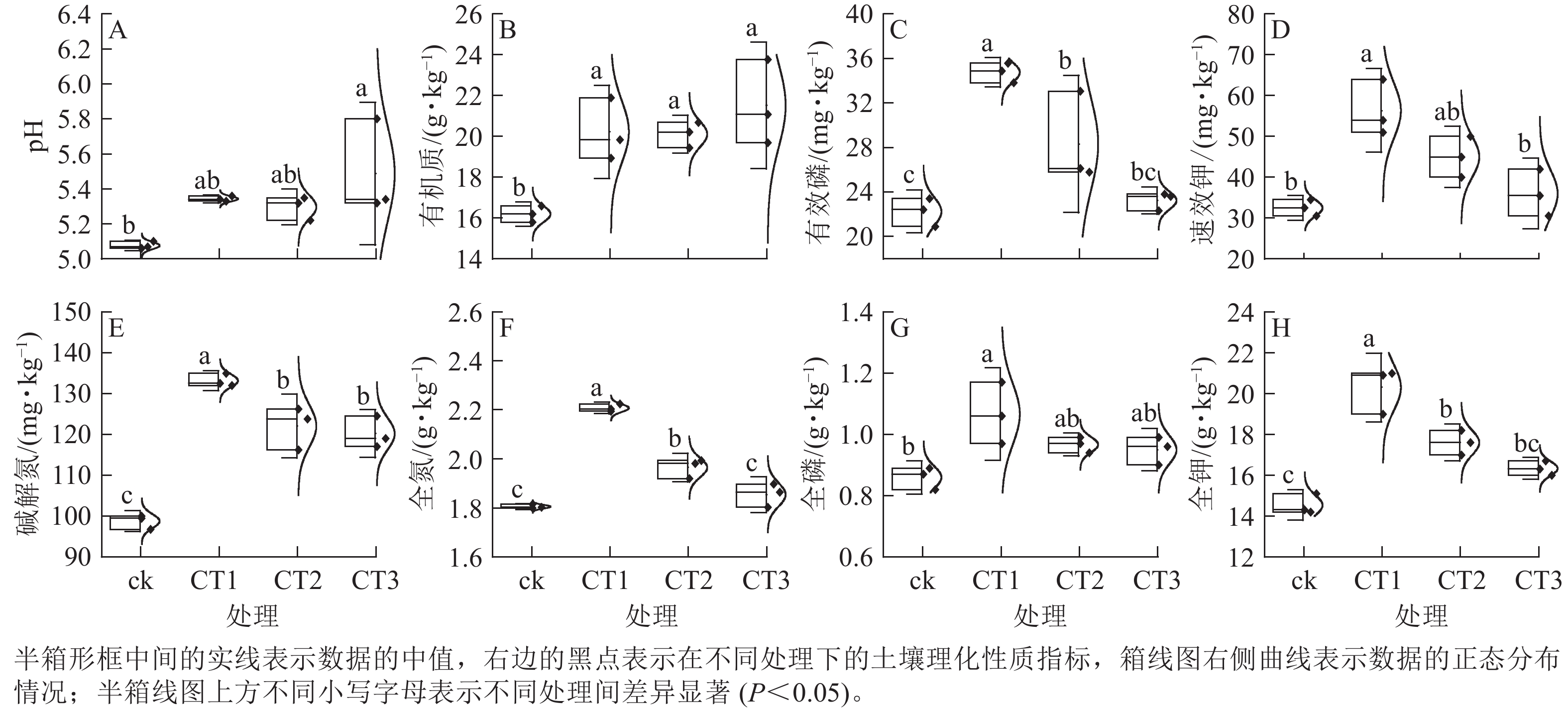
    • 图1A可知:生物质炭处理下土壤pH最高,其次为白三叶、紫云英处理,且生物质炭处理显著高于常规耕作(P<0.05)。在不同处理下,与常规耕作相比,生物质炭、白三叶、紫云英处理下土壤有机质质量分数均有显著提高(P<0.05),分别增加了32.80%、24.86%、24.16% (图1B)。由图1C可见:与常规耕作相比,白三叶、紫云英处理下土壤有效磷质量分数均显著提高(P<0.05),分别提高了56.18%、27.25%,且白三叶处理土壤有效磷质量分数显著高于紫云英处理(P<0.05)。与常规耕作相比,白三叶处理的土壤速效钾质量分数显著增加(P<0.05,图1D),其他各处理下土壤速效钾质量分数均无显著性变化。
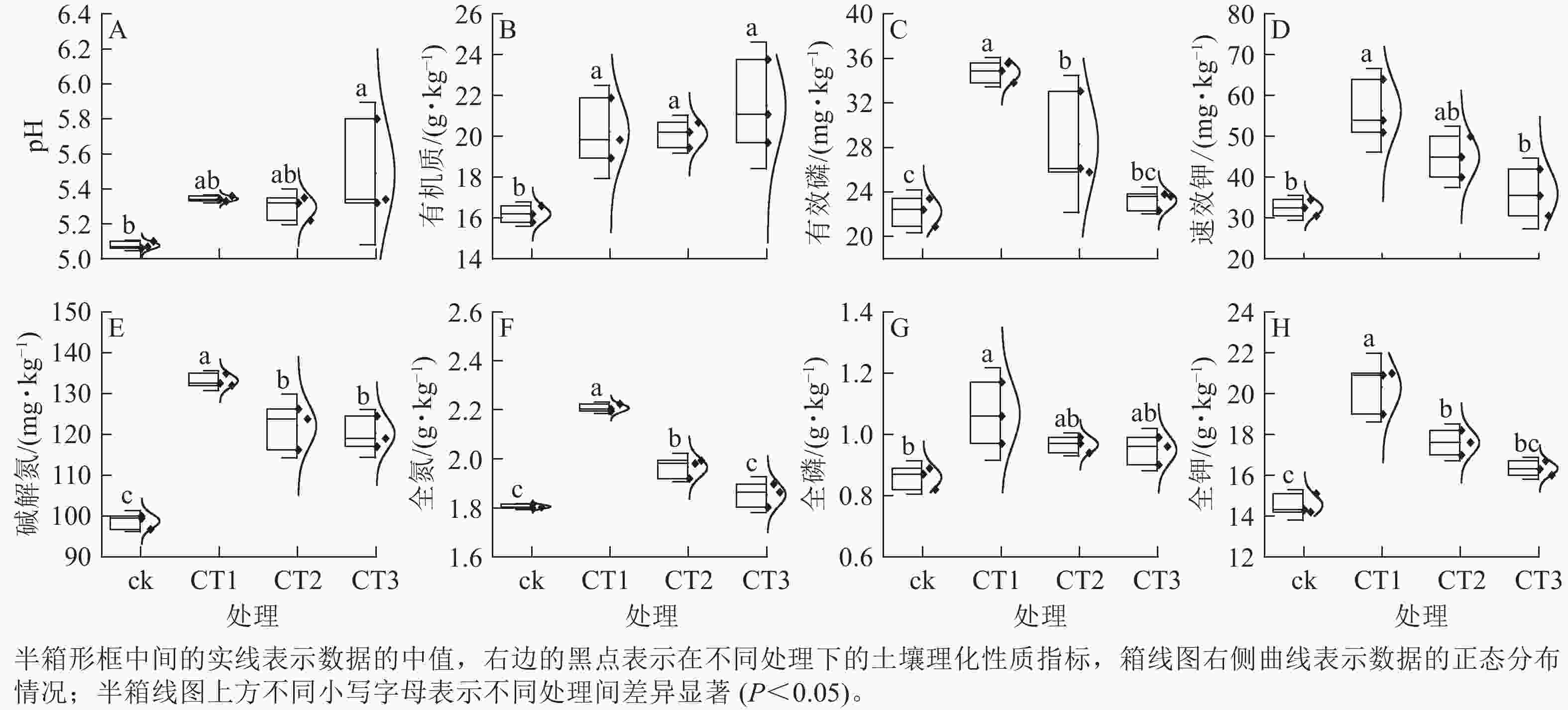
      Figure 1.  Physical and chemical properties of soil in each treatment

      图1E可见:与常规耕作相比,白三叶、紫云英、生物质炭处理下土壤碱解氮质量分数均显著增加(P<0.05),分别增加了34.83%、23.61%、21.67%,且白三叶处理显著高于紫云英、生物质炭处理(P<0.05)。不同处理对土壤全氮(图1F)、全磷(图1G)和全钾(图1H)质量分数的影响也较大。与常规耕作相比,白三叶、紫云英处理下土壤全氮质量分数均显著增加(P<0.05),分别增加了22.29%、8.83%。与常规耕作相比,白三叶处理下土壤全磷质量分数显著增加了24.00%(P<0.05),其他处理下土壤全磷质量分数并未发生显著变化。各处理下土壤全钾质量分数从高到低依次为白三叶、紫云英、生物质炭、常规耕作,其中,白三叶、紫云英处理土壤全钾质量分数均显著高于常规耕作(P<0.05)。

    • 不同处理的土壤可溶性有机碳质量分数为218.00~285.50 mg·kg−1 (表1)。与常规耕作相比,白三叶、紫云英、生物质炭处理下土壤可溶性有机碳质量分数均有所增加,但并未达到显著水平。与常规耕作相比,白三叶、生物质炭处理下土壤微生物生物量碳质量分数均显著增加(P<0.05),分别增加了35.47%、44.96%,其中,生物质炭处理显著高于紫云英处理(P<0.05)。与常规耕作相比,白三叶、紫云英、生物质炭处理下土壤可溶性有机氮、微生物生物量氮质量分数均显著增加(P<0.05)。

      处理 可溶性有机碳/(mg·kg−1) 可溶性有机氮/(mg·kg−1) 微生物生物量碳/(mg·kg−1) 微生物生物量氮/(mg·kg−1)
      ck 229.50±6.95 a 5.17±0.10 c 51.56±2.78 c 15.31±0.11 d
      CT1 266.83±13.97 a 9.48±0.11 a 69.85±2.76 ab 16.66±0.14 c
      CT2 252.50±10.20 a 8.92±0.43 a 59.89±3.09 bc 18.43±0.09 b
      CT3 239.33±3.06 a 6.60±0.06 b 74.74±1.35 a 19.32±0.08 a
      处理 总有机碳/(g·kg−1) 土壤碳库指数 土壤碳氮比 土壤微生物熵
      ck 9.40±0.14 b 1.00±0.01 b 5.20±0.07 b 5.50±0.73 a
      CT1 11.73±0.51 ab 1.25±0.05 ab 5.31±0.21 ab 5.98±0.39 a
      CT2 11.66±0.21 ab 1.24±0.02 ab 5.94±0.04 ab 5.14±0.30 a
      CT3 12.48±0.69 a 1.33±0.07 a 6.74±0.48 a 6.01±0.22 a
        说明:不同小写字母表示处理间差异显著(P<0.05)。

      Table 1.  Component analysis of soil organic carbon

      整体上看,与常规耕作相比,生物质炭处理下土壤有机碳质量分数显著增加,增加了32.77% (P<0.05),紫云英、白三叶处理下土壤有机碳质量分数有所增加,但并未达到显著水平。不同处理下土壤碳库指数由大到小依次为生物质炭处理、白三叶处理、紫云英处理、常规耕作。不同处理下土壤碳氮比均有所提高,其中生物质炭处理下土壤碳氮比显著提高了29.62% (P<0.05)。土壤微生物熵从大到小依为生物质炭处理、白三叶处理、常规耕作、紫云英处理,各处理间未达到显著性差异水平。

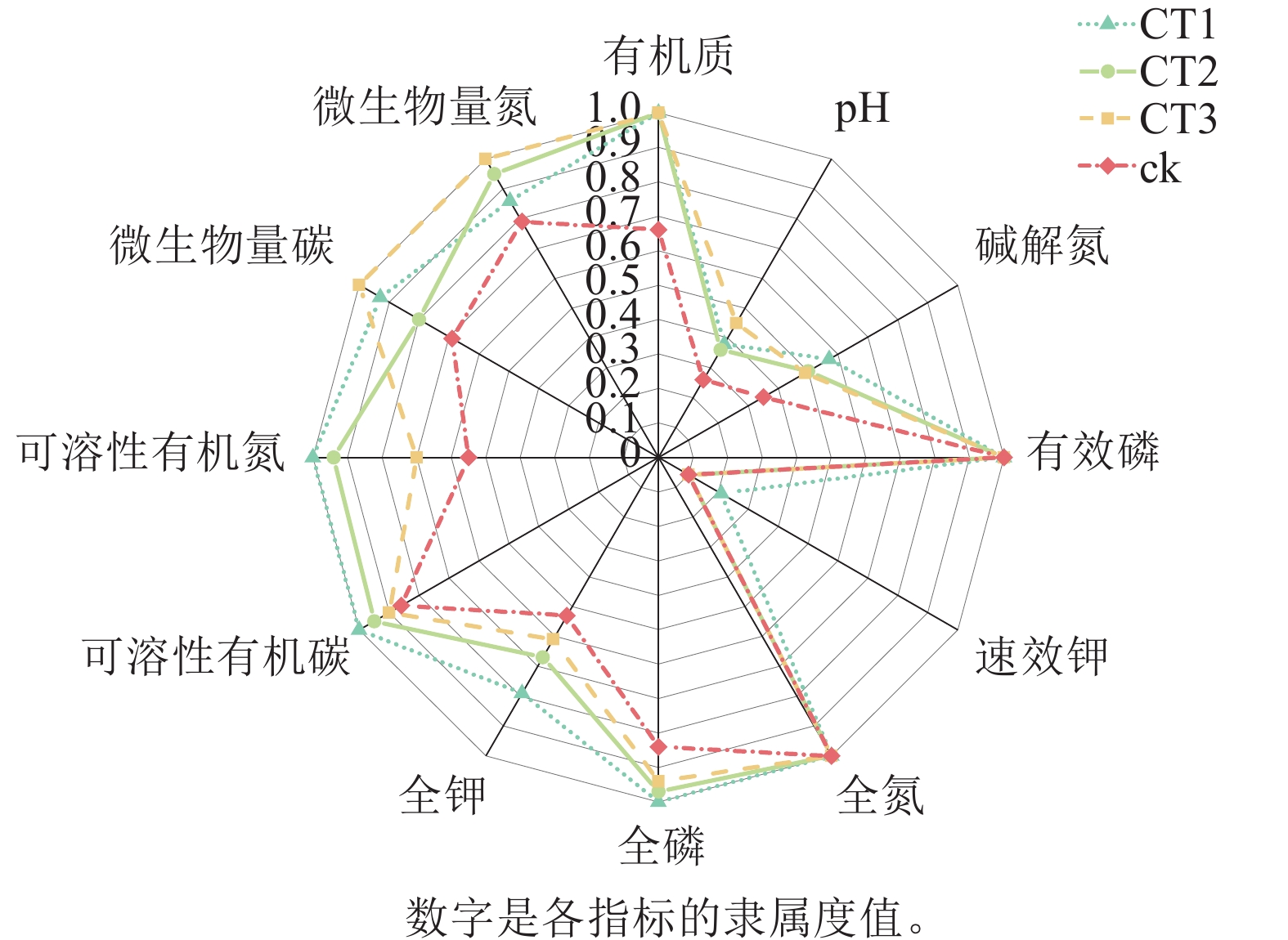
    • 表2 可以看出:土壤pH、全氮、可溶性有机碳、微生物生物量氮变异系数均小于0.10,属于弱变异性,说明这几个指标在土壤中相对稳定,不易受环境因子影响。其余指标的变异系数均为0.10~1.00[29],属于中等强度变异,其中速效钾和可溶性有机氮的变异系数相对较大,说明土壤速效钾和可溶性有机氮对不同生草处理方式的响应相对较为敏感。对不同处理下的 12 个土壤生物学、化学性状进行隶属度值计算,并绘制雷达图(图2),土壤全钾、可溶性有机碳、可溶性有机氮、微生物生物量碳、微生物生物量氮在不同处理中相对比较分散,说明不同处理之间差异较大,同样还说明这5个指标对不同生草栽培与生物质炭处理有着明显的响应。总体来看,土壤pH、碱解氮与速效钾距中心点的距离最近,土壤碱解氮的隶属度值均≤0.57,pH的隶属度值均≤0.45,速效钾隶属度值最低,均≤0.21,对各点组成的多边形面积制约最明显,说明这 3 项指标是供试土壤最重要的肥力制约因素。有效磷、全磷隶属度值在0.80以上,处在较好的状态。

      项目 pH 有机质/
      (g·kg−1)
      碱解氮/
      (mg·kg−1)
      有效磷/
      (mg·kg−1)
      速效钾/
      (mg·kg−1)
      全氮/
      (g·kg−1)
      全磷/
      (g·kg−1)
      全钾/
      (g·kg−1)
      可溶性有机
      碳/(mg·kg−1)
      可溶性有机
      氮/(mg·kg−1)
      微生物生物量
      碳/(mg·kg−1)
      微生物生物量
      氮/(mg·kg−1)
      均值 5.30 19.51 118.55 27.15 42.46 1.96 0.96 17.19 247.04 7.54 64.01 17.43
      极差 0.74 7.96 38.20 14.69 33.50 0.43 0.35 6.80 67.50 4.70 30.11 4.35
      最小值 5.06 15.80 96.80 20.90 30.50 1.80 0.82 14.20 218.00 5.00 47.11 15.09
      最大值 5.80 23.76 135.00 35.59 64.00 2.23 1.17 21.00 285.50 9.70 77.22 19.44
      标准差 0.19 2.37 13.33 5.52 10.60 0.16 0.09 2.27 20.24 1.85 10.11 1.63
      变异系数 0.04 0.12 0.11 0.20 0.25 0.08 0.10 0.13 0.08 0.25 0.16 0.09

      Table 2.  Descriptive statistics of soil properties
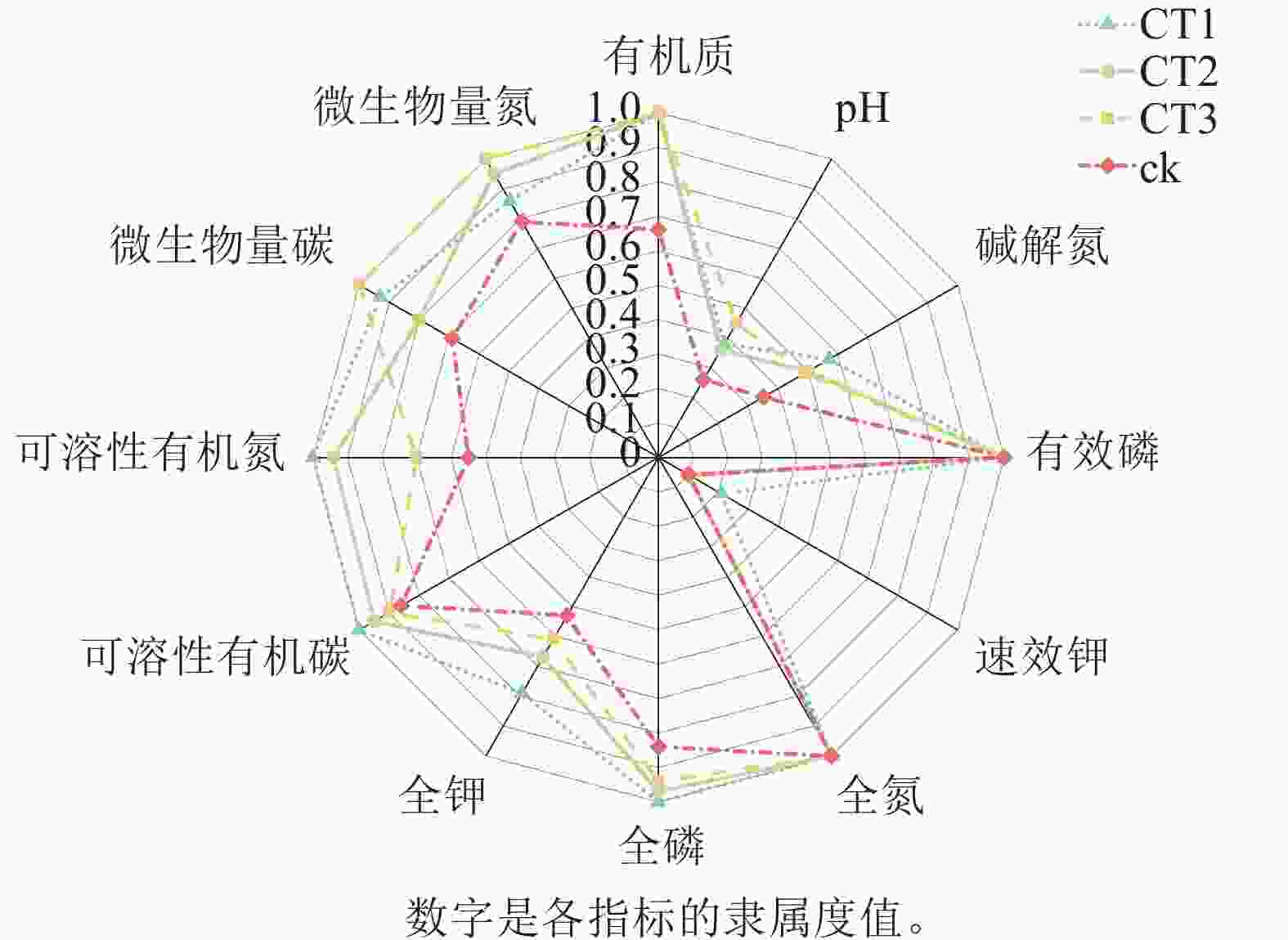
      Figure 2.  Radar plot with affiliation values of soil fertility indicators

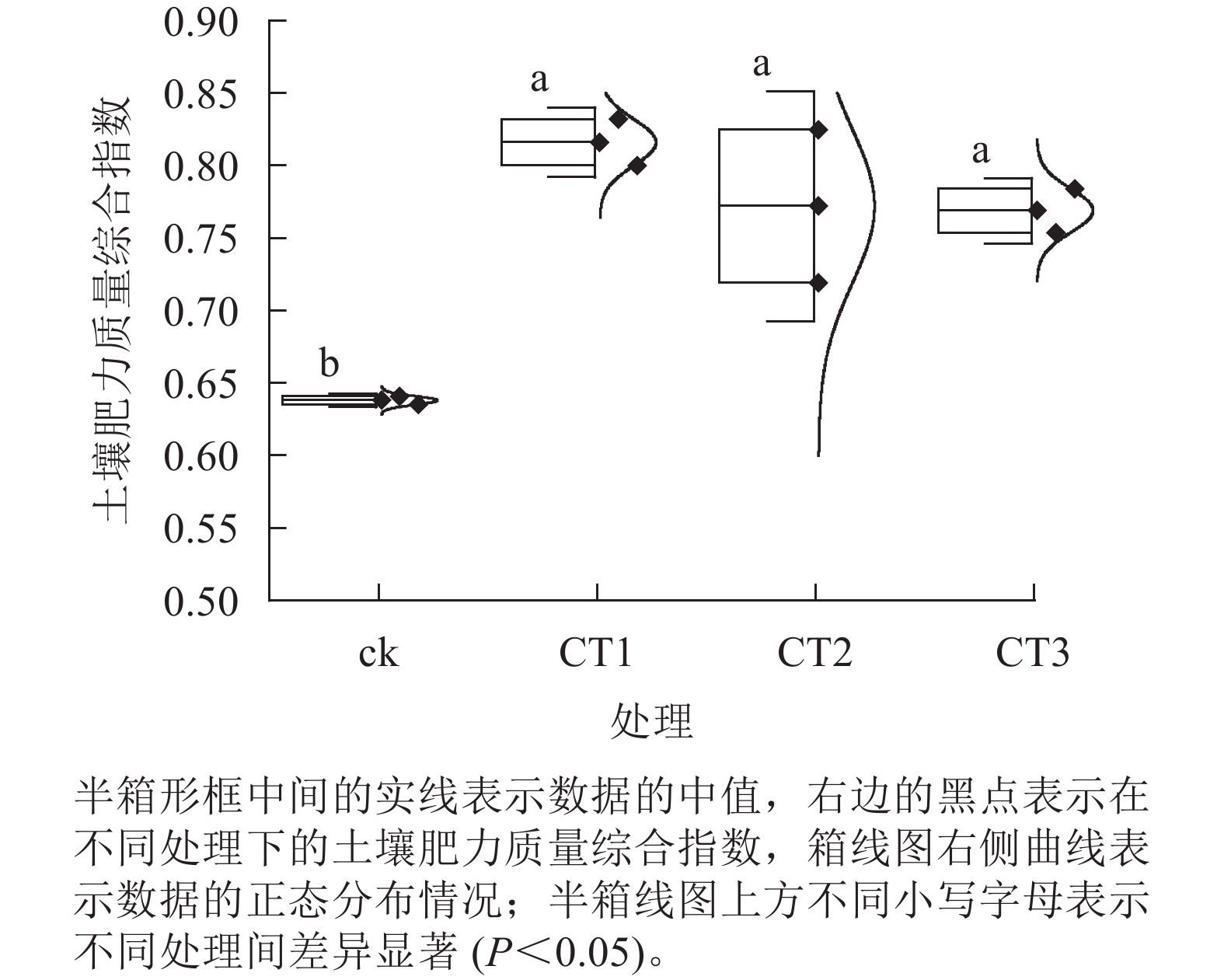
    • 对土壤化学、生物学特征的12个指标进行土壤肥力质量指数分析。首先计算各指标的隶属度函数值,再将12个指标进行主成分分析,Kaiser-Meyer-Olkin检验 (KMO)值>0.8,巴特利特球形检验 (Bartlett)值<0.05,说明所选指标适宜做主成分分析,得到每个指标的公因子方差及其权重值,再得出肥力质量综合指数。第1主成分贡献值为62.118%,其大小主要由土壤碱解氮、有效磷、速效钾、全氮、全磷、全钾、可溶性有机碳、可溶性有机氮决定,第2主成分贡献值为21.682%,其大小主要由土壤pH、有机质、微生物生物量碳、微生物生物量氮决定。由图3可知:与常规耕作相比,各处理下土壤肥力质量综合指数均显著增加,其中白三叶处理下效果最好。
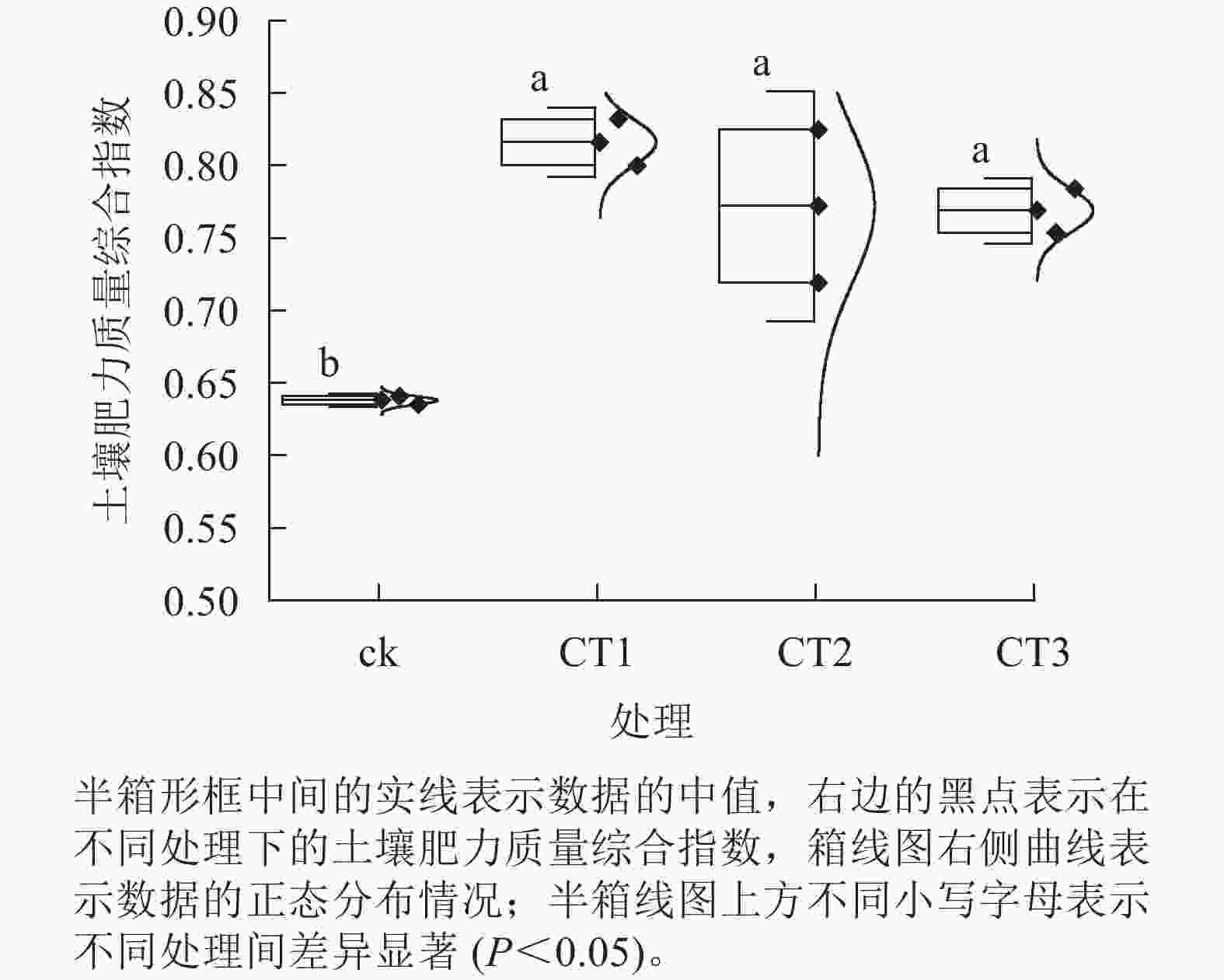
      Figure 3.  Composite index of soil fertility quality under each treatment

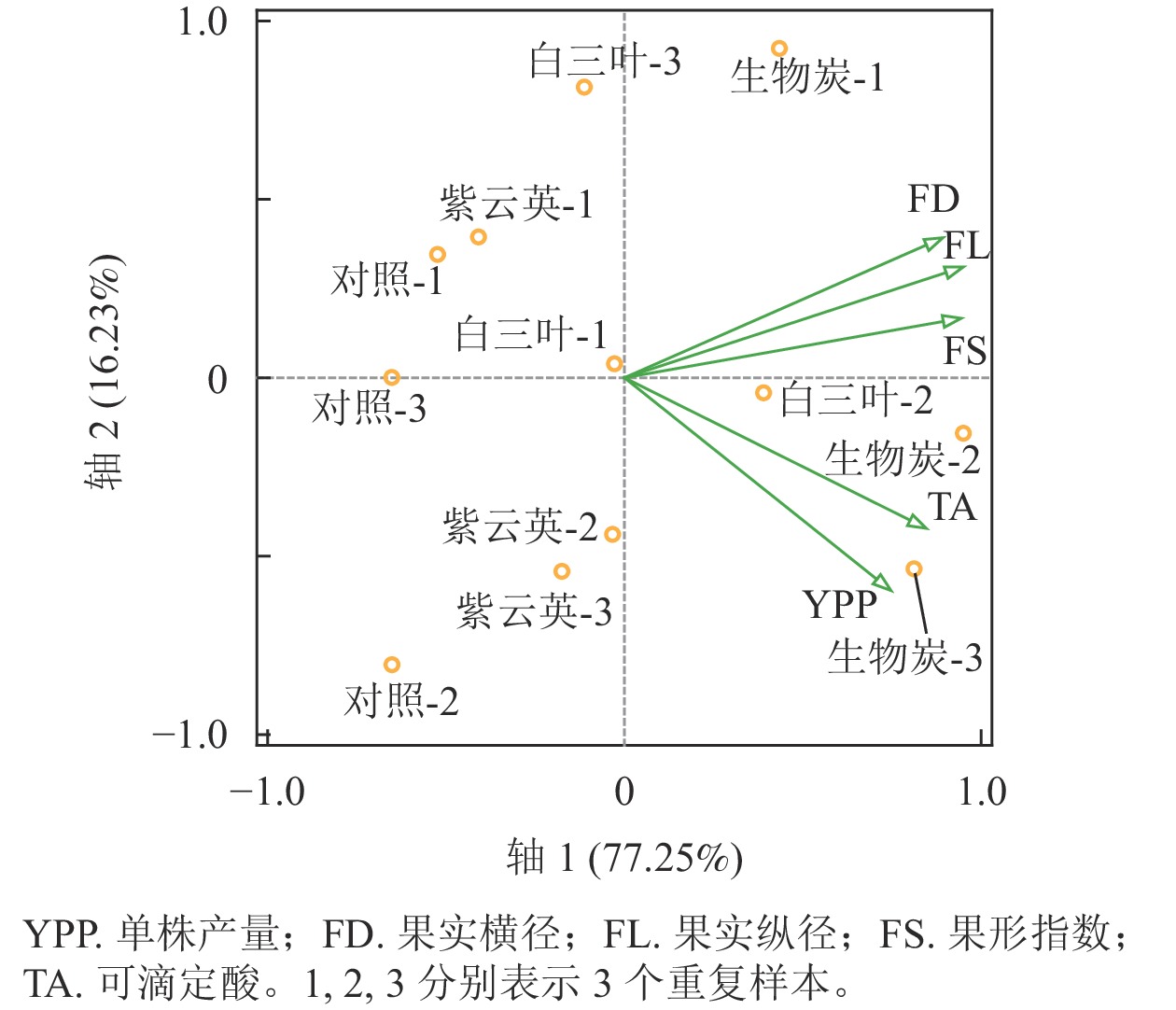
    • 白三叶处理下果实纵径、横径比常规耕作显著增加(P<0.05,表3),增幅分别为3.73%、2.51%。紫云英处理下各个品质指标并未发生显著变化。生物质炭处理下果实横径、纵径、果形指数、可滴定酸质量分数均显著增加(P<0.05),分别增加了6.15%、3.87%、2.19%、1.52%。综合来看,不同处理方式对梨果实品质的影响存在一定差异。基于冗余分析探讨生草栽培与生物质炭施加对梨园果实品质的提升作用。由图4可见:轴1、轴2的解释量分别为77.25%和16.23%,在轴1上,生物质炭处理与常规耕作距离最远,差异最大。单株产量与果实品质均指向生物质炭处理,说明该处理对改善果实品质效果最好。

      处理 果实横径/cm 果实纵径/cm 果形指数 可滴定酸量/(g·kg−1) 单株产量/(kg·株−1)
      ck 8.09±0.03 c 7.86±0.05 c 0.971±0.040 b 3.30±0.10 b 36.90±3.34 a
      CT1 8.30±0.01 b 8.15±0.04 b 0.983±0.064 ab 3.33±0.21 ab 41.70±3.40 a
      CT2 8.18±0.02 c 8.00±0.01 bc 0.978±0.057 b 3.37±0.15 b 41.27±4.29 a
      CT3 8.41±0.01 a 8.34±0.04 a 0.992±0.092 a 3.80±0.27 a 36.90±3.34 a
        说明:不同小写字母表示不同处理间差异显著(P<0.05)。

      Table 3.  Effect of adding grass and biochar on fruit quality
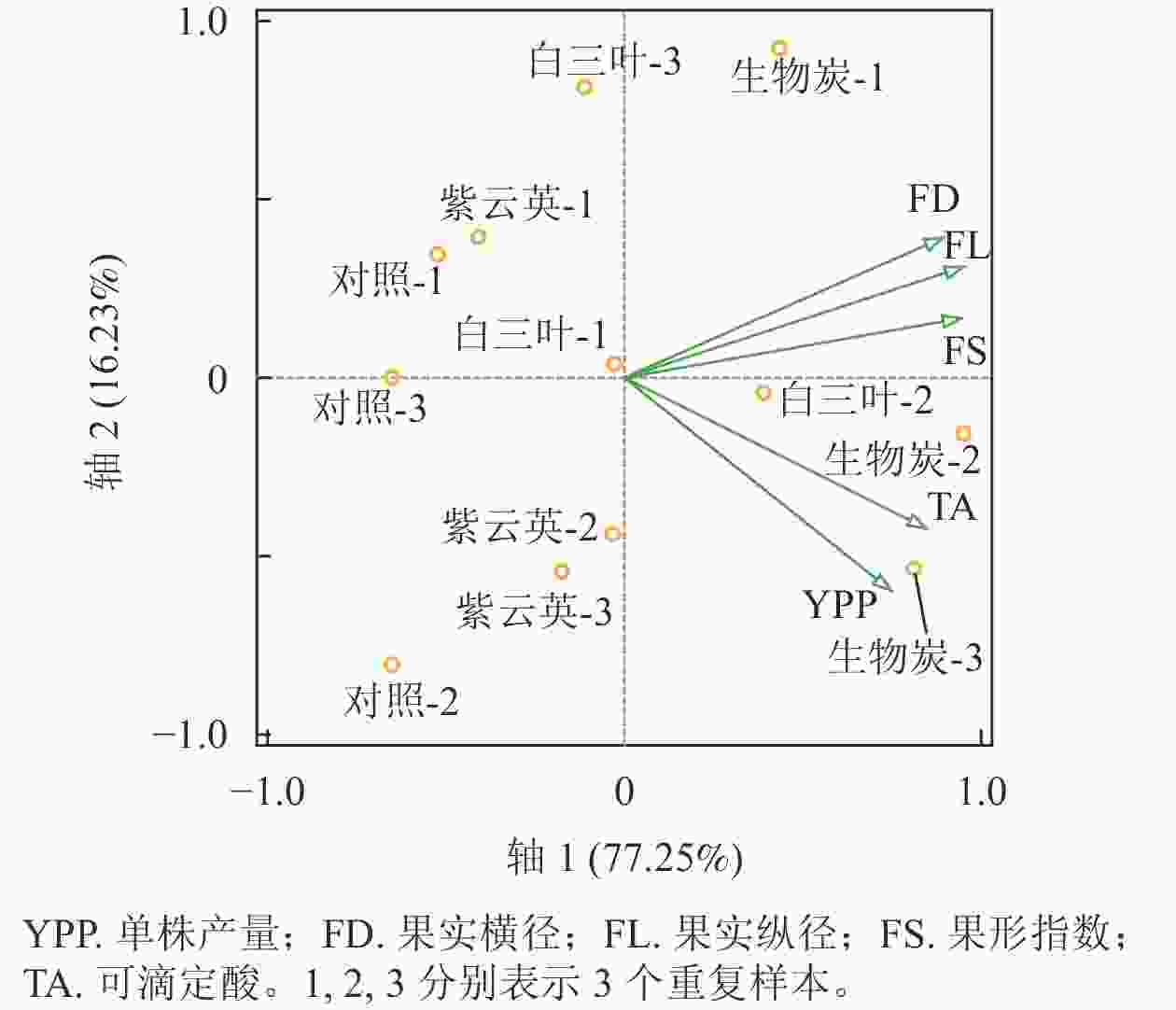
      Figure 4.  Composite index of soil fertility quality under each treatment

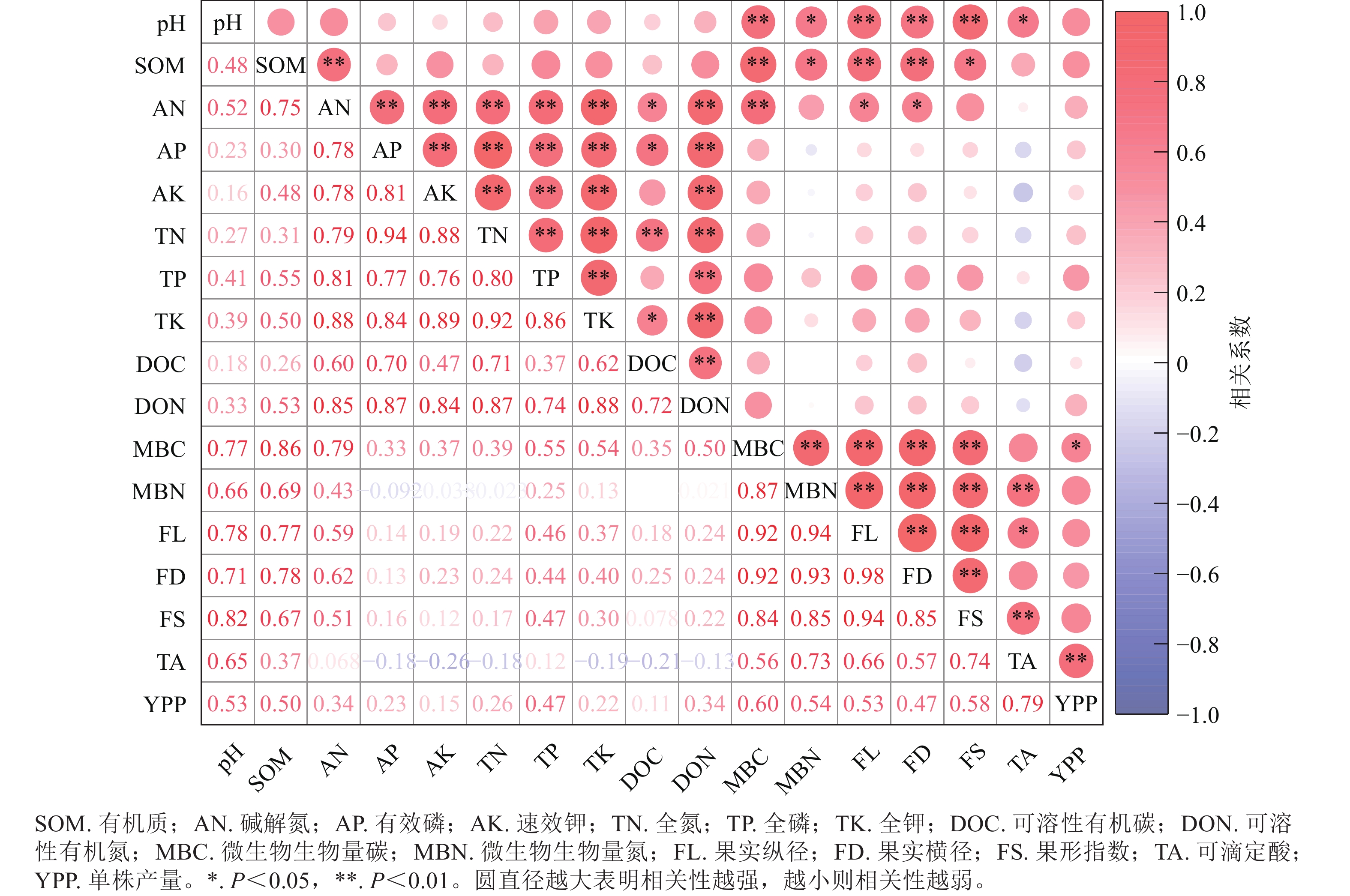
    • 相关性热图分析是一种用于可视化和量化指标之间相关性及其强弱的统计方法。12个土壤指标与4个果实品质指标以及单株产量之间的相关性分析结果表明(图5):土壤pH与土壤微生物生物量碳氮、果实品质之间呈显著(P<0.05)或极显著(P<0.01)正相关,说明土壤pH的变化可能会直接影响土壤微生物的活性和果实品质。土壤有机质与土壤碱解氮、微生物生物量碳氮、果实纵横径、果形指数之间也呈显著(P<0.05)或极显著(P<0.01)正相关。速效氮磷钾与全量氮磷钾两两之间均呈极显著(P<0.01)正相关。单株产量与土壤微生物生物量碳呈显著(P<0.05)正相关,与可滴定酸质量分数呈极显著(P<0.01)正相关,表明土壤微生物生物量碳和果实酸度对单株产量有重要影响。
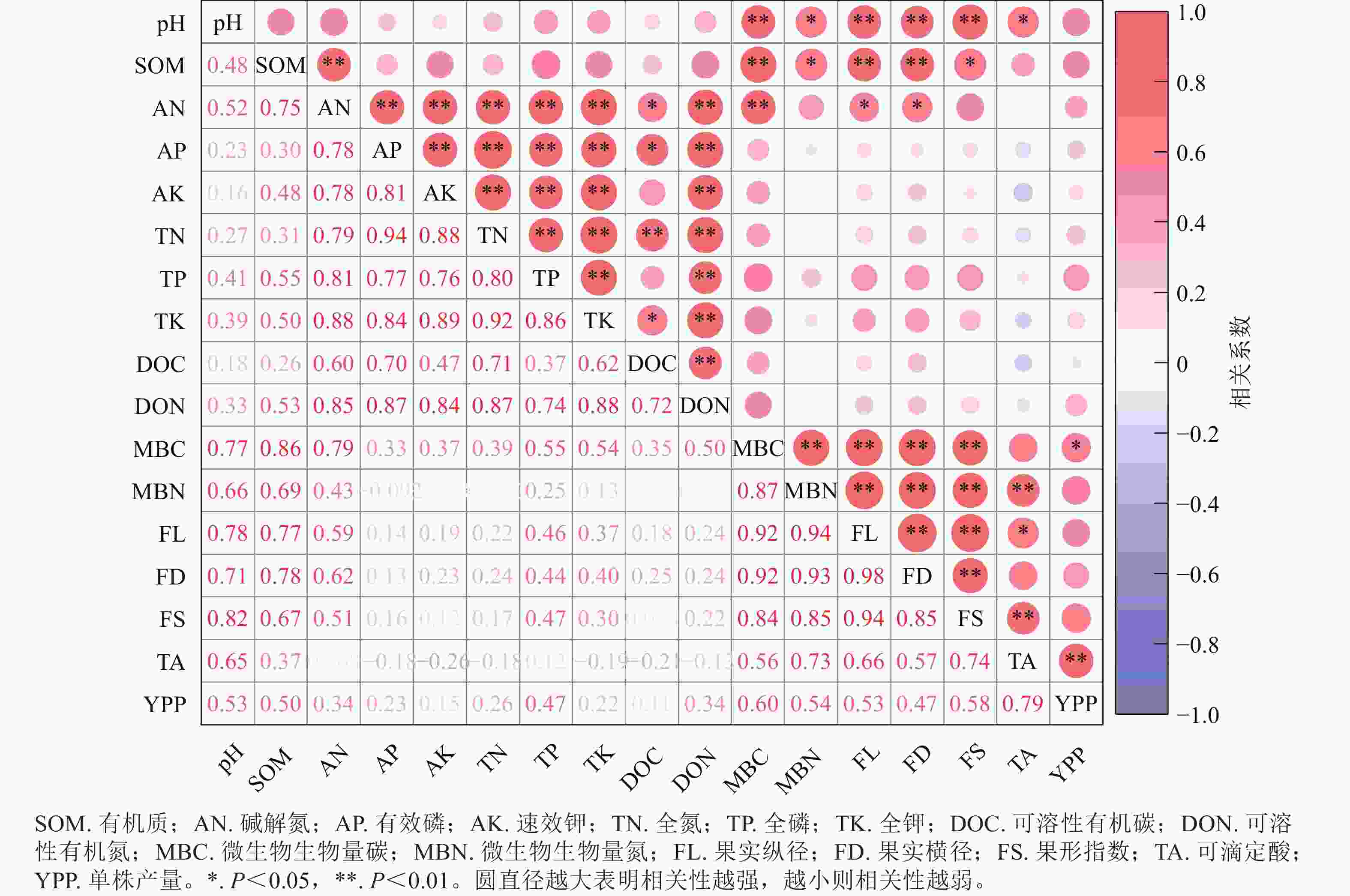
      Figure 5.  Correlation between various indicators

    • 果园种植生草不仅可以增加土壤有机质质量分数,保护水土资源,增加地力,改善果园生态环境[3031],还可以提高土壤养分,实现土壤生态系统的持续健康发展。在本研究中,生物质炭处理下土壤pH最高,且显著高于常规耕作,这可能归因于生物质炭中富含的碱基离子能有效提高酸性土壤的pH[32]。此外,由于本研究梨园中石灰质较低,铝离子易于溶出,而生物质炭表面丰富的含氧官能团能够与土壤中的铝离子结合,从而促进酸性土壤的酸碱平衡[33]。白三叶处理显著提升了土壤中速效氮磷钾和全氮、全磷、全钾元素质量分数,主要是由于其根系分泌物与微生物活动、土壤生物环境改善、氮的固定作用、磷的活化与释放以及钾的利用与积累等多方面因素共同作用的结果。这与魏倩倩等[34]在苹果园、WANG等[35]在梨园研究的结果一致。紫云英处理可显著提高土壤碱解氮与全氮质量分数,得益于紫云英与根瘤菌的共生关系,能将大气中的氮转化为植物可利用的氨,进一步优化土壤的氮素状况[36]

      生物质炭性质稳定。将生物质炭应用于土壤环境可以提高土壤碳库稳定性,减少甲烷和氧化亚氮等温室气体的排放[37]。本研究所用水稻秸秆生物质炭在500 ℃左右高温下制备,有机碳质量分数为63%,施入土壤后可溶性有机碳、可溶性有机氮、微生物生物量碳、微生物生物量氮质量分数均显著高于常规耕作;白三叶处理在增加土壤可溶性氮方面表现出色,显示其在土壤氮素循环方面有积极作用。潘介春等[38]研究发现:由于白三叶生长迅速、生物量高,土壤中可供微生物利用的分解底物较多,因此其处理下土壤可溶性碳和可溶性氮质量分数总体高于其他处理。本研究还发现:不同处理下土壤碳库指数、土壤碳氮比、土壤微生物熵均以生物质炭处理最高。生物质炭具有多孔结构,可以增加土壤的孔隙度,改善土壤的透气性,为土壤微生物提供更好的生存环境,加速土壤有机质的分解和转化,产生更多易于被植物和微生物利用的有机碳,土壤养分供应能力更高,促进土壤养分循环和生态系统功能的发挥[39]

      各指标隶属度雷达图显示:土壤pH、碱解氮与速效钾是制约土壤肥力的关键因素。综合来看,除土壤速效钾外,果园种草与施加生物质炭均可有效改善肥力限制因子。单因素肥力评价结果表明:研究区土壤磷素营养丰富,但速效钾普遍较低,供钾能力较弱,因此在平衡施肥时应考虑施用钾肥。由权重值与隶属度值加权计算得出的土壤质量综合指数显示:与常规耕作相比,各处理下土壤肥力质量综合指数均显著提高,其中白三叶处理效果最佳,紫云英、生物质炭次之。果园种植生草对果实品质与产量的影响并不明显。相比之下,生物质炭在提升果实品质方面效果显著,这可能是因为施加生物质炭后,土壤pH、有机质增加,土壤肥力得到改善,促进植株吸收更多养分,从而提升了果实品质,但短期内对单株果树产量影响较小[40]

    • 基于土壤肥力质量综合指数,对生草栽培与生物质炭添加对梨园土壤肥力的影响进行探讨。依据该指数得出的结果表明:在梨园中,土壤pH、碱解氮与速效钾是制约土壤肥力的关键因素。其中,果园种植白三叶对提高土壤肥力指数的效果最佳,种植紫云英与施加生物质炭的效果次之。此外,生物质炭处理下土壤碳库指数、土壤碳氮比、土壤微生物熵值最大。这加速了土壤有机质的分解和转化,产生更多易于被植物和微生物利用的有机碳,提高了土壤中微生物的活性和数量,从而在果实品质和产量方面表现出最优效果。

Reference (40)

Catalog

    /

    DownLoad:  Full-Size Img  PowerPoint
    Return
    Return